

Planning an outdoor trip across changing seasons often brings up practical shelter questions about gear versatility and temperature control. Campers who already own a cold-weather shelter frequently wonder, can you use a 4 season tent in the summer without overheating on warm nights? While these rugged shelters are built to handle freezing winds, blowing snow, and heavy precipitation, their robust construction alters how interior climate is regulated. Understanding how dense fabrics, reduced mesh, and protective rainflies affect airflow helps you determine whether taking winter gear into summer heat is a sensible choice or a recipe for poor sleep.
Selecting the right shelter requires balancing protection against seasonal elements with adequate cross-ventilation. Unlike standard three-season models designed with generous mesh walls, cold-weather shelters retain warm air and deflect biting drafts. When preparing for backcountry excursions or looking into heavy-duty water-resistant camping tents, examining canopy construction and fly ventilation is essential. With the right adjustments, such as rolling up snow skirts and opening vestibule doors, certain four-season designs can serve in transitional warm-weather settings, though notable trade-offs in comfort and weight remain.

Pros
- Roll-up snow skirt offers genuine multi-season flexibility for both winter conditions and warm-weather trips
- Heavy-duty PU5000mm waterproof rating provides peace of mind during sustained rainfall
- Stout aluminum pole architecture is much more reliable in strong winds than cheap fiberglass frames
- Roomy interior footprint comfortably accommodates two regular sleeping pads with room to spare
Cons
- Total weight of 5.73 pounds is somewhat heavy for ultralight solo thru-hikers
- Vestibule storage is modest, requiring organized gear staging when shared by two adults
- Included ground stakes may need an upgrade for frozen ground or deep powdery snow
The Underwood Aggregator 2-Person 4-Season Tent is an adaptable all-weather shelter engineered for campers who refuse to let dropping temperatures end their outdoor adventures. Designed specifically for backpackers, cold-weather hikers, weekend warriors, and budget-conscious outdoor enthusiasts, this shelter aims to provide reliable four-season shelter without the steep investment typically associated with mountaineering gear. Whether you are trekking into crisp autumn woods, pitching near an alpine lake, or car camping during an early winter cold front, this tent provides practical protection across changing seasons.
Weather protection stands out as the primary advantage of this shelter. Featuring an impressive PU5000mm waterproof coating on its full-coverage rainfly, it easily sheds sustained rainstorms and wet snow flurries. The integrated perimeter snow skirt is a standout feature for sub-freezing outings, effectively blocking drafty gusts and drifting snow when extended. When camping in warmer spring and summer conditions, the snow skirt rolls up neatly to expose mesh panels that encourage airflow, helping manage condensation and maintain interior comfort through muggy nights.
Structural strength comes from aircraft-grade aluminum poles coupled with Duraflex hardware and double-layered corner reinforcements. This rigid framework holds firm against shifting winds on exposed ridges where standard fiberglass poles often bend or split. Inside, the tent offers a generous 59.1 by 86.6-inch floor plan and a 45.3-inch peak height, allowing two campers to sit up comfortably without brushing against the ceiling fabric. Practical touches like a centered lantern loop, internal storage pockets for phones and headlamps, and snag-resistant two-way zippers enhance overall camp livability.
Setting up camp after a long hike or in fading evening light is straightforward thanks to the freestanding pole structure and clip-on canopy design. Once packed into its included carry sack, the tent measures a compact 16.54 by 5.9 inches. At 5.73 pounds, it is manageable for short backcountry trips, split between two hikers, or stashed effortlessly into an overland rig or car trunk for weekend escapes. Cleaning and maintenance are simple, requiring only a gentle wipe-down with fresh water and complete air drying before long-term storage to preserve the polyurethane waterproof coating.
While the tent handles varied weather remarkably well, prospective buyers should recognize realistic trade-offs. Ultralight thru-hikers covering massive daily mileage might find the total trail weight slightly hefty for solo trekking. Additionally, the standard ground stakes work adequately in typical soil but may require sturdier snow stakes for deep winter drifts. For budget-minded adventurers, couples tackling three-to-four-season trips, and car campers seeking dependable storm protection, this shelter delivers a balanced mix of durability, wet-weather defense, and affordable multi-season value.
An aggressive PU5000mm waterproof coating shields the full-coverage fly against driving rain, sleet, and wet snow, keeping the living quarters dry through prolonged storms.
The adaptable snow skirt seals the base against biting cold drafts and blowing powder in sub-freezing temperatures, yet fastens upward when mild weather calls for maximum cross-ventilation.
The freestanding aluminum pole structure allows for fast, intuitive assembly, making it easy to pitch shelter quickly even if you arrive at your campsite after dark.
Duraflex buckles and swift-clipping hooks streamline both setup and breakdown, allowing the entire system to pack neatly back into its compact 16.5-inch carry sack.
Pros
- High PU5000mm waterproof rating keeps gear and bedding dry through heavy downpours and melting snow
- Rollable snow skirts provide genuine four-season versatility across winter chills and warm summer nights
- Aircraft-grade aluminum poles provide solid structural rigidity against gusty backcountry winds
- Compact 15-inch packed length fits easily into backpacks, kayak compartments, and motorcycle panniers
Cons
- At around 4.4 pounds, it is heavier than specialized ultralight 3-season solo shelters
- The 35.8-inch peak height provides modest sitting headroom, which may feel tight for taller campers
- Narrow interior width leaves minimal space for bulky backpacks beside a wide sleeping pad
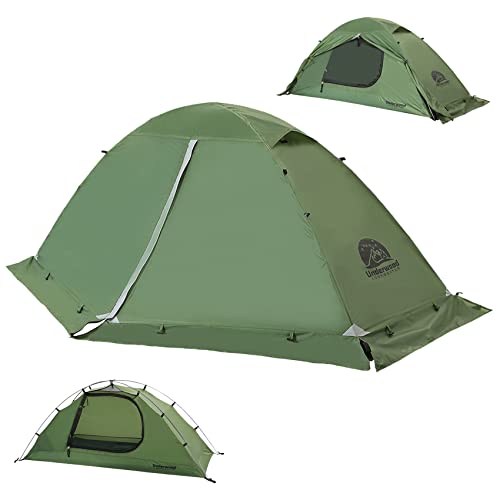
The Underwood Aggregator 1 Person 4 Season Backpacking Tent is an all-weather solo shelter built for outdoor enthusiasts who refuse to pack up their gear when autumn fades into winter. Unlike standard three-season tents that rely primarily on lightweight mesh, this model provides cold-weather fortification with full-coverage protection and integrated snow skirts. It is well-suited for solo backpackers, winter hikers, hunters, bikepackers, survivalists, and budget-conscious adventurers who need an affordable, stormproof refuge on backcountry trails.
Weather protection is the standout attribute of this tent. The fly and floor feature a robust PU5000mm waterproof polyurethane coating designed to shed driving rain, freezing sleet, and wet snow without leaking. During sub-freezing outings, the snow skirts can be staked flat or weighted down with snow and rocks to seal out frigid drafts and drifting spindrift. In warmer weather, the skirts roll up neatly to expose the lower perimeter, allowing the interior mesh panels and double-layer zippered door to circulate fresh air and manage condensation buildup effectively.
Structural integrity relies on aircraft-grade aluminum poles rather than brittle fiberglass, providing significant resilience against howling ridge winds and moderate snow loads. Heavy-duty Duraflex hardware links the inner body to the outer fly, while reinforced double-layer corners prevent stress tears at high-tension stake-out points. Factory-taped seams and reliable two-way entry zippers ensure that moisture stays locked outside even during extended, multiday mountain downpours.
Pitching camp after dusk is simple thanks to the freestanding pole architecture, which allows campers to erect the frame before positioning it on ideal level ground. Inside, the 86.6-inch length offers plenty of stretching room for taller campers, leaving valuable space near the feet to tuck a boot bag or warm layers. Practical internal accents like an overhead lantern loop and a mesh stash pocket keep headlamps, phones, and small essentials organized and within easy reach.
There are practical limitations to keep in mind before heading out. Weighing approximately 4.4 pounds, this shelter is noticeably heavier than fragile ultralight setups, making it better for cold-weather reliability than fast-and-light thru-hikes. Additionally, the 35.8-inch peak height means taller hikers will have to hunch slightly while sitting upright, and large multi-day packs will likely need to live under the vestibule rather than on the tent floor.
For solo adventurers seeking an accessible, four-season shelter that performs across crisp autumn mornings, snow-covered trails, and rainy spring weekend trips, this tent delivers dependable value. With proper care, such as drying the fabric completely before long-term storage and brushing grit from the zippers, it serves as a trustworthy outdoor companion for rugged solo excursions throughout the year.
Engineered for harsh environments, this shelter relies on a heavy PU5000mm waterproof coating that prevents moisture penetration during soaking rainstorms and steady snowfall. Taped seam construction seals needle holes along critical stress lines to stop leaks before they start.
The adaptable snow skirt system is especially valuable in freezing conditions. When fully deployed, it blocks icy wind from entering the sleeping quarters and prevents snowdrifts from blowing under the fly. When conditions warm up, rolling the skirts up restores vital airflow through the lower ventilation channels to prevent condensation.
The tent utilizes a straightforward freestanding frame supported by aircraft-grade aluminum poles. This setup simplifies assembly on hardpack gravel, frozen ground, or rocky clearings where driving stakes securely can be challenging.
Packing down to a tight 5.1 by 15 inches, the tent fits comfortably inside mid-sized hiking packs or straps cleanly to external compression straps. While the 4.4-pound total weight is slightly heavier than minimalist summer tarps, the extra heft translates directly into durable fabrics and dependable winter-grade protection.

Pros
- Automatic pop-up deployment eliminates complicated assembly at camp
- PU 3000mm waterproof rating and removable fly shed moderate rainfall well
- Cross-flow ventilation through dual doors and four mesh windows prevents stuffiness
- Overhead stargazing panel adds fun nighttime ambiance
Cons
- Circular packed disc shape can be awkward to transport on foot
- Snug fit for four full-sized adults with bulky gear bags
- Lightweight frame requires secure guylines in moderate winds
The Rivenlo 4-Person Pop Up Tent is an instant shelter designed for outdoor enthusiasts who want to bypass the frustration of threading poles through fabric sleeves. Featuring a spring-loaded automatic frame, this tent caters directly to car campers, festival attendees, beachgoers, weekend warriors, and first-time campers who value efficiency at camp. While rated to sleep up to four people in sleeping bags, it functions best as a roomy sanctuary for two or three adults with extra packs, or a couple camping with kids or pets.
Setup speed is the defining feature of this model. Once unclipped from its storage straps, the shelter springs into place almost instantly, allowing you to establish camp in moments even if you arrive at the campsite after sundown. Stowing the tent back into its circular carry case requires coiling the flexible frame in a figure-eight pattern. This folding technique takes a couple of trial runs in the backyard to master, but quickly becomes routine once you get the hang of it.
Weather protection relies on a durable 190T polyester body backed by a PU 3000mm waterproof coating. The included removable rainfly attaches securely over the mesh roof, helping prevent moisture intrusion during passing storms. Airflow management is exceptionally good thanks to four mesh windows and two full-size doors that deliver consistent cross-breeze ventilation. The mesh skylight lets warm air escape naturally during hot summer nights while offering clear views of the stars from inside your sleeping bag.
Inside, the tent measures roughly 9.5 feet by 6.6 feet with a peak ceiling height of about 4.3 feet. This layout provides comfortable sitting headroom and ample floor area for sleeping pads or a queen air mattress. Thoughtful organizational details include built-in wall pockets for small items like smartphones and headlamps, as well as an overhead lantern hook. The dual-door configuration ensures campers can slip out for midnight trips without crawling over their sleeping partners.
As with most pop-up shelters, there are a few practical trade-offs to keep in mind. Packing down to a broad circular disc at around 8.6 pounds, this tent is tailored for vehicle-based adventures rather than multi-day backcountry backpacking. Additionally, the broad walls and flexible frame catch wind easily, so anchoring all guylines and upgrading to sturdy ground stakes is strongly recommended when camping in exposed meadows, gusty parks, or windy coastlines.
For spontaneous weekend getaways, summer music festivals, and casual family camping trips where quick pitch times matter most, the Rivenlo Pop Up Tent delivers dependable utility. It balances rapid deployment, pleasant ventilation, and functional waterproofing at an accessible level for budget-conscious adventurers.
Setting up this shelter requires little more than releasing the safety strap and letting the internal frame open on its own. Within seconds, the base structure stands upright on its own, allowing you to position it on your campsite footprint before anchoring the corners with stakes.
Takedown requires folding the top and bottom arches together, standing the folded frame vertically, and twisting the hoops into nested circles. Spending five minutes practicing the figure-eight fold at home before heading out guarantees a smooth pack-up experience when breaking camp on Sunday morning.
Equipped with a 3000mm polyurethane water-resistant coating on 190T polyester fabric, this tent handles light to moderate rainfall with confidence. The detachable rainfly covers the upper mesh roof to shed rain while still allowing perimeter air circulation.
Condensation buildup is minimized through the combination of an open skylight roof, two zippered doors, and four mesh window panels. When warm weather sets in, opening all window covers creates an airy environment that keeps bugs outside while letting evening breezes pass straight through.

Pros
- Versatile four-season functionality thanks to a roll-up snow skirt suitable for winter frost or summer breezes
- Sturdy aluminum poles offer dependable stability against high winds compared to fiberglass frames
- Generous 59-inch interior width provides ample room for two standard-sized sleeping pads side by side
- Dual zippered doors and dual vestibules make entering, exiting, and gear organization easy for two people
Cons
- Total trail weight of roughly 6.4 pounds leans heavy for dedicated ultralight solo hikers
- Proper guyline tensioning is required to prevent condensation buildup during freezing nights
- Included ground stakes are basic and may require upgrading for deep snow or rocky ground
The BISINNA 4 Season 2 Person Backpacking Tent is engineered as an accessible all-weather shelter designed to bridge the gap between summer trekking and chilly shoulder-season or winter camping. Tailored for budget-conscious backpackers, weekend warriors, motorcycle campers, and outdoor adventurers who refuse to pack away their gear when temperatures drop, this shelter delivers cold-weather utility at an approachable price point. Whether pitching camp in blustery autumn mountains or setting up in a snowy state park, it provides the protection needed for rugged outdoor excursions.
In terms of raw weather protection, the tent relies on 210T tear-resistant polyester coated with a robust PU 3000mm waterproof finish, paired with taped seams to help shed heavy rainfall and damp snow. What distinguishes it from standard three-season models is the perimeter snow skirt. Dropping the skirt prevents freezing gusts, spindrift, and rain spray from blowing up beneath the rainfly, significantly trapping warmth inside. During warmer outings, the skirt rolls up securely, engaging dual zippered doors and mesh windows to promote steady cross-ventilation and manage interior moisture buildup.
The structural integrity comes from two lightweight aluminum poles working in a classic cross-dome, freestanding architecture. Compared to brittle fiberglass alternatives, aluminum delivers the resilience needed to handle wind gusts and moderate snow loading without snapping. The inner canopy combines solid fabric privacy panels with high-density mesh to balance draft prevention with breathability. Outside, dual vestibules provide sheltered storage for wet boots, backpacks, and trekking gear, keeping muddy equipment safely separated from your sleeping bag and pad.
Pitching the shelter is straightforward, even when setting up after dark or wearing bulky gloves. The freestanding design utilizes clip hooks attached to the cross-poles, allowing a single person to erect the inner tent in just a few minutes before throwing the fly over top. Packability is practical, condensing down to roughly 18 by 7 inches in its included carry sack. While the total trail weight of 6.4 pounds is slightly heavy for ultralight minimalist trekkers, dividing the rainfly, poles, and inner body between two hiking partners makes it exceptionally manageable on multi-day trails.
Like many cold-weather double-wall shelters, preventing condensation requires diligent use of guy lines to keep the outer fly taut and separate from the inner tent body. Campers heading out into deep winter conditions should also consider packing specialized snow stakes, as standard aluminum pegs struggle in loose powder. For couples, cold-weather hikers, and weekend campers seeking a resilient, multi-season shelter with dedicated winter shielding that will not break the bank, this BISINNA tent stands as a dependable and versatile basecamp choice.
Engineered to handle unpredictable mountain conditions, this shelter utilizes a 210T ripstop polyester rainfly with a PU 3000mm waterproof polyurethane coating. The sealed seams prevent moisture penetration during sustained downpours, while the integrated snow skirt acts as a crucial barrier against blowing drift snow, biting wind chills, and driving rain.
When camping in milder summer conditions, the snow skirts can be neatly rolled up and fastened out of the way. This allows cooler air to enter through the low perimeter while warm air vents out through the double upper mesh windows, effectively reducing condensation while maintaining reliable insect protection.
The intuitive two-pole cross design makes setup quick and manageable for a solo camper. Heavy-duty pole clips quickly snap directly onto the aluminum frame, eliminating the frustration of feeding poles through tight fabric sleeves in windy or freezing weather.
Packing down to 18 by 7 inches, the tent fits neatly inside standard hiking backpacks, kayak hatches, or motorcycle panniers. The included compression carry bag keeps all components neatly organized for hassle-free transport between campsites.
Pros
- High 5000mm waterproof rating on both flysheet and bathtub floor resists heavy downpours and wet ground
- Snow flaps effectively block winter drafts and blowing spindrift from entering the sleeping quarters
- Freestanding aluminum pole structure sets up quickly with one person, even in low light
- Dual vestibules and dual doors eliminate the hassle of crawling over a tent mate to exit
Cons
- Total weight of 6.28 pounds is relatively heavy for long-distance ultralight backpacking
- Interior width is snug when accommodating two large adults with wide winter sleeping pads
- Solid fabric inner tent traps warmth well but requires careful vent adjustment to avoid condensation in humid conditions
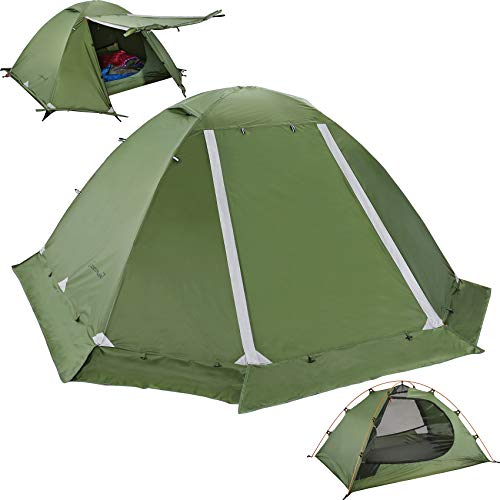
The Clostnature 4-Season 2-Person Backpacking Tent is an all-weather shelter engineered to handle cold weather, rain, and light snow. Designed for budget-conscious backpackers, weekend mountaineers, late-season hunters, and cold-weather car campers, this shelter bridges the gap between typical three-season camping and expensive alpine gear. Having a dependable shelter becomes vital when hiking into elevated backcountry sites or preparing for unpredictable mountain weather where temperatures drop fast after sundown.
Performance in adverse weather is where this shelter shows its true utility. Built with a heavy-duty polyester rainfly and bathtub floor treated with a 5000mm PU waterproof coating, the tent repels persistent downpours and resists moisture seeping up from wet ground. A key highlight for winter outings is the integrated perimeter snow skirt, which blocks freezing spindrift and wind gusts from blowing under the flysheet. Two D-shaped doors with dual-layer solid fabric and mesh panels allow campers to regulate interior airflow, which helps manage internal condensation without letting in freezing drafts.
In terms of build quality, the two-pole freestanding frame uses lightweight aluminum alloy poles rather than brittle fiberglass, providing noticeable structural stability against gusty ridge winds. The floor footprint measures 7 feet 3 inches by 4 feet 11 inches with a peak height of 3 feet 10 inches, giving two average-sized campers adequate space to sleep side by side. Twin vestibules extend beyond the dual entrances, providing sheltered exterior storage for muddy hiking boots, cooking kits, and bulky trekking packs so the living space remains clean and organized.
Pitching this tent is straightforward, even for solo adventurers setting up camp in freezing temperatures or fading light. The freestanding design lets you assemble the inner body quickly with simple pole clips before securing the full-coverage rainfly. Packing down into a compact 16.5 by 5.9-inch carry bag, the system transports easily inside or strapped onto an outdoor backpack. The package also includes 14 aluminum stakes, guylines, and an emergency pole repair sleeve for unexpected trail repairs.
While the tent handles cold winds and moisture well, weight is a notable consideration. At roughly 6.28 pounds for the total package, it is noticeably heavier than dedicated ultralight three-season alternatives, making it better suited for short-mileage winter treks, hunting base camps, or car camping rather than high-mileage thru-hikes. Fitting two broad-shouldered adults alongside bulky winter sleeping pads may also feel snug, making it exceptionally comfortable as a roomy solo winter palace or an efficient two-person setup.
Overall, the Clostnature 4-Season Tent represents solid value for outdoor enthusiasts who want genuine four-season capability on an accessible budget. Whether you are gearing up for late-fall deer hunting, winter car camping, or an early-spring scout trip in the mountains, this tent offers reliable weatherproofing and durable aluminum construction to keep you warm and dry outdoors.
This tent is built to withstand inclement conditions that would push standard three-season models past their limits. The rainfly and bathtub floor both boast a robust 5000mm PU waterproof coating with factory-sealed seams, effectively keeping out torrential rain and ground moisture. The elevated bathtub floor helps ensure that splashing mud or pooling ground runoff does not seep into your sleeping bag.
For cold-weather and winter trips, the flysheet includes built-in snow skirts that can be weighed down with rocks or snow to seal off the tent perimeter. This barrier blocks freezing wind drafts and stops blowing spindrift from drifting into the inner tent. The double-layer doors let you close off mesh panels with solid fabric, retaining internal body heat during chilly mountain nights while still allowing controlled airflow when needed.
Setting up the tent is fast and intuitive thanks to a classic two-pole cross design. The aluminum poles slide smoothly through reinforced grommets and clip directly to the inner tent body, allowing a single camper to pitch the base in just a few minutes. Buckling and pegging out the full rainfly takes only a few minutes more, which is a major advantage when setting up camp in freezing wind or rain.
With a packed size of 16.5 by 5.9 inches, the tent fits neatly inside larger multiday backpacks or straps cleanly onto the bottom of a pack. The trail weight sits at 5.33 pounds when stripping down to the fly, poles, and inner body, while the packed weight with all 14 stakes and lines is 6.28 pounds. Splitting the poles and fabric between two hiking partners makes carrying this cold-weather shelter very manageable on the trail.

Evaluating Four-Season Tents for Warm-Weather Camping
Taking a cold-weather shelter into the summer backcountry is technically possible, but it introduces distinct environmental and comfort challenges that every camper must evaluate. A winter shelter is fundamentally engineered to retain internal heat, withstand heavy snow loads, and deflect freezing wind blasts. In warm temperatures, those exact protective characteristics can quickly turn an enclosed shelter into a stuffy, humid environment. Understanding the precise balance between protective design and airflow management is necessary before leaving for a midsummer campsite.
Structural and Material Differences Between Season Ratings
The primary difference between shelter classes lies in the choice of canopy fabrics and wall construction. Standard three-season shelters rely heavily on open no-see-um mesh panels across the upper canopy to maximize ventilation and dump heat. Four-season models replace most of that breathable mesh with dense, solid polyester or nylon fabric panels to block blowing snow and frigid drafts. While this solid barrier provides vital structural integrity against cold weather, it drastically restricts the passive airflow that summer campers rely on for nighttime cooling.
Fabric coatings and frame structures also differ substantially between seasonal designs. Winter shelters frequently incorporate heavy fly fabrics treated with robust waterproof coatings, such as PU3000mm or PU5000mm ratings, to repel driving wet snow and harsh rain. Sturdy aircraft-grade aluminum poles are also standard, arranged in intersecting geometric patterns to resist high winds and accumulated snow weight. While these heavy materials ensure impressive resilience, they add considerable bulk and retain radiant solar heat far longer than thin warm-weather fabrics.
Bathtub floors and seam constructions in four-season shelters are also engineered with extreme durability in mind. The waterproof floor fabric typically features a deep perimeter lip that extends several inches up the sidewalls to prevent melting snow or pooling groundwater from seeping inside. Factory seam tape applied to heavy winter nylon is notably thick, offering durable puncture resistance against coarse gravel and rough roots. This heavy-duty floor construction protects against sharp trail debris, though it contributes extra grams to your pack compared to gossamer summer footprints.
Thermal Retention and the Overheating Risk
Trapping warm air is a lifesaving advantage during subzero winter trips, but that same thermal retention causes severe discomfort in midsummer heat. Sunlight striking a dense polyester rainfly creates a pronounced greenhouse effect that quickly elevates interior temperatures above the ambient outdoor air. In low-elevation campgrounds or humid river valleys, daytime heat lingers within the solid canopy long after sunset. Without large mesh ceiling vents to vent hot air upward, occupants may experience uncomfortably muggy sleeping conditions throughout the night.
The severity of this overheating depends heavily on geographic location, elevation, and regional humidity levels. A camper pitching a four-season tent in a high-elevation alpine basin might encounter nighttime temperatures dropping toward freezing, where heat retention remains genuinely beneficial. Lowland camping in humid, sunny conditions, however, provides no such relief. When ambient evening temperatures remain high and breezes are faint, a solid fabric canopy offers virtually no thermal relief compared to an open-breeze summer design.
Managing Condensation and Restricted Airflow
Condensation is one of the most frustrating challenges encountered when using winter shelters in warm environments. Human respiration and perspiration continuously release moisture vapor into the tent atmosphere during sleep. In a summer shelter, open mesh allows this vapor to drift outward easily before settling against solid surfaces. A cold-weather shelter directs that humid vapor against the underside of the waterproof rainfly, where it condenses into droplets that can drip back down onto sleeping bags.
Mitigating moisture accumulation requires proactive venting strategies and disciplined pitching techniques. Many four-season designs feature double-layer doors that combine a solid fabric flap with an internal mesh screen. Rolling back the solid panel while keeping the mesh zipped allows essential cross-ventilation while still excluding summer insects. Campers must also stake guylines tautly to maintain a generous air gap between the inner canopy and the outer flysheet, preventing the two layers from sticking together and soaking through.
Internal moisture management also benefits from understanding how double-wall tent systems interact with outdoor humidity. In a true double-wall shelter, moisture passes through the breathable inner canopy fabric before condensing on the cooler rainfly exterior. Keeping a dedicated microfiber towel inside the tent allows campers to wipe away morning moisture from the inner walls before breaking camp. Packing away a soaked tent without wiping it down first increases pack weight and guarantees a damp shelter at your next stop.
Snow Skirts and Ground-Level Air Circulation
Snow skirts, also known as snow flaps, are perimeter fabric extensions engineered to lie flush against snow banks or rocky terrain. In winter, campers pile snow atop these flaps to seal out spindrift, block icy drafts, and stabilize the shelter base against fierce blizzards. In warm weather, leaving snow skirts extended completely chokes off ground-level air intake. Because cool night air normally enters low and pushes warm air out through roof vents, sealing the perimeter eliminates the chimney effect necessary for natural ventilation.
Fortunately, several modern four-season models incorporate rollable snow skirts that secure upward with dedicated toggle loops. Tying these flaps up off the ground restores ground-level airflow under the rainfly perimeter. This adjustment prevents hot air from stagnating around the tent floor and helps reduce morning condensation. If your shelter lacks rollable skirts, propping the fabric outward with clean rocks or short stakes can create the necessary perimeter air channels without damaging the material.
Campers should also pay attention to how wind direction interacts with adjustable perimeter skirts. Pitching the shelter with rolled skirts directly facing incoming wind currents channels fresh air beneath the rainfly without destabilizing the pole structure. Conversely, leaving skirts untied on the leeward side allows trapped warm air to spill out easily into the surrounding atmosphere. Coordinating skirt adjustments with wind patterns gives you noticeable control over interior drafts and temperature regulation.
Weight and Packed Volume Considerations on the Trail
Carrying winter gear during summer backpacking trips imposes a substantial physical penalty in pack weight. While ultralight summer shelters often weigh under three pounds, four-season backpacking models typically range between four and seven pounds. This extra weight stems from thicker 210T polyester fabrics, burly aircraft-grade aluminum poles, extra zipper tracks, and heavier groundsheets. Carrying surplus poundage over steep summer hiking trails demands more physical exertion, increases hydration needs, and slows down overall trail pace.
Packed volume also impacts backpack organization and overall carrying comfort on multi-day itineraries. Cold-weather tents require substantially more pack volume because dense fabrics and heavy rainflies do not compress as tightly as flimsy mesh-heavy canopies. A bulky shelter takes up valuable interior pack room that could otherwise hold extra water, food, or summer sun protection gear. If you are car camping or establishing a stationary base camp, packed bulk matters far less than it does on rigorous backcountry treks.
Hardware considerations also contribute to the overall weight and packing differences between seasonal categories. Four-season shelters rely on heavy-duty aluminum Y-beam stakes or wide snow anchors designed to hold firm in loose snow, frozen earth, and high winds. These burly stakes weigh significantly more than the ultralight titanium needle pins or minimalist aluminum shepherd hooks used with summer tents. Carrying substantial guyline cordage and heavy-duty tensioners further increases pack weight, though it guarantees dependable security if unexpected summer squalls hit camp.
Appropriate Summer Scenarios for Four-Season Shelters
There are several specific wilderness settings where deploying a four-season tent during summer months is entirely appropriate and even recommended. High-altitude mountaineering routes frequently expose climbers to subfreezing night temperatures, unpredictable snow squalls, and severe wind gusts even in July or August. In exposed alpine terrain above tree line, the structural rigidity of interlocking aluminum poles provides crucial security that delicate summer tents cannot match. Campers exploring remote ridgelines often need the bombproof storm protection that only true cold-weather engineering delivers.
Budget limitations and equipment availability also represent common, practical reasons to use a four-season tent in warm weather. Outdoor enthusiasts who own only one high-quality winter tent may prefer adapting their existing shelter rather than purchasing a second seasonal setup right away. Families planning relaxed campground getaways may find that traditional group options like spacious outdoor tents offer far more living comfort than cramped alpine shelters. When casual summer use is the goal, knowing how to modify a winter shelter makes occasional warm-weather camping practical without extra gear spending.
Pitching Adjustments for Hot and Humid Conditions
Adapting a winter tent for summer comfort begins with deliberate campsite selection and orientation. Pitch your shelter in natural shade beneath trees or near ridgeline barriers that block harsh afternoon solar radiation. Orient the main tent doors directly toward prevailing evening breezes to funnel moving air straight through the vestibule openings. Avoid pitching in low-lying hollows or dry creek beds where damp evening air settles, creating severe condensation problems on cold nylon walls.
Pitch modifications can also significantly increase internal airflow during exceptionally hot nights. If the weather forecast guarantees dry, rain-free conditions, pitching a freestanding inner tent without the rainfly attached allows maximum starlight viewing and bug protection. When rain remains possible, stake out the rainfly vestibules in an awning configuration using trekking poles and guylines. Sleepers who struggle with bright morning sun might even contrast these setups with dedicated dark-room camping tent designs that actively block early morning light and heat.
Preserving Cold-Weather Fabrics During Warm-Weather Use
Using winter gear in summer heat exposes technical fabrics to environmental stresses they were not specifically designed to endure continuously. Intense summer ultraviolet rays can degrade waterproof polyurethane coatings and weaken polyester fibers over prolonged exposure. Pitched in direct sunlight for days at a time, rainfly materials can become brittle and lose their long-term tear resistance. Taking the tent down during peak daylight hours or pitching beneath a UV-blocking tarp helps protect delicate seam tapings and durable fabric coatings.
Thorough cleaning and moisture management after summer trips are equally vital for maintaining winter durability. Dust, body oils, and fine grit can accumulate in fine zipper teeth, causing sliders to stick or split unexpectedly during freezing winter trips. Never pack a tent away into its compression sack while damp from summer humidity, as trapped moisture promotes mildew growth and hydrolyzes waterproof coatings. Always hang the canopy, rainfly, and floor in a shaded, well-ventilated space until completely bone-dry before storing it away.
Balancing Adaptability Against Dedicated Warm-Weather Gear
Determining whether to use your cold-weather shelter in the summer comes down to your camping style, climate expectations, and personal tolerance for warm nights. If your summer itinerary involves rugged alpine routes or occasional breezy mountain weekends, modifying a four-season tent is a completely functional and economical solution. By rolling up snow skirts, securing vestibules wide, and prioritizing cross-ventilation, you can sleep comfortably without buying redundant camping equipment. You simply need to accept the modest penalties of heavier trail weight and reduced interior ventilation.
For frequent lowland camping, humid midsummer backpacking, or casual family outings, investing in a dedicated three-season shelter remains the wiser long-term choice. Lightweight mesh walls, expansive ceiling vents, and lower pack weights make warm-weather outings substantially more restful and physically manageable. Inspect your expected nighttime temperatures, pack capacity, and precipitation risks before packing your gear. With realistic expectations and smart ventilation practices, you can make an informed decision that keeps you protected and comfortable across any camping season.


Write Your Review
No reviews yet. Be the first to share your experience!