
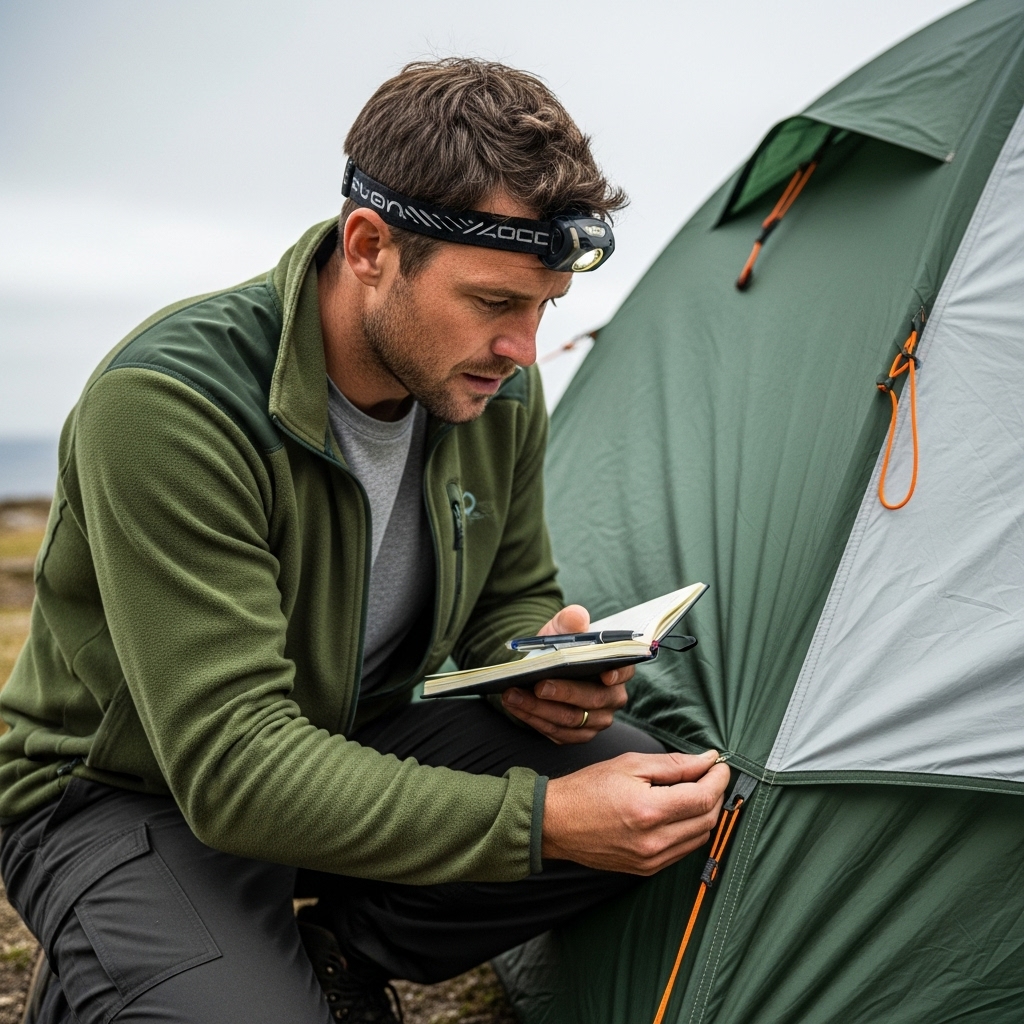

Selecting the Right MSR Shelter for Backcountry Comfort
Carrying a heavy pack over steep terrain quickly highlights the value of every single ounce. Yet shaving weight often means enduring a cramped shelter where your sleeping pad presses against damp walls. Finding the best msr outdoor tent balances a low trail weight with livable floor space and dependable storm protection. MSR shelters stand out across trails because their symmetrical pole designs maximize interior volume without loading down your pack. Whether you need a featherlight shelter for fast weekend loops or a tough double-wall design for unpredictable mountain weather, a reliable shelter keeps your sleep protected.
Interior floor layouts and vestibule volume dictate how comfortable stormy evenings feel once you unpack. Tents with vertical sidewalls prevent thick pads from touching the canopy mesh, helping reduce overnight condensation. If you plan trips in varying conditions, examining rainfly coverage and pole structure is just as critical as reviewing other popular camping tent designs. Models across the Hubba Hubba, Elixir, and Freelite series provide tailored combinations of fabric strength, packability, and convenience for your backcountry trips.

Pros
- True rectangular floor ensures wide or thick sleeping pads fit without tapering at the feet.
- Dual StayDry doors with built-in rain gutters provide separate entrances and protected gear storage.
- Ultralight DAC NFL aluminum pole system packs down small and offers quick, symmetrical assembly.
- Internal gear loft, clothesline, and cable-port pockets keep personal essentials well organized.
- Solution-dyed fabrics reduce manufacturing environmental impact without sacrificing coverage.
Cons
- Fabric denier ratings and specific waterproof millimeter measurements are not stated in the listing.
- A protective ground footprint is not listed as an included accessory and may require separate purchase.
- The 40-inch peak height provides sitting room but may feel low for taller campers.
The MSR Hubba Hubba LT 2-Person Lightweight Backpacking Tent is a dedicated three-season shelter designed for hikers, backpackers, and outdoor pairs seeking a balance between carry weight and interior livability. Built around a freestanding geometry, this model addresses the common issue of cramped floor plans by pairing steep sidewalls with a non-tapered layout. It is primarily suited for weight-conscious backpackers, bikepackers, and solo hikers who want extra elbow room on multi-day backcountry trips.
Interior floor space measures 88 inches long by 52 inches wide (2.24 by 1.32 meters), paired with a 40-inch (1.02-meter) interior peak height. Because the floor is a true rectangle, two campers can arrange modern rectangular sleeping pads side-by-side, even if those mats exceed 4 inches in thickness. While the manufacturer designates this shelter for two people, personal comfort depends on the width of your sleeping gear and how much equipment you prefer to store inside versus out under the rainfly vestibules.
The structural design relies on a unified hub-and-pole frame crafted from DAC NFL aluminum, engineered to provide structural support while keeping packed bulk to a minimum. The inner tent body is composed mostly of airy mesh to promote airflow and mitigate condensation buildup during humid nights. Over top, the rainfly adds dual vestibules equipped with StayDry doors, integrated rain gutters, and kickstand vents positioned at both ends. For interior utility, MSR includes an overhead gear loft, a clothesline, and corner pockets with pass-through ports for routing charging cables.
For trail transport, the shelter packs down to 20 by 5.5 inches (51 by 14 cm) with a manufacturer-stated minimum trail weight of 3 pounds (1.36 kg) and a total weight of 3.38 pounds. This manageable profile makes it easy to split between hiking partners or carry solo in a medium-capacity backpack. When packing up camp, standard maintenance practices apply: ensure the fly and canopy are clean and thoroughly dried before storage to safeguard the solution-dyed fabrics against mildew or coating deterioration.
Prospective buyers should note a few missing specifications in the documented product data. The manufacturer does not list the fabric denier, specific coating compounds, or hydrostatic head waterproof ratings for the rainfly and floor. Additionally, the product information does not state whether ground stakes or a footprint are included in the package. Campers planning to pitch on rocky or abrasive terrain may want to verify ground protection needs prior to heading out.
Overall, the MSR Hubba Hubba LT is a compelling option for backpackers who value a true rectangular layout, quality DAC aluminum framing, and thoughtful internal organization. When comparing this model with other lightweight two-person backpacking shelters, shoppers should weigh the 3-pound trail weight, symmetrical pole setup, and dual-door convenience against their personal headroom needs and required weather specifications.
With a minimum trail weight of 3 pounds (1.36 kg) and a packed weight of 3.38 pounds, this tent fits comfortably within the lightweight backpacking class. Its packed size of 20 by 5.5 inches fits vertically or horizontally into standard internal-frame packs without consuming excessive pack volume.
The two-door, dual-vestibule layout is particularly advantageous for trail duos, giving each hiker a private exit and sheltered gear area so that packs and muddy footwear do not take up sleeping space inside the cabin.
Unlike many lightweight backpacking tents that taper toward the feet, the Hubba Hubba LT features a true 52 x 88-inch rectangular floor. Combined with nearly vertical sidewalls, this shape maximizes usable volume and accommodates thick, modern sleeping mats over 4 inches tall without pinching against the tent walls.
Internal organization is unusually comprehensive for a lightweight shelter, featuring an integrated gear loft, a built-in clothesline for airing damp layers, and end pockets with cable ports to keep power banks and phones organized off the floor.
The tent uses a unified hub-and-pole architecture made with DAC NFL aluminum, designed to offer high structural strength at a minimal weight. The symmetrical pole layout removes setup confusion by allowing poles to seat easily into corresponding corner grommets without front-to-back orientation mismatch.
The outer fly attaches securely over the frame and includes StayDry doors featuring integrated rain gutters, directing water runoff away from the zipper line to keep the interior dry during entry and exit.

Pros
- Rectangular floorplan prevents tapered-end crowding and fits standard or wide sleeping pads easily
- Includes a dedicated footprint in the package, eliminating the need to purchase a separate ground cloth
- Durable all-metal corner hardware and straight-pull zippers resist snagging and wear
- Internal gear loft and cable-port pockets keep electronics and camp essentials organized
- Compatible with the separately available MSR Gear Shed for campers needing expanded gear storage
Cons
- With a minimum trail weight of 5 pounds 2 ounces, it is heavier than dedicated ultralight 2-person shelters
- Listing data does not state the packed dimensions or carry-bag volume for pack-fitting
- The product description does not specify the exact exterior door or vestibule count without the optional Gear Shed accessory
The MSR Elixir 2-Person Backpacking Tent is a versatile double-wall shelter designed for backpacking pairs, solo hikers seeking generous personal space, and general car campers. Built by MSR as a durable, all-around backcountry shelter, it focuses on interior livability and straightforward camp setup. The design balances trail portability with resilient hardware, making it well suited for weekend adventures, walk-in sites, and multi-day trail excursions.
In terms of interior space, the tent features a stated two-person capacity with floor dimensions of 84 by 52 inches (2.13 by 1.32 meters) and a peak headroom height of 41 inches (1.04 meters). Unlike shelters that taper toward the feet, the true rectangular floorplan and nearly vertical walls allow two wide, thick rectangular sleeping pads to rest flat across the floor. While the manufacturer rates this model for two occupants, actual interior comfort will depend on camper body size, sleeping pad dimensions, and how much personal gear is brought inside the sleeping area.
The tent body incorporates strategically mapped mesh panels intended to provide continuous ventilation to manage moisture and condensation while still helping retain interior warmth during cooler nights. Durability details include updated all-metal corner hardware and straight-pull zippers designed to resist jamming and make finding the pull straightforward in the dark. Interior organization is supported by an overhead gear loft and end pockets equipped with dedicated cable ports for routing charging cables from power banks to resting devices.
For weather-related construction, MSR utilizes waterproof fabrics treated with PFAS-free waterproofing applications to reduce environmental footprint without sacrificing rain protection. The shelter package includes a dedicated custom-fit footprint, which helps guard the tent floor against rough gravel, damp soil, and abrasive sticks. With a minimum trail weight listed at 5 pounds 2 ounces (2.33 kilograms) and an overall listed product weight of 5.13 pounds, the tent is manageable for two hikers splitting the load between poles, body, and fly, though solo ultralight backpackers may find it on the heavier side for extended backcountry mileage.
A few purchase considerations stem from omissions in the listing specifications. The product documentation does not provide packed dimensions, nor does it specify the exact door or vestibule configuration in standard trim, although it does confirm compatibility with the separately sold MSR Gear Shed for added vestibule storage. For camping duos or solo hikers who value sturdy metal hardware, dependable livable floor space, and an included footprint over extreme ultralight weight savings, the MSR Elixir 2 stands out as a balanced, well-built three-season shelter option.
The MSR Elixir 2 delivers 84 inches of length and 52 inches of width in a consistent rectangular footprint. Because the floor does not taper toward the foot end, two standard 20-inch or wide 25-inch rectangular sleeping pads can be positioned side-by-side without overlapping or pressing against the tent fabric.
With 41 inches of peak vertical clearance and near-vertical sidewalls, the shelter allows average-height campers to sit fully upright while changing clothes or organizing gear. Built-in storage includes an integrated overhead gear loft to stash headlamps or clothing layers, as well as corner end pockets with cord pass-through ports for managing electronic device cables.
Weighing in at a minimum trail weight of 5 pounds 2 ounces (2.33 kg) and a total listed weight of 5.13 pounds, the Elixir 2 sits in the sturdy traditional backpacking category. For two trail partners splitting the poles, tent body, rainfly, and included footprint, the resulting individual pack weight remains practical for weekend trips and moderate backcountry loops.
Because the product data does not list packed sack dimensions, hikers planning to carry this tent in smaller-volume internal-frame backpacks should check their pack capacity before long trips. However, the heavy-duty all-metal corner hardware, robust straight-pull zippers, and included footprint provide extra durability that frequent backpackers camping on rough or rocky ground will appreciate.

Pros
- Rectangular floor layout and steep sidewalls maximize elbow room and pad compatibility
- Lightweight trail profile at approximately 3.54 pounds supports self-carried excursions
- DAC NFL aluminum poles and unified hub configuration simplify structural pitching
- StayDry door system with built-in rain gutters prevents dripping water from entering during entry
- Kickstand vents and micromesh wall sections facilitate airflow to help reduce condensation
Cons
- Packed dimensions are not stated in the listing, making packed volume harder to gauge before purchase
- Specific fabric denier, waterproof coatings, and included stake counts are not documented
- A 52-inch width means two wide sleeping pads will leave minimal internal space for bulky gear
The MSR Hubba Hubba HD 2-Person Tent is a lightweight shelter engineered for hiking, backpacking, and backcountry camping trips. Weighing 3.54375 pounds, this shelter addresses the practical needs of backpackers, bikepackers, and wilderness hikers who require a low carrying weight without sacrificing structural freestanding design. The Olive Night exterior offers a low-profile aesthetic that blends well into natural surroundings at both established campsites and remote trail destinations.
Regarding interior space and fit, the tent provides an 88-inch length, a 52-inch width, and a peak ceiling height of 40 inches. Unlike many ultralight shelters that feature tapered foot ends, this model uses a true rectangular floor plan. Combined with near-vertical sidewalls, this shape maximizes usable volume and allows occupants to use sleeping pads over 4 inches thick without pressing against sloped walls. While rated as a two-person shelter, the 52-inch width allocates 26 inches per person, meaning two standard sleeping pads will occupy nearly the entire floor width, leaving gear storage largely to the vestibules.
The structural assembly features DAC NFL lightweight aluminum poles connected by a unified hub-and-pole mechanism. This symmetrical framework helps simplify campsite setup for solo hikers and pairs alike. Weather management is addressed through a full-coverage rainfly equipped with StayDry doors, which integrate built-in rain gutters that channel runoff away from the entry points. To manage humidity and reduce condensation, the shelter utilizes kickstand rainfly vents alongside breathable micromesh canopy panels.
For transport and maintenance, the 3.54-pound weight makes dividing the load between two hikers or carrying the entire system solo very practical. Taking care of the shelter involves clearing abrasive debris before pitching and ensuring the canopy and fly are completely clean and dry before pack storage. The listing does not specify whether a ground footprint or stakes are included in the package, so campers expecting rough or rocky terrain may need to verify stake contents and consider sourcing a footprint separately.
A few technical specifications remain unverified in the provided documentation, such as exact packed dimensions, fabric denier, and hydrostatic head waterproof ratings. When evaluating this tent against alternatives, campers should weigh its lightweight construction and rectangular living space against their specific packing volume and floor area preferences. For self-supported backpackers and hikers seeking a reliable shelter with quality aluminum poles and thoughtful door drainage, the MSR Hubba Hubba HD remains a strong model to consider.
The Hubba Hubba HD measures 88 inches in length and 52 inches in width, accompanied by a 40-inch peak height. Its true rectangular footprint eliminates the narrow tapers found in many two-person backpacking tents, giving occupants consistent floor space from end to end.
Near-vertical sidewall geometry significantly increases usable volume, allowing campers to sit upright comfortably and use sleeping pads over 4 inches thick without reducing foot room. Oversized, tech-friendly storage pockets line the interior to keep headlamps, devices, and small gear organized and off the sleeping surface.
Pitching the tent relies on DAC NFL lightweight aluminum poles assembled into a unified hub-and-pole system. This symmetrical architecture provides an intuitive, quick setup process on the trail, reducing guesswork when pitching in fading daylight.
The frame creates a stable freestanding structure that can be easily repositioned before anchoring. Although the pole hub provides foundational stability, securing guy lines and staking down the corners remains essential for weather resilience and fly tensioning.
Weather-focused features include a large protective rainfly designed with MSR StayDry doors. Integrated rain gutters along the doors route water away from entry zippers, helping keep the interior dry when entering or leaving during wet conditions.
Kickstand rainfly vents work in tandem with upper micromesh canopy panels to foster continuous airflow, helping minimize internal condensation. While the design emphasizes protection in unpredictable outdoor environments, specific waterproof coatings and laboratory ratings are not documented in the listing specifications.


Pros
- Comes standard with a dedicated footprint, eliminating the need to purchase floor protection separately.
- Non-tapered rectangular floorplan and steep walls allow occupants to arrange sleeping pads side-by-side without crowding at the foot end.
- Built-in gear loft and cable-routed end pockets keep small essentials and electronics organized off the floor.
- All-metal corner hardware and straight pull zippers offer sturdy, snag-resistant handling around campsite entry points.
- PFAS-free fabric coatings provide waterproof performance while reducing environmental impact.
Cons
- At a 6-pound-1-ounce minimum trail weight, it is heavier than specialized ultralight 3-person backpacking shelters.
- Specific packed dimensions, pole alloy details, and door counts are not detailed in the available product specifications.
- Fitting three adult campers across the 70-inch width leaves minimal interior floor space for large backpacks, making vestibule or gear shed storage essential.
The MSR Elixir 3-Person Backpacking Tent is built as a versatile, livable shelter designed for small groups, trail pairs seeking extra elbow room, and car campers who prefer a manageable pack size for walk-in campsites. As a 3-person tent in MSR's Elixir series, it bridges the gap between lightweight trail shelters and rugged basecamp tents. Its emphasis on livable volume makes it an appealing option for hikers who find conventional, heavily tapered backpacking shelters too restrictive during extended stays inside.
In terms of interior space, the Elixir 3 features a true rectangular floorplan measuring 84 by 70 inches (2.13 by 1.78 meters) with a peak ceiling height of 43 inches (1.09 meters). The nearly vertical sidewalls prevent the canopy from sloping aggressively toward your face, creating usable headroom across the entire shelter. This geometry allows campers to place standard or wide rectangular sleeping pads side-by-side without overlapping. When filled to its three-person capacity, each camper has roughly 23.3 inches of width, which accommodates sleeping setups comfortably but leaves minimal floor space for packs, making gear management outside the main sleeping zone a priority.
The tent body incorporates strategically mapped mesh panels paired with solid fabric sections. This design aids ventilation to help clear out condensation while still blocking drafts and conserving ambient warmth during cooler nights. Hardware upgrades include all-metal corner components and straight-pull zippers, which reduce curve-related zipper stress and allow for easier handling in the dark. For internal organization, the shelter comes equipped with an overhead gear loft and end pockets featuring integrated cable ports, enabling campers to route charging cords neatly from power banks to resting devices.
A notable advantage of the Elixir 3 package is the inclusion of a dedicated footprint, which guards the floor against sticks, sharp gravel, and abrasive soil. Campers planning extended trips or wet-weather outings can also pair the tent with the separately sold MSR Gear Shed, an add-on vestibule that significantly expands covered exterior storage. While the manufacturer notes that the tent is built for straightforward setup, specific details such as pole materials, hub configurations, or color-coded components are not explicitly stated in the listing data.
With a documented minimum trail weight of 6 pounds 1 ounce (2.75 kilograms) and a total weight of 7.13 pounds, the Elixir 3 is best transported on the trail by splitting the body, rainfly, poles, and footprint among two or three hikers. Solo backpackers will likely find the weight substantial. The product documentation does not provide folded or packed dimensions, nor does it list specific hydrostatic head millimetric ratings for the rainfly and floor fabrics, though it confirms the use of durable PFAS-free waterproofing treatments.
For couples who want extra space for gear, or small groups of three willing to share the carrying weight, the MSR Elixir 3 presents a practical balance of livable space and rugged hardware. Campers prioritizing the absolute lowest pack weight may prefer ultralight alternatives, but those who value vertical walls, included floor protection, and practical interior storage will find this shelter well-suited for general backpacking and weekend camping.
The MSR Elixir 3 provides 84 inches of length and 70 inches of width, paired with a 43-inch peak ceiling height. Unlike shelters that taper toward the feet, the true rectangular floorplan ensures uniform width from end to end, making it easier to fit multiple rectangular sleeping pads without edge overlap.
The nearly vertical wall profile preserves interior volume at sitting height, allowing campers to sit upright without brushing against the inner tent canopy. While the manufacturer rates the shelter for three people, sharing 70 inches of floor width means three adult occupants will sleep shoulder-to-shoulder with negligible floor space remaining for personal packs.
Unlike many backpacking tents that require an aftermarket groundsheet, the Elixir 3 includes a dedicated custom-fit footprint in the package to help protect the tent base against damp ground, dirt, and rough surfaces.
The tent also includes an overhead gear loft to store small essentials off the floor and built-in end pockets with cable ports for routing electronic charging cables. For groups requiring extra shelter for bulky equipment, the tent body is compatible with the separately sold MSR Gear Shed add-on.
The MSR Elixir 3 lists a minimum trail weight of 6 pounds 1 ounce (2.75 kilograms) and an overall weight of 7.13 pounds. The minimum trail weight accounts for the essential components needed to pitch the shelter on the trail.
Carrying more than seven pounds total makes this shelter relatively heavy for a single person, but dividing the tent body, fly, poles, and included footprint between two or three hikers brings the individual pack weight down to a manageable trail load. Exact packed dimensions for the carry sack are not provided in the product specifications.

Pros
- Exceptionally low carry weight at 2.31 pounds makes it easy to transport on long-distance backpacking trips
- Dual-door and dual-vestibule layout prevents occupants from climbing over each other for nighttime exits or gear access
- PFAS-free DuraShield rainfly and floor coatings feature taped seams to help block rain
- DAC NFL aluminum poles and unified hub architecture simplify the pitching process
- Tech pockets incorporate pass-through cable routing to keep battery packs and cords organized
Cons
- Semi-freestanding structure requires staking out the foot and vestibules to achieve proper pitch tension and interior volume
- A 50-inch floor width provides a snug fit for two regular sleeping pads, leaving minimal interior margin for wider gear
- Specific packed dimensions and hydrostatic head millimeter ratings are not provided in the manufacturer listing
The MSR FreeLite 2-Person Ultralight Backpacking Tent is built specifically for hikers, backpackers, and campers who prioritize reducing base weight on the trail. Engineered as a semi-freestanding shelter, it trims excess pole mass while retaining key livability features often lost in ultralight tents. With a minimum weight of 2 pounds (0.91 kg) and a listed total weight of 2.31 pounds, it is tailored for multi-day trips, thru-hikes, and fast-and-light wilderness outings where every ounce counts.
In terms of practical space, the FreeLite provides a rectangular floorplan measuring 84 inches long by 50 inches wide, accompanied by a 39-inch peak head room. While rated for two persons, a 50-inch floor width means two standard 20-inch or 25-inch sleeping pads will fit side-by-side with little room to spare. Usable space inside is primarily reserved for sleeping, while two large side-entry vestibules provide exterior sheltered storage for muddy hiking footwear, backpacks, and bulky gear. Overhead gear lofts and internal side pockets help keep headlamps and small essentials off the floor, with dedicated cable ports included on the pockets to assist with device cord routing.
The structural framework relies on DAC NFL lightweight aluminum poles configured in a unified hub-and-pole assembly. This symmetrical layout helps streamline alignment during camp setup and take-down. Because the tent uses a semi-freestanding geometry, the head end stands upright with the pole structure, but the foot end and vestibules must be properly staked out to achieve full tension and peak interior volume. MSR includes locking anodized stake loop grommets, reinforced stitching at guy points, and reinforced patches to handle tensioning forces over uneven ground.
Weather-oriented details include a waterproof DuraShield-coated rainfly and floor, both manufactured without PFAS chemicals and constructed with factory-taped seams to help seal out moisture. The listing notes that the entire setup packs down into an ultra-compact stuff sack, making it simple to stow inside a multi-day pack. However, precise packed dimensions and specific hydrostatic head millimeter ratings are not stated in the product data, so backpackers should evaluate the materials against the conditions they anticipate facing.
When assessing this tent, prospective buyers should weigh its ultralight benefits against the inherent design compromises. The semi-freestanding setup means pitching on rocky terrain, wooden platforms, or loose sand may require additional anchoring creativity compared to fully freestanding frames. Additionally, two tall or broad-shouldered campers may find the 39-inch peak height and 50-inch width cozy, making it an expansive palace for solo backpackers or a snug, efficient shelter for weight-focused trail partners.
Overall, the MSR FreeLite 2 represents a finely balanced option for backpackers seeking an ultralight shelter backed by strong DAC NFL aluminum hardware, dual doors, and dedicated vestibule space. For campers who value low pack weight above sprawling interior acreage and are comfortable staking out their shelter, this model provides practical functionality in a compact package.
The MSR FreeLite 2 features a rectangular footprint measuring 84 inches in length and 50 inches in width, creating a balanced sleeping platform without the tapered footbox seen in some ultralight shelters. With 50 inches of total width, two standard 20-inch sleeping pads will fit easily, while two 25-inch wide pads will fit wall-to-wall. Campers should assess pad dimensions beforehand to ensure gear fits comfortably within the floor boundary.
Peak ceiling height is listed at 39 inches (1.00 m), providing adequate vertical room to sit upright near the center of the shelter. To prevent personal items from taking up valuable sleeping room, the interior incorporates overhead gear lofts and side pockets. The tech-friendly pockets feature integrated cord ports, allowing campers to route cables neatly to portable power banks while keeping gadgets off the tent floor.
Setup utilizes a unified hub-and-pole system crafted with DAC NFL aluminum poles, a material chosen for its strength-to-weight performance. The symmetrical pole geometry allows for intuitive assembly at camp, guiding the poles quickly into position without confusing cross-pole layouts.
As a semi-freestanding design, the tent requires stakes to fully pitch the foot corners and pull the vestibules taut. Locking anodized stake loop grommets and reinforced fabric patches at guy points help secure tension along the perimeter. Proper anchoring is essential to maximize interior floor area, optimize head room, and ensure the rainfly remains separated from the inner tent walls.
Weight is the defining advantage of the MSR FreeLite 2, featuring a listed total weight of 2.31 pounds and a documented minimum trail weight of 2 pounds (0.91 kg). This low profile allows backpackers to significantly lower their pack base weight without resorting to single-wall shelters or trekking-pole-only setups.
The tent is supplied with an ultra-compact stuff sack designed to slide horizontally or vertically into a backpack. While exact packed cylinder dimensions are not specified in the listing data, the combination of slender DAC NFL poles and ultralight fabrics provides a small pack volume well-suited for extended trail miles.
Protection against wet weather is provided by a DuraShield-coated rainfly and matching DuraShield floor. Both fabric components are built PFAS-free and feature factory-taped seams designed to prevent water ingress through needle stitch lines during rainfall.
Dual side vestibules cover both entry doors, providing a dry, sheltered staging area to stash boots and wet packs outside the primary sleeping quarters. As with any lightweight backcountry shelter, weather resistance relies heavily on proper campsite selection, taut guying at reinforced perimeter points, and checking local forecasts prior to heading into exposed conditions.
Frequently Asked Questions
What is the main difference between MSR Hubba Hubba and Elixir tents?
Weight and fabric thickness are the main differences. Hubba Hubba tents use ultralight fabrics and DAC NFL aluminum poles to keep trail weights around 3 pounds for backpacking. Elixir models use heavier, highly durable fabrics, include a dedicated footprint, and start over 5 pounds, making them better suited for car camping or budget-minded backpackers.
Do modern thick sleeping pads fit inside a Best Msr Outdoor Tent?
Yes, models such as the Hubba Hubba and Elixir feature true rectangular floor plans and near-vertical sidewalls built for pads over 4 inches thick. Non-tapered layouts provide uniform width from head to toe, preventing wide pads from overlapping or pushing against the tent mesh during the night.
Is the MSR Freelite 2-Person tent fully freestanding?
No, the MSR Freelite is a semi-freestanding ultralight shelter. Its unified hub-and-pole system creates rigid overhead structure, but you must stake out the foot corners for full floor tension. This setup cuts minimum trail weight down to 2 pounds while retaining dual doors and vestibules.
What makes the MSR Hubba Hubba Bikepack model unique?
Shorter pole sections and a waterproof handlebar storage bag distinguish the Bikepack edition. The compact poles fit easily on flat or drop handlebars and inside tight frame bags. Removable spacers keep the bag off brake levers, while internal clotheslines help dry riding gear overnight.
How can campers limit condensation inside an MSR tent in 2026?
Opening the rainfly kickstand vents and adjusting vestibule zippers promotes cross-ventilation that pulls humid air outside. In warm, muggy conditions with low natural breezes, utilizing portable rechargeable camping fans aids airflow. Staking the rainfly tautly also stops wet outer fabric from contacting inner mesh walls.


Write Your Review
No reviews yet. Be the first to share your experience!