
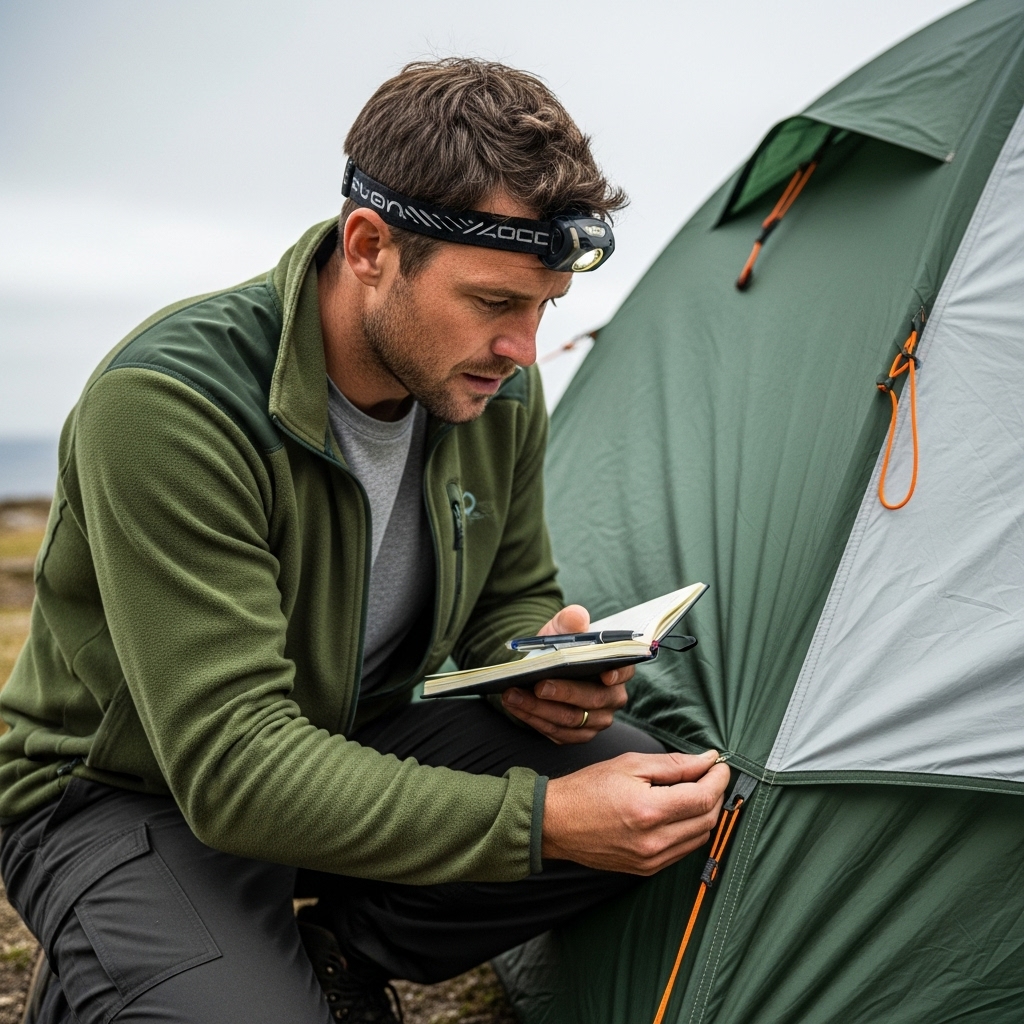

Selecting the Right Browning Camping Shelter
Stepping inside a campsite shelter only to realize that your head brushes against slanted fabric can quickly sour a weekend trip. Floor dimensions alone do not tell the whole story, especially when cots or bulky gear eat away at usable elbow room. Straight-wall cabin layouts and rugged dome structures make a noticeable difference in livability. If you are comparing models for the best browning outdoor tent, reviewing vertical clearance alongside rainfly coverage will give you a clearer picture of campsite comfort. You can also explore limited-edition camping tent designs to see how alternative cabin silhouettes handle interior gear storage.
Browning shelters emphasize heavy-duty construction, pairing durable fabrics like polyester oxford floors with sturdy hub-style pole systems or freestanding aluminum frames. For family getaways or hunting basecamps, models such as the Big Horn cabin series provide tall ceilings up to 7 feet, while Countryside and Glacier models cater to smaller groups wanting full-coverage rain protection. Packed weight is another key consideration, as large multi-room models can exceed 30 pounds and are best suited for vehicle-accessible campgrounds. Reviewing factory-sealed seams, vestibule depth, and pole materials ensures your shelter meets the demands of your itinerary.

Pros
- Straight cabin wall profile optimizes usable floor space right up to the edges
- Generous 87-inch peak height allows most adults to walk around without ducking
- Factory-sealed fly and floor eliminate the immediate need for aftermarket seam sealing
- Large windows and door awnings support airflow while offering shelter from passing rain
- Robust combination of 19 mm steel and 12.5 mm fiberglass poles provides rigid structural support
Cons
- At 34 pounds 11 ounces, the heavy packed weight restricts transport strictly to vehicle camping
- Manufacturer listing does not specify a maximum sleeper count, fabric denier, or waterproof millimeter rating
- Large 15-by-10-foot footprint requires a sizable, level campsite pad to pitch properly
The Browning Camping Big Horn Two-Room Tent is a heavy-duty, free-standing cabin shelter designed for campers who prioritize livability, vertical clearance, and organized space. With a base measuring 15 feet long by 10 feet wide, this tent provides 150 square feet of interior floor area under a peak ceiling height of 7 feet 3 inches. Rather than tapering inward aggressively like traditional dome models, the cabin architecture features nearly vertical walls. This layout makes it a practical option for families, hunting base camps, or groups looking to set up camping cots without sacrificing walkway space.
Usable space is further enhanced by an included fabric room divider that splits the interior footprint into two separate areas. This feature gives campers the flexibility to set up distinct sleeping quarters for parents and kids, create private changing rooms, or separate gear storage from bedding. While the listing designates this as a two-room tent, it does not state an official maximum sleeper capacity. Campers should evaluate their specific gear footprint, keeping in mind that cot frames, luggage, and large air mattresses will reduce open floor room.
The structural framework combines 19 mm steel vertical uprights with 12.5 mm fiberglass roof poles. Setup is anchored by a central hub design, allowing the frame to take shape while quick-attach clips snap the tent body directly onto the poles. Because it is a free-standing structure, the basic cabin frame can stand independently on flat surfaces before guy lines and stakes are secured. Large entry doors allow easy passage in and out of the shelter, and integrated awnings over the doors help shield the openings against direct rain run-off.
Transport and site logistics reflect the tent's substantial build. With a total weight of 34 pounds 11 ounces and packed dimensions of 2 feet 4 inches long by 11.5 inches wide and high, this shelter is explicitly suited for drive-up car camping. Hauling it across long trail distances is not practical. When pitching at a campground, campers will need to confirm that designated tent pads can accommodate a full 15-by-10-foot base. As with any large camping shelter, thoroughly drying the floor and rainfly before packing it away in storage is critical to avoid moisture-related odor and fabric degradation.
In terms of weather design, the Big Horn includes a factory-sealed rainfly and a factory-sealed floor intended to resist water penetration without requiring manual seam treatments before the first trip. Large windows facilitate cross-ventilation to help manage natural condensation buildup inside such a large interior. However, prospective buyers should recognize that specific fabric denier, fabric coatings, and waterproof millimeter ratings are not published in the manufacturer specifications, meaning severe wind and driving rain limits are not officially established.
For campers planning extended campground stays, family vacations, or fall hunting trips where vehicle access is standard, the Browning Big Horn offers an expansive, cot-friendly layout that feels more like a portable cabin than a cramped shelter. Buyers shopping against lighter dome alternatives should weigh the convenience of full standing height and multi-room privacy against the trade-off of a 34.7-pound carry weight and a large required footprint.
With an interior footprint of 180 inches by 120 inches (15 feet by 10 feet), the Big Horn supplies 150 square feet of total floor coverage. The straight-wall cabin layout prevents the ceiling from sloping inward abruptly, which maximizes shoulder room and allows campers to place high-profile cots flush against the walls.
The center peak stands at 7 feet 3 inches (87 inches), offering ample vertical clearance for tall adults to walk upright comfortably. An included fabric room divider can be deployed down the center to partition the interior into two distinct spaces, allowing campers to customize privacy and gear management based on group dynamics.
The tent utilizes a free-standing frame engineered around a dedicated hub system. The skeleton pairs rigid 19 mm steel poles for the vertical uprights with flexible 12.5 mm fiberglass sections across the roof line, balancing vertical support with roof tension.
Assembly relies on external pole clips that snap quickly onto the framework, avoiding the need to thread poles through long fabric sleeves. While the free-standing framework stands on its own, properly staking the base and guying out the structure remains essential for overall stability in outdoor conditions.
Protection from wet weather starts with a factory-sealed rainfly and floor, providing sealed seams straight out of the package. Integrated awnings positioned directly over the large doors help keep falling rain from dripping into the living space during entry and exit.
Multiple large windows provide cross-ventilation, which helps circulate air and regulate internal humidity when the shelter is fully occupied. Because detailed waterproof millimeter ratings and wind-speed thresholds are not specified in the listing, setting up in sheltered site locations during inclement weather remains sensible practice.

Pros
- Upright 7-foot peak height and vertical cabin walls make standing and walking inside comfortable.
- Documented room for cots allows campers to elevate sleeping arrangements off the tent floor.
- Sturdy hybrid frame combines 19mm steel upright poles with 11mm fiberglass roof components.
- Factory-sealed seams on both the rainfly and floor eliminate the need for immediate user seam sealing.
- Door and rear window awnings offer sheltered ventilation even when wet weather sets in.
Cons
- A total weight of 21 pounds restricts practical use to car camping or drive-up sites where carrying distance is minimal.
- Specific fabric materials, fabric denier, and numerical waterproof ratings are not specified in the manufacturer listing.
- The five-person stated capacity represents maximum occupancy rather than spacious accommodations with large amounts of luggage.
The Browning Camping Big Horn 5 is a freestanding cabin tent engineered primarily for car camping, family outings, and basecamp setups where interior volume is a priority. With its vertical wall profile and towering center clearance, this shelter is designed to eliminate the cramped feeling common in low-slung dome shelters. Campers who prefer to stand comfortably while dressing or who prefer using camping cots over ground pads will find the overall cabin geometry well aligned with their expectations.
In terms of practical layout, the Big Horn 5 provides an 80-square-foot floor plan measuring 10 feet in length by 8 feet in width, paired with a peak center height of 7 feet (84 inches). The manufacturer lists the capacity at five people, which describes the maximum number of occupants sleeping side by side on traditional ground pads. For practical camping comfort, groups should keep in mind that usable space varies based on gear storage, mattress choices, and whether cots are installed. The nearly vertical sidewalls allow cots to sit closer to the tent perimeter without pressing fabric against the occupants, significantly improving walk-around space compared to angled dome walls.
Structural support relies on a hybrid pole architecture combining 11mm fiberglass roof sections with sturdy 19mm steel upright legs. A central hub mechanism and quick-attach clips secure the tent body to the frame, simplifying the pitch compared to traditional pole-sleeve cabin systems. Weather protection comes via a factory-sealed rainfly and a factory-sealed floor, designed to resist ground moisture and overhead rain. For airflow and accessibility, the tent incorporates a large main entryway alongside generous windows, complemented by built-in awnings over the front door and rear window that help shield openings from direct precipitation.
At a total weight of 21 pounds and with packed dimensions of 2 feet 4 inches long by 8.5 inches wide and 8.5 inches high, this tent is unequivocally built for motorized transport. It fits neatly into a vehicle trunk or truck bed for campground arrivals, but the steel frame components and overall bulk make it unsuited for foot travel or backpacking. Setting up at an established campground is straightforward due to the freestanding design, though staking down the base and properly guying out the rainfly remains essential for overall stability in breezy conditions. Before packing away, thoroughly drying the tent body and sealed fly prevents moisture accumulation during long-term storage.
While the Big Horn 5 offers outstanding headroom and thoughtful awning coverage, buyers should evaluate several trade-offs and undocumented specifications. The product data highlights factory-sealed seams on the fly and floor, yet it does not specify the exact fabric denier, base textile type, or numerical waterproof hydrostatic head rating. Furthermore, the sheer height and broad vertical sides naturally catch more wind than a streamlined aerodynamic shelter, meaning it is better suited for sheltered campground environments than exposed mountain ridges or severe gale-force weather.
For car campers, small families, or couples seeking an open, stand-up shelter that comfortably accommodates camp cots, the Browning Big Horn 5 represents a functional, spacious choice. When comparing this model with alternative five- or six-person camping shelters, buyers should weigh its robust steel upright poles, integrated window awnings, and true seven-foot ceiling against its 21-pound weight and the specific layout requirements of their camping party.
The Browning Big Horn 5 provides an 80-square-foot footprint based on its 10-foot by 8-foot base dimensions. With an exceptional 7-foot (84-inch) peak height, nearly every adult can stand upright throughout the central area of the tent.
Unlike sloped dome tents, the straight-wall cabin layout keeps headroom consistent toward the edges. This structural design allows campers to place standard camping cots right against the walls without losing interior walking area. While the manufacturer lists the maximum sleeping capacity at five people, practical comfort depends heavily on whether you choose compact ground pads, large air beds, or cots, along with the amount of luggage kept inside.
The shelter utilizes a freestanding cabin framework that combines 19mm vertical steel poles with 11mm fiberglass roof poles. This hybrid setup utilizes steel for rigid vertical support and fiberglass for roof flexibility.
Assembly is streamlined by a unique hub design paired with durable clips that snap directly onto the frame. This clip system avoids the frustration of threading long poles through snagging fabric sleeves, facilitating quicker setup and pack-down at the campsite. While the tent can stand on its own once assembled, anchoring the frame securely to the ground ensures stability against shifting winds.
The Big Horn 5 comes equipped with a factory-sealed rainfly and a factory-sealed floor, shielding structural seams against water intrusion. The protective rainfly covers the roof while leaving side panels open for natural light and ventilation through large windows.
A notable feature is the inclusion of integrated awnings over the primary doorway and the back window. These awnings provide overhead coverage that allows campers to leave window panels partially unzipped for cross-ventilation during light rain without allowing water to drip straight into the interior.

Pros
- Generous 72-inch peak height and upright wall profile allow campers to sit, stand, and place cots without crowding the interior fabric.
- Heavy-duty 210D polyester oxford floor with 2000mm coating offers superior abrasion resistance compared to standard lightweight tent floors.
- Two large doors and dual vestibules allow independent access and gear organization without climbing over gear or sleeping partners.
- Upgraded hardware package includes durable aluminum poles, 7075 aluminum stakes, and smooth-gliding oversized #10 zippers.
- Factory-taped floor and rainfly seams eliminate the need for immediate aftermarket seam sealing out of the box.
Cons
- Packed weight and packed dimensions are not specified in the manufacturer data, making transport bulk uncertain prior to purchase.
- A custom-fit ground footprint is not listed as included and must be purchased separately if extra floor protection is preferred.
- While designated as an all-season shelter, specific snow-load and sub-zero temperature ratings are not documented.
The Browning Camping Glacier 4-Person Tent is an all-season shelter created for outdoor enthusiasts who require dependable build quality across camping, hunting, and general outdoor trips. Built by Browning, this shelter is oriented toward family campers, hunting partners, and small groups who prioritize headroom and sturdy materials over lightweight minimalism. While the manufacturer labels this as an all-season tent, its structural design and feature set make it especially suitable for drive-up campsites, established trailheads, and rustic basecamps where durability matters.
Interior room is one of the standout features of this layout. The tent footprint measures 108 inches long by 96 inches wide, offering a generous base footprint alongside an impressive 72-inch center height. Because the tent incorporates straight sidewalls, the vertical clearance extends farther toward the edges of the shelter rather than sloping sharply inward. This vertical clearance allows campers to place standard camping cots against the walls without pressing against the inner fabric. While the manufacturer rates this model for four occupants, practical usable space will naturally vary depending on whether you sleep on cots, broad air mattresses, or slim ground pads. Interior organization is supported by built-in mesh storage pockets and an included overhead gear loft to keep small essentials off the floor.
Structural stability relies on a free-standing, two-pole aluminum pole frame designed to balance straightforward setup with structural integrity. The shelter includes two distinct entry doors, both fitted with zippered mesh windows that work alongside integrated mesh roof vents to promote airflow and nighttime stargazing. Both doorways lead into dedicated exterior vestibules that secure with heavy-duty, double-zippered closures and oversized #10 zippers. These vestibules create covered exterior storage zones, allowing muddy boots, hunting packs, and camp gear to remain protected from weather without taking up floor space inside the main living compartment.
Weather-oriented construction details reflect a focus on rugged, wet-weather protection. The tent floor is constructed from heavy 210D polyester oxford fabric finished with a 2000mm waterproof coating, offering robust abrasion resistance against rough ground. Overhead, the rainfly is made from 75D 185T polyester that resists UV degradation and maintains tension in damp conditions. Factory-sealed seams on both the fly and floor prevent water seepage along stitch lines. The rainfly buckles directly to the tent corners for adjustable tensioning, while extra guy-out points paired with included guy ropes and 7075 aluminum stakes provide anchoring options when camp breezes pick up.
When considering practical use and transportation, buyers should be aware that the manufacturer does not list the packed weight or packed dimensions in the product specifications. Given the heavy-duty 210D oxford floor, aluminum poles, and oversized zippers, this shelter is best suited for vehicle-based transport, truck camping, and car-camping sites rather than human-powered backpacking. Stated weather features and all-season designations describe listed materials rather than guaranteed performance in extreme winter blizzards or severe alpine winds. Proper care involves staking out the guy ropes securely, sweeping debris from the heavy oxford floor, and allowing all components to dry completely before long-term storage to preserve the factory-sealed seams.
For campers, hunters, and families seeking a sturdy four-person shelter with genuine stand-up center height, the Browning Glacier presents a very capable option. Its straight sidewall design, cot compatibility, durable aluminum hardware, and dual-vestibule layout offer tangible advantages over basic fiberglass dome tents. Prospective buyers should weigh its likely heavier pack weight against its roomy six-foot vertical clearance and heavy-duty floor when deciding if it matches their specific camping vehicle setup and campground destinations.
With floor dimensions of 108 inches by 96 inches and a peak center height of 72 inches, this tent provides 72 square feet of interior base space. The straight sidewall geometry maximizes usable volume, making it practical to walk inside comfortably and stand up straight in the center of the tent.
The straight-wall structure also enables the use of camping cots without occupant feet or head pressing into the inner wall fabric. Although rated for four campers, overall comfort depends on how much gear is brought inside; choosing wide cots or thick sleeping mats will reduce total occupant capacity. Built-in mesh organizer pockets and a detachable gear loft help maximize livable space by storing smaller personal essentials up off the floor.
Entry and exit are simplified by two wide doors situated on opposite sides of the shelter, preventing the frustration of climbing over other campers during late-night exits. Each door includes an independently zippered mesh window, providing flexibility between full privacy, storm protection, and open airflow.
Outside each door sits a large vestibule featuring double-zippered storm flaps and oversized #10 zippers engineered for smooth sliding and snag resistance. These covered vestibules serve as dedicated gear rooms for wet packs, mud-caked boots, and hunting equipment, protecting gear from rain while keeping the inner floor clean and dry.
The Browning Glacier utilizes durable materials designed to withstand abrasive ground conditions and unpredictable weather. The floor is made of thick 210D polyester oxford fabric coated for 2000mm hydrostatic water resistance, offering heavy-duty barrier protection against damp soil and friction.
The protective outer rainfly is crafted from 75D 185T polyester, treated to resist UV degradation and maintain tautness through changing moisture levels. Both the rainfly and floor feature factory-sealed seams, while structural support is provided by an aluminum two-pole frame, buckle-secured fly corners, guy lines, and rugged 7075 aluminum stakes.

Pros
- Dual doors eliminate the hassle of crawling over a partner during nighttime entries and exits
- Two exterior vestibules provide dedicated dry storage for footwear and equipment outside the sleeping area
- Full-coverage rainfly with a 1500mm waterproof coating helps shield the shelter from rain and sun damage
- Freestanding clip-based design simplifies pitching compared to threading poles through continuous fabric sleeves
- The 90-inch base length accommodates taller campers without crowding head or foot space
Cons
- A total weight of 7 pounds makes this tent heavy for long-distance backpacking trips
- Listing details do not include packed dimensions, carry bag specifications, or stake counts
- Utilizes fiberglass poles rather than lighter, more resilient aluminum alloy frame materials
The Browning Camping Countryside 2-Person Tent is a classic freestanding dome shelter engineered primarily for established campgrounds, weekend road trips, and car camping. Featuring a manufacturer-rated two-person capacity, this tent suits couples heading out for leisure trips or solo campers who prefer extra room for gear. Its Dark Jade and Coyote color palette provides an understated appearance that looks right at home among forested campsites and park grounds.
In terms of interior dimensions, the tent floor measures 7 feet 6 inches long by 5 feet wide (90 by 60 inches), supported by a peak center height of 46 inches. The 90-inch length is a noticeable advantage for taller campers, allowing ample space to stretch out without feet touching the end walls. However, the 60-inch width means two standard sleeping pads will lie side by side with little remaining floor space, making the dual exterior vestibules essential for storing packs and boots.
The tent framework relies on a freestanding two-pole configuration built from fiberglass poles. Setup is kept straightforward through the use of external pole clips that snap directly onto the frame, bypassing the snagging that often occurs with full-length pole sleeves. The layout includes two separate entry doors and two vestibules formed by the full-coverage rainfly. Having dedicated doors on both sides allows occupants to exit independently without disturbing each other.
Weighing in at 7 pounds, the Countryside tent is convenient to toss in a vehicle trunk or carry short distances to a walk-in campsite. While a pair of campers could technically split the load for a short overnight hike, seven pounds is relatively heavy compared to dedicated ultralight backpacking models. The listing does not specify packed dimensions or carry sack features, so buyers with strict storage space limitations should note that folded pack volume is not documented.
Shoppers should consider a few structural trade-offs and missing listing specifications. Fiberglass poles provide solid utility but are heavier and more prone to splitting under extreme stress than aluminum poles. In addition, the product specifications do not state the fabric denier, specific floor material, mesh panel locations, or whether stakes and guylines are supplied in the box. The rainfly includes a 1500mm coating and UV protection, though overall weather resistance will naturally depend on proper site selection and taut pitching.
For campers seeking an accessible, easy-to-pitch two-person tent with the genuine utility of two doors and twin vestibules, the Browning Countryside delivers a practical layout for vehicle-supported outings. Those seeking an ultralight setup for rugged backcountry trails will want to compare this shelter with lighter aluminum options. For relaxed campground weekends, its clip-on frame, full rainfly coverage, and dual-entry convenience offer dependable functionality.
The Browning Camping Countryside tent incorporates two doors situated on opposing sides of the shelter. This design allows each camper their own dedicated entryway, removing the need to climb over a sleeping partner during midnight excursions or early morning wakeups.
Working alongside the dual doors are two integrated vestibules created by the full-coverage rainfly. These vestibules extend the sheltered footprint outward, offering protected space to leave damp boots, muddy shoes, and bulky packs outside the main cabin while keeping them covered against rain.
Pitching this tent utilizes a freestanding two-pole geometry that allows the inner shelter to stand on its own before staking. This makes it easy for campers to pitch the body and shift the tent position across flat ground to find optimal campsite alignment.
Assembly is streamlined by quick-attach pole clips rather than fabric pole sleeves. Once the fiberglass poles are crossed and seated in the corner grommets, the tent body clips directly to the poles in seconds. Staking out the vestibules completes the setup, ensuring full rain protection and exterior storage access.
Weather-oriented protection is centered around a full-coverage rainfly equipped with a 1500mm coating. This protective layer is formulated to shed rain effectively while defending the underlying shelter fabrics from long-term UV sun degradation.
Because the fly covers the entire perimeter of the tent down toward the ground, it shields inner seams and openings from blowing rain. As with any outdoor shelter, actual weather performance remains dependent on choosing a well-drained campsite and securing all corners and guylines properly.

Frequently Asked Questions
How do straight sidewalls improve space in a Browning cabin tent?
Straight sidewalls maximize usable headroom and floor space across the entire shelter footprint. Traditional dome tents slope inward rapidly, which restricts movement and prevents campers from placing tall cots near walls. With upright steel and fiberglass poles, shelters like the Big Horn 5 allow adult campers to stand upright comfortably, providing true 7-foot vertical clearance.
Can the Browning Glacier 4-Person Tent handle cold and windy weather?
Yes, the Glacier model features an all-season structure with sturdy aluminum poles and full-coverage rain protection. Its 210D polyester oxford floor features a 2000mm waterproof coating to resist ground moisture, while the 75D polyester fly shields against wind and rain. Extra guy-out points on the fly help anchor the tent during gusty conditions.
Are Browning camping tents suitable for backpacking?
Most Browning models are designed primarily for vehicle camping rather than backcountry backpacking. Compact options like the Countryside 2-Person tent weigh around 7 pounds, while cabin models weigh between 21 and 39 pounds. Backpackers typically need shelters under 5 pounds, making these durable models best suited for drive-up campgrounds and basecamps.
How does ventilation perform inside large Browning family tents?
Browning family tents provide reliable airflow through oversized mesh windows, roof vents, and large doors. Factory-sealed rainflies keep out rain while allowing rising warm air to vent, reducing overnight condensation. In warm summer conditions, pairing these mesh panels with rechargeable camping fans helps circulate air across large living spaces.
What features matter most when selecting the Best Browning Outdoor Tent for 2026?
Consider your group size, vehicle space, and expected weather conditions. Cabin designs with steel uprights provide generous standing room and cot space for relaxed car camping trips. For wet or windy conditions, selecting a shelter with full rainfly coverage, sealed seams, and sturdy stakes ensures reliable protection. Reviewing versatile options like mountain canopy tent styles can also help you determine the right balance of living space and weather shelter.


Write Your Review
No reviews yet. Be the first to share your experience!