
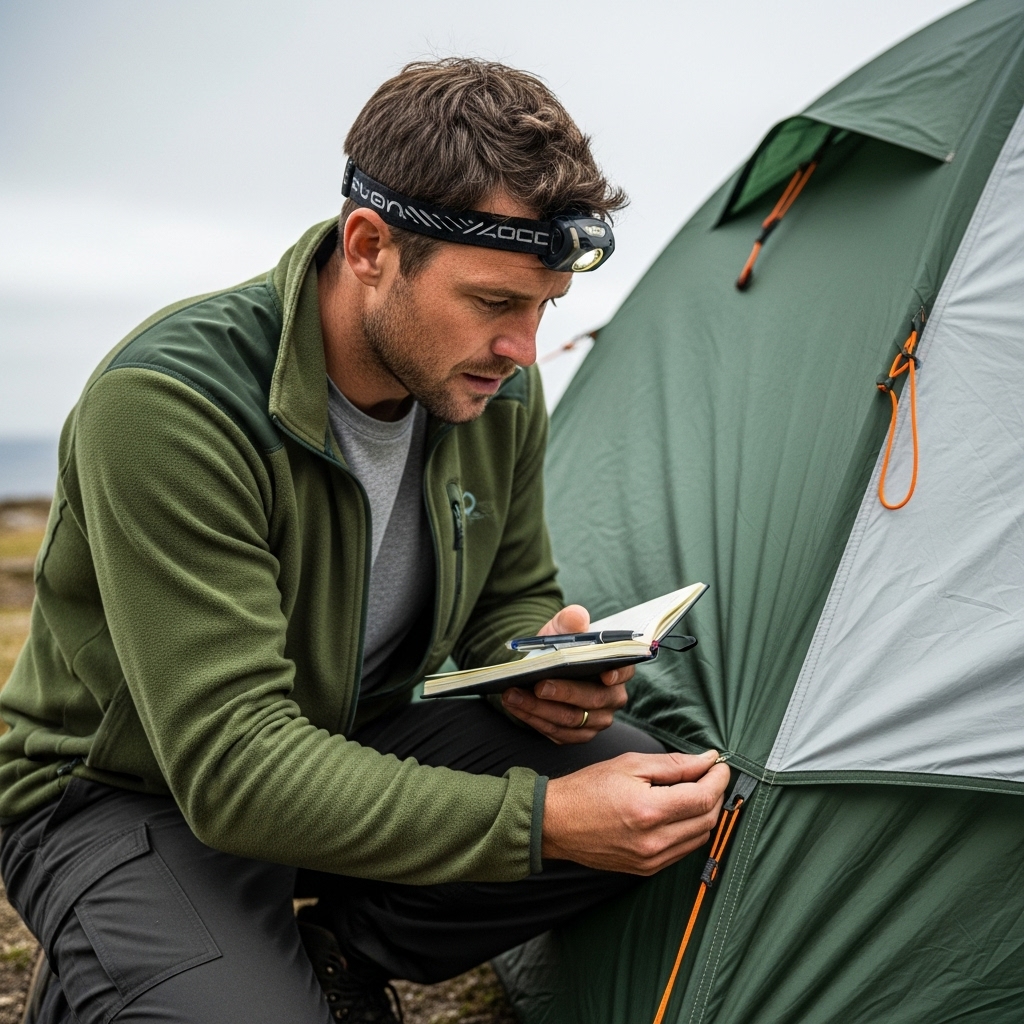

Securing Your Shelter with High-Visibility Tent Anchors
Tripping over taut guylines around a pitch after dusk is a common hassle on any campsite. Campers often seek out the best stakes tent with indicator light or illuminated anchor options to highlight guyline perimeters and avoid midnight stumbles. While active battery-powered lights add bulk to a pack, high-visibility hardware with reflective cords can provide an effective visual marker whenever a headlamp beam sweeps across the campsite. Setting up a reliable shelter, whether anchoring a family cabin tent or staking down a canopy tent for easy setup, demands ground stakes that balance strong holding tension with clear nighttime awareness.
Selecting the right anchors comes down to your shelter layout, terrain hardness, and carry weight limits. Lightweight Y-beam aluminum stakes grip standard turf and forest soil firmly without dragging down pack weight on the trail. Options featuring reflective pull loops act as passive light indicators under flashlights, giving you clear visibility without relying on fragile electronics. Matching dependable soil grip with low-light visibility keeps your tent taut through changing evening winds while keeping perimeter pathways easy to spot.

Pros
- Ultralight weight at under half an ounce per stake suits weight-conscious backpacking and trekking setups
- Y-beam geometry offers superior holding power in standard dirt and grass compared to basic round wire stakes
- Reflective cords enhance nighttime campsite visibility and offer a practical grip for quick extraction
- High-visibility red anodized aluminum resists corrosion while reducing the risk of left-behind gear
- Includes 12 stakes and a compact storage bag, sufficient to secure most standard tents and guy lines
Cons
- Aluminum construction is susceptible to bending if struck sideways or forced into heavily rocky soil
- Holding power is limited in loose sand or deep snow, which require specialized wide-profile anchors
The Keovoker 12-Pack Tent Stakes are lightweight replacement ground pegs designed for securing camping tents, rain tarps, hammocks, and sun canopies. These accessories cater to backpackers, hikers, and car campers who need reliable ground anchors without adding excessive bulk or weight to their packs. Because factory-supplied tent stakes are often heavy steel or easily bent wire, an aftermarket set of aluminum pegs offers a practical alternative for everyday campsite pitching.
In terms of weight and dimensions, each stake measures 7 inches in length with a profile of 0.47 by 0.1 inches. Weighing approximately 12 to 13 grams (0.46 ounces) per peg, the full set of 12 stakes adds roughly 0.34 pounds to a loadout. This low weight makes them particularly appealing for backpackers managing trail weight, while providing enough length to achieve solid purchase in standard campsite turf and dirt.
The pegs utilize an extruded Y-shaped design that increases surface contact within the dirt, allowing them to resist pulling forces from wind-loaded tent guy lines. Made from aluminum with an anodized red finish, the stakes resist rust while remaining clearly visible against soil, leaves, and grass. Each stake is equipped with a reflective pull cord attached to the head, making the pegs easier to spot at dusk to avoid tripping, while also providing a practical grip point for hands or stake extractors during strike-down.
Pitching and strike-down require proper technique to protect the aluminum structure. The manufacturer advises driving the pegs straight into the ground using a mallet or firm pressure from the palm of your hand. Striking the stakes at an angle or hitting them sideways can deform or bend the metal, especially if you encounter hidden rocks or dense clay. Once camp is broken, all 12 stakes fit into the included storage bag, keeping sharp tips contained and preventing damage to tent fabrics or backpacks.
Buyers should be aware of clear terrain limitations. While these 7-inch Y-pegs perform well in standard forest loam, packed soil, and grass, they do not provide specialized holding power in loose beach sand or packed snow. Similarly, pitching in heavily rocky ground requires caution, as forceful pounding against subterranean stones can bend aluminum. Campers visiting beaches or alpine scree fields will need purpose-built sand anchors or hardened titanium or steel spikes instead.
For general three-season camping, weekend shelter pitching, and ultralight backpacking, the Keovoker stake pack represents a dependable, functional upgrade. Shoppers should assess the typical soil conditions of their favorite campsites and verify how many guy-out points their shelter requires before purchasing, ensuring a 12-pack covers both primary corners and auxiliary vestibule lines.
Driving these aluminum stakes effectively requires straight downward force. The manufacturer recommends pressing the stake firmly using the palm of your hand or tapping it lightly with a camping mallet. Angled hits or off-center strikes should be avoided, as aluminum can bend under lateral impact when encountering hard subsurface resistance.
Take-down is made easier by the integrated pull cords. Tugging on the cords allows campers to work the stakes out of firm ground without needing specialized tools or damaging the stake heads. Storing them directly in the included carry pouch protects tent fabrics and sleeping bags from dirt and sharp pointed tips.
Constructed from lightweight aluminum, each peg is treated with an anodized red coating that prevents oxidation and rust from ground moisture. The anodization also provides a bright contrast against soil and grass, helping prevent misplaced pegs during packing.
The structural strength comes from the three-sided Y-beam profile. This geometry maximizes ground resistance along multiple axes compared to simple round wire pegs, offering improved hold in regular soil while maintaining a light weight of under half an ounce per piece.
The package includes 12 identical 7-inch red aluminum ground stakes, each pre-strung with a reflective nylon pull cord.
A dedicated storage carry bag is also provided, allowing campers to keep the entire set organized and separated from delicate tent bodies, tarps, or sleeping gear.
Frequently Asked Questions
What is the difference between active indicator light stakes and reflective stakes?
Active indicator light stakes rely on built-in LEDs and small batteries to glow continuously, whereas reflective stakes use high-visibility pull cords that bounce light back from flashlights and headlamps. Reflective pegs avoid the added pack weight and failure risks associated with drained batteries in wet weather. They serve as reliable passive markers around guylines while keeping gear maintenance minimal.
Can you use aluminum Y-stakes in rocky ground or loose sand?
Aluminum Y-stakes hold securely in standard dirt, loam, and grass, but they can bend if driven forcefully into dense rock. In loose sand, standard seven-inch stakes lack the surface area needed for adequate grip, making specialized wider sand pegs or anchors like those on a beach tent a better choice. When pitching on rocky ground, tap pegs straight down gently with a mallet rather than striking them at steep sideways angles.
How do reflective pull cords help when identifying stakes at night?
Reflective pull cords incorporate retroreflective threading that catches ambient light and directs beam reflections back to your eyes from a flashlight or headlamp. This design turns each anchor point into a visible perimeter marker after sundown. The cord loops also provide an accessible grab point for hands or tent peg pullers during morning pack-up.
What makes lightweight aluminum pegs worth buying for backpacking shelters in 2026?
Lightweight aluminum pegs deliver a practical balance of structural strength, corrosion resistance, and minimal pack weight. Stakes weighing under half an ounce each keep total shelter carry weight manageable across long trail miles. When shopping for the best stakes tent with indicator light in 2026, anodized aluminum builds prevent rust from extended contact with damp soil.
How deep should you drive tent stakes for optimal stability?
Most three-season tent stakes should be driven almost flush with the ground at a slight angle facing away from the shelter. Leaving several inches of stake exposed increases mechanical leverage, which can bend the aluminum or allow sudden gusts to yank the peg out. Keeping the stake low to the surface also reduces snag hazards around tent doors and guyout zones.


Write Your Review
No reviews yet. Be the first to share your experience!