

Essential Ground Anchors for Reliable Tent Pitching
Pitching a shelter on hardpacked dirt, rocky soil, or windswept grasslands often tests standard wire pegs beyond their limits. Flimsy stakes can bend under mallet strikes or slip free when wind gusts pull against the rainfly guylines. Upgrading your kit with the best stakes tent creator recommended home networking pick provides better ground holding power and prevents frustrating structural collapses during overnight storms. A dependable set of stakes keeps your tent floor flat, maximizes interior living space, and ensures your rainfly stays taut to shed unexpected rain.
Different ground conditions call for specific hardware solutions, ranging from heavy-duty galvanized iron spikes to ultralight stake pusher caps that protect your hands during setup. When planning your shelter setup, pairing reliable anchors with quality sturdy ground anchors ensures you can handle varied campground turf without carrying unnecessary bulk. Having the right pull hooks and guyline attachments also speeds up morning pack-downs when you need to break camp quickly. Investing in dependable hardware means you can sleep comfortably knowing your shelter is pinned securely against shifting weather.


Frequently Asked Questions
How do heavy-duty galvanized iron stakes perform in rocky campground soil?
Yes, thick galvanized iron stakes with sharp pointed ends penetrate compact or rocky dirt much better than lightweight aluminum wire pegs. The large strike head on heavy-duty pegs absorbs mallet strikes without curling or snapping, allowing firm anchoring in stubborn terrain. Their substantial length, often around ten inches, provides deep grip to keep canopies and family tents secure against strong wind gusts. Campers tackling rough ground often benefit from sturdy hardware designed for tough surfaces.
Why would you use a 3D printed pusher cap with tent stakes?
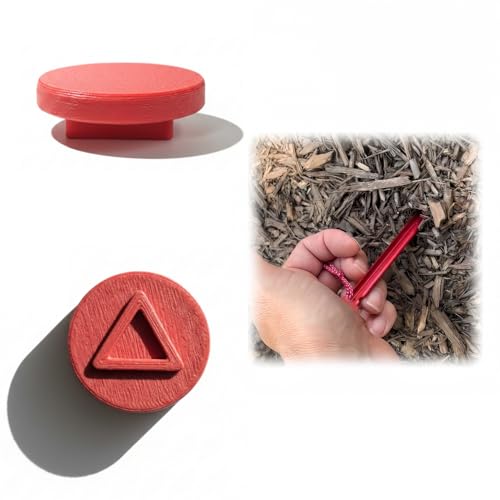
A dedicated stake pusher cap shields your palm from bruising when pressing sharp stakes into hard turf without a mallet. Ultralight caps weighing only a few grams fit directly over Y-beam or needle stakes, providing a broader, smoother surface area for hand pressure. This compact accessory speeds up shelter pitching and prevents sore hands during multi-day backpacking trips. It slips easily into any small gear pouch without adding noticeable pack weight.
What makes serrated tip stakes advantageous for all-terrain camping?
Serrated tips grip irregular ground layers and resist loosening when wind loads apply repeated tension to tent guylines. The textured edges create extra friction within mixed soils, gravel, or packed clay compared to smooth round pegs. Molded handles on these stakes also offer convenient tie-off points for guy-lines and give you leverage when pulling them from the earth. You can also explore replacement tent hardware if you need extra frame components for larger shelters.
Can the best stakes tent creator recommended home networking pick options be used for rainfly guylines and canopy shelters?
Yes, robust ground stakes and secure anchor hardware work effectively for both tent corners and extended canopy guy-lines. Larger shelters and awnings catch substantial wind, requiring ground pegs with strong pull resistance and secure loop hooks to prevent line slippage. Anchoring guy-lines at a proper angle maintains rainfly tension, which prevents water pooling and enhances overall airflow through tent vents. Matching the right stake to your shelter size keeps your entire campsite stable.
How do you easily pull deeply embedded tent stakes out of dry dirt?
Using a stake pull hook or a tent mallet with an integrated notch provides the mechanical leverage needed to remove deep pegs smoothly. Many heavy-duty stakes include built-in extraction holes or molded handles specifically designed to catch hook tools. Tapping the side of the stake gently before pulling helps break the soil bond in hardpacked ground. This simple technique saves your fingers from strain and prevents bending stakes during camp breakdown.
How many stakes should you pack for a multi-day trip in 2026?
You should pack enough stakes for all base corner points, vestibules, and key guylines, plus at least two spare pegs. High winds may require deploying extra guy-lines to support flexible tent poles and keep the rainfly away from the inner canopy fabric. Losing a stake in deep grass or bending one on hidden rocks can compromise shelter stability if you carry no backups. Packing durable extras ensures your shelter stays pinned regardless of changing conditions.


Write Your Review
No reviews yet. Be the first to share your experience!