
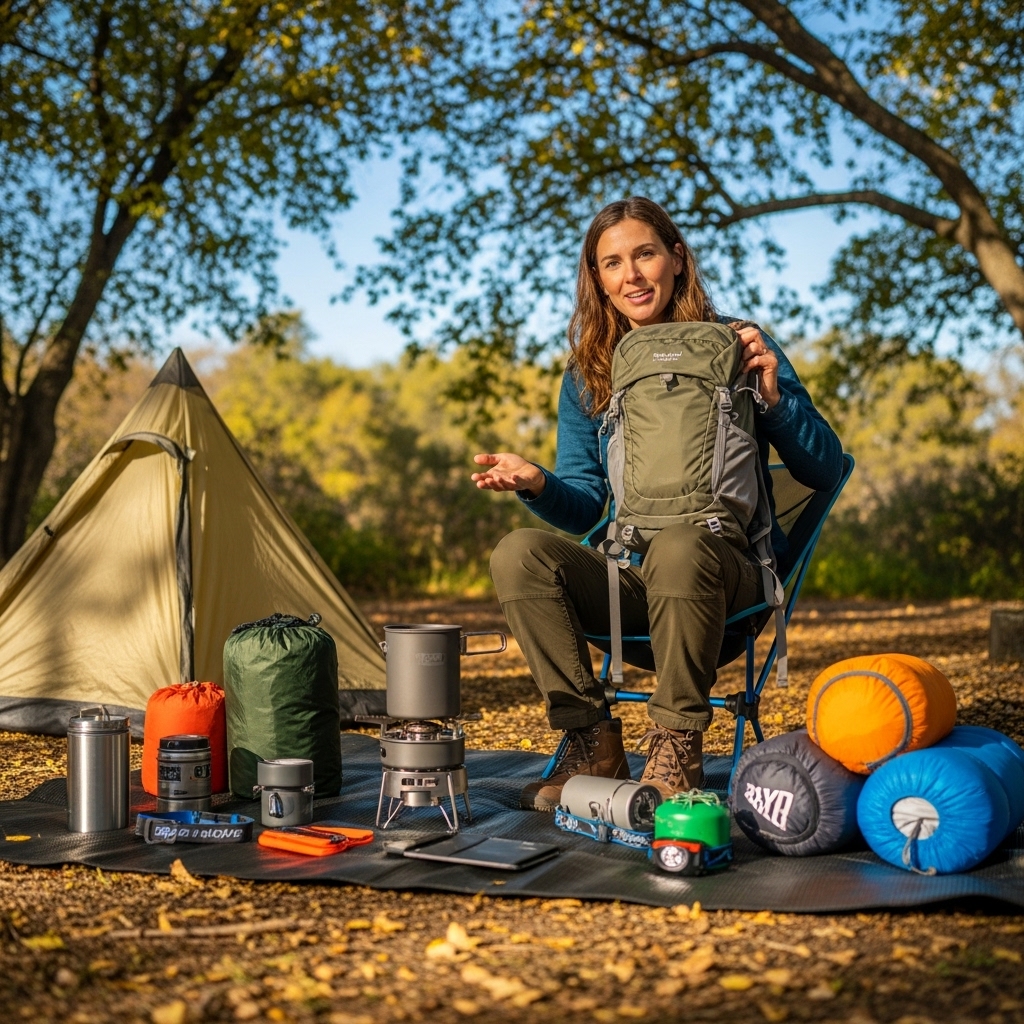

Managing group hydration at an outdoor campsite often brings immediate challenges, especially when family members burn through gallons of water daily for drinking, meal prep, and basic washing. Relying solely on single-serve straw units can quickly become frustrating if you need to fill multiple bottles or cook a large pot of chili after a long hike. Comparing flow rates, physical filter media, and maintenance routines helps you identify the best camping water filters for family adventures before heading into remote areas. Pairing a high-capacity filtration setup with a best water storage container for emergencies ensures your camp kitchen stays productive without constant trips to natural water sources.
Different camping styles demand specific water-treatment designs, ranging from inline hose filters for vehicle hookups to ultralight hollow-fiber systems and chemical purification tablets. Inline systems like 20-micron sediment and carbon cartridges excel at campground spigots by reducing chlorine and silt, but they cannot replace a dedicated 0.1-micron trail filter when gathering raw water from streams. Evaluating micron ratings alongside practical gravity or squeeze setups provides dependable safety against bacteria and cysts. Based on manufacturer specifications and practical field requirements, selecting balanced camping equipment keeps group outings safe, hydrated, and enjoyable.

Pros
- GAC and KDF media work together to reduce chlorine and keep stored filters fresher between camping trips
- Includes a flexible hose protector that prevents awkward hose kinks at crowded campground pedestals
- Maintains high water flow rate for speedy tank fills and consistent camp sink pressure
- Independently tested and certified lead-free to strict NSF standards for peace of mind
- Made in the USA with sturdy, UV-resistant exterior plastic housing
Cons
- Not rated for untreated backcountry wilderness water sources containing giardia, cryptosporidium, or raw organic matter
- Requires periodic replacement each camping season to maintain optimal flow and filtration efficiency
- Adds physical length to the campground spigot setup, which may require careful positioning on low-clearance hookups
The Camco Tastepure RV Inline Water Filter (40043) is an external inline filtration system engineered to purify potable water before it reaches an RV holding tank, camp kitchen, or drinking water container. Featuring an integrated 20-micron sediment barrier, Granular Activated Carbon (GAC), and Kinetic Degradation Fluxion (KDF) filtration media, this inline cartridge targets the most common water quality issues found at public campgrounds, state parks, and RV resorts. It is tailored for RV campers, travel trailer owners, overlanders, family campers, and tailgaters who need reliable access to clean, palatable water wherever a standard hose bib is available.
Campground water supplies often carry noticeable chlorine tastes, sulfur smells, sediment, or mineral cloudiness that can spoil your morning coffee and leave residue in camp cookware. Based on product specifications, the Camco Tastepure utilizes a 6-step Hex-Flow filtration process that efficiently reduces foul tastes, odors, and chlorine. The internal 20-micron sediment filter stops rust flakes, sand, and fine silt from entering RV plumbing lines or clogging camp sink aerators. Meanwhile, the wide-body canister design keeps water moving smoothly, preventing frustrating pressure drops when filling large 30-gallon freshwater tanks or running outdoor showers.
Durability and safety are standout aspects of this filtration unit. Made in the USA, the housing is constructed from robust, lead-free plastic and is independently certified to NSF/ANSI 42, 53, and 372 standards. A practical feature included in the package is the reinforced flexible hose protector. Attaching this spring-wrapped extension to the campsite spigot prevents tight hose bends, stops kink-induced flow restrictions, and relieves mechanical strain on the faucet threads, ensuring reliable operation throughout windy weekends and extended stays.
Setting up and maintaining the filter is straightforward. Campers simply attach the flexible protector to the campground spigot, thread the Tastepure filter in the direction of the water flow arrow, and attach a drinking-water-safe hose to the output end. Flushing the unit for thirty seconds clears any loose carbon dust before connecting it to your vehicle or hydration jug. Between camping trips, the integrated KDF media helps inhibit bacteria and mold growth inside the damp cartridge, making storage in a camp tote or RV pass-through compartment worry-free.
While this inline filter excels at treating municipal and regulated campground water, it is not designed to filter raw, unchlorinated backcountry water from mountain streams, lakes, or stagnant puddles that may contain dangerous microbiological cysts or viruses. Backpackers and primitive wilderness campers will still require a dedicated microfilter or chemical purifier. For weekend warriors, seasonal RVers, road-trippers, and car campers hooking up to park utilities, the Camco Tastepure provides an affordable, highly effective way to guarantee fresh, odor-free drinking water at every campsite.
Installing the Camco Tastepure RV Inline Filter takes less than two minutes at any standard outdoor water hookup. Begin by screwing the flexible hose protector onto the campground faucet to prevent hose pinching and kinking. Attach the intake side of the filter cartridge to the protector, pointing the directional flow arrow toward your RV or water vessel. Before connecting your clean drinking hose to the outlet, run the water for approximately 30 to 60 seconds until the stream runs crystal clear, which purges excess loose carbon fines from the manufacturing process.
For optimal care between camping excursions, shake out excess standing water from the filter body and allow it to drain thoroughly. Replace the threaded end caps when storing the filter in an RV storage bay, gear tote, or garage to keep dirt, insects, and grit from entering the intake and outlet ports. Replace the filter at the start of every new camping season or whenever you notice a significant drop in flow rate or taste quality.

Pros
- Weighs only two ounces, making it an ideal choice for ultralight backpacking and compact survival kits
- Impressive 4,000-liter filtration lifespan delivers years of safe drinking water without extra moving parts
- Straightforward operation requires no pumping, chemical wait time, or battery power
- Rigorous 0.2-micron filtration effectively blocks bacteria, protozoan cysts, microplastics, and silt
Cons
- Requires sipping directly from the water source or a cup rather than filtering directly into storage bladders
- Does not eliminate viruses, heavy metals, or agricultural chemicals found in heavily polluted runoff
- Filtering large volumes of water for camp cooking or group hydration can be tedious
The LifeStraw Personal Water Filter is a compact, point-of-use hollow fiber membrane filter engineered for on-the-go hydration during wilderness treks and emergency situations. Designed as an ultralight survival tool, it allows outdoors enthusiasts to drink directly from natural freshwater sources without relying on chemical purification tablets or cumbersome mechanical pumps. This filter caters directly to backpackers, day hikers, trail runners, hunters, scouts, solo adventurers, and emergency preppers assembling bug-out bags.
Filtration performance is centered around a 0.2-micron microfiltration membrane capable of removing 99.999999% of waterborne bacteria, including E. coli and Salmonella, as well as 99.999% of waterborne protozoan parasites such as Giardia lamblia and Cryptosporidium. In practical camping scenarios, such as filling up along an alpine stream or drinking from a backcountry lake, the filter purifies water instantly with a steady flow rate. It also filters out fine sediment and environmental microplastics, significantly improving water clarity without introducing any chemical aftertaste.
Weighing only around two ounces and measuring approximately nine inches in length, the unit delivers high portability. The durable, BPA-free plastic housing withstands being tossed into a packed rucksack, stashed inside a vehicle console, or clipped to a chest harness. Both ends are equipped with protective caps to keep trail dirt and debris away from the mouthpiece and intake zone during rugged hikes through brush or rocky terrain.
Operation and ongoing care remain straightforward. To drink, users simply uncap both ends, place the base into a water source, allow the membrane to saturate for a few seconds, and sip through the top mouthpiece. Clearing the filter requires blowing a quick puff of air back through the straw after drinking, which purges residual moisture and prevents particulate buildup. Because the unit contains no moving parts or batteries, it requires virtually zero mechanical troubleshooting in the field.
A realistic limitation of this straw-style filter is that it is primarily intended for individual, immediate consumption. Gathering gallons of water for camp kitchen cooking, large-scale family hydration, or refilling narrow hydration reservoirs requires transferring water into an intermediate wide-mouth container first. Additionally, like most standard backcountry microfilters, it does not remove viruses or dissolved chemical contaminants, making it best suited for natural wilderness waters rather than heavily industrialized runoff.
For weekend backpackers, trail hikers, overland travelers, and budget-conscious campers seeking peace of mind in the outdoors, the LifeStraw Personal Water Filter represents an exceptional value. Its combination of near-zero pack weight, massive 4,000-liter operational lifespan, and proven microbiological protection makes it a core staple for any outdoor gear loadout or home emergency kit.
For ounce-counting backpackers and thru-hikers, minimizing pack weight is essential. Weighing roughly 2 ounces, the LifeStraw adds virtually no penalty to your base weight while eliminating the need to carry heavy liters of pre-filtered water on trails with frequent water sources.
Its slim profile slips easily into backpack side pockets, hip belt pouches, or running vests. During quick trail stops, hikers can hydrate directly from passing streams in seconds without taking off their packs or assembling multi-piece pump systems.
Maintaining the LifeStraw requires minimal effort on the trail. After each drinking session, simply blow air back through the mouthpiece to clear trapped water and silt from the membrane fibers before snapping the protective caps back into place.
When storing the filter between camping seasons, rinse it thoroughly with clean water, allow it to air dry, and keep it in a cool, dry location. In sub-freezing temperatures, keep wet filters inside a jacket pocket or sleeping bag, as freezing water can damage the internal microfiltration membrane.

Pros
- Featherlight two-ounce weight makes it effortless to carry on any wilderness hike or trail run
- Exceptional 4,000-liter filtration lifespan offers outstanding longevity for solo travel
- Instant straw design eliminates the need for tedious pumping, squeeze bags, or chemical wait times
- Proven physical barrier blocks bacteria, protozoan cysts, microplastics, and turbidity
Cons
- Requires drinking directly from the source or scooping dirty water into a separate container
- Cannot store clean water or filter bulk batches for family camp cooking
- Does not include an activated carbon core to filter chemical runoff or improve water taste
The LifeStraw Personal Water Filter is an ultralight, hollow-fiber membrane straw engineered to provide fast access to safe drinking water straight from backcountry sources. Weighing only two ounces and measuring under nine inches long, this compact unit relies on physical microfiltration rather than chemical tablets, UV bulbs, or battery power. By utilizing a 0.2-micron pore size, the internal membrane physically blocks 99.999999 percent of waterborne bacteria such as E. coli and Salmonella, alongside 99.999 percent of common protozoan parasites including Giardia and Cryptosporidium.
This personal filter is best suited for day hikers, ultralight backpackers, trail runners, anglers, survivalists, and emergency preparedness planners. Thanks to its tiny footprint, it serves as an effortless insurance policy inside a daypack, fishing vest, vehicle glove box, or 72-hour disaster kit. Solo adventurers venturing onto remote trails appreciate having a secondary purification method that adds virtually no base weight, while budget-conscious campers and scout leaders find it an accessible tool for outdoor safety.
Out on the trail, hydration performance depends on direct suction from natural water sources like mountain creeks, alpine lakes, or clean springs. Users submerge the bottom end into the water source, allow the membrane to moisten for a few seconds, and sip through the top mouthpiece. Once primed, the flow rate provides adequate volume to quench trail thirst without excessive lung effort. In addition to blocking biological pathogens, the filter traps microplastics and significantly reduces silt and cloudiness, delivering visibly clearer water on remote outings.
Constructed from durable, BPA-free plastic, the LifeStraw features tethered end caps that protect both the inlet and mouthpiece from trail grit when packed. The lack of moving parts, batteries, or fragile electronic components means there is very little that can mechanically malfunction in the field. When stored dry in its packaging, the filter offers a prolonged shelf life, making it a reliable staple for bugout bags. Up to 4,000 liters (1,000 gallons) of water can pass through the membrane before the pores eventually clog and flow naturally stops.
While performance is dependable for direct sipping, there are practical limitations outdoorsmen should consider. The straw design does not collect or store clean water, meaning you cannot easily fill a camp cooking pot, hydrate a freeze-dried meal, or share filtered water across a family campsite. Drinking directly from a shoreline often requires kneeling on wet ground or leaning precariously over muddy stream banks, though scooping water into a wide-mouth bottle first resolves this posture challenge. Additionally, the microfiltration membrane does not eliminate viruses, heavy metals, or chemical tastes, which requires caution around agricultural runoff.
For solo hikers, weekend trail explorers, and household emergency kits, the LifeStraw Personal Water Filter remains one of the most reliable and affordable pieces of survival insurance available. It works best as a primary filter for minimalist fastpackers or as a fail-safe backup alongside larger gravity systems on multi-day backcountry treks. Having one stashed within arm reach ensures dependable hydration whenever unexpected trail delays or municipal water disruptions arise.
Proper maintenance ensures the filter maintains a strong flow rate and reaches its full 4,000-liter lifespan. After each drinking session, simply blow a burst of air back through the mouthpiece to clear trapped sediment, silt, and residual water from the hollow-fiber pores. Keeping the inlet clear prevents premature clogging, particularly when drawing from murky ponds or silty alpine streams.
Before packing the unit away for long-term storage, flush the straw thoroughly with clean tap water, shake out excess moisture, and let it uncapped to air dry completely. Storing the membrane dry prevents mold and mildew growth inside the housing. In cold weather camping, keep the filter inside your jacket pocket or sleeping bag, as freezing temperatures can expand residual water and permanently damage the microfiltration fibers.
Weighing approximately two ounces and measuring under nine inches in length, this filtration straw adds almost no detectable heft to your gear list. It tucks effortlessly into the side pocket of a hiking pack, a trail running vest, a tackle box, or a vehicle console without consuming valuable cargo room.
For ultralight hikers and fastpackers counting every ounce, carrying a dedicated straw minimizes the need to haul heavy water between reliable trail streams. Paired with a lightweight collection cup or bottle, it forms a minimalist hydration setup that keeps you moving fast and light in the backcountry.

Pros
- Extremely lightweight and compact at just two ounces for minimalist packing
- Versatile connection threads onto standard 28mm disposable water bottles and hydration bladders
- Huge 100,000-gallon capacity ensures years of reliable outdoor hydration
- High-level 0.1 micron absolute filtration eliminates bacteria, protozoa, and microplastics
- Straightforward field maintenance with the included backflush cleaning syringe
Cons
- Slower flow rate compared to full-sized squeeze filters, requiring extra patience and hand pressure
- Must be protected from freezing weather once wet to avoid damaging the internal hollow fibers
- Does not filter out viruses, heavy metals, or chemical pollutants
The Sawyer MINI Water Filtration System is a staple in the backcountry community, designed to turn freshwater streams, alpine lakes, and questionable tap sources into clean, safe drinking water. Weighing roughly two ounces, this palm-sized hollow fiber filter serves as an essential companion for ultralight backpackers, day hikers, scouts, solo trekkers, and emergency preppers assembling bug-out bags. Its diminutive size makes it easy to stow away in a trail vest pocket or a vehicle console without sacrificing pack space.
At the core of the Sawyer MINI is a 0.1-micron absolute hollow fiber membrane that utilizes technology similar to medical dialysis. As untreated water passes through the porous walls of the micro-tubes, physical contaminants including bacteria such as E. coli and Salmonella, protozoan cysts like Giardia and Cryptosporidium, and microplastics are physically barred from passing through. While this mechanical filtration excels against backcountry biological threats, outdoor adventurers should keep in mind that hollow fiber filters do not remove heavy metals, dissolved chemicals, or viruses, which generally require secondary chemical treatment or specialized purifiers for international travel in high-risk regions.
Versatility is one of the filter's strongest suits. Built with standard 28mm threads, the Sawyer MINI screws directly onto common plastic disposable water bottles, collapsible squeeze pouches, and inline bladder hoses. You can also attach the included drinking straw to sip directly from a wilderness creek or lake. This adaptable design allows solo hikers to scoop water into a bottle on the move and drink immediately without waiting for chemical tablets to dissolve, streamlining hydration along extended trails.
Maintaining the Sawyer MINI in the field is straightforward using the included cleaning syringe. When filtering silty or tannin-rich water, the flow rate can slow down, but backflushing clean water in reverse through the nozzle dislodges trapped debris and restores water flow up to 98% of its original rate. Because the filter uses water-filled microscopic fibers, it is critical during cold shoulder-season or winter camping trips to store the wet filter inside a jacket pocket or sleeping bag footbox overnight, as freezing temperatures can expand the water inside and compromise the fiber structure.
For weekend warriors, thru-hikers covering hundreds of trail miles, and family campers building a reliable emergency preparedness kit, the Sawyer MINI offers exceptional reliability in a compact package. Its remarkable 100,000-gallon lifespan and simple mechanical operation provide peace of mind across rugged mountain routes, scenic forest trails, and unexpected weather emergencies.
Tipping the scales at a mere two ounces, the Sawyer MINI is engineered for hikers and travelers who prioritize low base weight. Its compact footprint tucks effortlessly into running vests, hip belts, first aid kits, or everyday carry pouches.
Because it operates without heavy batteries, moving parts, or bulky pump mechanisms, it drastically cuts pack weight compared to traditional camp pump systems while still providing reliable point-of-use filtration.
Regular backflushing with the included cleaning plunger is key to maintaining steady flow rates and prolonging filter performance over time. Always flush the unit with clean, filtered water after returning from muddy or sediment-heavy water sources.
Before long-term home storage, sanitize the filter with a light bleach solution, allow it to air dry thoroughly, and store it in a temperature-controlled area to protect the internal hollow fibers from physical or thermal damage.

Pros
- High volume output treats large water storage jugs, RV tanks, and Jerry cans with minimal effort
- Leaves water tasting remarkably crisp and clean compared to pungent iodine or harsh liquid bleach
- Weighs practically nothing in a backpack while providing immense emergency water security
- Durable individual foil packaging keeps unused tablets completely dry and shelf-stable for years
Cons
- Does not filter out dirt, sediment, or organic floaters, requiring turbid water to be pre-filtered
- Requires a strict 30-minute waiting period before water is safe to consume
- High 397mg tablet strength is meant for multi-gallon containers rather than standard 1-liter trail bottles
Aquatabs 397mg Water Purification Tablets represent a dependable, bulk-capacity chemical treatment solution designed for situations where clean drinking water is not readily available. Unlike standard personal-dose purification tablets meant for single water bottles, this 397mg formulation is specifically engineered for high-volume treatment. A single tablet purifies up to four gallons of clear water, making this 100-pack capable of treating an impressive 400 gallons. It is primarily built for family campers, overlanders, RV adventurers, off-grid homesteaders, survivalists, and group trip leaders who manage central campsite water jugs, Jerry cans, or RV freshwater holding tanks.
When venturing into remote territory or preparing for storm-related municipal outages, water safety is paramount. These tablets utilize sodium dichloroisocyanurate (NaDCC), which dissolves to release a measured dose of free available chlorine. The formula eliminates 99.9999% of bacteria, 99.99% of viruses, and 99.9% of Giardia cysts within a 30-minute contact window. A major advantage over traditional camp purification methods is the taste profile. Unlike iodine tablets that impart a dark amber tint and a medicinal, chemical aftertaste, water treated with Aquatabs maintains a clean, neutral flavor with only a faint, standard tap-water chlorine note that quickly dissipates.
From a gear weight and space-efficiency standpoint, this 100-pack is exceptionally practical. The entire box measures just 2.4 by 1.85 by 1.77 inches and weighs barely 2.08 ounces. Campers can slip an entire strip into an overland kitchen chuck box, RV utility drawer, backpack lid pocket, or bug-out bag without noticing any added bulk. Each tablet is sealed inside heavy-duty foil packaging, ensuring protection against humid camp environments, damp gear sacks, and accidental water splashes. Unlike hollow-fiber pump filters that can crack internally if frozen during cold shoulder-season mountain trips, chemical tablets are unaffected by sub-freezing temperatures in your pack.
There are practical limitations to keep in mind around camp. Aquatabs are strictly purifiers and do not serve as mechanical filters. They will neutralize microscopic biological threats, but they cannot remove silt, sand, mud, or floating debris. If pulling water from murky creeks, stagnant ponds, or turbid backcountry sources, campers must pre-strain the water using a bandana, coffee filter, or microfilter bag before dropping in a tablet. Additionally, because each 397mg tablet is calibrated for four gallons, dosing a standard 32-ounce personal water bottle is impractical without splitting tablets, making this pack better suited for camp buckets, collapsible water cubes, and 5-gallon car camping jugs.
For outdoor enthusiasts who regularly haul multi-gallon water containers or prioritize emergency disaster readiness, this bulk pack offers outstanding utility and value. It eliminates the need to pack out dozens of single-use plastic water bottles on extended car camping trips or river runs. As long as you respect the 30-minute contact time and pre-filter heavily clouded water, Aquatabs provide reliable, hassle-free hydration security across campgrounds, backcountry basecamps, and emergency preparedness reserves.
Using Aquatabs 397mg tablets is straightforward, but adhering to the proper steps ensures maximum water safety. For clear tap, lake, or stream water, add one 397mg tablet to four gallons (roughly 15 to 16 liters) of water. Agitate the container by shaking or stirring thoroughly to help the tablet dissolve completely. Allow the water to stand for a full 30 minutes before drinking or using it for camp cooking, dishwashing, or brushing teeth.
When dealing with turbid, cloudy, or silty water sources, organic matter can consume the active chlorine and shield microorganisms. In these conditions, pre-filter the water through a clean cloth, gravity filter, or sediment screen to achieve reasonable clarity prior to treatment. If pre-filtering is not possible, the dosage should be increased by reducing the volume treated per tablet according to manufacturer guidelines. Store unused blister packs in a cool, dry area away from direct sunlight to preserve shelf stability through the stamped expiration date.
Tipping the scales at a mere 2.08 ounces, this entire 100-tablet kit can purify up to 400 gallons of drinking water while taking up less space than a standard camp cup. Hauling that same volume of clean water in pre-filled jugs would weigh over 3,300 pounds, highlighting the immense space and weight savings these tablets offer for mobile camp setups and extended off-grid travel.
The individual blister strips can easily be trimmed with scissors into smaller segments of two or four tablets. This allows backpackers, paddlers, and trail guides to disperse backup water purification across multiple dry bags, first aid kits, glove boxes, and emergency survival tins. It offers an ultralight, foolproof backup system should a primary gravity filter clog or an electric RV water pump fail in the field.
Camp Hydration and Water Filtration FAQs
Can personal straw filters support group water needs on family camping trips?
No, individual straw filters like the LifeStraw Personal Water Filter are engineered for solo, direct-from-source drinking rather than bulk water processing. While they effectively eliminate 99.999999% of bacteria and 99.999% of parasites, extracting water requires continuous suction from an individual user. Producing enough clean water for family cooking or filling multi-liter containers is impractical with a straw alone. Pairing individual straw units with larger gravity systems or bulk purification methods creates a more realistic family hydration strategy.
What is the difference between a water filter and a water purifier?
A standard water filter removes bacteria, protozoa, and microplastics through physical barriers, whereas a purifier also neutralizes waterborne viruses. The Sawyer Mini uses a 0.1-micron absolute hollow fiber membrane that blocks bacteria and protozoa, but viruses are small enough to pass through physical microfilters. In contrast, chemical purification options like Aquatabs release active chlorine agents that kill 99.99% of viruses alongside bacteria within 30 minutes. If your family adventure takes you to areas with potential viral contamination, adding purification tablets or carrying a best canteen for boiling water provides essential redundant protection.
How does an RV inline filter compare to a backcountry microfilter?
RV inline filters focus on high flow rates and chemical taste reduction from municipal hookups, while backcountry microfilters prioritize microscopic biological safety. The Camco Tastepure RV filter utilizes granular activated carbon and a 20-micron sediment barrier tested to NSF standards to diminish sediment, odors, and chlorine. However, a 20-micron barrier cannot capture microscopic bacteria or cysts, which typically require pore sizes of 0.2 microns or smaller. RV filters excel when attached to campsite spigots, but backcountry water sources require absolute microfiltration or chemical tablets.
How often should a camping filter be cleaned during a group trip?
Cleaning intervals depend on source turbidity, but backwashing after every multi-gallon processing session prevents clogged flow rates. The Sawyer Mini includes a cleaning plunger specifically designed to flush trapped debris backward through the hollow fiber membrane. Murky lake water or silty riverbeds can clog small filter pores quickly, slowing filtration to a trickle. Routine backwashing maintains flow performance so your family spends less time pumping and more time resting in a comfortable best camping chair premium around camp.
Do water purification tablets leave a chemical aftertaste?
Modern sodium dichloroisocyanurate tablets, such as Aquatabs 397mg, are formulated to purify water without the harsh medicinal odor or taste associated with older iodine treatments. Each tablet treats up to four gallons of clear water within 30 minutes while keeping drinking water palatable for kids and adults alike. For turbid or sediment-heavy stream water, pre-filtering through a clean cloth or microfiltration unit before chemical treatment delivers clear, refreshing drinking water.
What happens if a hollow fiber camping filter freezes?
Freezing temperatures permanently compromise hollow fiber filters by cracking the internal microscopic tubules. When water inside a filter like the Sawyer Mini or LifeStraw freezes, ice expands and breaches the microscopic barrier, allowing untreated bacteria to pass through without visible exterior damage. Campers operating in freezing shoulder-season weather should keep wet filters inside an inner jacket pocket or sleeping bag. If a filter has frozen while saturated with moisture, it must be replaced to ensure microbiological safety.








Write Your Review
No reviews yet. Be the first to share your experience!