
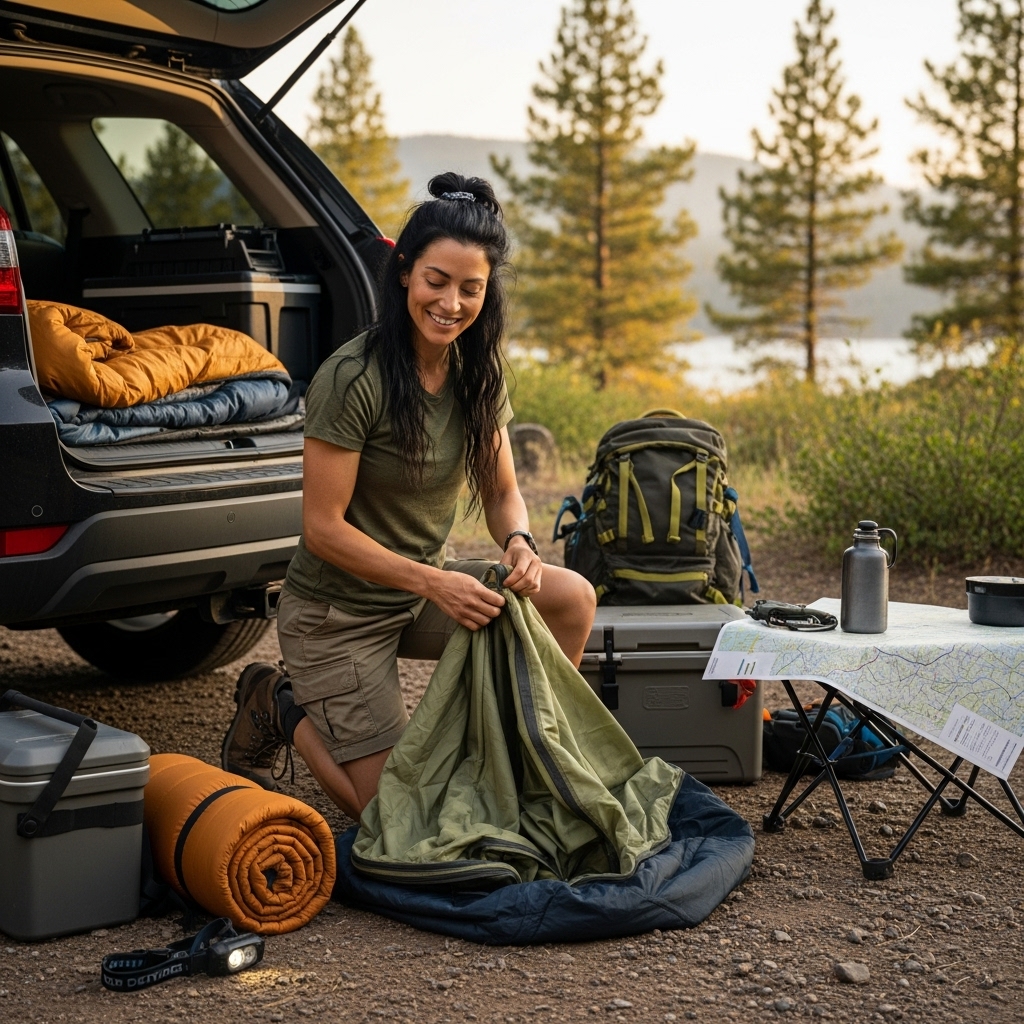

Reliable Clean Water Solutions for Basecamps
Potable water logistics can quickly break camp morale when a group runs out of clean water after a strenuous hike. Pumping a small hand filter repeatedly to fill large hydration bladders and cooking pots wastes precious trail downtime. Campsites need dedicated high-volume setups that process gallons steadily without clogging. Based on product specifications and user feedback, using the best high capacity water purifiers for group camping turns an exhausting daily chore into a hands-off gravity routine or high-flow pumping session. Pairing your camp filter with a reliable best water storage container for emergencies ensures basecamp keeps clean hydration ready.
Multi-person trips require different filtration mechanics compared to solo backpacking setups. Gravity-fed reservoir bags utilize hydrostatic pressure to deliver steady flow directly into clean storage bladders. Rapid multi-stage hand pumps and chemical tablets provide crucial redundancy when handling heavy turbidity or viral risks. Hikers who carry an emergency backup alongside bulk systems often rely on the best canteen for boiling water if filters freeze. Evaluating flow rates and hollow fiber membrane pore size helps outdoor groups stay hydrated safely.

Pros
- Weighs only two ounces, making it an ideal choice for ultralight backpacking and compact survival kits
- Impressive 4,000-liter filtration lifespan delivers years of safe drinking water without extra moving parts
- Straightforward operation requires no pumping, chemical wait time, or battery power
- Rigorous 0.2-micron filtration effectively blocks bacteria, protozoan cysts, microplastics, and silt
Cons
- Requires sipping directly from the water source or a cup rather than filtering directly into storage bladders
- Does not eliminate viruses, heavy metals, or agricultural chemicals found in heavily polluted runoff
- Filtering large volumes of water for camp cooking or group hydration can be tedious
The LifeStraw Personal Water Filter is a compact, point-of-use hollow fiber membrane filter engineered for on-the-go hydration during wilderness treks and emergency situations. Designed as an ultralight survival tool, it allows outdoors enthusiasts to drink directly from natural freshwater sources without relying on chemical purification tablets or cumbersome mechanical pumps. This filter caters directly to backpackers, day hikers, trail runners, hunters, scouts, solo adventurers, and emergency preppers assembling bug-out bags.
Filtration performance is centered around a 0.2-micron microfiltration membrane capable of removing 99.999999% of waterborne bacteria, including E. coli and Salmonella, as well as 99.999% of waterborne protozoan parasites such as Giardia lamblia and Cryptosporidium. In practical camping scenarios, such as filling up along an alpine stream or drinking from a backcountry lake, the filter purifies water instantly with a steady flow rate. It also filters out fine sediment and environmental microplastics, significantly improving water clarity without introducing any chemical aftertaste.
Weighing only around two ounces and measuring approximately nine inches in length, the unit delivers high portability. The durable, BPA-free plastic housing withstands being tossed into a packed rucksack, stashed inside a vehicle console, or clipped to a chest harness. Both ends are equipped with protective caps to keep trail dirt and debris away from the mouthpiece and intake zone during rugged hikes through brush or rocky terrain.
Operation and ongoing care remain straightforward. To drink, users simply uncap both ends, place the base into a water source, allow the membrane to saturate for a few seconds, and sip through the top mouthpiece. Clearing the filter requires blowing a quick puff of air back through the straw after drinking, which purges residual moisture and prevents particulate buildup. Because the unit contains no moving parts or batteries, it requires virtually zero mechanical troubleshooting in the field.
A realistic limitation of this straw-style filter is that it is primarily intended for individual, immediate consumption. Gathering gallons of water for camp kitchen cooking, large-scale family hydration, or refilling narrow hydration reservoirs requires transferring water into an intermediate wide-mouth container first. Additionally, like most standard backcountry microfilters, it does not remove viruses or dissolved chemical contaminants, making it best suited for natural wilderness waters rather than heavily industrialized runoff.
For weekend backpackers, trail hikers, overland travelers, and budget-conscious campers seeking peace of mind in the outdoors, the LifeStraw Personal Water Filter represents an exceptional value. Its combination of near-zero pack weight, massive 4,000-liter operational lifespan, and proven microbiological protection makes it a core staple for any outdoor gear loadout or home emergency kit.
For ounce-counting backpackers and thru-hikers, minimizing pack weight is essential. Weighing roughly 2 ounces, the LifeStraw adds virtually no penalty to your base weight while eliminating the need to carry heavy liters of pre-filtered water on trails with frequent water sources.
Its slim profile slips easily into backpack side pockets, hip belt pouches, or running vests. During quick trail stops, hikers can hydrate directly from passing streams in seconds without taking off their packs or assembling multi-piece pump systems.
Maintaining the LifeStraw requires minimal effort on the trail. After each drinking session, simply blow air back through the mouthpiece to clear trapped water and silt from the membrane fibers before snapping the protective caps back into place.
When storing the filter between camping seasons, rinse it thoroughly with clean water, allow it to air dry, and keep it in a cool, dry location. In sub-freezing temperatures, keep wet filters inside a jacket pocket or sleeping bag, as freezing water can damage the internal microfiltration membrane.

Pros
- Generous 6-liter capacity per bag eliminates the need for constant trips to backcountry water sources
- Effortless gravity-fed operation frees up camp time for cooking meals or pitching tents
- Standard 28mm threading pairs easily with common disposable bottles and aftermarket camp gear
- Includes a backflush plunger to maintain consistent flow rates in the field
Cons
- Requires an elevated tree branch, post, or vehicle roof rack for proper hanging elevation
- Hollow fiber filter elements must be protected from freezing temperatures once wet to prevent membrane damage
- Full 6-liter bags weigh over 13 pounds when full, requiring sturdy suspension anchors
The Practical Survival Gravity Water Filtration System is an ultralight, high-capacity water treatment solution designed to eliminate the arm fatigue of manual hand pumps. Built around an inline 0.1-micron hollow fiber membrane filter and a dual-bag configuration, this kit allows outdoor adventurers to process up to 6 liters (1.59 gallons) of raw water in a single hang. By leveraging simple gravitational pull, the system filters out 99.99% of common waterborne bacteria, protozoa, and environmental microplastics from backcountry streams, alpine lakes, or murky municipal taps.
This setup is particularly well suited for multi-person backpacking crews, family campers, overlanders, and emergency preparedness coordinators who need reliable, bulk hydration without hauling heavy bottled water. Solo hikers setting up an extended basecamp will appreciate having a dedicated clean reservoir, while survivalists and preppers can rely on its long-shelf-life materials for off-grid disaster readiness. Instead of spending precious daylight manually pumping individual water bottles, camp organizers can simply fill the dirty bag, suspend it from a sturdy branch, and attend to building a fire or setting up sleeping pads.
Backcountry performance centers on water flow rate and ease of operation. Operating with a flow rate up to 0.6 gallons per minute under optimal head pressure, the system can provide enough clean water for morning coffee, rehydrating freeze-dried trail meals, and topping off hydration bladders in under ten minutes. The 0.1-micron pore size effectively halts microscopic hazards like Giardia, Cryptosporidium, and E. coli. Because gravity handles all the physical labor, the system performs smoothly while campers organize gear inside the tent vestibule or prep the camp kitchen.
Durability and practical design stand out across the included components. Both the dirty and clean water bags feature reinforced hanging points designed to support the substantial weight of nearly 13 pounds of water. The kit includes secure quick-connect hose fittings, a dedicated storage carry pouch, and a backflushing syringe plunger to clear silt accumulation from the hollow fibers. Standard 28mm threading on the filter cartridge adds welcome versatility, giving hikers the flexibility to screw the filter directly onto standard disposable water bottles if traveling light on a day hike.
Practical limitations are typical for gravity-fed microfiltration setups. The system requires an elevated anchor point, such as a sturdy tree limb, vehicle rack, or camp tripod, to achieve sufficient gravitational pressure. Furthermore, like all hollow fiber membrane filters, the core must be guarded against freezing once wet, as expanding ice crystals can permanently crack the microscopic pores. Pre-filtering heavily silty water through a bandanna can also prevent premature clogs and reduce the frequency of plunger backflushing.
For backpackers trekking across remote trails, families managing camp hydration at state park campgrounds, or homeowners building a resilient emergency survival kit, this Practical Survival setup offers outstanding value and convenience. It eliminates manual pumping hassles while providing generous clean water storage in a package that packs down compact and weighs under 1.5 pounds.
Setting up the gravity system takes only a minute or two once you reach camp. Simply scoop untreated water into the clearly marked dirty bag, secure the top closure, and hang the bag at least four to six feet off the ground using a solid tree limb or camp hook. Connect the quick-connect tubing between the dirty bag and the inlet of the 0.1-micron filter, ensuring the directional flow arrow points down toward the clean bag.
Once connected, position the clean reservoir on the ground or suspend it slightly below the filter. Gravity instantly pulls the water through the hollow fiber membrane, filling the clean bag with purified water at up to 0.6 gallons per minute. When filtration finishes, close off the line with the hose clamp, disconnect the fittings, and cap the clean reservoir for cooking or drinking access.
Takedown is just as fast. Drain any remaining water from both bags, let them air dry whenever possible, and disconnect the tubing. The entire setup rolls up neatly and packs away inside the included carry bag, taking up minimal space in your pack or storage bin.
Routine care ensures your filter maintains a strong flow rate throughout its 1,800-gallon lifespan. Backflushing with the included syringe plunger should be done regularly, especially when filtering water with heavy sediment, tannins, or glacial silt. Simply draw clean, filtered water into the plunger, secure it to the filter outlet, and push the water backward through the filter to dislodge trapped particles.
Never allow a used hollow fiber filter to freeze during cold-weather trips. Freezing water inside the membrane causes the microscopic fibers to expand and crack, which compromises filtration safety. During freezing nights on the trail, pack the filter cartridge inside a sealed plastic bag and keep it inside your sleeping bag.
Before putting the system away for long-term storage, flush the filter with clean tap water, allow the bags to dry completely to prevent mildew, and store the kit in a cool, climate-controlled space away from direct sunlight.

Pros
- Fast water delivery rate of 1.5 to 3.0 liters per minute quickly hydrates multiple campers without long wait times
- Multi-stage filtration setup includes ultrafiltration membrane and mineral pre-filters for cleaner-tasting backcountry water
- Ceramic core micro-pressure check valve creates an effective seal to prevent cross-contamination
- Built from BPA and BPS-free heavy-duty plastics that hold up to rugged camp use
- Replaceable internal filter cartridges eliminate the expense of discarding the entire pump housing
Cons
- At 4 pounds and 13.5 inches long, this unit is significantly heavier and bulkier than ultralight personal backpacking straw filters
- Manual hand-pump operation requires physical effort to produce continuous high-volume water output
- Multi-stage filter elements require periodic replacement and proper drying between trips to prevent clogging
The P Polerden Emergency Water Filter is a high-capacity manual pump filtration system designed to process drinking water quickly from natural freshwater sources. Measuring 13.5 x 3.5 x 10 inches and weighing 4 pounds, this unit is engineered specifically for family campers, basecamp operators, overland travelers, and emergency preparedness planners who prioritize rapid output over ultralight compactness. Unlike miniature pocket straws, this larger platform addresses the hydration needs of small groups, making it suitable for communal campsites where boiling multiple gallons of water would consume valuable camp stove fuel.
In terms of filtration performance, the system utilizes a multi-stage approach featuring an adsorbent mineral pre-filter, a polypropylene (PP) cotton filter, and an ultrafiltration membrane filter. The manufacturer states that this sequential setup achieves up to 99.999% purification purity while significantly reducing murky odors and suspended particles common in backcountry streams or quiet lakes. Pumping performance is a standout characteristic, delivering a rated flow rate of 1.5 liters per minute with a maximum potential output of 3 liters per minute under optimal conditions, which cuts down the waiting time when filling large hydration reservoirs or camp kettles.
Build quality centers on heavy-duty BPA and BPS-free plastics engineered to endure rough outdoor conditions and storage inside vehicle gear bins. A key mechanical highlight is the high-precision ceramic core micro-pressure check valve. This check valve creates an effective hydraulic seal with strong suction capability, keeping untreated intake water isolated from processed clean water to minimize contamination risks. The robust external housing and stable footprint allow users to steady the pump on riverbank rocks or campsite tables while applying manual leverage.
Setting up and maintaining the system is practical for regular outdoor outings. Pumping requires no electricity or batteries, making it dependable during off-grid excursions or unexpected storm power outages. Maintenance is similarly cost-conscious, as the ultrafiltration membrane and pre-filter components can be replaced individually without discarding the entire pump housing. Between outdoor excursions, users should thoroughly flush and air-dry the internal filter assembly to prevent stagnation and preserve membrane longevity before packing the device into storage.
Prospective buyers should weigh the system's weight and physical dimensions against their typical camping style. At 4 pounds, this filtration station is too heavy and voluminous for solo backpackers or long-distance hikers looking to minimize base pack weight. Additionally, manual hand pumping still requires consistent arm effort, especially when processing murky raw water that gradually coats the pre-filter. Like all membrane-based filters, owners must protect the damp internal elements from freezing temperatures to prevent physical damage to the micro-pores.
For car camping groups, scout troops, remote cabin stays, and home disaster readiness kits, the P Polerden filtration system offers dependable, high-volume water purification. Backcountry travelers seeking an ultralight personal filter should consider smaller squeeze pouches or straw units instead, but those managing water for several people will appreciate the fast 1.5 to 3 liter per minute flow rate and rugged mechanical construction.
The core filtration mechanism relies on a sequential multi-stage design comprising an adsorbent mineral pre-filter, a PP cotton layer, and an ultrafiltration membrane. This staged setup removes silt, sediment, and natural organic odors before the water reaches the final microscopic purification stage. According to product documentation, this multi-tier approach achieves up to 99.999% purity without relying on chemical tablets that can impart unpleasant tastes.
Water output is tailored for multi-person demands, boasting a rated delivery of 1.5 liters per minute and a maximum rate of 3 liters per minute. The high-precision ceramic core check valve ensures continuous suction and prevents backflow. This allows users to fill multi-liter water bladders, cooking pots, and camp washbasins in a fraction of the time required by standard single-stage trail filters.
Routine care for the P Polerden filtration unit ensures consistent flow rates and extends the operational lifespan of internal filter cartridges. Users should periodically inspect and rinse the pre-filter assembly, particularly after drawing from turbid or silt-heavy water sources. Because the ultrafiltration membrane and pre-filters are individually replaceable, long-term maintenance costs remain economical compared to discarding an entire pump body.
Before storing the unit after a camping trip or emergency deployment, flush the system with clean water and allow all components to dry thoroughly in an open environment. Storing a damp filter in an airtight container can promote mildew buildup. In cold-weather camping environments, keep wet filter cartridges insulated inside your sleeping bag or jacket, as frozen residual water can expand and compromise the filtration membrane.

Pros
- High volume output treats large water storage jugs, RV tanks, and Jerry cans with minimal effort
- Leaves water tasting remarkably crisp and clean compared to pungent iodine or harsh liquid bleach
- Weighs practically nothing in a backpack while providing immense emergency water security
- Durable individual foil packaging keeps unused tablets completely dry and shelf-stable for years
Cons
- Does not filter out dirt, sediment, or organic floaters, requiring turbid water to be pre-filtered
- Requires a strict 30-minute waiting period before water is safe to consume
- High 397mg tablet strength is meant for multi-gallon containers rather than standard 1-liter trail bottles
Aquatabs 397mg Water Purification Tablets represent a dependable, bulk-capacity chemical treatment solution designed for situations where clean drinking water is not readily available. Unlike standard personal-dose purification tablets meant for single water bottles, this 397mg formulation is specifically engineered for high-volume treatment. A single tablet purifies up to four gallons of clear water, making this 100-pack capable of treating an impressive 400 gallons. It is primarily built for family campers, overlanders, RV adventurers, off-grid homesteaders, survivalists, and group trip leaders who manage central campsite water jugs, Jerry cans, or RV freshwater holding tanks.
When venturing into remote territory or preparing for storm-related municipal outages, water safety is paramount. These tablets utilize sodium dichloroisocyanurate (NaDCC), which dissolves to release a measured dose of free available chlorine. The formula eliminates 99.9999% of bacteria, 99.99% of viruses, and 99.9% of Giardia cysts within a 30-minute contact window. A major advantage over traditional camp purification methods is the taste profile. Unlike iodine tablets that impart a dark amber tint and a medicinal, chemical aftertaste, water treated with Aquatabs maintains a clean, neutral flavor with only a faint, standard tap-water chlorine note that quickly dissipates.
From a gear weight and space-efficiency standpoint, this 100-pack is exceptionally practical. The entire box measures just 2.4 by 1.85 by 1.77 inches and weighs barely 2.08 ounces. Campers can slip an entire strip into an overland kitchen chuck box, RV utility drawer, backpack lid pocket, or bug-out bag without noticing any added bulk. Each tablet is sealed inside heavy-duty foil packaging, ensuring protection against humid camp environments, damp gear sacks, and accidental water splashes. Unlike hollow-fiber pump filters that can crack internally if frozen during cold shoulder-season mountain trips, chemical tablets are unaffected by sub-freezing temperatures in your pack.
There are practical limitations to keep in mind around camp. Aquatabs are strictly purifiers and do not serve as mechanical filters. They will neutralize microscopic biological threats, but they cannot remove silt, sand, mud, or floating debris. If pulling water from murky creeks, stagnant ponds, or turbid backcountry sources, campers must pre-strain the water using a bandana, coffee filter, or microfilter bag before dropping in a tablet. Additionally, because each 397mg tablet is calibrated for four gallons, dosing a standard 32-ounce personal water bottle is impractical without splitting tablets, making this pack better suited for camp buckets, collapsible water cubes, and 5-gallon car camping jugs.
For outdoor enthusiasts who regularly haul multi-gallon water containers or prioritize emergency disaster readiness, this bulk pack offers outstanding utility and value. It eliminates the need to pack out dozens of single-use plastic water bottles on extended car camping trips or river runs. As long as you respect the 30-minute contact time and pre-filter heavily clouded water, Aquatabs provide reliable, hassle-free hydration security across campgrounds, backcountry basecamps, and emergency preparedness reserves.
Using Aquatabs 397mg tablets is straightforward, but adhering to the proper steps ensures maximum water safety. For clear tap, lake, or stream water, add one 397mg tablet to four gallons (roughly 15 to 16 liters) of water. Agitate the container by shaking or stirring thoroughly to help the tablet dissolve completely. Allow the water to stand for a full 30 minutes before drinking or using it for camp cooking, dishwashing, or brushing teeth.
When dealing with turbid, cloudy, or silty water sources, organic matter can consume the active chlorine and shield microorganisms. In these conditions, pre-filter the water through a clean cloth, gravity filter, or sediment screen to achieve reasonable clarity prior to treatment. If pre-filtering is not possible, the dosage should be increased by reducing the volume treated per tablet according to manufacturer guidelines. Store unused blister packs in a cool, dry area away from direct sunlight to preserve shelf stability through the stamped expiration date.
Tipping the scales at a mere 2.08 ounces, this entire 100-tablet kit can purify up to 400 gallons of drinking water while taking up less space than a standard camp cup. Hauling that same volume of clean water in pre-filled jugs would weigh over 3,300 pounds, highlighting the immense space and weight savings these tablets offer for mobile camp setups and extended off-grid travel.
The individual blister strips can easily be trimmed with scissors into smaller segments of two or four tablets. This allows backpackers, paddlers, and trail guides to disperse backup water purification across multiple dry bags, first aid kits, glove boxes, and emergency survival tins. It offers an ultralight, foolproof backup system should a primary gravity filter clog or an electric RV water pump fail in the field.

Pros
- Generous 6-liter volume handles camp cooking and group hydration in a single fill without constant trips to the creek.
- Passive gravity filtration eliminates the arm fatigue and effort required by traditional hand-pump water purifiers.
- Clever backwash connection fits common threaded bottles, eliminating the need to carry an extra plastic syringe.
- Flexible modular design allows the filter to be used as a personal straw or threaded directly onto hydration bottles.
Cons
- Flow rate of 500 ml per minute is steady but requires several minutes to filter full batches compared to high-pressure mechanical pumps.
- Hollow fiber membranes must be shielded from freezing temperatures once wet to avoid internal damage.
- Scooping water into the reservoir in shallow or slow-moving streams can require a separate cup or pot.
The Membrane Solutions 6L Gravity Water Filter Pro is a versatile, high-capacity water filtration system designed to supply clean drinking water for outdoor camps, remote treks, and emergency readiness. Unlike traditional hand-pump filters that demand continuous arm effort at the water source, this gravity-fed setup works passively. Campers can fill the six-liter reservoir at a lake or stream, hang it from a sturdy branch, and let natural water pressure push clean water through the filter line into hydration bladders, camp pots, or bottles.
This system is especially well-suited for family campers, multi-person backpacking groups, overlanders, hunting parties, and emergency preppers. Solo hikers and fastpackers often prefer tiny squeeze filters for moving fast, but group camps require significant water volume for boiling pasta, rehydrating freeze-dried meals, and refilling everyone's hydration reservoirs before heading out on trail. Having six liters on tap eliminates constant trips to the creek, making camp chores much smoother.
Filtration performance relies on a multi-stage approach, featuring a 0.1-micron hollow fiber ultrafiltration membrane paired with a coconut shell granular activated carbon core and dual polypropylene pre-filters. This configuration filters out fine particulate matter and sediment while reducing chlorine taste and unpleasant river odors. Operating at an average flow rate of roughly 500 milliliters per minute under full gravity pressure, the filter maintains a steady stream that fills a standard one-liter wide-mouth bottle in about two minutes. The filter element provides a lifespan rating of up to 5,000 liters, providing dependable longevity across multiple seasons.
Constructed from durable, food-grade TPU material, the water bladder is built to resist trail abrasion while remaining flexible enough to roll up tightly when empty. An integrated nylon hanging strap adjusts from 22.5 to 41.5 inches, wrapping easily around thick pine trunks, canopy poles, or off-road roof racks. At a total trail weight of under 13 ounces for the full kit, it packs down into its included carry sack without taking up excessive volume in a backpack. The modular tubing also allows you to configure the filter as a direct straw, run it inline with an extension tube, or thread it directly to compatible bottles.
Field maintenance is straightforward thanks to an intuitive backwash design. Instead of forcing you to pack a specialized plastic syringe that can easily crack or get lost in camp clutter, the detachable mouthpiece threads onto standard water bottles to reverse-flush trapped silt. Realistically, very murky or silty water will slow down the flow rate, requiring frequent backwashing to maintain efficiency. In freezing alpine conditions, campers must also take care to keep wet hollow fiber filters inside a sleeping bag at night, as frozen water expands and can permanently compromise the internal filter fibers.
For outdoor enthusiasts seeking a dependable, affordable basecamp filtration setup, the Membrane Solutions 6L Gravity Filter delivers exceptional practicality. It strikes an appealing balance between multi-day trail weight and large-volume group hydration. Whether you are prepping an off-grid cabin kit, gearing up for a weekend canoe trip, or outfitting a family campground kitchen, this gravity system takes the labor out of backcountry water purification.
Setting up the gravity filter in camp takes only a few minutes. Unpack the TPU reservoir, secure the adjustable strap around a tree branch or camp pole at shoulder height or higher, and attach the quick-connect hose to the filter cartridge. Filling the wide mouth of the bag at a lake, river, or creek is straightforward, and the secure top closure keeps water sealed while you carry it back to your site.
Maintaining optimal water flow requires periodic backwashing, particularly when gathering water from cloudy streams or glacial runoff. To flush trapped debris from the hollow fiber membrane, connect a clean water bottle to the mouthpiece connector and squeeze firmly to reverse the water direction. Storing the system dry and clean between trips ensures the carbon and fiber media stay fresh and ready for your next outdoor excursion.
Weighing approximately 12.8 ounces, the entire kit packs compactly into a backpack side pocket or top lid, making it a viable hydration solution for small backpacking groups who want to share filtration duties. Rather than each backpacker carrying an individual pump, one member can pack this gravity kit to manage camp water duty while others carry shared shelter components.
In addition to outdoor recreation, this setup serves as an invaluable asset for home emergency preparedness and bug-out bags. When natural disasters, winter freezes, or storm outages interrupt municipal water supply, having a passive gravity filter that processes six liters at a time provides immediate peace of mind for family hydration without relying on electricity or fuel.
Frequently Asked Questions
How much water capacity does a group camping setup require daily?
A typical outdoor group requires roughly one gallon of clean water per person daily for hydration, cooking, and sanitation. A crew of four campers generally consumes four to six gallons every twenty-four hours in moderate weather. High-capacity gravity bags holding six liters allow groups to process communal water in batches without constant trips to the creek.
What is the difference between a water filter and a water purifier?
Water filters physically remove bacteria, protozoa, and microplastics down to 0.1 or 0.2 microns, while water purifiers also neutralize microscopic viruses. Backcountry water in North America rarely harbors viruses, making standard hollow fiber microfiltration adequate for most campsites. When water sources are suspect or stagnant, combining mechanical filtration with chemical purification tablets like Aquatabs ensures complete protection.
Can high capacity gravity systems filter murky or silty water?
Gravity systems can process turbid water, but suspended silt will quickly clog 0.1-micron filter pores and reduce flow rates. Letting muddy water settle in a dirty bag before filtering extends filter lifespan considerably. Backcountry campers can relax in their best camping chair premium while gravity slowly pulls clean water through the filter.
How do you clean and maintain a hollow fiber membrane filter on the trail?
Backwashing with clean water using a plunger or squeeze bottle clears sediment from the membrane pores. Never use untreated river water for backwashing because raw water contaminates the clean side of the cartridge. Regular flushing on multi-day trips restores proper flow rates and prevents permanent clogging from mineral buildup.
How do freezing temperatures affect hollow fiber camp filters?
Freezing temperatures permanently damage hollow fiber membranes by cracking the microscopic tubes when trapped moisture expands into ice. A cracked filter allows bacteria and parasites to pass into drinking water without any visible external cracks. Campers must store wet filter cartridges inside a sleeping bag or jacket pocket during freezing overnights.








Write Your Review
No reviews yet. Be the first to share your experience!