
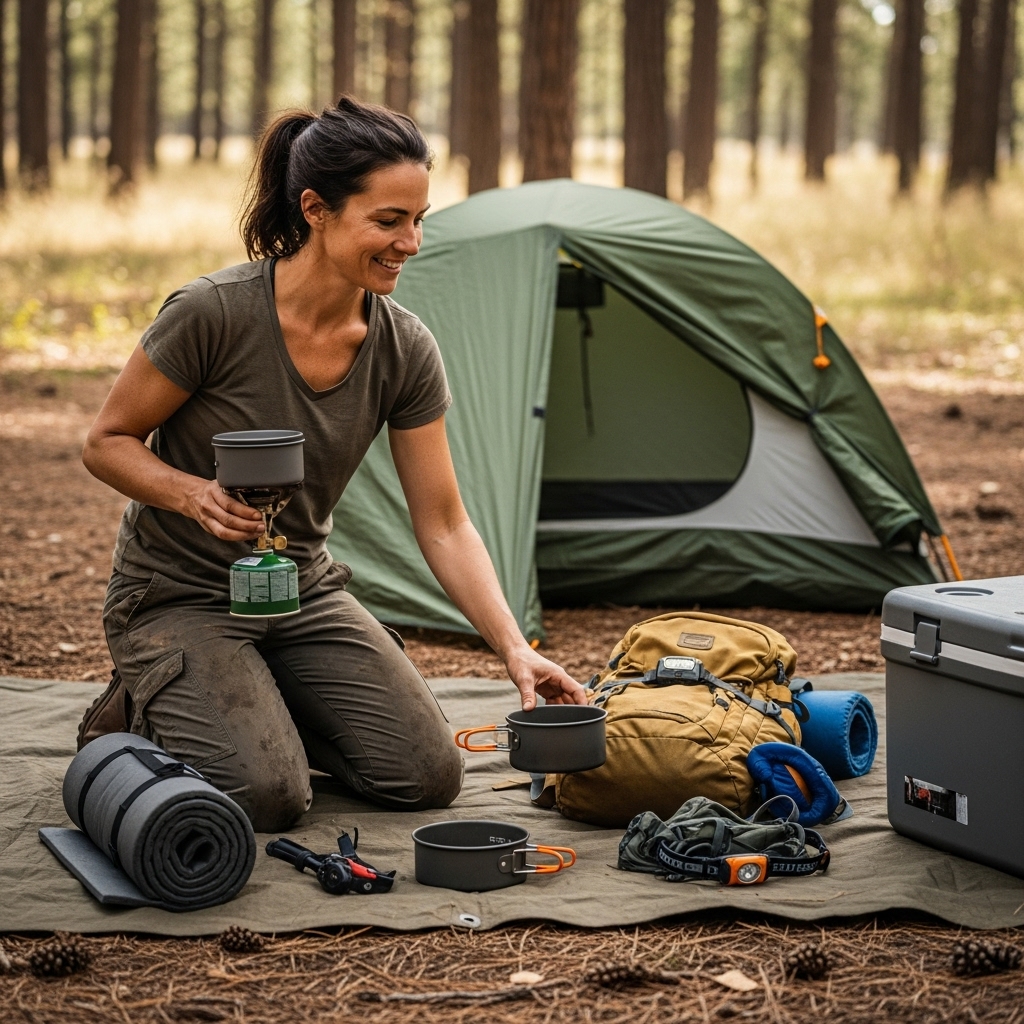

Balancing packed battery capacity against vehicle cargo space quickly determines whether an outdoor getaway feels organized or overwhelming. Campers heading beyond established hookups need reliable watt-hours to support essential field gear so their gear won’t die overnight. Modern lithium battery technology delivers steady wattage in compact footprints, allowing anyone outfitting a basecamp to keep smartphones, drone batteries, and portable 12-volt coolers running safely. Investing in the best travel power stations off grid camping setup ensures you stay charged without dealing with noxious exhaust fumes or noisy small engines. Setting up camp next to a dependable emergency water storage container alongside portable solar panels creates a resilient off-grid station that keeps critical electronics functioning for days.
Pure sine wave inverters protect sensitive electronics like CPAP machines and laptops from electrical harmonic distortion that cheaper modified square-wave packs produce. Rated continuous wattage limits what small appliances you can operate, while total watt-hour capacity dictates how long those devices run between charges. Solar input capability paired with integrated maximum power point tracking allows your battery to harvest clean sun energy during peak daylight hours. Selecting the right portable power station ultimately comes down to matching your device power draw with realistic recharge methods, whether you plug into a 12-volt car socket during transport or rely on folding photovoltaic panels in the wild.

Pros
- Lightweight 4.6-pound build makes it easy to carry around the campsite or stash in a packed car trunk.
- Pure sine wave inverter provides clean 300W power suitable for sensitive electronics like laptops and CPAP devices.
- Extensive output selection includes seven total DC and USB ports alongside dual 110V AC wall plugs.
- Dual LED lanterns provide practical emergency and area lighting without needing separate flashlights.
Cons
- USB-C output is capped at 18W PD, which charges larger USB-C laptops slowly compared to higher-wattage power banks.
- Solar panel and charging cables for solar input are not included and must be purchased separately.
- The 300W continuous rating cannot power high-draw heating appliances like camp coffee makers or hair dryers.
The MARBERO M823 300W portable power station is a compact lithium-ion solar generator engineered to provide portable electricity for outdoor recreation and emergency power outages. Designed with a 237Wh capacity (equivalent to 64,000mAh at 3.7V) and weighing just 4.6 pounds, this unit is particularly well suited for car campers, weekend warriors, festival goers, CPAP users, and homeowners preparing for sudden storm blackouts. Its compact form factor bridges the gap between pocket power banks and heavy multi-kilowatt power stations, offering practical utility without overloading your vehicle trunk.
In real-world camp settings, this battery station delivers reliable power to small and medium devices through its 300W pure sine wave inverter, which surges up to 375W. Pure sine wave output ensures that sensitive electronics like camera battery chargers, laptops, tablets, and medical CPAP machines run smoothly without electrical buzzing or risk of circuitry damage. The front panel features two 110V AC wall outlets, one 18W USB-C Power Delivery port, two Quick Charge 3.0 USB-A ports, two standard USB-A ports, and a 12V DC barrel port, allowing you to charge multiple camp accessories simultaneously. Actual device runtimes will naturally depend on total load, so running low-draw items like LED strings and phones will last for days, while higher-wattage devices consume capacity faster.
Outdoor lighting is integrated directly into the chassis with two independent LED light sources. The top light functions as a focused utility beam with two brightness levels, ideal for navigating camp paths, while the larger side panel acts as a diffused camping lantern offering three brightness levels alongside twinkling and SOS signaling modes. Whether you are cooking breakfast before sunrise or setting up your tent after dark, these built-in lanterns eliminate the immediate need for a standalone flashlight. Keeping the unit charged is straightforward through three supported input methods: standard AC household wall charging takes approximately 6 hours, a 12V car adapter takes around 8 hours on road trips, and an optional DC solar panel (16.4V-24V up to 2.7A) can recharge the unit using sunlight.
Build quality focuses on compact durability and thermal efficiency. Measuring 8.15 by 3.9 by 5.83 inches, the brick-red cuboid housing packs neatly into gear bins or sits steadily on a picnic table. The integrated Battery Management System (BMS) actively regulates voltage, current, and cell temperature, automatically shutting down the system if it detects a short circuit or an electrical overload. Rear cooling vents work alongside internal heat sinks to exhaust hot air and keep internal elements operating within safe thermal ranges during sustained charging sessions.
Buyers should be aware of a few clear operational boundaries before purchasing. With a maximum continuous output of 300W, this generator cannot run high-wattage heating or motor-driven appliances such as camp stoves, electric skillets, hair dryers, or heavy coffee makers. Additionally, the USB-C port is limited to an 18W PD protocol, which is fast enough for smartphones and tablets but may charge larger modern laptops slowly compared to higher-wattage ports. The solar panel is also sold separately, so solar recharging requires an additional investment in compatible panels.
Based on its technical specifications and functional feature set, the MARBERO M823 serves as a highly practical energy solution for tent campers, car campers, solo adventurers, and budget-conscious outdoorsmen who need dependable power for gadgets, drone batteries, and lighting. It provides dependable utility for weekend campouts and peace of mind during seasonal storm blackouts without the bulk or expense of larger fuel-powered generators.
At just 4.6 pounds and measuring 8.15 x 3.9 x 5.83 inches, the MARBERO M823 is significantly lighter than traditional lead-acid power boxes and larger 500W lithium stations. Its integrated top handle makes it easy to grab with one hand while loading camp bins or carrying gear from your vehicle to the campsite.
The compact cuboid footprint easily fits into tight spaces, including packed car trunks, under vehicle seats, or inside daypacks for short walks to a picnic spot. For campers who value trunk organization and want to minimize pack bulk without sacrificing basic electrical comforts, this compact size offers an ideal compromise.
This power station features versatile connectivity designed to handle up to seven devices at once across AC, DC, and USB formats. The dual 110V AC outlets supply pure sine wave electricity at 300W continuous output (375W surge), making them compatible with delicate electronics, CPAP devices, and low-draw camp fans.
For mobile devices, the unit includes an 18W USB-C PD port alongside four USB-A ports (two QC 3.0 fast-charging ports and two standard 15W ports). Recharging the 237Wh battery can be accomplished via an AC wall plug in about 6 hours, a 12V vehicle socket in 8 hours, or a compatible solar panel supporting 16.4V to 24V DC input.

Pros
- Generous selection of 9 output ports, including 60W USB-C PD and wireless charging, eliminates the need for extra wall adapters.
- Highly portable at 7.94 pounds with a space-efficient footprint that packs neatly into car trunks and camper setups.
- Pure sine wave AC output ensures safe operation for sensitive CPAP units and high-end camera batteries.
- Built-in MPPT charge controller maximizes solar harvesting efficiency when paired with portable solar panels.
- Removable 3W camp light functions independently of the main battery pack for nighttime camp tasks.
Cons
- Stated 330W AC continuous output cannot support high-draw appliances like electric camp kettles, space heaters, or hair dryers.
- Standard wall recharging takes roughly 6 to 7 hours, requiring advance planning before heading out on a trip.
- Lacks an outdoor waterproof rating or sealed port covers, requiring shelter from rain and heavy morning dew.
The GRECELL 330W Portable Power Station is a compact 288.6Wh lithium-ion solar generator tailored for outdoor enthusiasts who require off-grid electricity without the weight of bulky commercial generators. Measuring 9.6 by 6.72 by 6.96 inches and weighing just under 8 pounds, this energy station caters effectively to car campers, solo adventurers, weekend warriors, and overland travelers. It provides pure sine wave AC electricity alongside diverse DC outputs, giving campers an approachable way to sustain mobile devices, camera batteries, mini-coolers, and medical gear like nocturnal CPAP machines at off-grid sites.
In terms of build quality and campground practicality, the unit features a sturdy dark green impact-resistant housing that withstands the bumps and shifts of vehicle travel. An ergonomic built-in handle sits flush along the top, making it effortless to pull from a crammed trunk alongside sleeping bags and camp chairs. Unlike noisy, fuel-burning combustion generators that produce toxic fumes and disturb neighboring sites, this battery-powered station operates nearly silently. Dual internal cooling fans engage automatically when drawing substantial loads, keeping internal temperatures within a safe 32 to 104 degree Fahrenheit envelope while preserving battery health.
Output versatility is one of the standout aspects of the GRECELL 330W setup. The front interface boasts nine simultaneous connection points, allowing you to charge multiple devices at once without tangling power strips. Campers get a standard 330W continuous AC wall outlet capable of handling 600W surges, a high-speed 60W USB-C Power Delivery port capable of running modern laptops, Quick Charge 3.0 USB-A ports, regulated 12V DC sockets, and even an integrated 5W wireless top charging pad. For medical campers, the pure sine wave inversion provides a stable, clean electrical current that matches grid power, preventing harmonic distortion or damage to sensitive electronic CPAP humidifiers and drone battery packs.
Keeping the station replenished off the beaten path is straightforward thanks to versatile three-way input support. While preparing at home, users can achieve a full wall charge in roughly 6 to 7 hours, or recharge via a 12V car auxiliary port during a 7 to 9 hour highway drive to the trailhead. For extended multi-day basecamps, the onboard MPPT solar controller efficiently regulates input from compatible 60W to 120W solar panels, capturing optimal solar energy across changing sunlight angles. Adding further outdoor utility, the unit includes an inventive detachable 3W LED light that runs on its own internal battery, allowing campers to detach it for nighttime walks, gear searches, or emergency signaling without moving the main power hub.
While the system excels in convenience, outdoor buyers should recognize its inherent operating boundaries. With a continuous AC limit of 330 watts, this power station cannot run high-wattage camp kitchen appliances like induction cooktops, coffee makers, electric skillets, or portable space heaters. Furthermore, while the rugged housing handles everyday trail dust, it lacks an official waterproof rating, meaning campers must keep the unit protected under a tent vestibule, camper shell, or canopy during wet weather. Recharging speeds are also conventional rather than rapid, meaning users will want to charge it fully prior to leaving home.
For campers seeking a balanced, budget-friendly power reservoir for weekend outings, road trips, and residential storm preparedness, the GRECELL 330W Solar Generator proves to be a well-engineered companion. It hits a sweet spot between portable weight and usable capacity, keeping camp lanterns burning, smart devices charged, and nocturnal CPAP equipment running smoothly under the stars. Those packing for family car camping trips or building an emergency storm kit will appreciate its quiet operation, diverse port selection, and sensible physical footprint.
Weighing only 7.94 pounds, this power station is built for effortless movement between your vehicle trunk, camper interior, and campsite table. The compact exterior footprint takes up minimal cargo room, leaving ample space for bulky coolers, camp stoves, and storage totes.
The unit features nine separate outputs designed to reduce adapter clutter. Campers can run MacBooks or USB-C tablets at full speed using the 60W Power Delivery port, while the 5W wireless charging platform on the top deck offers cord-free phone charging right by your sleeping cot.
Off-grid replenishment is supported by an internal MPPT charge controller that pairs with 60W to 120W solar panels, completing a full recharge in 5 to 9 hours under direct sunlight. Alternatively, 12V vehicle charging allows you to top off the 288.6Wh battery while driving to remote recreation areas.
A comprehensive Battery Management System actively tracks voltage, current, and temperature parameters in real time. This automated oversight shields connected outdoor electronics from accidental short circuits, voltage spikes, and battery overcharging.
Dual internal cooling fans activate only under heavy loads, providing near-silent thermal regulation. This low acoustic footprint makes the generator suitable for placement inside camper vans, rooftop tents, or family shelters without disturbing light sleepers.
The power station is engineered to deliver reliable output across an ambient temperature range of 32 to 104 degrees Fahrenheit, with safe storage limits between -4 and 113 degrees Fahrenheit, accommodating both warm summer campgrounds and chilly desert overnights.

Pros
- Durable LiFePO4 battery chemistry offers stable performance and extended cycle life over traditional lithium-ion packs
- High-speed 140W USB-C input and output enables rapid laptop charging without needing a separate bulky AC wall brick
- Recharges swiftly to 80% in about 50 minutes using a standard AC wall outlet prior to weekend departures
- Eight distinct charging ports allow simultaneous power delivery for family camp accessories and personal electronics
Cons
- At 9.1 pounds, the unit is convenient for vehicle-based camping but too heavy for long-distance backpacking treks
- The shoulder carry strap shown in product illustrations is sold separately and not included in the standard box
- A 300W continuous AC limit cannot operate high-draw heating appliances such as camp kettles, hair dryers, or standard coffee makers
The Anker SOLIX C300 is a compact portable power station built around a durable 288Wh LiFePO4 (lithium iron phosphate) battery pack, offering a reliable 300W continuous AC output with a 600W surge threshold. Designed specifically for outdoor enthusiasts who require off-grid electricity without the noise, exhaust fumes, or maintenance of a gas generator, this unit serves vehicle campers, overlanders, festival attendees, remote field workers, and homeowners preparing for sudden storm outages. Its renewed status offers budget-conscious campers access to reliable modern power tech at a practical value.
In practical camp situations, the SOLIX C300 handles common campsite electronics effortlessly. With eight total output ports, it can charge smartphones, run low-wattage LED string lights, power 12V portable car coolers, keep drone batteries topped off, and operate CPAP equipment overnight. The dual 140W two-way USB-C ports stand out for creators and remote workers, delivering high-wattage Power Delivery to compatible laptops without requiring extra wall adapters. Buyers should understand electrical capacity boundaries: while the 300W inverter handles small appliances and consumer tech, it will not run high-wattage resistive heating gear like electric skillets, space heaters, or standard coffee brewers.
Recharging versatility is one of the strongest practical benefits of this power station. When packing gear at home, plugging into a standard wall outlet can recharge the unit to 80% in roughly 50 minutes. For extended off-grid stays, the C300 accepts up to a 100W solar panel input, allowing campers to harvest renewable sun power while relaxing at camp. It can also recharge on the road through a 12V vehicle socket or via the bi-directional 140W USB-C port, giving road trippers multiple methods to maintain battery levels across multi-day travels.
From a hardware perspective, Anker packaged this power station into a dark gray enclosure measuring 6.46 x 6.34 x 9.45 inches and weighing 9.1 pounds. Product details state it is roughly 15% smaller than comparable legacy power stations, making it easy to slide between dry bags and camp kitchen boxes. The built-in Wi-Fi and Bluetooth connectivity pairs with the Anker mobile app, allowing you to check remaining battery percentage, monitor watt draw, and adjust port timers directly from your tent. Keep in mind that like most electronic power stations, this unit is not waterproof, so it should always be kept sheltered under a vehicle canopy, vestibule, or dry camp bin during wet weather.
For car campers, overlanders, weekend cabin visitors, and emergency planners, the Anker SOLIX C300 represents an efficient, well-engineered power supply. It eliminates the guesswork of off-grid electronic management and packs rapid recharging capabilities into an easily transportable shape. As long as prospective buyers understand that 9.1 pounds belongs in a vehicle trunk rather than a multi-day hiking pack, this portable power station provides an outstanding blend of longevity, port versatility, and campsite convenience.
Weighing 9.1 pounds with dimensions of 6.46 x 6.34 x 9.45 inches, the Anker SOLIX C300 is engineered for streamlined portability in vehicle trunks, overland storage drawers, and camper vans. While too heavy for human-powered backcountry trekking, its compact vertical profile takes up minimal floor space inside a tent vestibule or camp kitchen station.
The power station features 8 dedicated output points to organize campsite power distribution: three standard 300W AC wall-style outlets, two 140W USB-C ports, one 15W USB-C port, one 12W USB-A port, and a 12V/120W car auxiliary socket. This layout allows family campers to run a 12V cooler while simultaneously charging phones, headlamps, and camera gear without port contention.
Using LiFePO4 battery chemistry gives the Anker SOLIX C300 notable safety and longevity advantages over older lithium-ion variants. LiFePO4 cells are recognized for thermal stability, meaning they resist overheating and degradation across thousands of charge cycles, making them well suited to warm summer campground trips and cool autumn tailgates.
To maintain peak performance, electronic power stations must be protected from environmental moisture such as morning dew, direct rain, and blowing dust. Setting the unit on a camp table or keeping it inside a ventilated tent vestibule protects the sensitive port connections. Campers should also verify that their connected appliances remain within the 300W continuous output limit to prevent automatic inverter overload shutdowns.

Pros
- Weighs only around 7.5 pounds with a sturdy built-in handle for simple carrying between campsite setups
- Long-lasting LiFePO4 battery delivers over 4,000 recharge cycles for years of dependable use
- Charges up to six devices simultaneously with pure sine wave AC power and high-speed 100W USB-C
- Supports flexible recharging via home AC wall outlets, 12V vehicle sockets, or solar panels
Cons
- Continuous 300W limit cannot run high-draw heating appliances like full-size coffee makers or electric griddles
- Solar panels must be purchased separately for off-grid solar recharging
- Capacity of 292Wh is tailored for weekend outings and small devices rather than heavy multi-day power demands
The Jackery Explorer 300 is a compact, lightweight portable power station engineered to provide clean, reliable electricity for modern outdoor adventures. Featuring a 292Wh capacity and a 300W continuous inverter with a 600W peak surge rating, this power hub is built for family campers, solo travelers, overlanders, tailgaters, and remote workers who need off-grid energy. Its compact frame sits conveniently on a camp prep table, picnic bench, or tailgate without cluttering your campsite living area.
A major strength of this unit is its long-lasting LiFePO4 (lithium iron phosphate) battery chemistry. Based on manufacturer specifications, this battery core provides over 4,000 charge cycles before reaching 70 percent capacity, representing over a decade of regular use. For weekend campers, festival goers, and van-life explorers who frequently recharge their gear, this durable design offers exceptional longevity compared to traditional lithium-ion batteries.
Equipped with six versatile output ports, the Explorer 300 easily powers essential outdoor devices at the same time. The front panel includes two pure sine wave AC wall outlets, a fast 100W USB-C Power Delivery port, two standard USB-A ports, and a 12V car accessory socket. This setup is ideal for recharging camera gear, powering laptops beside the campfire, running portable lighting, and providing stable power for CPAP machines during overnight tent or cabin stays.
Portability is where this power unit shines for vehicle and campsite management. Weighing just around 7.5 pounds and measuring 9.1 by 5.2 by 7.8 inches, it packs effortlessly alongside coolers, folding tables, and camp kitchen bins. Recharging is straightforward whether at home, on the road, or deep in the backcountry, with support for standard wall charging, 12V car charging while driving, and fast solar recharging when paired with compatible solar panels.
While the Jackery Explorer 300 handles personal electronics and modest campsite accessories with ease, it is designed strictly for lower-wattage gear. High-draw appliances such as electric skillets, heavy-duty blenders, or space heaters exceed its 300W ceiling. For car campers, RV travelers, tailgaters, and outdoor hobbyists seeking a compact, reliable, and durable energy source for essential gadgets and sleep therapy, this portable power station delivers outstanding utility and convenience.
The Jackery Explorer 300 offers a balanced 292Wh capacity paired with a 300W pure sine wave inverter capable of handling surges up to 600W. This clean power output ensures sensitive electronics such as laptops, tablets, and camera battery docks run safely without electrical interference.
With six dedicated ports, users can power a CPAP machine through the night, fast-charge a modern laptop via the 100W USB-C port, and keep phones and headlamps topped off simultaneously without needing bulky power strips or adapters.
Thanks to its compact footprint and integrated carry handle, this power station integrates smoothly into any campsite or tailgate arrangement. It rests comfortably on camp kitchen tables, beside camp chairs, or in truck beds to keep your devices charged while keeping cables tidy.
For overland travel and weekend road trips, the unit recharges from your vehicle 12V socket while in transit, ensuring you arrive at camp with full power ready to run evening lighting and charge gear for the next day of exploration.

Pros
- Ultra-lightweight 5-pound design with a sturdy top handle makes transport around camp effortless.
- Nine total output ports allow simultaneous charging for phones, headlamps, tablets, and 12V camp gear.
- High-output 100W USB-C port delivers fast charging for modern laptops without requiring a bulky AC brick.
- Fume-free and silent battery operation makes it safe for use inside tents, camper vans, and personal vehicles.
Cons
- Continuous 200W AC inverter limit (400W peak) cannot operate high-wattage heating appliances or electric camp stoves.
- A 100W AC wall charging adapter is not included in the box and must be purchased separately for maximum recharge speeds.
- The 183Wh capacity is tailored for small electronics and short weekend trips rather than multi-day heavy-duty basecamp use.
The Westinghouse iGen400s is an ultra-compact portable power station and lithium-ion solar generator engineered for reliable, quiet off-grid electricity. Delivering 183 watt-hours of battery capacity with a 200-watt running output and 400-watt peak surge, this compact unit is primarily tailored for weekend car campers, tent campers, overlanders, festival goers, and outdoor enthusiasts who need clean, fume-free energy without lugging a heavy conventional generator. Its modest footprint makes it an appealing choice for solo adventurers and budget-conscious campers looking to maintain power for smartphones, camp lighting, GPS units, and small electronics at developed campgrounds or dispersed backcountry trailheads.
In real-world campsite scenarios, power capacity directly dictates what gear you can run. With 183Wh on tap, the iGen400s is optimized for recharging portable devices multiple times, keeping headlamps operational, running small 12V camping fans on warm summer nights, or topping off camera batteries after a long day of hiking. Because the continuous inverter output is rated at 200W, the unit easily manages lower-demand electronics and basic AC gadgets, but it will not support high-draw appliances such as electric coffee makers, camp stoves, space heaters, or high-wattage power tools. Campers seeking an overnight power source for low-draw CPAP machines or camp lanterns will appreciate the completely silent operation, eliminating the drone and exhaust fumes associated with traditional gas equipment.
Physical packability and port distribution represent two of the strongest assets of this power bank. Tipping the scales at an easy-to-carry 5 pounds and measuring 9.4 by 4.5 by 5.9 inches, the unit slots neatly into tight vehicle trunks, gear totes, or underneath a camp cot. Westinghouse outfitted the front panel with nine total outputs, including two standard 120V AC outlets, an ultra-fast 100W USB-C port, three 30W USB-C ports, two USB-A ports, and a 12V DC car socket. The high-wattage USB-C port handles power-hungry laptops seamlessly, while the informative LED display provides at-a-glance readouts of real-time battery percentage and charge status so you never guess how much reserve remains before turning in for the night.
Field durability is supported by a rugged, weather-resistant shell and an integrated top handle that makes grabbing the unit from your vehicle painless. Outdoor conditions can be unpredictable, and while the housing protects internal components from standard campsite wear, the unit should still be shielded from direct rainfall, heavy splashing, and submersion. For evening duties like setting up camp after dusk or cooking breakfast before sunrise, Westinghouse incorporated a built-in tri-mode LED flashlight with an emergency flasher function. Internally, a comprehensive battery management system guards against overcharging, overloading, short circuits, low voltage, and overheating, ensuring stable operation whether operating under direct summer sun or in cool autumn mountain air.
Recharging logistics require careful planning before embarking on extended trips. Based on the product specifications, the iGen400s can reach an 80 percent charge in roughly two hours through the included USB-C cable, provided you pair it with a 100W AC wall adapter. A notable limitation for prospective buyers is that Westinghouse does not include this high-speed 100W wall block in the package, meaning you must supply your own compatible charging adapter or rely on the included 12V vehicle plug during travel. The station is also solar-ready, allowing pairing with compatible portable solar panels for extended off-grid stays, although the solar panel itself is sold separately.
For car campers, road trippers, tailgaters, and homeowners preparing for seasonal storm outages, the Westinghouse iGen400s offers an exceptional balance of weight, port diversity, and everyday reliability. While serious off-grid overlanders or multi-day basecamp operators requiring kilowatts of sustained energy will need a significantly larger power hub, this five-pound station provides practical, grab-and-go convenience for short excursions and essential device backup. Backed by a 2-year limited warranty and lifetime technical support from Westinghouse, it remains a smart, dependable addition to any modern camping kit.
At just 5 pounds with exterior dimensions of 9.4 x 4.5 x 5.9 inches, the Westinghouse iGen400s is engineered specifically for grab-and-go portability. It takes up minimal room in a crowded trunk alongside coolers and sleeping bags, making it an excellent match for weekend car campers, tailgaters, and road trippers. The sturdy integrated handle ensures easy one-handed carrying from vehicle to campsite table.
With 183Wh of capacity and nine power ports, it provides flexible power distribution across both AC and DC gear. The two 120V household outlets support standard electronics under 200W, while the dedicated 100W USB-C port, three 30W USB-C ports, dual USB-A ports, and 12V DC car port eliminate the need to bring multiple separate wall adapters to the campground.
Operating lithium batteries in fluctuating outdoor environments requires dependable onboard protection. The iGen400s integrates internal safety protocols designed to defend against overheating, overloading, low voltage, and overcharging, helping safeguard both the power station and your connected outdoor electronics during operation.
Westinghouse backs this portable generator with a 2-year limited warranty alongside lifetime technical support. Because the unit generates zero emissions and produces zero engine noise, it can be safely used inside tents, cabins, and enclosed vehicles where conventional gas generators could never operate.
Essential Answers for Off-Grid Camp Power
Can a travel power station run a camping CPAP machine overnight?
Yes, a portable power station with at least 200Wh to 300Wh capacity can typically power a 12V DC CPAP machine through the night. Using the direct 12V DC port bypasses the internal inverter, which conserves valuable watt-hours by avoiding AC conversion losses. Disabling the machine’s active humidifier and heated tube significantly reduces wattage draw. Campers who pair these settings with units like the GRECELL 330W or Jackery Explorer 300 gain multiple nights of restful sleep off-grid.
How do pure sine wave inverters protect sensitive camp electronics?
Pure sine wave inverters deliver smooth, clean electrical waveforms identical to standard household utility power. Sensitive electronics such as laptops, camera batteries, and medical equipment require this stable voltage to prevent overheating and circuit stress. Modified sine wave alternatives produce choppy alternating current that can induce buzzing in audio equipment or cause premature power supply failure. Models providing clean pure sine wave output ensure your expensive gadgets charge safely in remote settings.
What is the difference between running wattage and watt-hour capacity?
Running wattage measures the instantaneous power output available to run a device, while watt-hour capacity measures total energy stored over time. A power station with a 300W continuous rating can run appliances demanding up to 300 watts at any single moment. The watt-hour rating, such as 288Wh on the Anker SOLIX C300, determines how many hours that output can last under specific loads. Understanding this relationship helps you avoid overloading the battery when operating camp gear while resting in your durable camping chair around camp.
How fast can solar panels recharge a portable power station at camp?
Solar recharge times typically range between 2.5 and 9 hours depending on panel wattage, sun intensity, and battery controller efficiency. Units featuring integrated MPPT controllers actively track sunlight variations to extract maximum solar wattage throughout the day. Jackery Explorer 300 recharges to 80 percent in approximately 2.8 hours when paired with a compatible 100W panel in direct sun. Overcast skies or tree canopy will noticeably lengthen charging durations, making early setup in open sun critical.
Can you take these portable power stations on a backpacking trip?
Most power stations in this class weigh between 4.6 and 8 pounds, making them better suited for vehicle-supported camping rather than lightweight backpacking. Compact options like the MARBERO M823 fit inside a backpack at 4.6 pounds, but carrying that extra bulk on foot creates unnecessary physical fatigue on long trails. Vehicle campers and car camping setups benefit far more from their multi-port flexibility. If you are packing light for remote trails, carrying a compact camping canteen for boiling and a tiny pocket power bank makes more sense.
What maintenance do lithium and LiFePO4 camping batteries require?
Lithium and LiFePO4 batteries require storage at moderate temperatures with roughly 50 to 80 percent charge to preserve cell health. LiFePO4 chemistry, found in units like the Jackery Explorer 300 and Anker SOLIX C300, provides over 4,000 charge cycles before reaching 70 percent capacity. Keeping cooling vents clear of trail dust and storing units away from freezing car trunks preserves longevity. Checking the charge level every few months keeps internal circuitry ready for spontaneous off-grid travel.






Write Your Review
No reviews yet. Be the first to share your experience!