

Clean up tap taste and filter choices
A sharp chlorine taste can make a glass of tap water less appealing, while concerns about tiny particles call for more than a quick taste test. The best water filter for microplastics depends on the contaminants you want to reduce, the system’s documented performance, and how much upkeep fits your routine. Pitchers and dispensers are easy to set up, while countertop reverse osmosis systems offer a different filtration approach without permanent plumbing changes.
We reviewed the supplied product specifications and manufacturer claims, paying attention to listed microplastic reduction, filtration standards, capacity, filter life, and convenience. Claims vary: Aquagear and LifeStraw specifically list microplastics, while several other options focus on different contaminants or filtration details. A product’s certification or test claim applies to the stated parameters, so check its performance information and your local water report before deciding. For another countertop option, see this guide to non-RO water purifiers for home. If pitcher maintenance is a concern, this article explains how to remove an old pitcher filter.


Pros
- Massive 27-cup capacity minimizes trips to the campground water spigot
- Easy-pour spigot dispenses smoothly into camp cups and wide-mouth bottles
- Elite filter handles heavy metals, chlorine, and unwanted tap water odors
- Slim footprint packs neatly into vehicle trunks, camp bins, or RV fridges
- Locking lid design helps keep campground dust, debris, and bugs out of drinking water
Cons
- Designed strictly for potable tap water and cannot purify untreated backcountry stream water
- Plastic body requires careful packing to avoid cracking under heavy gear in a packed trunk
- Spigot requires placement near a table edge or riser for tall camp mugs and hydration bladders
The Brita UltraMax Elite 27-Cup Water Dispenser is a high-volume gravity filtration system crafted for high-demand hydration needs. While lightweight backpackers look toward pocket-sized squeeze filters, car campers, RV travelers, overlanders, and family basecamp coordinators need serious volume without hauling endless flats of plastic water bottles. This unit bridges the gap between home kitchen comfort and campsite practicality, offering a generous reservoir that keeps clean, crisp drinking water ready for your whole crew throughout a busy weekend outdoors.
At developed state parks, municipal campgrounds, and RV resorts, tap water can often carry strong chlorine tastes, sulfur odors, or heavy mineral sediments that ruin camp coffee and hydration packs. Equipped with the Brita Elite filter, this dispenser significantly reduces chlorine taste, cadmium, mercury, benzene, asbestos, and 99 percent of lead. Based on product specifications, the activated carbon core treats potable campground water efficiently, allowing you to fill water bottles, prep morning oatmeal, and brew your campfire pour-over coffee with clean, neutral-tasting water every single morning.
The structural design suits outdoor living surprisingly well. Measuring just over five inches wide and roughly fourteen inches deep, the dispenser maintains a slim profile that rests securely along the edge of a camp table, tailgate shelf, or inside an RV refrigerator. The 27-cup total capacity holds roughly 1.7 gallons, meaning fewer walks across the campground loop to the shared pump. A tightly locking top lid keeps outdoor elements like pine needles, dust, and insects out of the upper reservoir, while the precision-pour spigot provides smooth, drip-free dispensing directly into mugs and canteen necks.
Setup and camp maintenance are straightforward. You simply insert the Elite cartridge into the inner reservoir, fill the top tank with potable campground tap water, and let gravity pull the water through the filtration media. The dispenser features an integrated electronic filter indicator that monitors usage so you know exactly when the 120-gallon filter cycle finishes. Packing for transit requires a bit of forethought, as the rigid polystyrene construction can scratch or crack if packed carelessly beneath heavy cast iron Dutch ovens or steel camp stoves in a crowded vehicle trunk.
Campers must remember that this unit is engineered strictly for treated, potable water sources. It is not designed to neutralize biological pathogens like Giardia or Cryptosporidium found in raw backcountry creeks or wilderness lakes. For overlanders, family campground trips, music festivals, glamping retreats, and home emergency preparedness kits, the Brita UltraMax Elite stands as an exceptionally practical, cost-effective hydration hub that upgrades campsite living and dramatically cuts down on single-use plastics.
Integrating this high-capacity dispenser into your outdoor kitchen setup streamlines camp chores significantly. Instead of lifting heavy jugs every time someone needs to wash fruit, fill an electric kettle, or prep cooking water for pasta, the front-facing spigot offers effortless access for both adults and children. Placing the unit at the end of a picnic table or on a dedicated camp kitchen shelf makes hydration self-serve, letting camp cooks focus on the stove.
For RV owners and camper van travelers, the rectangular footprint optimizes limited counter space. The dispenser slides neatly into standard compact RV refrigerators to keep water chilled on warm summer days, and it fits flush against backsplash walls while parked. When driving down bumpy washboard roads, simply empty the reservoir into your main water containers or stow the unit inside a padded gear tote to prevent shifting during transit.
Maintaining the dispenser while camping is simple with basic camp sanitation practices. Hand wash the reservoir, lid, and spigot using warm water and mild dish soap between trips, making sure to avoid abrasive scrubbing pads that could mar the clear finish. The electronic filter indicator should be wiped with a damp cloth rather than fully submerged in wash basins.
If you camp during shoulder seasons with freezing overnight temperatures, remember to drain the dispenser before going to sleep. Water trapped inside the carbon filter cartridge can expand when frozen, potentially damaging the filter structure and compromising water flow. Storing the unit indoors in a cool, dry place between adventures ensures the plastic stays durable and ready for your next outdoor road trip.


Pros
- Elite filter delivers 120 gallons of filtration, lasting up to six months between replacements
- Generous 10-cup volume supplies ample water for family meals, camp cooking, and trail hydration
- Noticeably improves taste and odor from chlorinated or sulfurous campground spigot water
- Slim profile fits effortlessly into RV refrigerators, camp bins, and portable coolers
Cons
- Not rated for purifying backcountry river, lake, or stream water containing biological pathogens
- Rigid clear plastic requires padded packing inside gear totes to avoid cracking on rough washboard roads
- Gravity filtration flow rate takes a few minutes to process a full pitcher from empty
The Brita Everyday 10-Cup Water Pitcher equipped with the Elite filter provides an efficient, reliable way to upgrade drinking water quality in vehicle-based camp setups. Designed for car campers, RV travelers, overlanders, cabin vacationers, and family basecamp coordinators, this countertop filter pitcher bridges the gap between bulky bottled water cases and foul-tasting campground municipal taps. By targeting common water supply issues like chlorine taste, lead, and mineral odors, it delivers fresh water for morning coffee, hydration bladders, and campsite cooking.
Setting up camp at public parks or established campgrounds often means dealing with heavily treated, metallic, or chlorinated water straight from the spigot. According to product specifications and user feedback, the included Brita Elite filter utilizes an advanced carbon core design to remove 99% of lead while reducing chlorine odor, mercury, benzene, and cadmium. In a camp kitchen or RV galley, this translates to noticeably cleaner, sweeter water for boiling pasta, brewing French press coffee at dawn, and refilling daypacks before hitting the trailhead.
Built with BPA-free, durable plastic, the pitcher measures roughly 10.9 inches long by 5.6 inches wide and 10.5 inches high, allowing it to slide into most compact RV refrigerators, camp cooler compartments, or chuck box shelves. The flip-top lid makes refills straightforward at standard campsite faucets without having to pull off the entire cover. An integrated electronic SmartLight indicator monitors filter usage, providing clear visual cues so campers do not have to guess when the 120-gallon filter lifespan is nearing its end.
Operating the pitcher at camp requires minimal effort and zero tools. Simply rinse the Elite filter under cold water, press it firmly into the reservoir, fill the upper chamber, and allow gravity to pull the water through. Cleaning between trips is equally uncomplicated, as the pitcher and lid disassemble easily for hand-washing with mild camp soap. The extended 120-gallon capacity means seasonal weekend warriors and road-trippers can often enjoy an entire camping season on a single filter cartridge without needing mid-trip replacements.
A vital distinction for outdoor enthusiasts is that this pitcher is not a backcountry wilderness purifier. It relies on activated carbon filtration certified for potable tap water, which means it will not remove giardia, cryptosporidium, bacteria, or viruses found in raw backcountry creeks or lakes. Additionally, the clear plastic body is built for kitchen counters and RV galleys rather than rough trail abuse, so car campers should pack it securely inside a padded tote or between soft sleeping bags to prevent scratches or cracking during transit over bumpy dirt roads.
For car campers, RV enthusiasts, overland travelers, and emergency preparedness kits, the Brita Everyday Elite Pitcher represents a cost-effective, eco-friendly hydration upgrade. It eliminates the hassle, cost, and plastic waste of lugging heavy bottled water flats into camp while transforming questionable campground spigot water into pure, refreshing hydration. If your adventures center around established campgrounds, road trip cabins, and tailgate basecamps, this pitcher is a practical addition to your outdoor kitchen setup.
Using a dedicated pitcher filter in your camp kitchen or RV setup solves one of the most frustrating aspects of road trips: mineral-heavy, heavily chlorinated park water. The Brita Everyday pitcher allows you to tap into campground hookups while ensuring your morning coffee, tea, and cooking water taste as crisp as spring water.
The space-saving profile fits neatly along RV refrigerator door shelves or inside standard camping coolers alongside food provisions. By filtering water in batches at camp, you reduce cooler clutter and avoid having melted ice soak cardboard cases of single-use plastic bottles.
For optimal results at camp, keep the pitcher out of direct sunlight to prevent algae growth and maintain a cool water temperature. When traveling between campsites, empty the reservoir to avoid sloshing spills inside your vehicle, and nest the pitcher safely in a plastic tote surrounded by towels or camp linens.

Pros
- Zero installation or plumbing modifications required, making it effortless to deploy in camper vans, travel trailers, cabins, or garage basecamps.
- Borosilicate glass carafe and integrated remineralization produce exceptionally fresh, crisp-tasting water without weird plastic odors.
- Real-time digital TDS monitoring lets you verify filtration performance instantly on every batch.
- Integrated UV light provides a dependable defense against microorganisms in unpredictable water sources.
Cons
- At over 23 pounds, the unit is tailored strictly for vehicle camping, cabins, and RV countertops rather than trail packing.
- Requires a 120V electrical outlet, generator, or high-capacity portable power station with an AC inverter to run.
- The concentrated wastewater left in the bottom of the feed reservoir must be emptied manually after each filtration cycle.
The Bluevua ROPOT-UV Countertop Reverse Osmosis System delivers true multi-stage water purification in a self-contained, countertop-friendly format. Designed without the need for permanent under-sink plumbing, this system provides an outstanding water treatment solution for RV campers, overlanders running camper trailers, cabin owners, and preparedness-minded households. Campground spigots and rural well heads frequently deliver water with high mineral hardness, chlorine smell, or unknown mineral content. Having an autonomous reverse osmosis station turns questionable utility hookups into bottled-quality hydration right on your camp kitchen counter.
Filtration capability is where this system stands out. The six-stage process routes raw water through a 0.0001-micron reverse osmosis membrane, capable of scrubbing out dissolved solids, heavy metals like lead and arsenic, chlorine, fluoride, and lingering chemical residues. A built-in UV light chamber neutralizes biological threats, while a remineralization post-filter adds back beneficial magnesium and alkaline minerals. According to user feedback, this mineral balancing eliminates the flat, chalky taste typical of bare RO units, yielding crisp, mountain-fresh water that significantly improves camp cooking, French press coffee, and hydration bladders.
Build quality and material choices reflect thoughtful design. Instead of routing purified water into a plastic chamber where it might pick up synthetic tastes, Bluevua routes finished water into a durable borosilicate glass carafe. The exterior housing measures 10.9 inches deep by 15.4 inches wide and 14.3 inches high, allowing it to tuck neatly beside an RV sink or inside a portable overland kitchen module. The onboard digital display provides transparent operation, revealing exact parts-per-million (TDS) readings for both incoming source water and finished product water, along with filter life indicators for each internal cylinder.
Operating the purifier is refreshingly simple. Fill the rear reservoir with tap or campground spigot water, place the borosilicate carafe on the collection pad, and select your volume. The unit processes a full carafe in under ten minutes. Its 2:1 pure-to-drain ratio represents solid water conservation, separating pure drinking water while sequestering concentrated wastewater in the removable holding tank. Rather than wasting that runoff, practical campers frequently repurpose the grey reservoir water for scrubbing camp dutch ovens or washing mud off boots.
The primary limitations center on mobility and power. Tipping the scales at 23.2 pounds empty, this is not a piece of gear intended for backpacking or minimalist tent setups. It also relies on standard corded AC power, meaning off-grid overlanders will need a dependable portable power station or vehicle inverter to run filtration cycles. Additionally, users must remember to empty the carafe before starting a new cycle to prevent overflowing, as the machine does not auto-detect water levels already inside the pitcher.
For family campers traveling in an RV, extended vanlifers, seasonal cabin dwellers, and outdoor enthusiasts building a resilient home emergency prep kit, the Bluevua ROPOT-UV represents an exceptional investment. It replaces endless crates of single-use plastic water bottles, handles challenging municipal or campground hookups with ease, and guarantees delicious drinking water wherever you can plug in.
Integrating the Bluevua ROPOT-UV into an RV, travel trailer, or overland galley is straightforward because it requires zero plumbing lines, zero drilling, and zero modifications to your freshwater tanks. You simply position the machine on a stable counter space near a 120-volt AC outlet or plug it directly into a modern lithium battery power station equipped with a pure sine wave inverter.
For travel days, the borosilicate glass carafe and removable water tanks should be stowed securely in padded cabinets to protect them from road vibration and rough back roads. Once parked at your campsite, setting up your personal purification station takes less than a minute: pull the unit out, plug it into shore power, fill the reservoir at the site spigot, and start producing crystal-clear drinking water.
Routine maintenance keeps the Bluevua system operating at peak flow and ensures pure water quality across long road trips. The transparent glass carafe and removable raw water reservoir should be washed periodically with mild soap and warm water, using the included cleaning brush to keep the glass surfaces spotless and free of scale buildup.
The internal filters provide generous operational lifespans ranging from 6 to 12 months for pre-filters and up to 24 months for the reverse osmosis core, depending on source water hardness. The digital display tracks filter longevity automatically, alerting you when individual cartridges need replacement. Descaling kits are also available to flush out hard water mineral deposits from internal tubing after heavy seasonal use.

Pros
- Removes biological threats including bacteria and parasites alongside heavy metals and microplastics
- Large 18-cup volume minimizes constant refilling during group meals and family campouts
- Smooth, one-handed dispensing spigot makes filling camp cookware and hydration bladders hassle-free
- Durable BPA-free housing is lightweight at just 2.6 pounds when empty for straightforward vehicle packing
Cons
- Activated carbon core requires regular replacement every 40 gallons to maintain peak chemical reduction
- Rigid body requires dedicated packing space inside vehicle trunks or gear totes
- Microfilter pore size results in a slower gravity flow rate compared to standard non-purifying pitchers
The LifeStraw Home 18-Cup Water Filter Dispenser is a high-capacity basecamp filtration system designed to supply clean, crisp water wherever you pitch your tent or park your camper. While engineered for household countertops and refrigerator shelves, its generous 1.1-gallon volume and advanced multi-stage purification make it a versatile asset for car campers, RVers, and outdoor cooking enthusiasts. Instead of buying and packing multiple plastic water jugs for a weekend trip, this dispenser allows groups to convert campground spigots or rustic park taps into safe, clean drinking water.
This hydration unit is best suited for family campers, RV travelers, overland adventurers, tailgate hosts, and emergency preparedness planners. Solo backpackers and lightweight hikers will find this rigid dispenser too bulky for a trail pack, but for anyone running a fixed camp kitchen, it shines. Having 18 cups of purified water on tap at your campsite picnic table simplifies boiling water for morning coffee, prepping backcountry freeze-dried meals, and keeping kids hydrated throughout hot outdoor afternoons.
Filtration performance is where the LifeStraw Home outclasses conventional gravity pitchers. It utilizes a dual-stage filtration approach: an advanced membrane microfilter that blocks bacteria, parasites, and microplastics, paired with an activated carbon and ion-exchange filter that reduces lead, mercury, chlorine, and synthetic PFAS chemicals. When camping at public recreation sites where well water or aging campground plumbing can leave an unpleasant sulfurous or chlorinated taste, this system notably improves water clarity and flavor while keeping beneficial natural minerals intact.
Built from lightweight, BPA-free plastic, the dispenser weighs only 2.6 pounds when empty and measures 14.44 inches wide by 6.44 inches deep by 9.44 inches tall. This streamlined, low-profile footprint fits comfortably into camp coolers, RV mini-fridges, or along the corner of a folding camp kitchen table. The smooth-action dispensing tap can be operated with one hand, allowing you to fill a camp kettle or hiking flask with ease, while the top lid pulls off cleanly for refills from campground hydrants or fresh water containers.
Care and routine maintenance are practical for regular campers. The primary microfilter membrane is rated for up to 264 gallons, providing roughly a full year of safe drinking, while the carbon and ion exchange filter lasts approximately 40 gallons, or around two months of frequent use. Campers should protect the unit from freezing temperatures, as ice expansion can compromise the delicate microporous membrane. In addition, because the filtration pores are dense enough to trap microplastics and bacteria, the flow rate is measured and deliberate rather than instant.
For outdoor families, overland travelers, and weekend campers seeking reliable water filtration without recurring plastic bottle waste, the LifeStraw Home 18-Cup Dispenser offers exceptional value. It delivers the same protective standards trusted by backcountry explorers in a convenient, high-capacity format that effortlessly elevates any camp kitchen setup.
Setting up an organized camp kitchen requires gear that balances capacity with compact space efficiency. The LifeStraw Home 18-Cup Dispenser measures under seven inches wide, allowing it to slide into narrow RV galleys, tailgate slide-outs, or camper van storage nooks without claiming valuable prep space.
The push spigot design works smoothly on elevated surfaces, meaning you can place the dispenser on the end of a picnic table or tailgating bench for easy self-serve hydration. Whether you need clean water for washing fresh vegetables, filling pet dishes, or brewing campfire percolator coffee, having safe water readily accessible enhances outdoor food prep and comfort.
Maintaining the LifeStraw Home Dispenser between camping trips ensures long filter life and optimal water flow. The plastic reservoir should be hand-washed with mild soapy water, taking care not to expose the microfilter cartridge directly to harsh detergents or scalding water.
When packing gear away between camping seasons, remove the filter components and let the dispenser dry thoroughly. To avoid microscopic damage to the filter fibers, never allow the internal membrane to freeze while wet, especially when camping during late autumn or winter mountain trips.

Pros
- Exceptional contaminant removal certified by third-party testing
- Long filter life reduces maintenance during long camping trips
- Retains beneficial minerals for great taste
- Eco-friendly filter recycling program
- Fits well in most RV refrigerators and camp kitchens
Cons
- Pitcher design can be bulky for backpacking – better for car camping or RV
- Some users report slow filtration rate after initial use
- Plastic construction may not be as durable as stainless steel alternatives
The Aquagear Water Filter Pitcher is a water filtration system designed for home use but equally suited for camping and RV adventures. Unlike portable straw or pump filters, this pitcher serves as a reliable source of clean water at base camp, in your RV kitchen, or on the picnic table at a family campsite. With a 10-cup capacity, it's perfect for cooking, drinking, and filling hydration bladders for day hikes.
This pitcher is best suited for family campers, car campers, RV campers, overlanders, and weekend warriors who have access to tap water or a large water reservoir at camp. It's not designed for backpacking due to its weight and size, but for stationary camp setups, it's a game-changer. The filter life of 120 gallons means you can go six months without a replacement filter, making it ideal for extended seasonal camping trips.
According to product specifications and user feedback, the Aquagear removes 99.9% of chlorine, 99.35% of lead, 99.95% of PFOA, 99.98% of PFOS, and 99.99% of microplastics – all contaminants that can be found in municipal or well water at campgrounds. It also reduces trace pharmaceuticals and VOCs. Unlike many filters, it retains essential minerals like calcium and magnesium, so your water doesn't taste flat. Users consistently report a noticeable improvement in taste and odor.
Build quality is solid: the pitcher is made of BPA-free plastic with a durable construction, and the filter media is manufactured in an ISO 9000 facility in the USA. The company also includes a postage-paid label to recycle used filters, which is a nice touch for eco-conscious campers. The auto-closing lid helps keep dust and bugs out when the pitcher is on the camp table.
Some realistic limitations to consider: the pitcher is not lightweight – it weighs 2.3 pounds empty, so it's not ideal for backpacking. A few users mention that filtration slows down after a few weeks, requiring occasional cleaning. The spout design can cause water to dribble if you pour too aggressively, so a steady hand is needed. Also, the plastic flap around the fill hole may develop mold if not cleaned regularly, especially in humid camping environments.
Overall, the Aquagear Water Filter Pitcher is a smart investment for campers who prioritize water quality. If you're car camping, RVing, or setting up a semi-permanent camp, this pitcher will provide consistently clean water that tastes better than bottled water. Combined with the long filter life and recycling program, it's a practical, eco-friendly choice for outdoor enthusiasts who want to stay hydrated without the waste.
The Aquagear uses a multi-stage activated carbon and ion exchange resin filter to target a wide range of contaminants. It is certified under NSF 42, 53, 401, and P473, meaning it reduces chlorine taste and odor, lead, emerging contaminants, and PFOA/PFOS. Lab testing shows it removes 99.96% of chlorine, 99.35% of lead, 99.95% PFOA, 99.98% PFOS, and 99.99% microplastics. Importantly, it keeps beneficial minerals like calcium and magnesium in your water, so you get healthy, great-tasting water. This makes it especially valuable for campers who rely on treated campground water or suspect their RV's fresh tank has off-flavors.
At 11 x 6 x 11 inches and 2.3 pounds, the Aquagear pitcher is compact enough to store in an RV cabinet or on a camp table. It's not for backpacking – it's too heavy and bulky – but for car camping, glamping, or RV life, it's very convenient. The manual winding power source is just the pour – no batteries or electricity needed. The 10-cup capacity is ideal for a family of four for a day of drinking and cooking. Just fill the top reservoir, let it filter (about 10-15 minutes per full pitcher), and enjoy. The included sticker helps you avoid overfilling.
Each filter lasts 120 gallons, which is about three times longer than standard pitcher filters. At $69.95 for the pitcher (one filter included), the cost per gallon is very low over time. Replacement filters are reasonably priced, and the company offers a subscription that saves an additional $10 per filter. Plus, the filter recycling program included with every purchase means you're not adding to landfill waste. For campers who want to reduce plastic bottle use and enjoy clean water on every trip, the Aquagear offers excellent long-term value.

Pros
- Generous 200-gallon filter lifespan means far fewer replacement cartridges to carry on road trips.
- Noticeably improves the flavor of campground tap water for better morning camp coffee and tea.
- Slender shape fits neatly in camper van fridges, RV door shelves, and camp kitchen totes.
- Smart LED indicator takes the guesswork out of cartridge life during seasonal camping trips.
Cons
- Designed strictly for municipally treated or potable campground spigots, not for untreated backcountry streams or lakes.
- Pitcher body is rigid plastic and not collapsible, making it too bulky for backpacking.
- Does not reduce total dissolved solids (TDS) or filter out biological pathogens.
The Waterdrop 10-Cup Water Filter Pitcher brings reliable, clean-tasting drinking water directly to your car camping setup, RV galley, or weekend cabin. Built with a fast-flowing multi-stage activated carbon fiber cartridge, this tabletop purifier holds 2.4 liters of liquid, making it a functional upgrade for camp chefs and outdoor enthusiasts who spend time at established campgrounds. Instead of hauling dozens of single-use plastic jugs from the supermarket, this pitcher lets you filter campground spigot water right on your camp table.
This setup is tailor-made for RV campers, overlanders, van lifers, family campers, and cabin owners who have access to tap or municipal water sources that may taste heavily chlorinated or metallic. It also serves as a dependable addition to emergency storm preparedness kits for home and tailgate gatherings. While ultralight backpackers will need compact trail filters for backcountry trekking, car campers and road trippers will appreciate having a stationary pour-ready pitcher right in the cooler or camp kitchen station.
In real-world campground scenarios, water from community spigots can carry unpleasant pipe tastes, heavy chlorine treatment, or sediment that ruins your morning campfire coffee. Based on product specifications, this pitcher is certified under NSF 42 and 372 standards, effectively targeting chlorine, bad odors, PFOA/PFOS, and heavy metal ions like copper and mercury. With a brisk flow rate of up to half a gallon per minute, filling a camp kettle or multiple hydration bottles before a morning hike is quick and effortless.
Durability and convenience matter when organizing gear in a crowded vehicle trunk or camper galley. Waterdrop engineered this unit with food-grade, lead-free plastic and a slim footprint measuring 10 by 5 by 10.1 inches, allowing it to slide into camper fridges or alongside coolers without wasting valuable packing space. The hands-free lid opens automatically under running water and seals shut to lock out camp dust, flying insects, and debris. An integrated smart LED indicator monitors filter usage so you know exactly when to swap cartridges.
Campers should recognize the operational limits of this filter pitcher before heading out. It is strictly engineered for potable, municipally treated water or safe campground taps, and it will not eliminate backcountry biological pathogens like bacteria or giardia, nor does it lower TDS values. Maintenance is straightforward, requiring only a cold water soak for new filters and gentle hand washing for the pitcher body, as high-heat dishwashers should be avoided.
For anyone outfitting an RV, building an organized camp kitchen box, or stocking an off-grid cabin, the Waterdrop 10-Cup Pitcher is an exceptionally practical and cost-effective solution. With each filter lasting up to 200 gallons or roughly three months of steady use, it drastically cuts down on single-use plastics and ensures your family enjoys fresh, crisp water wherever the road takes you.
Campground tap water often carries sulfur or heavy chemical treatments that can spoil the taste of dehydrated meals and pour-over coffee. Integrating this 10-cup pitcher into your outdoor prep station gives you an easy way to produce clear, odor-free water for camp recipes and drinking mugs.
Because the pitcher operates without electricity or manual pumping, anyone in camp can grab a quick drink. Its steady 0.5 gallon per minute filtration ensures that you are not waiting around when filling a cook pot for pasta at dinner or prepping water bottles for an early trail departure.
Setting up the filter requires soaking the replacement cartridge in cold water for ten minutes, followed by rinsing the reservoir and pitcher with mild soapy water. After seating the filter firmly to ensure an airtight seal, discard the first two pitchers of filtered water or pour them onto campsite flora to flush loose carbon dust.
Always wash the pitcher and lid by hand rather than using a dishwasher, as heat cycles can warp the seals. Hold the top LED button for three seconds to initialize the tracking indicator, which will flash to alert you when your 200-gallon filter cycle needs replacement.

Pros
- Targets up to 99.9% of difficult contaminants like fluoride, lead, and PFAS from rural or RV park water sources.
- Medical-grade Tritan construction is tough, shatter-resistant, and non-leaching in warm camp kitchens.
- Leaves healthy hydration minerals intact for better-tasting camp coffee and cooking water.
- Long 100-gallon filter life reduces replacement frequency during extended travel seasons.
Cons
- Filtration flow rate is slower than basic carbon pitchers due to dense contaminant-trapping media.
- Requires a priming process with the included flush bag before initial use or after extended storage.
- At 80 ounces full, the pitcher is relatively heavy and best suited for RV, trailer, or basecamp counters rather than mobile trail use.
The Clearly Filtered Water Pitcher is a heavy-duty countertop filtration system built to transform questionable water sources into pure, crisp drinking water. While ultralight backpackers rely on squeeze filters on the trail, family car campers, RV travelers, overlanders, and cabin vacationers often struggle with the heavy chemical smell, chlorine taste, or aging pipe contamination found at public campground hookups and rural spigots. This pitcher provides a reliable camp kitchen solution that targets up to 99.9 percent of over 365 identified tap water contaminants without requiring plumbing modifications or electrical power.
Performance around the campsite centers on the proprietary Affinity Filtration technology. Unlike standard filters that only tackle chlorine odor, this system targets heavy metals such as lead, toxic forever chemicals like PFAS and PFOA, microplastics, arsenic, and fluoride. At the same time, it is engineered to leave behind naturally occurring electrolytes and minerals like calcium and magnesium. For outdoor enthusiasts prepping meals on a camping stove or brewing fresh coffee at sunrise, the difference in water clarity and taste is immediate and noticeable.
Build quality is another crucial factor when gear travels in the back of a truck, camper van, or storage bin. The body is molded from medical-grade Tritan plastic, which is completely free of BPA, BPS, and endocrine-disrupting chemicals. This material resists clouding and withstands the bumps and jolts of mobile camp setups far better than brittle household plastic. The August 2024 update introduces an ergonomic handle designed to balance the pitcher safely when it is filled to its 80-ounce capacity, alongside a secure hinged lid that prevents spills when serving around busy camp tables.
Managing the pitcher in an outdoor or RV setting does require attention to setup details. The filter core requires priming with the included flush bag prior to first use to saturate the media and clear air pockets. Based on product specifications and user feedback, the dense filtration barrier means water trickles through at a slower pace than budget carbon pitchers, often taking twenty to thirty minutes to filter a full reservoir. Campers who plan ahead by keeping the pitcher topped off after dinner will have plenty of clean water ready for morning hydration packs.
For long-term travelers and weekend warriors, the 100-gallon filter lifespan offers substantial convenience, translating to roughly 200 refills before a swap is needed. While the bulk and 2.8-pound dry weight keep it out of backpacking packs, it shines as an essential fixture for overland rigs, teardrop trailers, deer camps, and residential emergency prep kits. It delivers peace of mind whenever you hook up to unfamiliar campground municipal lines, ensuring clean hydration for the whole family without relying on endless packs of disposable plastic bottles.
Integrating a high-capacity filter into your camp kitchen or RV setup eliminates reliance on disposable single-use plastic jugs. Public campground spigots and dump station fresh-water fills frequently carry residual rust, sulfur odors, or heavy chlorine treatments that affect cooking and drinking. Placing this pitcher on your outdoor prep table or trailer countertop allows you to filter water as you need it for rehydrating meals, filling hydration bladders, and washing fresh produce.
Because it operates entirely via gravity without water pressure or electrical pumps, it serves as a dependable backup during off-grid stays and boondocking trips. The compact footprint fits neatly into camper refrigerators or cooler racks, while the sturdy Tritan housing handles temperature swings and regular transport in gear totes without cracking.
Proper priming is essential to ensure a smooth flow rate and full filtration efficacy. The included threaded priming bag attaches directly to the filter cartridge, allowing you to force water through the media using hand pressure to displace trapped air before installing it into the reservoir. If the water flow slows down during extended camping trips, repeating this quick priming process often restores steady filtration.
To maintain peak hygiene in outdoor environments, wash the Tritan pitcher and reservoir by hand with warm water and mild dish soap between trips. The filter cartridge should be kept moist if in regular use, or thoroughly drained and stored in a clean, airtight bag if packed away between camping seasons. Avoid filtering muddy backcountry lake water or silt-heavy creek water, as high particulate matter will prematurely clog the fine affinity matrix.
FAQs
Which options specifically list microplastic reduction?
Aquagear, LifeStraw, Ninja, and Clearly Filtered specifically mention microplastics in their product information. Check each product’s performance data for the exact claims and conditions, since a broad contaminant count alone doesn’t confirm reduction of a particular substance.
Does reverse osmosis reduce microplastics?
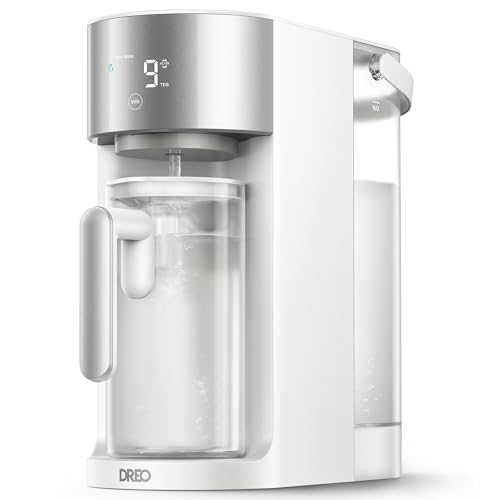
Reverse osmosis systems use a membrane, but the supplied descriptions for the DREO and Bluevua models do not specifically state a microplastic reduction claim. Review the model’s performance data before buying if that contaminant is your main concern. Countertop RO systems also need power and filter maintenance.
Are pitcher filters enough for private well water?
No single pitcher should be assumed to treat every well-water issue. These products list different targets, and the Waterdrop pitcher, for example, says it does not lower TDS. Test private well water and match the results to a filter’s stated performance before relying on it.
How often do these filters need replacement?
Replacement schedules vary by model and usage. Listed examples include Aquagear at 120 gallons, Waterdrop at up to 200 gallons or three months, and LifeStraw’s carbon and ion-exchange filter at 40 gallons or two months. Follow the specific maker’s instructions and indicators; capacity can change with source-water conditions.
Do these countertop filters need plumbing installation?
No, the listed DREO and Bluevua countertop RO systems are described as installation-free. They still need counter space, a power source, reservoir refills, and routine filter changes. A pitcher or dispenser may suit a smaller kitchen or refrigerator shelf better.
Can filtered water pitchers remove chlorine taste?
Several listed products identify chlorine taste or odor reduction, including Brita Elite models and Waterdrop. Check the exact model’s performance claims and replace its cartridge on schedule, since a worn filter may no longer perform as intended. For Best Water Filter For Microplastics comparisons and product details, verify current specifications before purchase.




Write Your Review
No reviews yet. Be the first to share your experience!