
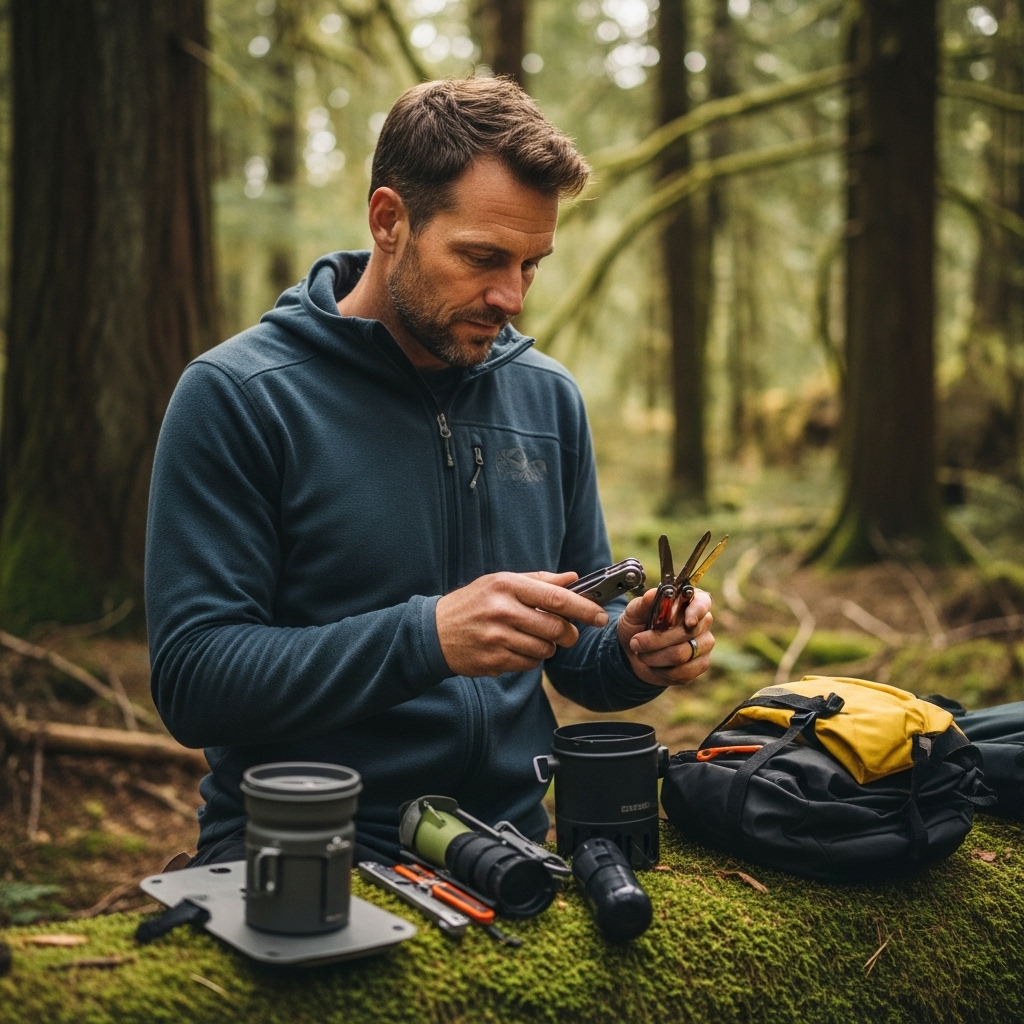

Carrying excessive fluid weight across rugged trails quickly drains physical stamina during remote backcountry excursions. Reliable water treatment turns natural streams, high-altitude tarns, and murky runoff into safe hydration without forcing you to lug extra gallons. Careful analysis of flow rates, membrane pore sizes, and cartridge longevity reveals that modern filter equipped water bottles for wilderness camping experts use deliver immediate purification right at the natural source. Squeeze flasks and integrated straw systems cut down trail pack weight while safeguarding hikers against bacteria, protozoan cysts, and suspended sediment. Pairing your portable setup with a dependable water storage container for emergencies creates a balanced system for camp chores and rapid trail travel.
Evaluating hollow-fiber membranes versus secondary activated carbon stages helps prevent common trail hydration headaches like clogged cores or unpleasant tannin tastes. Flexible squeeze vessels pack flat inside your rucksack, while rigid bottles provide structural protection against rough drops along rocky riverbeds. Many wilderness backpackers combine direct-sip filtration with a canteen for boiling water to establish redundant purification options during severe weather or freezing mornings. Examining verified cartridge lifespans, thread compatibility, and field maintenance ensures you secure dependable hydration equipment tailored directly to your wilderness journey.

Pros
- Ultra-fine 0.01-micron hollow fiber UF membrane provides tighter mechanical filtration than common 0.2-micron filters
- Durable 1,500-liter capacity covers multiple hiking seasons or extended emergency gear storage
- Extremely light empty weight of under 0.2 pounds makes it easy to pack on strenuous day hikes and treks
- Built-in compass cap adds functional trail utility without taking up extra pack space
Cons
- Dense multi-stage filter requires noticeably firmer suction through the straw than an unfiltered bottle
- Not dishwasher-safe and must be cleaned by hand to protect the seals and filter elements
- Initial use requires sipping and discarding the first few mouthfuls to flush loose carbon dust
The SurviMate 22-Ounce Filtered Water Bottle is an integrated personal filtration system built for backcountry hikers, backpackers, solo adventurers, and emergency survivalists who need reliable on-demand hydration. Engineered with a 5-stage composite filter that pairs a 0.01-micron hollow fiber ultrafiltration membrane with activated carbon fiber, this bottle enables outdoor enthusiasts to drink directly from freshwater streams, lakes, and mountain creeks. Its compact build fits smoothly into side pack sleeves, making it a practical option for weight-conscious hikers and emergency vehicle kits alike.
In backcountry settings, the primary advantage of this bottle is its tight 0.01-micron pore size, which provides significantly finer filtration than typical 0.2-micron trail filters. The layered system utilizes a coarse mesh screen for large debris, a polypropylene sediment membrane, mineral purification beads, and activated carbon fiber to target chlorine, bad tastes, organic compounds, and fine soil. Based on product specifications, the filter meets NSF/ANSI 42 standards for aesthetic impurity reduction and offers an operating lifespan of up to 1,500 liters (396 gallons), allowing extended outdoor travel without the need to carry heavy reservoirs of treated water.
Practical usability is central to the design, featuring BPA-free materials in an outdoor dark green finish. With a stated empty weight of under 0.2 pounds, carrying this bottle on steep ascents adds negligible pack burden. The lid is equipped with a miniature built-in compass on top, providing hikers with a secondary tool for trail orientation and perimeter scouting. A small silicone air release vent positioned beside the drinking straw prevents vacuum lock, ensuring steady intake as long as the vent remains unobstructed.
Campers should be aware of a few practical handling requirements before heading into the wild. Drawing water through five dense filtration layers creates noticeable resistance, requiring firmer suction effort than standard sport straws. During initial setup, loose activated carbon dust can temporarily tint the water, so users should flush the filter by sipping and discarding the first several mouthfuls. Additionally, the manufacturer notes that this bottle is not dishwasher-safe, meaning high-heat cleaning cycles should be avoided in favor of gentle hand rinsing.
For weekend backpackers, day hikers, bushcrafters, and bug-out bag organizers, the SurviMate Filtered Water Bottle provides a lightweight, self-contained hydration method that reduces pack load on the trail. While larger groups may still prefer high-capacity gravity bags for base camp chores, solo adventurers and preparedness-focused campers will value its 0.01-micron filtration precision and long cartridge lifespan.
The SurviMate filtration cartridge utilizes a 5-stage composite architecture designed to process natural freshwater sources efficiently. The sequence begins with a coarse screen that captures floating dirt and suspended debris, followed by a 0.01-micron hollow fiber ultrafiltration membrane that blocks micro-particulates with higher precision than conventional 0.2-micron backpacking straw units. A polypropylene sediment membrane, mineral purification beads, and activated carbon fiber complete the stack to reduce chlorine tastes, foul odors, and organic impurities.
With NSF/ANSI 42 certification for aesthetic improvements and a rated processing capacity of 1,500 liters (396 gallons), the filter is built for multi-season longevity. Because the internal pore structure is exceptionally tight, water flow depends entirely on user suction, meaning flow rates will feel firmer than drinking from a wide-mouth reservoir.
Maintaining the SurviMate water bottle properly will protect flow performance and prolong filter service life. The bottle body and filter assembly are not dishwasher-safe and must be washed by hand using mild soapy water and gentle rinsing. Avoid using boiling water or harsh abrasive detergents, as extreme temperatures can deform the seals and compromise the ultrafiltration fibers.
Before your first outdoor trip, prime the filter by drawing water through the straw and spitting out the first few mouthfuls until all loose carbon fines are cleared and the flow runs entirely clear. When drinking at camp or on the move, ensure your finger or hand does not block the silicone air release hole next to the straw, as unobstructed airflow is necessary to maintain proper suction.

Pros
- Hands-free gravity filtration frees you up to pitch tents or cook meals while filtering water
- Generous 1.5-gallon water capacity reduces repetitive trips down to the creek or water source
- Dual-ended modular straw connects easily to gravity bags, squeeze pouches, and common threaded beverage bottles
- Activated carbon core improves backcountry water flavor compared to plain hollow fiber filters
- Inexpensive maintenance thanks to simple backwash capability using a standard water bottle
Cons
- Requires a sturdy elevated branch or hook to achieve optimal gravity-fed water flow
- Internal hollow fiber membrane must be protected from freezing temperatures once wet to prevent damage
- Hauling a completely full 1.5-gallon bag back to camp adds noticeable temporary weight
The Waterdrop Gravity Water Filter Straw System is an all-in-one outdoor water purification kit engineered to provide high-volume safe hydration in backcountry environments. Built around a 0.1-micron hollow fiber membrane paired with coconut shell activated carbon, this setup purifies water from natural lakes, creeks, and rainwater caches. Unlike standard inline straw filters that require hard manual suction, this system pairs the straw with an expansive 1.5-gallon gravity bag, transforming raw outdoor water into clean drinking water with hands-free operation.
This filtration setup is tailored for backpackers, family campers, solo adventurers, and survivalists who need a steady water supply without carrying heavy plastic bottles. Camp cooks and group leaders will find the high reservoir volume especially useful for boiling pasta, filling hydration bladders, and prepping morning coffee. It also makes an exceptional addition to home emergency preparedness kits, overlanding rigs, and off-grid bug-out bags where municipal water reliability might be suddenly compromised during severe storms.
In field conditions, performance centers on the impressive 700 ml per minute flow rate and multi-stage filtration mechanics. The 0.1-micron ultrafiltration barrier removes common waterborne threats such as sediment, micro-debris, and turbidity, while the activated carbon layer helps neutralize chlorine taste and unpleasant swampy odors. Because the system utilizes gravity pressure, you can string the reservoir up between two trees, attach the hose, and let camp water filter effortlessly into clean canteens while you pitch your tent or start a campfire.
Constructed with durable, BPA-free TPU materials, the collapsible water reservoir withstands trail abrasion while folding down nearly flat when emptied. The complete package weighs under half a pound, making it light enough to slide inside an external backpack mesh pocket without eating into base weight allowances. The filter straw itself offers modular versatility, featuring threaded ends compatible with standard 27.5mm soda bottles and smaller personal squeeze pouches, giving you complete flexibility on long-distance treks.
While the system excels in camp convenience, it has a few natural limitations typical of hollow fiber gravity filters. Freezing temperatures can rupture the internal fibers once wetted, meaning winter hikers must sleep with the filter inside their sleeping bags. Additionally, highly silted glacial runoff or muddy puddles can slow the flow rate, requiring frequent backwashing via clean water flushes to keep the pores clear. Finding a sufficiently high branch or anchor point at dry campsites also requires some forward planning.
For outdoor enthusiasts, weekend backpackers, and emergency preppers seeking a high-capacity, budget-friendly filtration solution, the Waterdrop Gravity System provides outstanding utility. It eliminates the elbow grease of hand pump filters and the frustrating mouth fatigue of solo filter straws. If you want a dependable, multi-functional water purification system that effortlessly hydrates the whole camp, this setup is a dependable companion for your next wilderness outing.
Setting up the Waterdrop gravity system at camp takes just a few moments. Simply scoop raw water from a stream or lake into the wide-mouth 1.5-gallon reservoir, seal the top, and hang the bag from a tree branch, camp lantern pole, or vehicle roof rack using the integrated strap. Connect the filter straw to the tubing at the base, open the valve, and let gravity push clean water into your water bottle or cook pot.
Maintaining optimum flow rate on multi-day trips requires basic filter hygiene. When filtering sediment-heavy water, backflush the straw regularly by pushing clean water in reverse through the mouthpiece using a standard threaded pop bottle or the included squeeze pouch. After returning home from your trip, flush the filter thoroughly with clean tap water, air dry the bag completely to avoid mildew, and store the unit in a climate-controlled space away from freezing conditions.
Weight and pack space are critical factors for any backcountry expedition, and this complete water filtration kit weighs roughly 0.29 to 0.48 pounds. The collapsible TPU water bag rolls up compactly, slipping effortlessly into your pack side pocket or lid without consuming precious interior volume needed for sleeping bags and shelters.
Its modular design also lets you adapt your gear loadout to your itinerary. On ultra-fast solo day hikes, leave the 1.5-gallon bag behind and carry just the lightweight filter straw attached to a flexible water pouch. For group basecamps or dry-camp treks where water sources are miles apart, packing the full gravity kit ensures your crew can haul and filter multiple gallons in a single trip.
Pros
- 0.1-micron hollow fiber filter delivers fast squeeze flow directly from natural water sources.
- Industry-standard 42mm cap threading allows versatile swapping across compatible soft flasks.
- Collapsible TPU flask weighs only 82 grams and packs down tiny in a daypack or hip belt pocket.
- Dual-handle grip makes scooping water from shallow streams and squeezing into cookware easy.
Cons
- Hollow fiber membrane filters bacteria and protozoa but is not designed to neutralize viruses or dissolved chemicals.
- Like all hollow fiber filters, freezing temperatures on cold mountain nights can permanently damage the wet membrane.
- Flexible TPU flask material requires mindful handling around sharp rocks and thorny brush to prevent punctures.
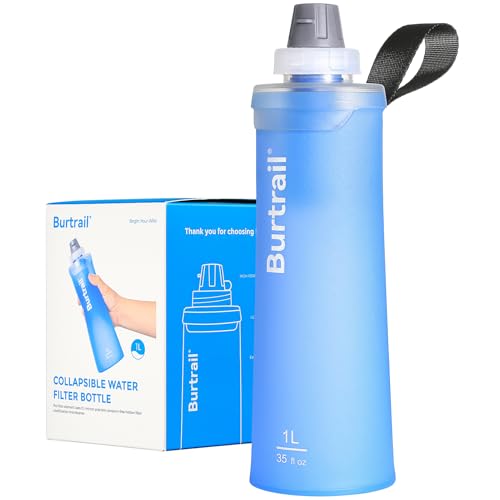
The Burtrail 1.0L Collapsible Water Filter Bottle is an ultralight, squeeze-style backcountry water filtration system designed for hikers, backpackers, trail runners, and emergency preparedness kits. Utilizing a high-performance 0.1-micron hollow fiber ultrafiltration membrane paired with a flexible 33.8-ounce food-grade TPU flask, this system provides on-demand drinking water directly from backcountry streams, alpine tarns, and rivers. For solo adventurers, fastpackers, and budget-conscious outdoor enthusiasts counting every ounce, it offers an efficient hydration setup that avoids the bulk of traditional pump filters.
In terms of trail performance, the Burtrail system emphasizes high flow rate and direct sipping convenience. The hollow fiber cartridge screws directly into the wide 42mm mouth of the flask, allowing quick dipping and filling even in shallow creeks. Once filled, the twist-to-drink cap delivers clean water with minimal squeeze pressure, eliminating the hand fatigue often experienced with rigid pump units. Backpackers cooking dinner at camp can easily invert the flexible bottle to squeeze filtered water straight into dehydrated meal pouches or titanium cook pots without needing secondary hoses or adaptors.
The build quality centers around a durable, BPA-free thermoplastic polyurethane (TPU) body that withstands repetitive folding, rolling, and trail compression. Tipping the scales at a scant 82 grams (approximately 2.9 ounces), the empty flask rolls down to a fraction of its 3.4 by 11 inch deployed size, fitting neatly into side mesh backpack pockets or trail running vest pouches. A reinforced dual-handle grip provides steady ergonomics when scooping water from slippery banks and provides practical control while walking. Additionally, the industry-standard 42mm threading ensures versatile cross-compatibility with other popular 42mm replacement cartridges and flasks.
Maintenance on the trail is straightforward, requiring only a simple shake-and-swish routine with clean water to clear sediment from the membrane pores, bypassing the need for specialized backflush syringes. However, buyers should keep fundamental outdoor safety considerations in mind. The 0.1-micron hollow fiber filter removes standard waterborne biological contaminants like bacteria and protozoa, but it does not purify water against viruses or chemical runoff. Furthermore, like all hollow fiber membrane systems, the filter must never be allowed to freeze once wetted, meaning campers in below-freezing shoulder season conditions must stash the cartridge inside their sleeping bag at night to protect the internal fibers.
Based on its lightweight packability, standard 42mm modularity, and 1,000-liter rated filter lifespan, the Burtrail 1.0L Filter Bottle represents a practical hydration choice for weekend warriors, thru-hikers, and international travelers. It works exceptionally well as a primary filter on well-watered wilderness trails or as a dependable backup in car camping and emergency survival gear bins. Outdoorsmen seeking a fast, hassle-free squeeze filter that keeps trail weight low will find this collapsible flask system well suited for their backcountry adventures.
To ensure consistent water flow and prolong the 1,000-liter lifespan of the filter cartridge, routine cleaning is essential. On the trail, if silt or organic matter begins to slow down the flow rate, partially fill the TPU flask with filtered water, attach the filter cap, and shake vigorously for 20 to 30 seconds before swishing it thoroughly. This shake-and-swish method dislodges trapped particles without the need for a separate backwash syringe.
Before long-term storage, flush the membrane with clean, chlorinated tap water or a mild sanitizer solution as recommended for hollow fiber filters, and allow all components to air dry completely. During cold-weather backpacking trips where temperatures dip below freezing, keep the damp filter inside your jacket pocket or at the foot of your sleeping bag, as ice expansion will crack the hollow fibers and compromise filtration safety.
Backpackers and thru-hikers prioritize low weight, minimal pack volume, and rapid camp transitions, all areas where the Burtrail squeeze system shines. At an all-in weight of just 82 grams, this 1.0-liter system replaces cumbersome hand pumps and gravity setups with a single streamlined unit. When empty, the supple TPU bottle rolls down flat, slipping easily into exterior backpack stash pockets or running vests.
The generous 33.8-ounce capacity strikes a balanced sweet spot between carrying adequate water between dry trail stretches and minimizing excess carry weight. Thanks to the universal 42mm threading, backpackers can seamlessly integrate the filter into existing hydration systems or swap caps between compatible soft flasks across multi-day expeditions.

Pros
- Extremely lightweight at approximately 3.6 ounces, making it effortless to carry on long treks
- Thicker collapsible flask material feels durable and resists leaks much better than flimsy soft flasks
- Generous flow rate allows you to drink immediately or squeeze clean water quickly into cooking pots
- Compact profile rolls down small when empty to maximize room in packed car trunks and daypacks
Cons
- The 650ml capacity requires frequent refills when filtering water for group cooking or family camping
- Collapsible flask can feel floppy in hand when partially filled compared to rigid bottles
- Hollow-fiber filter element must be kept from freezing in sub-zero conditions to avoid internal damage
The LifeStraw Peak Series Collapsible Squeeze Bottle is a compact, personal water filtration system designed for backcountry trails, fastpacking, and minimalist camping. Tailored specifically for ultralight backpackers, solo adventurers, and trail runners, this squeeze system replaces rigid bottles and heavy pump filters with a flexible, pack-friendly profile. Based on product specifications, the 650ml flask weighs just 3.6 ounces and packs down nearly flat, making it an easy addition to a running vest, backpack hip belt, or emergency survival pack.
When collecting water from backcountry streams, alpine lakes, or roadside creeks, dependable biological protection is essential. This system uses an advanced membrane microfilter designed to block 99.999999% of waterborne bacteria, including E. coli and Salmonella, alongside 99.999% of parasites such as Giardia and Cryptosporidium. According to product details, the re-engineered filter achieves a high flow rate of up to 3 liters per minute, which minimizes wait times when squeezing clean water into dehydrated meal pouches or camp cookware at dusk.
Durability is often a weak point in collapsible flasks, but the Peak Series addresses this concern with materials that are twice as thick as standard lightweight squeeze bottles. The BPA-free plastic build resists pinhole punctures and rough abrasion against pack zippers and rocky ground. An over-cap seal and smart-seal mouthpiece prevent unwanted leaks inside your dry pack, while the integrated top loop lets you clip the bottle to a carabiner for easy access on the move.
Using the system on the trail is straightforward and hassle-free. Campers simply scoop raw water through the wide opening, thread the filter cap back into place, and drink directly from the nozzle or squeeze the bottle to fill secondary canteens. When drawing from murky or silt-heavy creeks, the included backwash syringe accessory allows you to flush out sediment in the field, helping restore water flow without needing special tools or chemicals.
While the 650ml capacity is well-suited for solo hikers and fast-and-light weekend warriors, family campers or large groups will likely find the bottle size small for processing large volumes of camp water at once. Like all hollow-fiber membrane filters, it also requires cold-weather care, meaning campers should sleep with the filter inside their sleeping bag during freezing mountain nights to prevent ice from compromising the fibers. For solo hikers, trail runners, and emergency bug-out planners, this squeeze bottle offers a dependable blend of packability, durability, and rapid filtration performance.
Weighing around 3.6 ounces, this filtration system is built with weight-conscious backpackers and trail runners in mind. When empty, the collapsible flask rolls down tightly to fit inside a jacket pocket, running belt, or the side sleeve of a daypack.
The flexible shape conforms easily inside crowded backpacks, eliminating the awkward bulk associated with traditional hard-sided water purifiers. The built-in attachment loop also offers flexible carry options, allowing users to clip it to a harness or daisy chain using a standard carabiner.
Proper maintenance ensures the hollow-fiber membrane continues to deliver a fast flow rate on every outdoor excursion. After filtering sediment-heavy water from glacial runoffs or shallow puddles, using the included backwash accessory helps clear trapped silt and organic matter from the filter pores.
For off-season storage, rinse the flask thoroughly with clean tap water and allow both the bottle and filter cap to air-dry completely before packing them away. In freezing alpine conditions, always keep the filter inside an interior jacket pocket or down sleeping bag, as frozen water expanding inside the membrane can permanently damage the hollow fibers.

Pros
- Reliable two-stage filtration system eliminates common backcountry pathogens while refreshing water flavor
- Impressive 1,000-gallon membrane lifespan delivers long-term value across years of camping and hiking
- Rugged BPA-free recycled plastic construction handles outdoor knocks and trail abrasion without denting
- Simple scoop-and-sip operation avoids the hassle of hoses, squeeze bags, or chemical purification tablets
Cons
- Sipping through the internal filtration straw requires slightly more suction effort than drinking from a wide-mouth bottle
- Activated carbon capsule requires replacement after roughly 26 gallons to maintain peak taste and odor reduction
- Internal filter assembly displaces space inside the 22-ounce bottle, requiring frequent refills on dry backcountry trails
The LifeStraw Go Series 22oz Water Filter Bottle is an integrated personal filtration system built to supply safe drinking water directly from natural outdoor sources and untreated tap supplies. Instead of relying on manual hand pumps, battery-powered purifiers, or chemical chlorine tablets that leave an unpleasant aftertaste, this self-contained unit allows you to dip your bottle into a backcountry river, screw on the lid, and sip immediately. Its compact footprint makes it a natural fit for day hikers, lightweight backpackers, car campers, festival attendees, and emergency preparedness planners who want clean hydration without packing bulky filtration gear.
At the heart of this bottle is a two-stage filter design that handles both biological safety and palatable taste. The hollow fiber membrane microfilter blocks 99.999999% of bacteria such as E. coli and Salmonella, alongside 99.999% of protozoan parasites like Giardia and Cryptosporidium. In addition to halting microplastics, silt, and cloudiness, the integrated activated carbon capsule tackles dissolved organic matter, chlorine, and sour odors. Whether scooping from a questionable campground faucet or filtering water from a remote mountain stream, the system yields crisp, odor-free water that keeps hydration simple during long days outdoors.
Built from rugged BPA-free plastic utilizing 50% post-consumer recycled material, the Go Series bottle handles the typical bumps and drops of active outdoor travel. At 8.7 ounces empty, it adds minimal weight to your hiking loadout and fits cleanly into standard elastic daypack side pockets. The leak-resistant cap includes a sturdy loop that easily accepts a carabiner for securing to a backpacking frame, kayak deck rigging, or car headrest. The hollow fiber membrane is rated to process up to 1,000 gallons (4,000 liters) of water, offering reliable service for multiple seasons of backcountry trips.
Operating the bottle is as simple as filling the reservoir and drinking through the silicone mouthpiece, though campers should expect slightly more suction resistance than drinking from an open canteen. Because the internal filter displaces volume, the liquid capacity sits at roughly 22 ounces, which may require frequent top-offs on dry ridgeline hikes. Keeping the system in prime condition involves occasionally backwashing the membrane if flow rates slow due to silty water, and replacing the carbon filter every 26 gallons to preserve fresh flavor. In sub-freezing temperatures, campers should keep the filter element inside their sleeping bag at night, as frozen residual water can damage the microscopic hollow fibers.
For solo adventurers, weekend hikers, international travelers, and campers preparing emergency storm kits, the LifeStraw Go Series 22oz bottle delivers a balanced blend of reliable microbiological defense and everyday convenience. It removes the guesswork from backwoods water safety without weighing down your pack or requiring complex maintenance in camp. While high-volume family base camps may still benefit from gravity filtration bags for group meals, this bottle remains one of the simplest and most dependable personal hydration tools for quick trail outings and fast-moving outdoor journeys.
Caring for the LifeStraw Go Series bottle ensures steady water flow and long-term durability across many seasons of use. After returning from a trek, disassembling the bottle and rinsing the membrane microfilter with clean tap water helps flush out accumulated silt and fine particles. Leaving the cap off to air-dry completely prevents stagnant odors or mildew from forming in the bottle during home storage.
Replacing wear items is simple and keeps the filtration system performing at its best. While the primary hollow fiber membrane can process up to 1,000 gallons of backcountry water, the activated carbon capsule should be swapped roughly every 26 gallons to continue neutralizing chemical odors and chlorine taste. Campers venturing into near-freezing weather should also remember to pack the wet filter close to their body or inside a sleeping bag, preventing ice crystals from compromising the filtration pores.
Frequently Asked Questions
How do hollow-fiber membranes in Filter Equipped Water Bottles For Wilderness Camping Experts Use remove backcountry pathogens?
Hollow-fiber membranes use microscopic pores measuring between 0.01 and 0.2 microns to physically block bacteria, protozoa, and microplastics from passing into your clean water. Water is pushed through hollow strands where contaminants larger than the pore size become trapped on the outer surface. This physical exclusion process delivers immediate filtration without introducing chemicals or requiring battery power.
What is the difference between an integrated straw bottle and a collapsible squeeze flask?
Integrated straw bottles filter water as you sip directly through the mouthpiece, while collapsible squeeze flasks allow you to force water through the filter into cookware or secondary vessels. Straw designs offer quick personal hydration while trekking, but squeeze models like the Burtrail 1.0L or LifeStraw Peak provide extra versatility for campsite cooking. Squeeze systems also compress down when empty, saving critical backpack volume.
Can a filtered water bottle handle silt and murky river water without clogging?
Heavy silt will eventually slow the flow rate of any hollow-fiber membrane filter, requiring periodic field backwashing to restore optimal performance. Systems equipped with backwash accessories or shake-to-clean membranes clear accumulated sediment from the filter pores. Letting turbid water settle in a secondary bag before filtering helps prolong the operating lifespan of your filter element.
Why does the first sip from a composite carbon filter sometimes taste dusty or look dark?
Initial dark runoff stems from harmless loose carbon dust generated during the factory manufacturing of activated carbon stages. Rinsing the straw or spitting out the first few mouthfuls clears these microscopic carbon fines completely. The activated carbon stage then functions normally to reduce chlorine, unpleasant organic odors, and unwanted chemical taste.
How should you store and maintain your wilderness filtration bottle between camping trips?
Proper maintenance requires thoroughly flushing the filter with clean, chlorine-free water and allowing all components to dry completely before long-term storage. Storing wet membranes in sealed containers invites mold formation, while exposure to freezing temperatures can rupture hollow fibers and compromise filtration safety. Keeping your gear clean and ready next to your camping chair ensures you are prepared for unexpected weekend escapes in 2026.








Write Your Review
No reviews yet. Be the first to share your experience!