
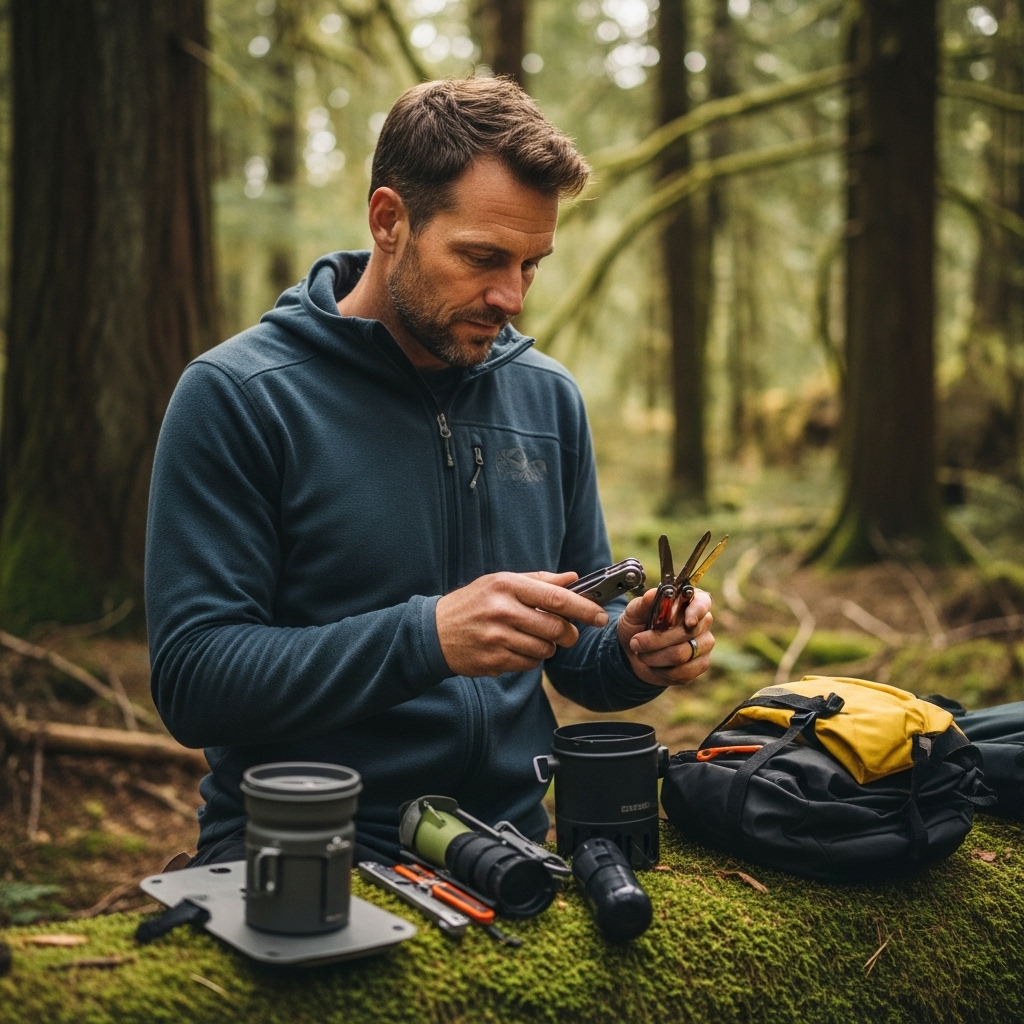

Pitching a tent on uneven ground or rolling into an overcrowded campground after hours of driving can instantly derail any outdoor getaway. Reliable trip planning and clear guidance on how to find a camping spot transform unpredictable wilderness excursions into restful, well-organized retreats. A proper campsite layout balances shelter dimensions against ground clearance, ensuring water drainage stays away from your tent body while keeping essential equipment accessible. Backcountry travelers who pack durable water filters for off grid camping gain greater flexibility when selecting remote terrain without utility hookups.
Campers often face the dilemma of choosing between developed campgrounds with amenities and dispersed rustic retreats that demand self-reliance. Packed vehicle space directly affects campsite comfort, so coordinating compact gear alongside reliable outdoor cooking sets camping equipment keeps mealtimes simple under any weather conditions. Based on product specifications and user feedback, dedicated route guides and boondocking manuals help outdoor enthusiasts pinpoint legal public lands and streamline backcountry navigation. A thoughtfully selected pitch prevents midnight puddling, shields your living zone from harsh morning glare, and provides a secure base for all your outdoor adventures.


Frequently Asked Questions
What is the best way to research dispersed campsites before leaving home in 2026?
Utilizing digital topographic maps, agency recreation portals, and published off-grid location guidebooks provides the most reliable pre-trip research. Digital overlays reveal access roads, turnaround radiuses, and terrain clearings suitable for tent setups. Cross-referencing motor vehicle use maps prevents accidental trespassing on private parcels or protected wilderness zones.
How far from water sources should you set up a campsite?
Pitching your shelter at least 200 feet away from lakes, streams, and rivers is the standard rule for outdoor safety and conservation. Maintaining this perimeter preserves delicate riparian ecosystems and prevents contamination of freshwater sources. Packing dependable multi purpose camping tools helps clear loose debris on firmer, elevated ground well outside sensitive drainage zones.
Can you camp anywhere on public land across the United States?
No, camping is restricted to designated areas or permitted dispersed zones managed by specific agencies like the Bureau of Land Management. While millions of public acres accommodate dispersed camping, each district enforces specific stay limits and vehicle pullout rules. National parks generally require backcountry permits or reserved campground sites rather than open boondocking.
How does ground slope impact tent setup and sleep quality?
Sleeping on even a slight incline causes sliding against tent walls and disrupts overnight rest unless your head rests slightly uphill. Selecting a flat, level grade prevents sleeping pads from migrating across slippery tent fabrics during the night. Level ground also stops rainwater from pooling directly beneath your waterproof floor during sudden squalls.
What gear is essential when learning how to find a camping spot off the beaten path?
A reliable navigation source, self-contained waste management equipment, adequate water storage, and weather-appropriate shelter form the core kit for dispersed camping. Boondocking without established facilities requires carrying sufficient potable water and portable battery packs for camp lighting. Detailed guides help locate verified access roads without getting stuck on unmaintained trails.




Write Your Review
No reviews yet. Be the first to share your experience!