
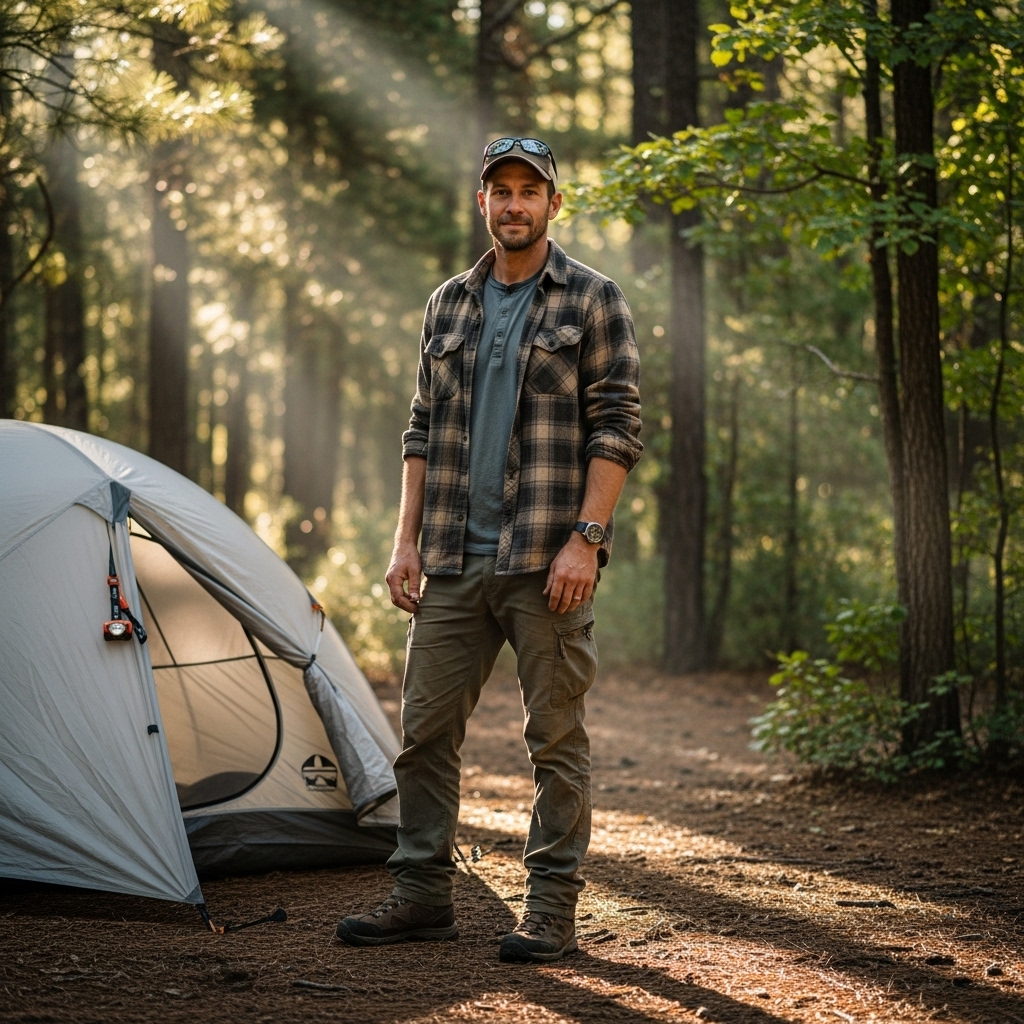

Setting foot on an unpaved trail for the first time can feel intimidating without the right baseline knowledge. Getting your footing outdoors starts with understanding trail navigation, weather management, and basic safety before investing in expensive gear. Learning how to get into hiking and camping requires matching your planned physical effort with appropriate trail systems and reliable sleep setups. Beginners often struggle with heavy backpacks and confusing gear lists, which drains the fun out of a weekend trip. A practical approach focuses first on essential survival manuals, navigation skills, and manageable day hikes before graduating to overnight trips.
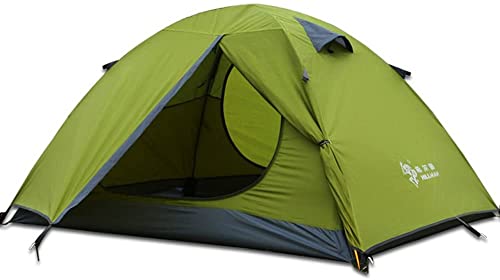
Campsite comfort depends directly on striking a balance between packed weight and necessary warmth, especially when transitioning from daytime trail trekking to cold evening hours. A dependable shelter setup such as a sturdy timber camping tent for car camping provides an approachable way to practice site management without the strict pack-volume limits of backcountry trekking. Sound preparation also involves mastering basic campsite sanitation and hydration logistics. As you build foundational wilderness competence through reliable field guides and simple hygiene accessories, outdoor excursions become far more rewarding and significantly less stressful.




Essential Wilderness Advice: How To Get Into Hiking And Camping FAQs
What essential gear do beginners need to start hiking and camping?
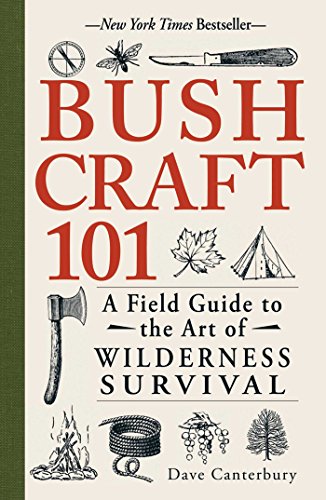
Beginners should start with dependable footwear, weather-appropriate clothing layers, a simple shelter system, water purification, and a basic navigational aid or field handbook. Rather than purchasing specialized ultralight setups immediately, start with fundamental gear that ensures basic warmth and hydration. Studying practical instructional guides helps novices understand how to organize essentials without overloading pack volume. Sticking to simple car-camping sites initially lets new campers evaluate their gear list before tackling remote trails.
How should someone prepare for their very first overnight camping trip?
Preparing for a first overnight trip involves reserving an established frontcountry campsite close to vehicle parking rather than backpacking deep into wilderness areas. Car-camping sites provide easy access to vehicle storage and emergency exits while you practice pitching a tent and preparing meals. Reviewing guidelines on rules for planning consecutive nights outdoors can offer structured milestones for beginner progression. Practicing tent setup at home prevents frustration and unexpected shelter issues once you arrive at the campsite.
How do you handle outdoor personal hygiene while on the trail?
Trail hygiene requires carrying dedicated sanitation supplies including biodegradable soap, trowels for waste disposal, and convenient personal relief tools. Specialized accessories like the SMEKLYN female urination device allow individuals to manage bathroom breaks cleanly without awkward squatting on rugged terrain. It is vital to pack out all wipes and sanitary paper in sealed plastic bags to follow leave-no-trace standards. Proper hand cleanliness before handling camp cookware prevents stomach illness in backcountry settings.
What skills should you learn before venturing into the backcountry?
You should learn basic topographical map reading, fire building safety, emergency first aid, and sudden weather prediction prior to backcountry trips. Wilderness survival handbooks provide foundational knowledge on signaling and emergency shelter construction if trail conditions deteriorate. Practicing these core bushcraft techniques in controlled environments builds trail confidence. Understanding localized wildlife protocols also minimizes risky animal encounters at night.
Is car camping better than backpacking for novices?
Yes, car camping is significantly better for beginners because it eliminates strict pack weight constraints and provides immediate access to emergency transport. When camping next to your vehicle, you can bring extra blankets, larger cookers, and heavier tents without carrying them across miles of rough elevation. This low-risk setting gives new campers space to understand outdoor sleeping routines and meal prep comfortably. Once familiar with campsite logistics, transitioning to lightweight backpacking becomes much smoother.




Write Your Review
No reviews yet. Be the first to share your experience!