
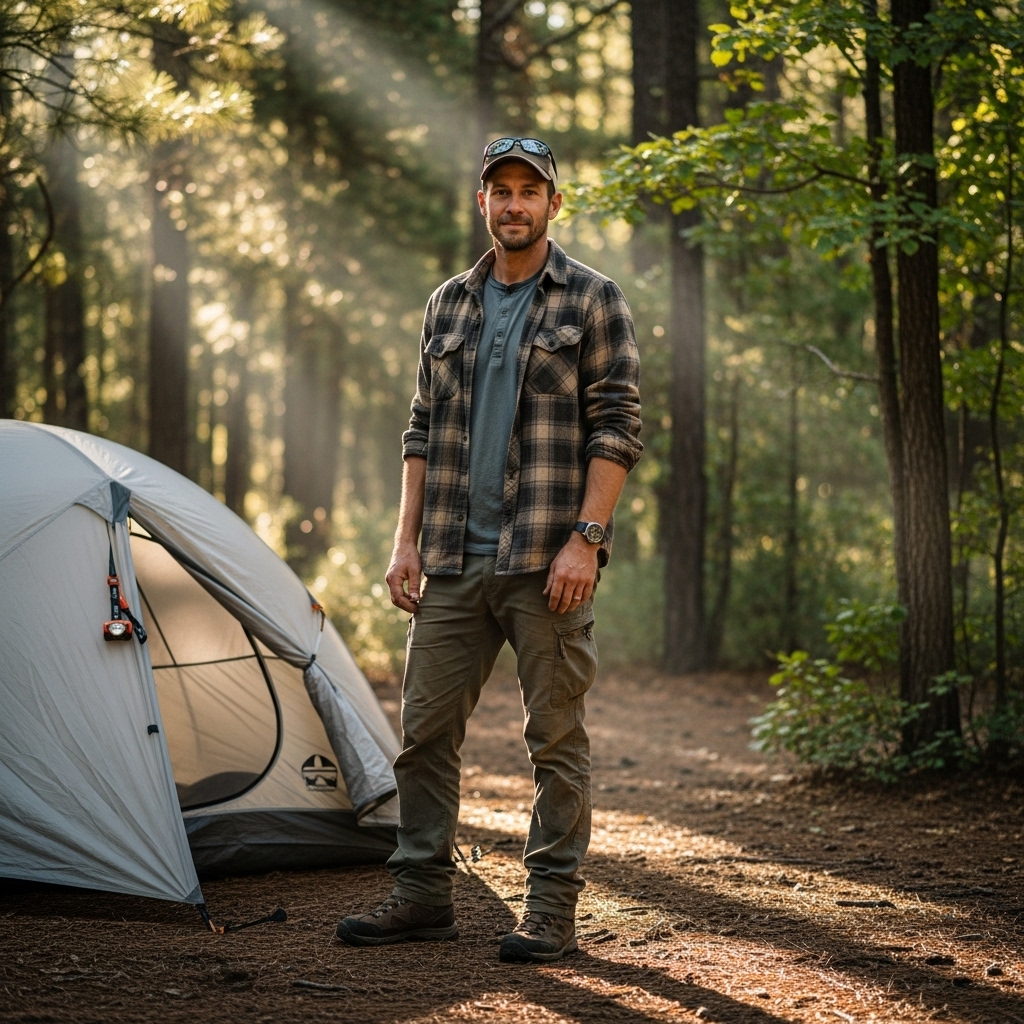

Heading out into the woods sounds simple enough until you face a mountain of gear options, unpredictable weather, and confusing equipment ratings. Solid campsite comfort begins with understanding the basics rather than buying every piece of outdoor gear on the store shelf. Learning how to get started camping without stress comes down to mastering shelter, sleep insulation, and simple food prep before tackling remote wilderness areas. A rookie mistake is overpacking bulky household items instead of investing in a dependable spacious car camping tent and an insulated sleeping pad. When you strip away the marketing noise, your primary goals are staying dry, sleeping warm, and keeping meals hassle-free.
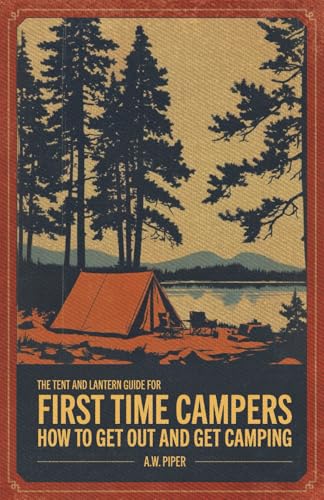
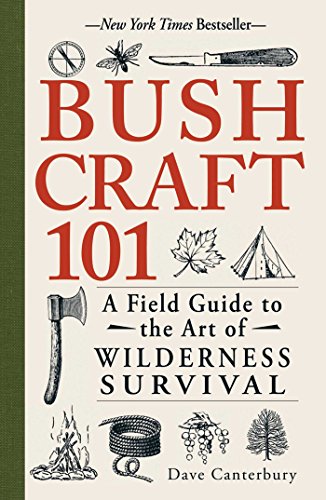
Field guides and beginner manuals provide clear blueprints so you avoid painful trial and error at the campground. Reliable instructional books break down essential fire building, basic knots, site selection, and family safety into manageable steps. Pairing dependable reference guides with functional camp essentials ensures your first night under the stars is relaxing rather than exhausting. Taking time to learn fundamental outdoor skills turns nervous first-timers into confident campers who know how to handle damp kindling, shifting winds, and chilly overnight drops in temperature.



Essential Questions on How To Get Started Camping
What gear is truly necessary when learning how to get started camping?
A reliable shelter, an insulated sleep system, and clean water storage form the absolute core gear checklist for beginner campers. A weatherproof tent paired with a ground pad protects against chilly damp ground, which prevents restless nights. Basic lighting like a headlamp and a simple single-burner stove cover your evening visibility and cooking needs. High-tech wilderness gadgets can wait until you become familiar with standard campsite setups.
Should beginners start with car camping or backpacking?
Car camping is the safest and most practical choice for first-time campers. Vehicle camping allows you to bring extra blankets, heavier cookware, and sturdy shelter without worrying about trail pack weight. You also maintain a quick exit route if severe weather rolls in unexpectedly during your stay. Backpacking requires ultralight equipment and backcountry navigation skills that are best developed after mastering vehicle-based trips.
How do you stay warm inside a tent during chilly nights?
A high R-value sleeping pad paired with a properly rated sleeping bag is the primary defense against overnight cold. Tent fabric does not insulate the interior, meaning body heat escapes quickly unless trapped by your sleeping bag. An insulated foam or inflatable pad stops ground chill from sapping your body heat from underneath. Dressing in dry wool or synthetic base layers before crawling into bed keeps warmth locked in through early morning drops in temperature.
How should beginners handle campsite shade and weather protection?
Setting up a freestanding protective canopy shelter creates a dry communal living space over picnic tables and cooking stations. Tents are designed strictly for sleeping and gear storage, leaving you exposed to sun or rain during daytime meal prep. A separate shade canopy shields your cooler and camp chairs from intense midday heat. Guy lines and sturdy metal stakes keep these open shelters stable during sudden gusty afternoon breezes.
What is the most common mistake when planning a first campout in 2026?
Overcomplicating camp meals and arriving at the campsite after dark are the most frequent beginner missteps. Pitching a tent for the first time with flashlight beams adds unnecessary stress to your arrival. Pre-cooking simple dinners at home and pulling into camp during daylight gives you plenty of time to organize your sleep area. Practicing your shelter setup in the backyard before leaving home ensures an effortless transition to the campsite.






Write Your Review
No reviews yet. Be the first to share your experience!