
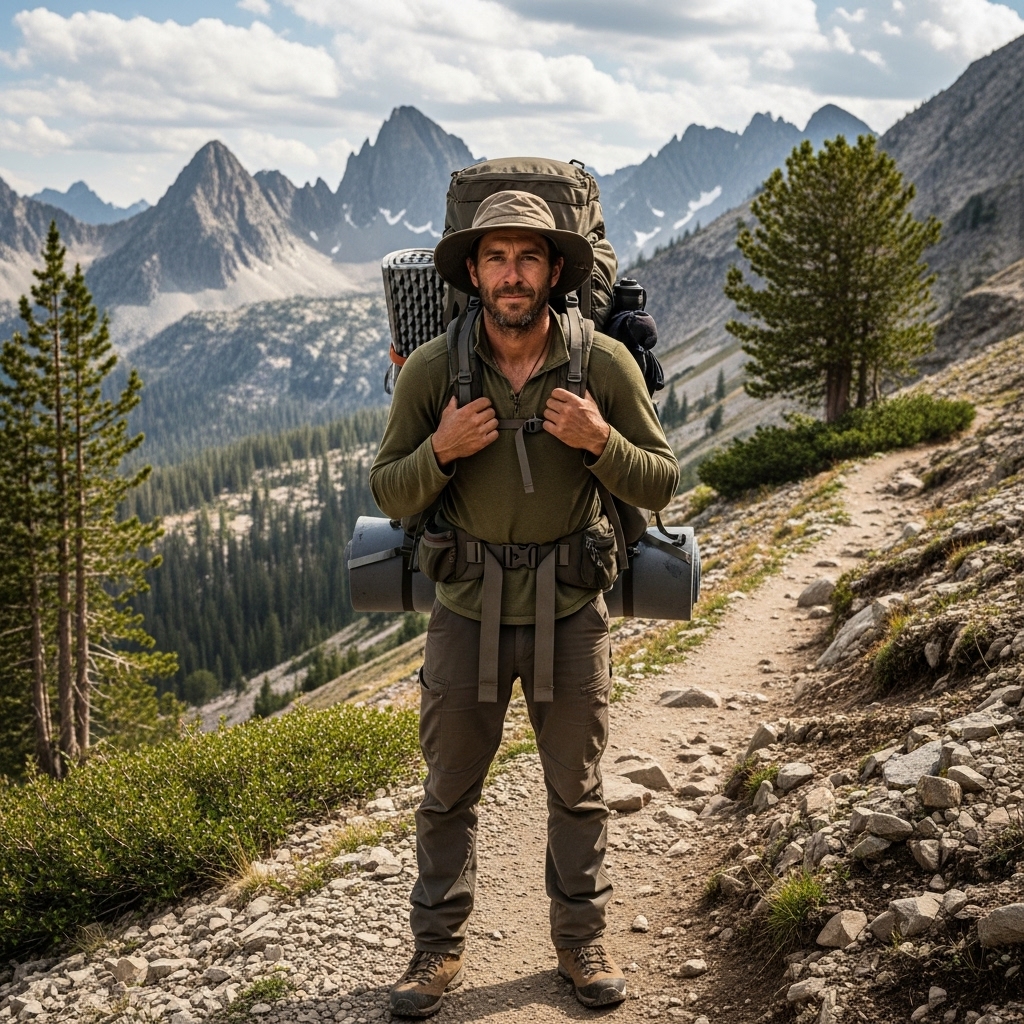

Pitching a shelter under dense pine canopies sounds peaceful until twilight hits and you realize you’ve packed damp tinder or your sleeping pad lacks proper ground insulation. Understanding how to go camping in the woods isn’t just about hauling gear into the trees, but knowing how each tool protects you from the elements. A well-organized pack separates vital shelter, clean water filtration, and thermal layers so you aren’t digging through clutter in the dark. Beginners often mistake heavy bulk for genuine readiness, leading to sore backs and chaotic campsite setups. Pairing practical field manuals with reliable shelter options for car camping ensures your basecamp stays dry when unexpected storms roll across the ridgeline.
Solid campcraft always relies on dependable basics like finding level ground, hanging food away from critters, and managing moisture inside your tent. Learning how to go camping in the woods requires studying core bushcraft techniques before stepping onto remote trails. High-quality outdoor guides provide structured methods for fire building, emergency navigation, and water purification that keep novice adventurers safe. Taking an evening to study trail etiquette and campsite layout turns an intimidating night outdoors into a comfortable wilderness retreat.






Helpful Insights on How To Go Camping In The Woods
What are the primary essentials needed when learning how to go camping in the woods?
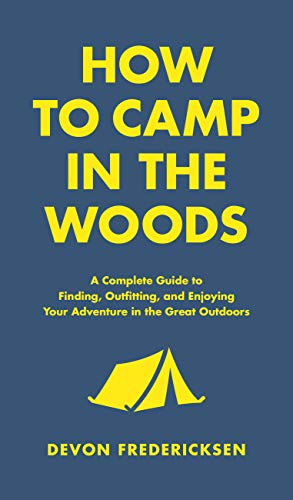
Every camper needs the core survival essentials: reliable shelter, clean water filtration, weather-appropriate clothing layers, navigation tools, and an efficient fire-starting kit. Field guidebooks such as How to Camp in the Woods outline these critical items to keep beginners from packing unnecessary clutter. Prioritizing these foundational tools protects you against hypothermia and dehydration while simplifying pack organization.
How do beginners manage sanitation and hygiene deep in the woods?
Proper wilderness hygiene requires digging a six-to-eight-inch cat-hole at least 200 feet away from trails, campsites, and natural water sources. Practical manuals like Pete Poops illustrate effective body mechanics and Leave No Trace principles for backcountry sanitation. Packing biodegradable wipes and a dedicated trowel keeps your campsite sanitary and protects local watersheds.
Can beginner guidebooks help youth learn outdoor survival skills safely?
Yes, youth-focused guidebooks introduce foundational survival tactics using structured, age-appropriate instructions for knot tying, shelter pitching, and basic first aid. Titles like the Wilderness Survival Guide for Kids break down essential woodsman skills so young campers build confidence without taking unnecessary risks. Practicing these skills under supervision also helps scouts preparing for camping merit badge rules and outdoor troop trips in 2026.
What is the difference between bushcraft skills and modern car-camping prep?
Bushcraft emphasizes creating tools and shelters directly from natural materials using basic knives, while modern car camping relies on manufactured gear packed in vehicles. Instructional titles like Bushcraft: The Ultimate Guide to Survival in the Wilderness teach self-reliance techniques that reduce gear dependency. Both approaches teach valuable outdoor knowledge, but bushcraft focuses on wilderness self-preservation rather than campsite convenience.
How should beginners plan campsite locations when practicing how to go camping in the woods?
Campers should select durable, level ground located at least 200 feet from water sources while avoiding dead overhanging branches known as widow-makers. Regional references like the Camper’s Guide to Texas Parks, Lakes provide established site layouts that help outdoor enthusiasts find verified camping grounds with proper facilities. Choosing safe terrain prevents rainwater pooling beneath your tent floor during sudden storms.






Write Your Review
No reviews yet. Be the first to share your experience!