
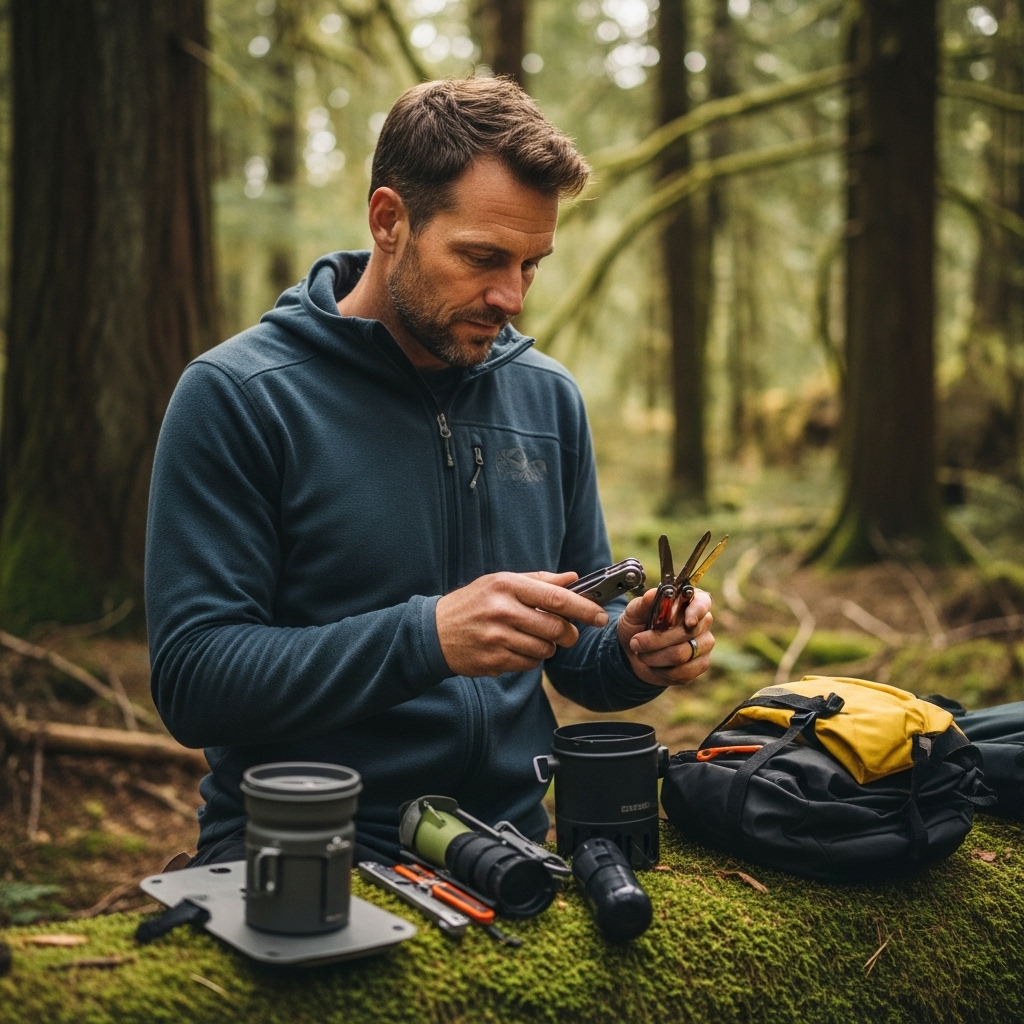

Packing your vehicle for an extended stay in the backcountry often exposes the massive gap between weekend leisure and daily self-reliance. Setting up a durable basecamp requires realistic planning for food prep, shelter stability, and off-grid troubleshooting before bad weather rolls in. Learning how to live camping successfully means studying verified survival techniques, mastering camp hosting logistics, and keeping your daily campsite kitchen clean. Having a spacious timber camping tent for car camping provides the dependable shelter envelope needed to store gear securely while you manage daily routines. Editorial analysis of field guides and outdoor utility accessories shows that well-prepared campers prioritize dependable instructional manuals over guesswork.
Practical outdoor living depends on matching reliable wilderness guides and absorbent camp kitchen gear with realistic expectations about off-grid routines. Campers who transition to extended outdoor living or vehicle travel quickly discover that it doesn’t take much for minor gear oversights to create campsite chaos. Microfiber waffle-weave towels keep cooking areas sanitary, while reference handbooks from established outdoor authors help resolve sudden power or navigation dilemmas. Investing in proven survival guides and durable camp accessories makes every long-term stay significantly safer and more comfortable.






Frequently Asked Questions
What core reference books are recommended when learning how to live camping?
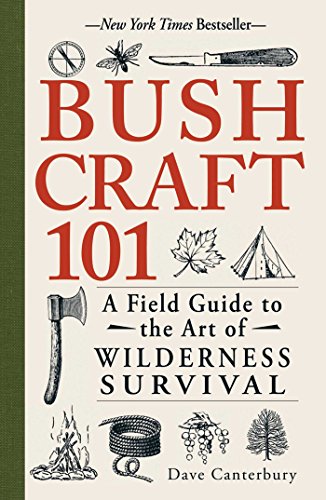
Foundational field guides focusing on wilderness survival, off-grid power management, and camp hosting provide the practical framework for long-term outdoor stays. Simon & Schuster publishes practical bushcraft and wilderness guides that outline fundamental fire-building, foraging, and shelter-construction techniques. Handbooks like The Complete Camp Host Guide explain how to navigate seasonal employment and public land regulations. These instructional texts help outdoor enthusiasts build essential self-reliance skills before spending extended time in remote terrain.
Can microfiber dish towels handle daily camp kitchen cleanup during extended trips?
Yes, microfiber waffle-weave towels are well suited for daily outdoor dishwashing and campsite cleanup. The waffle weave pattern traps moisture and grease efficiently while drying much faster than conventional cotton towels after hand washing. Compact dimensions like 16 by 24 inches make them easy to pack into vehicle organizers or hang on camp clotheslines. Setting up a protective marmot canopy tent over your outdoor kitchen table keeps these dish towels dry during sudden afternoon rainstorms.
What is the difference between weekend car camping and full-time outdoor living?
Full-time outdoor living requires continuous waste management, water purification, and grid-independent power routines rather than simple short-term packing. Weekend campers rely primarily on pre-packed ice chests and disposable goods, whereas long-term campers need sustainable cooking systems and repeatable maintenance cycles. Resources like The Blackout Survival Bible explain how to manage prolonged power loss and sanitary needs in off-grid conditions. Pair your sleeping setup with a private wolfwise outdoor tent to maintain personal hygiene and dressing comfort during multi-week trips.
How do van life guides assist travelers learning how to live camping in 2026?
Van life reference manuals provide structured guidance on vehicle conversion layouts, legal overnight parking, and mobile budget management. Dedicated handbooks such as How to Live in a Van and Travel offer practical checklists for managing battery power, solar inputs, and freshwater storage. They also prepare nomads for psychological challenges like navigating tight living quarters during foul weather. Reviewing these guides before hitting the road prevents costly equipment mistakes and parking citations.
Why is learning off-grid survival skills important for long-term campers?
Unpredictable weather patterns and equipment breakdowns can isolate campers from commercial services without warning. Wilderness survival manuals teach reliable methods for locating clean drinking water, constructing emergency shelters, and treating basic injuries without grid power. Understanding how to manage resources during prolonged blackouts builds confidence when living in dispersed camping zones. These foundational practices reduce panic and keep outdoor travelers safe during unexpected weather events.
How should campers maintain and clean their kitchen accessories at primitive campsites?
Campers should wash kitchen towels and utensils in designated washbasins using biodegradable soap and hang them to air dry away from food prep areas. Machine-washable microfiber towels can be rinsed thoroughly in warm water and line-dried between camp moves to prevent mold growth. Following Leave No Trace principles ensures that wash water is strained and disposed of at least 200 feet from natural water sources. Proper fabric care keeps camp kitchen gear hygienic throughout multi-week expeditions.






Write Your Review
No reviews yet. Be the first to share your experience!