
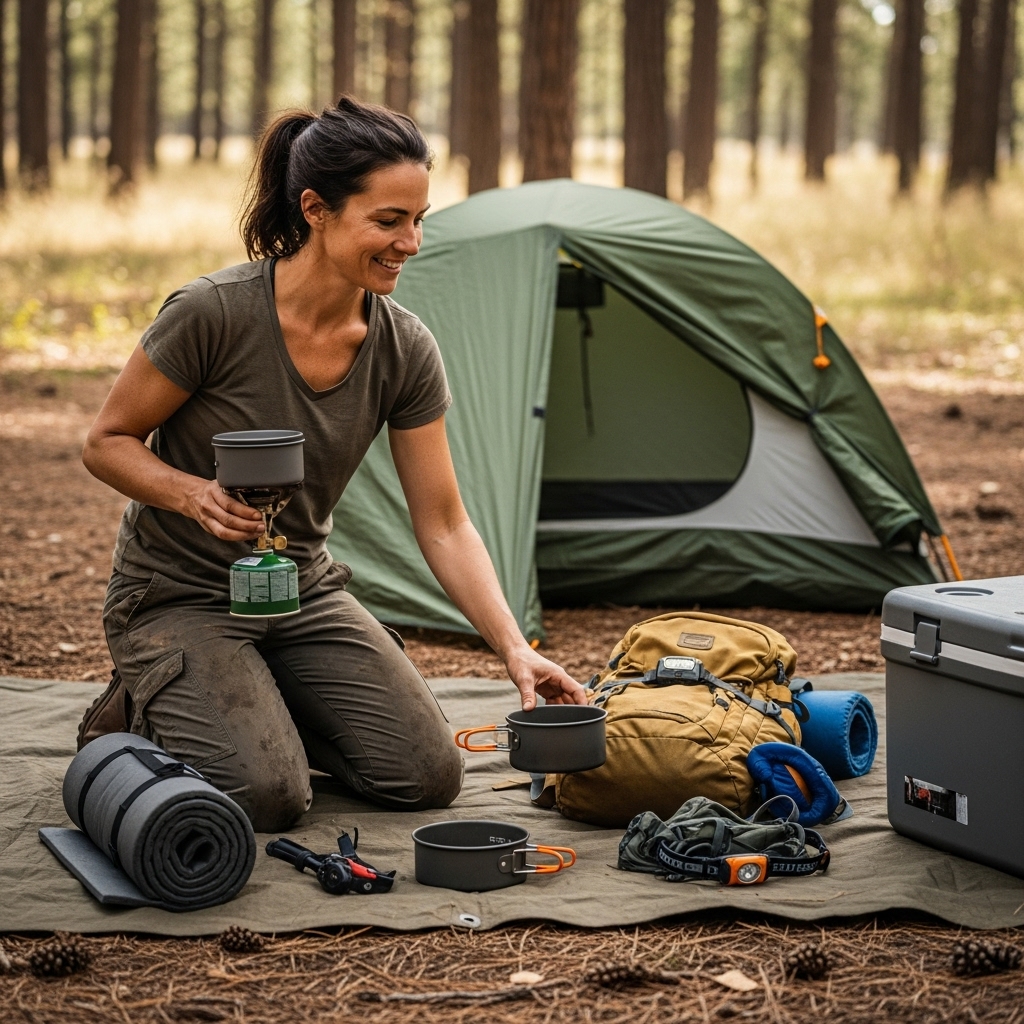

Packed weight and vehicle cargo space often dictate campsite comfort long before you pitch your first stake. Loading up bulky gear without checking campsite dimensions can quickly turn a weekend into an exhausting chore. Understanding how to prepare for a camping trip starts with auditing your shelter footprint, packing the right sleep system, and keeping emergency resources within reach. Seasoned travelers know that testing a tent setup in the backyard prevents costly fumbling when darkness falls. Pairing your gear with a reliable timber camping tent keeps your living area dry without overloading your trunk.
Proper gear organization balances campsite comfort against transport burden so you avoid hauling unnecessary weight. Beginners often struggle with bulky sleeping pads and complex cooking gear, yet a streamlined checklist eliminates that stress completely. Reliable reference guides simplify campsite setup and trail navigation, helping you map out water sources and weather risks in advance. When you understand how equipment fits your vehicle and campsite footprint, outdoor trips become genuinely relaxing. Taking time to dial in your essentials transforms any weekend escape into a smooth retreat.





Essential Campsite Preparation Questions
What are the primary essentials needed for How To Prepare For A Camping Trip?
A reliable sleep system, adequate shelter, water purification tools, and a navigation kit form the primary foundation for any outdoor stay. You should balance packed weight against campsite comfort to prevent overloading your pack or vehicle. Carrying a field manual like Wilderness First Responder: How To Recognize helps campers address unexpected backcountry injuries. Practicing your setup before leaving home ensures every component functions properly in changing weather.
How should beginners plan meal preparation and water storage?
Pre-cooked meals and reliable water filtration tools eliminate most campsite cooking headaches for first-time campers. Planning one gallon of potable water per person per day covers basic hydration, cooking, and hygiene tasks. Storing food in secure containers protects your rations from curious wildlife near the campsite. Beginner guides like Backpacking for Beginners keep meal planning simple without requiring heavy cookware.
What is the best way to handle inclement weather during a trip?
Rigging an auxiliary rainfly or setting up an outdoor canopy tent creates essential dry space over your camp table and gear storage. Checking regional forecasts twenty-four hours before departure helps you adjust clothing layers and seam protection. Staking your rainfly firmly prevents condensation buildup along interior tent walls during storms. A waterproof ground tarp cut slightly smaller than your tent floor prevents rainwater from pooling beneath you.
How does RV camping preparation differ from standard tent camping?
RV camping requires managing utility hookups, leveling blocks, and holding tanks rather than pitching fabric shelters on bare ground. Studying hookup procedures through guides like How to Set Up Your RV and Prepare for Your First prevents electrical surges and plumbing issues. While tent campers focus on pack weight, RV travelers must monitor vehicle clearance and campsite pad length. Both styles demand thorough route planning and organized checklists.
How many days in advance should you organize gear before departing?
Inspecting and packing your gear at least five to seven days prior to departure gives you time to replace worn equipment. Consulting a structured camping gear guide and overnight checklist ensures you log all mandatory supplies without rushing. Testing stove ignitions and inspecting sleeping pads for leaks in advance prevents unpleasant surprises at the campsite. Staging your gear early also ensures heavy items sit low and centered in your pack or trunk.







Write Your Review
No reviews yet. Be the first to share your experience!