
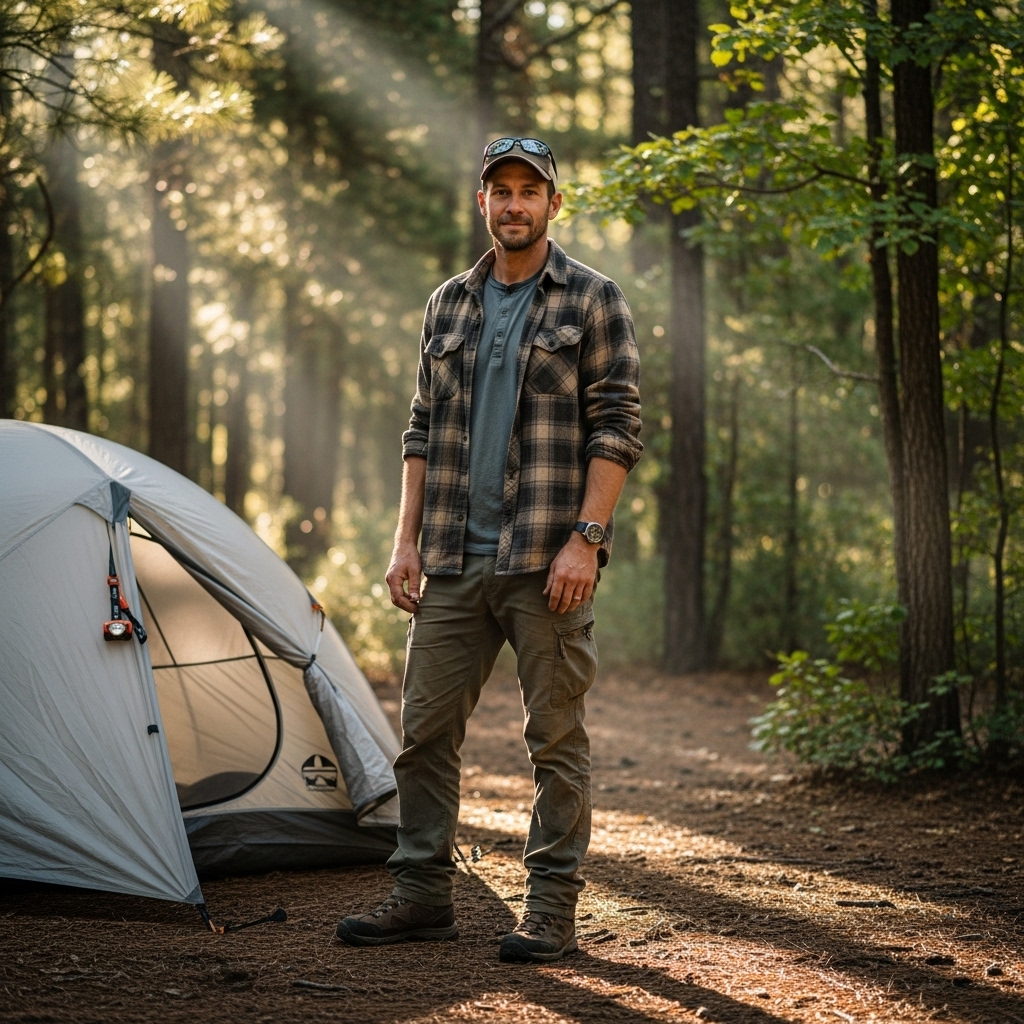

Planning your first night under the stars often feels intimidating when you face crowded gear aisles and contradictory advice. You don’t need a mountain of expensive survival tools or an expedition vehicle to sleep soundly in the woods. Learning how to start camping for beginners comes down to mastering basic shelter, simple food prep, and dependable warmth. Starting small with drive-in campgrounds lets you test what works without hiking miles into the backcountry. Pairing a straightforward shelter like practical reliable car camping tent options with a warm sleeping pad keeps you dry and comfortable without draining your budget.
Solid preparation also means organizing your campsite setup before sunset so you aren’t fumbling with unfamiliar equipment in the dark. Beginners frequently make the mistake of overcomplicating meals or packing heavy backyard items that crowd the trunk. Setting realistic goals and using checklists for structured camping trip planning helps turn a stressful first night into an enjoyable outdoor routine. Once you grasp core campsite habits and basic weather awareness, you build genuine confidence for every adventure that follows.



Frequently Asked Questions
What essential gear is needed to understand how to start camping for beginners?
A reliable tent, an insulated sleeping pad, a temperature-rated sleeping bag, a headlamp, and a compact camp stove make up the essential beginner setup. You do not need specialized survival equipment to enjoy standard campground visits. Sticking to core sleeping and cooking items keeps your packing manageable and prevents costly mistakes before you understand your personal camping style.
Is car camping better than backpacking for a first camping trip in 2026?
Yes, car camping is the safest and most forgiving starting point for first-time campers. Packing gear directly into your vehicle removes pack weight restrictions and gives you an immediate retreat if severe weather rolls in. It allows you to test your sleep comfort and cooking gear without carrying heavy loads across rugged trails.
How do you select the right campsite shelter when learning how to start camping for beginners?
A three-season tent sized one person larger than your travel party offers the best balance of comfort and practical interior storage space. Stated tent capacities measure shoulder-to-shoulder floor space without room for luggage, clothing, or footwear. Setting up a protective canopy shelter setup over your picnic table adds dry living space during sudden rain showers.
What sleeping system provides adequate warmth for beginner campers?
A sleeping pad with a verified R-value paired with a sleeping bag rated ten degrees lower than expected nighttime lows ensures adequate warmth. Ground insulation matters just as much as your sleeping bag fill because cold ground draws away body heat from underneath. Inflatable pads with built-in foam or reflective barriers prevent chilly nights far better than uninsulated pool floats or thin air mattresses.
How do you handle camp cooking safely on your first outdoor outing?
A compact propane stove provides steady flame control for simple one-pot meals. Never operate fuel-burning camp stoves inside enclosed tents due to carbon monoxide hazards. Store all food and scented hygiene products securely in locked vehicles or campsite food storage lockers to avoid attracting curious wildlife.
What should you do if it rains during your first campout?
Stake your tent rainfly securely with taut guy lines and keep bedding away from inner tent walls to prevent moisture transfer. Tucking your ground tarp completely beneath the tent perimeter prevents pooling water from collecting under your floor. Staying dry comes from proper staking and airflow management rather than sealing every mesh window shut.






Write Your Review
No reviews yet. Be the first to share your experience!