
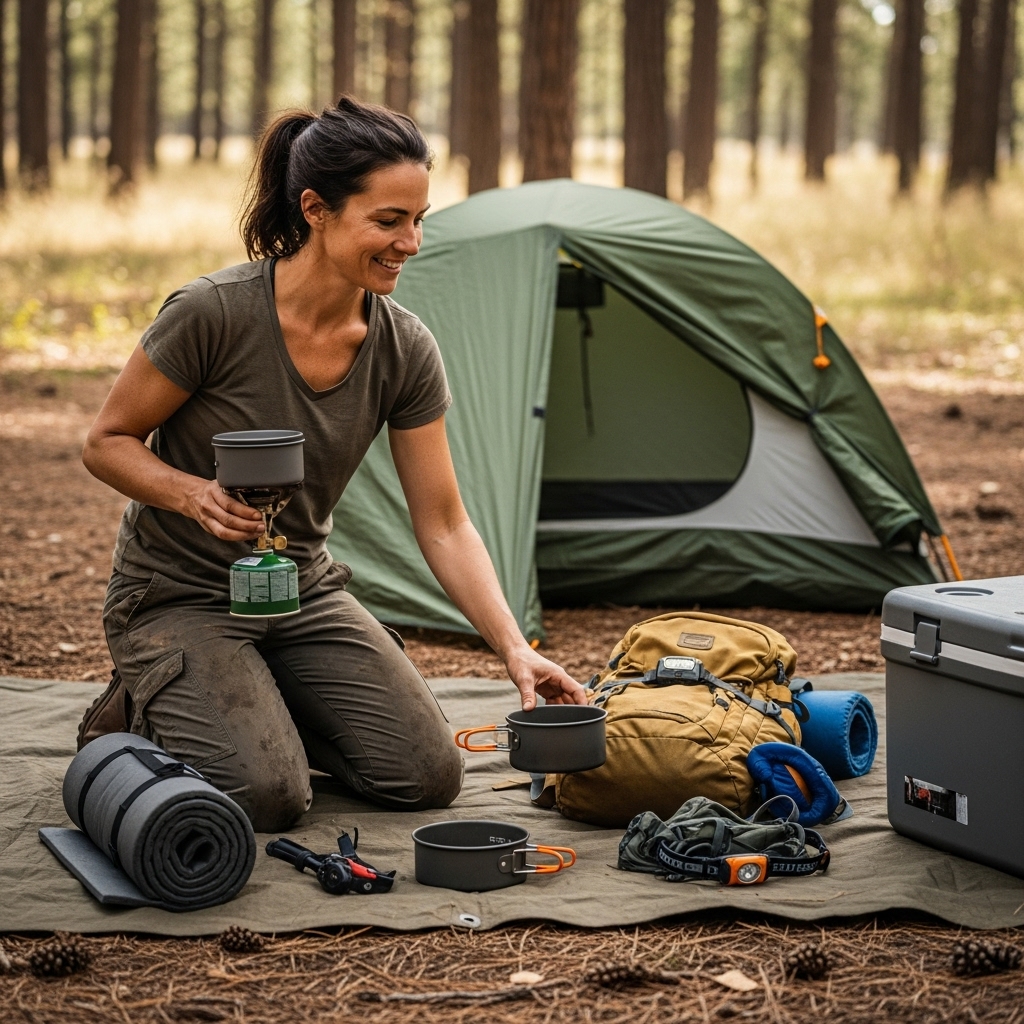

Balancing remote job deadlines with the open trail often proves trickier than expected at a busy campsite. Glare on laptop screens, sudden dirt gusts, and disorganized gear bags can stall a workday before morning coffee finishes brewing. Figuring out how to work while camping requires treating your picnic table or vehicle cabin like a functional mobile desk. Proper protective sleeves shield electronics from abrasive outdoor grit, while dedicated camping backpack organizers keep charging cables and portable peripherals separated from damp outerwear. Simple hardware precautions and deliberate daily habits keep mobile productivity steady in the outdoors.
Dust plumes and stray campfire smoke introduce real hazards for portable computers during extended outdoor assignments. Keeping durable gear covers on hand prevents fine sand from settling into keyboard switches or cooling fans while you finish reports under the canopy. Strategic task lighting also reduces eye strain once the sun dips behind the ridge, letting you wrap up projects without holding a smartphone flashlight. Setting up comfortable ergonomics and reliable shade creates the backbone of sustainable remote outdoor work.



Helpful Answers on How To Work While Camping
How do you protect a laptop from dust and dirt at a campsite?
Padded, zippered neoprene or polyester sleeves provide essential physical barriers against airborne dirt, scratches, and sudden moisture changes. Storing your computer inside a dedicated protective cover immediately after every work session prevents fine grit from infiltrating fragile keyboard scissor switches and cooling vents. Campers frequently encounter blowing dust from dry gravel paths or campfires, which quickly degrades cooling fans if gear sits unprotected. Choosing a snug, durable sleeve helps preserve expensive electronic hardware across varying outdoor environments.
Can flexible magnetic grill lights double as workstation lighting for camping?
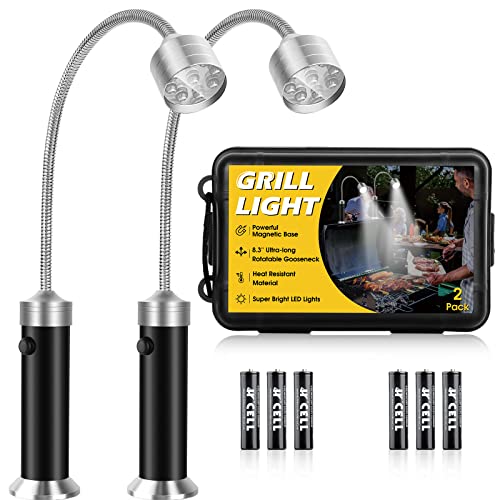
Yes, portable LED gooseneck lights with magnetic bases make versatile task lamps for outdoor desks and picnic tables. These compact battery-powered lights allow you to direct focused illumination straight onto notebooks or keyboards without casting harsh glare across computer displays. Their compact footprint lets you attach them to metal vehicle frames, iron table brackets, or shelf edges without consuming valuable workspace. Many campers find that multi-use lighting keeps pack weight low while delivering adequate lumens for evening deadlines.
What gear helps organize outdoor workspaces around the campsite?
Compact storage bags, smooth mouse pads, and reliable multi purpose camping tools help maintain a clutter-free and productive outdoor desk. Setting up a dedicated work surface with flat mouse pads ensures accurate cursor tracking even on warped or grooved picnic table planks. Keeping utility gear close at hand allows you to quickly adjust shade tarps or secure cables without interrupting meetings. Simple spatial organization prevents lost adapters and saves valuable working time during outdoor stays.
Do remote campers need dust masks while working in dry outdoor areas?
Breathable dust masks with active carbon filters provide vital protection when working in arid, high-wind, or dusty camping zones. Dry campground access roads generate heavy dust plumes whenever vehicles pass by, creating prolonged respiratory irritation for individuals stationed outdoors. Wearing a structured face mask with one-way exhalation valves keeps airborne particulates out of your lungs without trapping excessive humidity or heat. This simple precaution ensures consistent comfort when taking calls or typing in dusty environments.
How do you establish clear boundaries between work tasks and camping relaxation?
Setting strict daily start and stop hours prevents professional responsibilities from spilling into your outdoor downtime. Pack all electronics out of sight inside storage totes or backpacks once the workday concludes to physically transition into campsite relaxation. Planning structured breaks to hike, prepare meals over a camp stove, or tend a campfire refreshes mental focus and mitigates remote-work fatigue. Practicing disciplined schedule management makes learning how to work while camping genuinely enjoyable and productive.








Write Your Review
No reviews yet. Be the first to share your experience!