
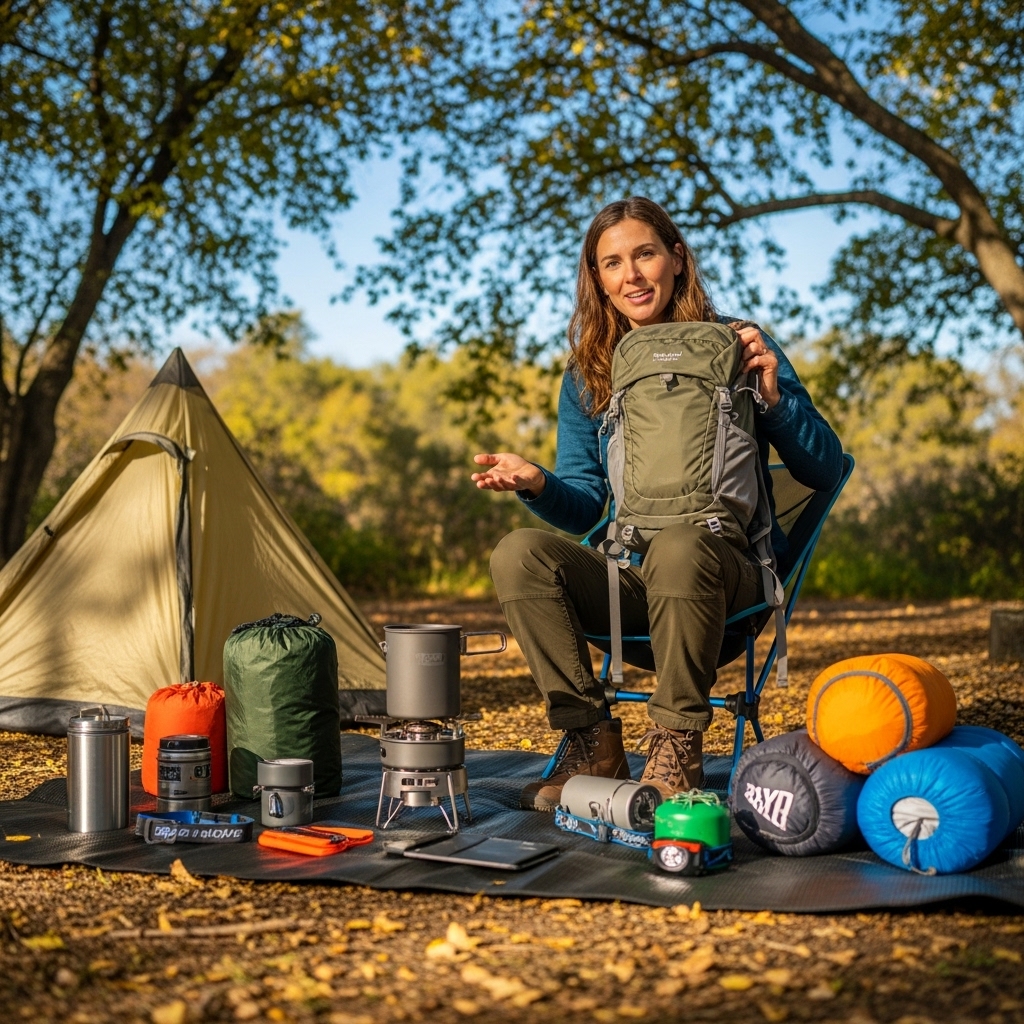

Setting up camp outside established campgrounds offers pure freedom, but understanding local land management policies saves you from unexpected citations. While the short answer is yes across most Bureau of Land Management and United States Forest Service regions, determining whether is dispersed camping free depends on localized permits and district boundaries. Backcountry travelers often face trade-offs between zero site fees and the total absence of piped water, trash collection, or toilet facilities. You must arrive fully prepared with reliable off-grid supplies, including dependable navigation tools and durable water filters for off grid camping to handle natural water sources safely.
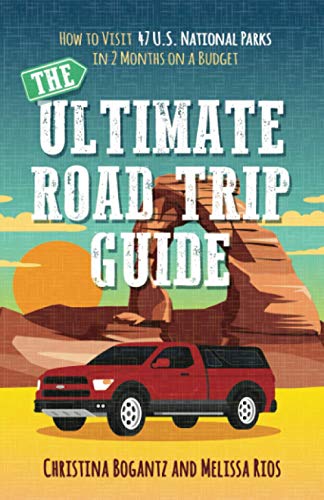
Relying on accurate public land maps and reference guides prevents illegal campsite selection and keeps your vehicle within permitted access corridors. Packing your vehicle properly matters just as much as picking the right location. Packing compact camp equipment like dedicated outdoor cooking sets camping setups and self-contained waste bags ensures you practice Leave No Trace principles effectively. Many campers prefer cross-referencing printed directories with trail planners before venturing beyond cellular service, ensuring their stay remains legal, safe, and completely fee-free.


Frequently Asked Questions
Does dispersed camping cost money on national forest land?
No, dispersed camping on United States Forest Service land is generally free of charge in undeveloped areas. Certain high-use recreation corridors or special management districts require a parking pass or permit. Campers should verify regional ranger district regulations because staying outside established boundaries can trigger fines.
What is the maximum stay limit for free camping on BLM land?
The standard limit for dispersed camping on Bureau of Land Management parcels is 14 days within a 28-day period. After reaching the 14-day threshold, campers must move their vehicle and equipment outside a designated radius, typically 25 miles, depending on field office rules. This restriction prevents permanent settlement and helps protect delicate desert and forest habitats.
Are campfires permitted when dispersed camping without fees?
Campfires are permitted in many dispersed areas, but they are strictly governed by seasonal fire restrictions. Campers must clear a defensible perimeter down to bare mineral soil and keep an extinguishing water supply nearby. Packing reliable gear such as multi purpose camping tools helps clear safe fire pits while complying with local fire safety mandates.
How do you handle hygiene and sanitation at free off-grid campsites?
Sanitation at undeveloped sites requires digging a cathole at least six to eight inches deep or packing out all human waste in portable containment systems. Off-grid areas lack running water and trash service, making self-contained sanitation essential. Setting up dedicated portable hand washing stations camping setups provides a sanitary camp while keeping greywater at least 200 feet away from natural lakes and streams.
Can you reserve a free dispersed campsite in advance?
No, free dispersed campsites operate strictly on a first-come, first-served basis without reservation systems. Because remote sites cannot be booked ahead of time, arriving early in the day gives you the best chance of securing a flat, pre-impacted site. Carrying offline maps and guidebook directories ensures you have backup locations if your first choice is occupied.
Do you need a high-clearance vehicle to access free dispersed campsites?
Not all dispersed camping locations require four-wheel drive, but higher ground clearance is strongly recommended for unpaved forest and desert access roads. Heavy washboard tracks, deep ruts, and steep gravel inclines can easily damage passenger cars. Reviewing regional road condition reports before departing helps campers select routes that fit their vehicle clearance.





Write Your Review
No reviews yet. Be the first to share your experience!