
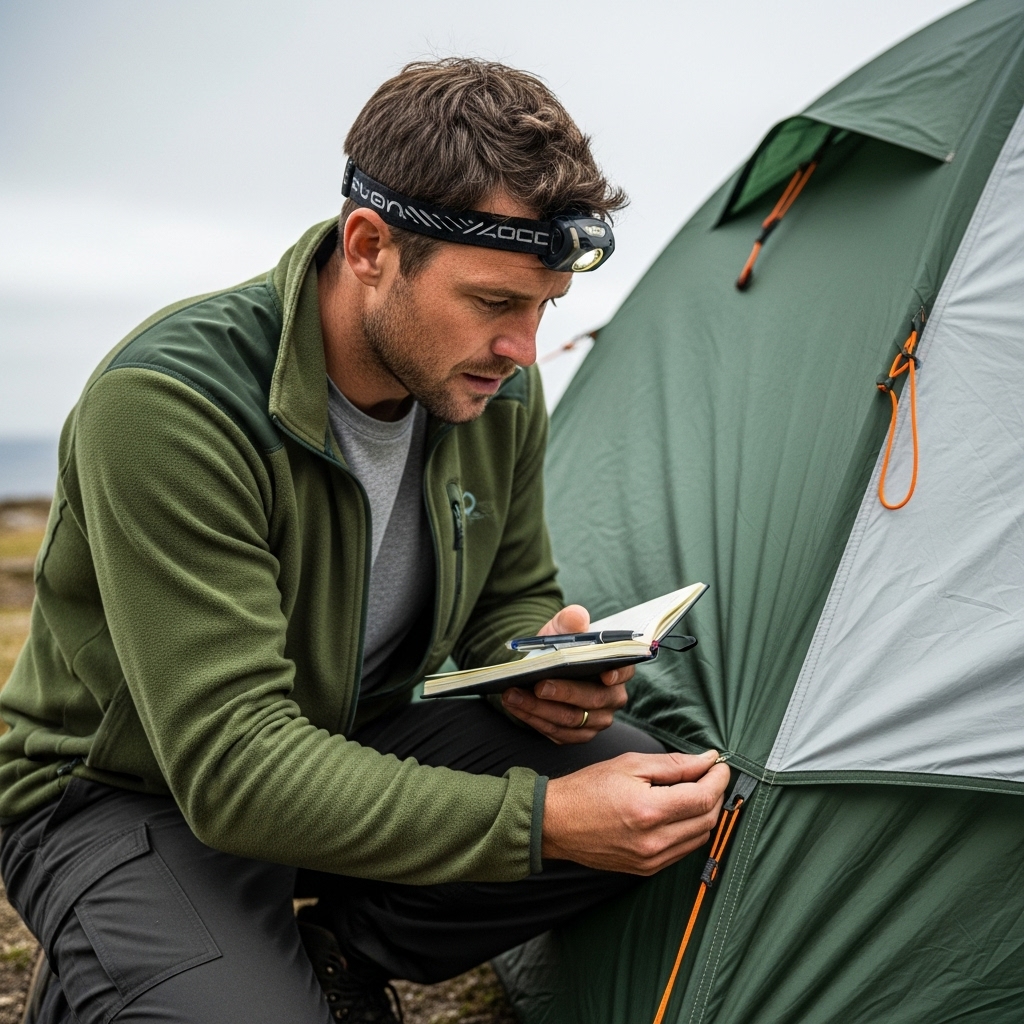

Planning a successful backcountry trip with horses requires balancing rider comfort with equine safety. Many riders quickly realize that hauling stock trailers and managing trailside picket lines isn’t like a standard weekend getaway. Understanding what is equestrian camping starts with recognizing that your setup serves both human and animal. You’ll need reliable shelter, clean water access, secure hitching systems, and functional camp gear that packs neatly into tack lockers or truck beds. Pairing a sturdy car camping tent with durable trail essentials keeps you well rested after long hours in the saddle.
Trail riders often face unpredictable weather and demanding routines that test both horse and handler. Careful preparation around trail riding essentials, proper knot tying, and durable campsite accessories makes all the difference when you’re miles from home. Based on our detailed comparison of listed materials, gear durability, and user feedback, simple and rugged items perform best around stock camps. Carrying waterproof knot reference cards, insulated camp drinkware, and cozy fleece layers keeps camp life smooth while your horses rest safely. Good preparation takes the stress out of your routine so you can enjoy the ride.


Frequently Asked Questions About Horse Camping
Campsite layout and containment security dictate how smoothly an overnight riding trip runs. Setting up picket lines, highlines, or portable corrals requires durable gear and a clear understanding of what is equestrian camping in real trail conditions.
How does equestrian camping differ from standard tent camping?
Equestrian camping requires dedicated horse facilities such as corrals, highline posts, and stock water alongside standard camper amenities. Campsites must accommodate large horse trailers and tow vehicles with wide turning radius clearance. Campers also manage feed storage, manure cleanup, and animal containment while setting up their own personal sleeping shelters.
What essential knot skills are needed for horse camping?
Horse campers must know quick-release knots, the clove hitch, the bowline, and the taut-line hitch to secure animals safely without creating hazards. A quick-release knot allows immediate detachment during emergencies if a horse pulls back or panics. Carrying durable guides like waterproof pocket knot cards gives riders a fast reference when securing highlines and pack saddles in dusty trail conditions.
Can you sleep in a standard tent on an equestrian campsite?
Yes, campers can sleep in a standard ground tent, though setting up within designated horse camp pads requires keeping a safe buffer from animal containment zones. Many trail riders pair their truck setups with a protective canopy shelter or tent positioned upwind and away from hitch rails. This setup prevents dust from bothering sleepers and keeps horses from tangling in tent guy lines.
How do campers keep horses contained overnight?
Overnight horse containment typically relies on campground pipe corrals, tree highlines with tree-saver straps, or temporary electric corrals. Highlining between two sturdy trees keeps horses mobile enough to feed without chewing bark or tangling their legs. Each method requires inspected containment ropes and secure hardware to prevent loose stock during windy backcountry nights.
What should riders verify before booking an equestrian campsite in 2026?
Riders must verify potable stock water availability, manure disposal rules, negative Coggins test documentation, and site trailer length limits before reserving a spot. Some horse campgrounds offer covered stalls while others require campers to bring their own portable corrals or highline hardware. Confirming these facilities in advance prevents unexpected trailside surprises and keeps your stock comfortable.






Write Your Review
No reviews yet. Be the first to share your experience!