
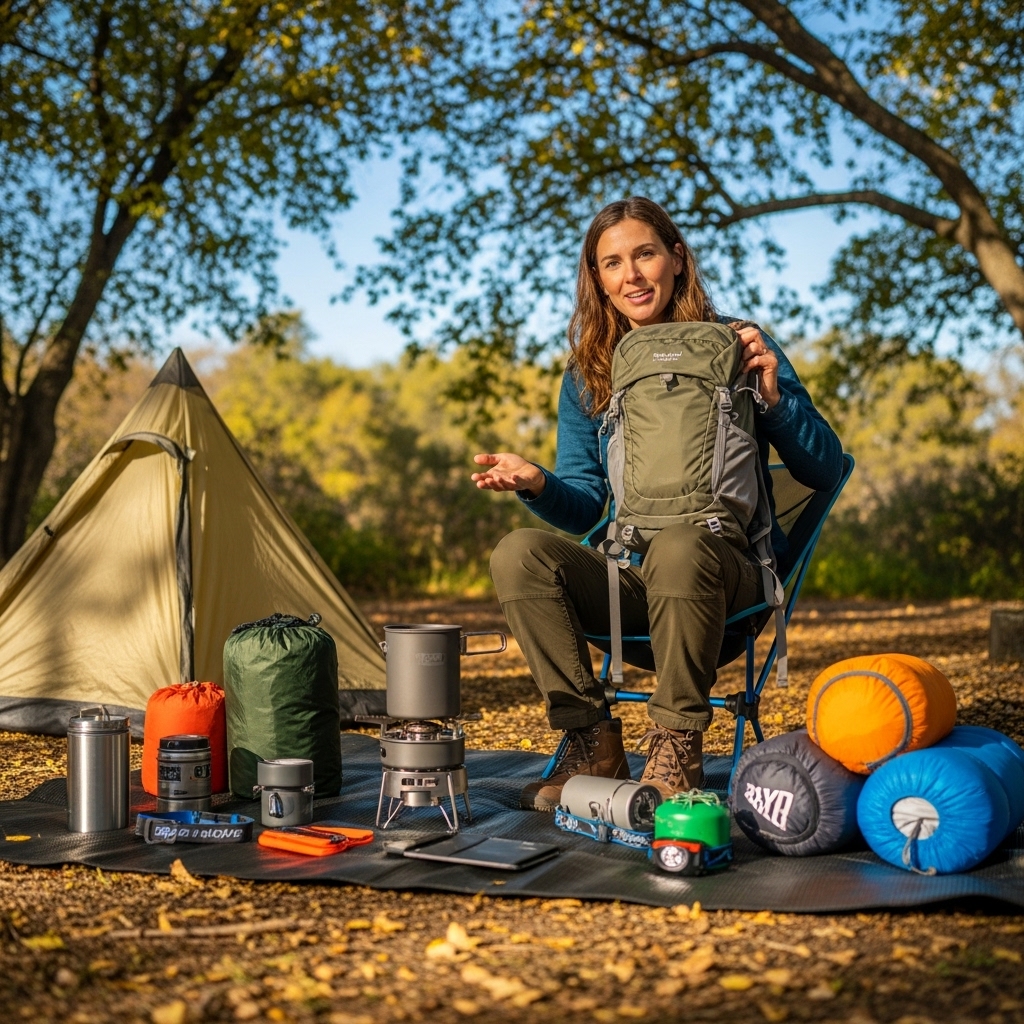

Sipping gritty or chemical-tasting water at camp ruins an otherwise relaxing evening by the campfire. Many outdoor enthusiasts wonder what is the function of sand and charcoal in water filtration when looking to improve the clarity and taste of their drinking supply. In traditional and portable setups, sand acts as a physical barrier that traps suspended sediment, dirt, and coarse debris. Meanwhile, activated charcoal utilizes a massive porous surface area to adsorb chlorine, unwanted odors, chemical impurities, and foul tastes. Pairing these natural media creates a simple yet remarkably effective multi-stage treatment that turns cloudy tap or settled stream water into clean, crisp refreshment.
Modern campsite hydration often relies on compact activated sticks, like Japanese Kishu or Binchotan oak charcoal, which drop directly into your favorite insulated water bottle for passive purification. Based on manufacturer specifications and user feedback, these porous carbon sticks absorb harsh tap chemicals while steadily releasing beneficial minerals like calcium and magnesium back into your drink. While specialized backcountry filters handle biological pathogens, understanding how carbon media functions helps campers maintain better everyday hydration during road trips, trailhead overnights, and off-grid getaways. Check out dedicated water filter gear for hunting and trail treks if you need full pathogen protection alongside taste refinement.

Pros
- Very simple to use - just drop in any water container and it starts filtering
- Long 6-month lifespan with easy rejuvenation by boiling, making it cost-effective
- Lightweight and compact, perfect for backpackers and ultralight campers
- Improves the taste of water without leaving a chemical aftertaste
Cons
- Does not remove viruses, bacteria, or protozoa - not a standalone solution for backcountry water sources
- Flow rate is slow; you need to wait a few hours for full filtration in a bottle
- Some users find it requires occasional boiling to maintain effectiveness, which may be inconvenient on extended trips without a stove
The Black + Blum Charcoal Water Filter Stick is a simple yet effective way to improve the taste and quality of your drinking water, especially useful for campers who want to enjoy better hydration without relying on heavy filtration systems. This stick uses Binchotan charcoal, an ancient Japanese method that naturally attracts impurities and adds beneficial minerals. It is not a replacement for a water purifier in the backcountry, but it shines when used with safe tap water at campgrounds, RV parks, or even at home.
This product is best suited for family campers, car campers, RV campers, festival goers, and backpackers who want cleaner, better-tasting water without the plastic waste of single-use bottles. It is also a great gift for outdoor enthusiasts who appreciate simplicity and sustainability. For backcountry hikers or survivalists who need to filter from streams or lakes, a dedicated pump or UV filter is still required, as this charcoal stick only reduces chlorine, sediment, and some organic compounds.
In real-world camping use, many users report that it effectively removes the chlorine taste from campground tap water, making it much more enjoyable to drink. The filtration process is passive - you simply drop the stick into a water bottle or carafe and wait. According to user feedback, water left with the stick for 30 minutes to an hour tastes noticeably cleaner. However, for full mineral balancing, leaving it overnight is recommended. This makes it ideal for basecamp setups where you have a water jug or large bottle.
Build quality is solid: the stick is made from real Binchotan charcoal, ultrasonic cleaned, and ready to use. It comes with a simple instruction manual. The stick is durable enough to reuse for six months, and when it starts losing efficiency, a 10-minute boil brings it back to life. It is very lightweight (1.41 oz) and compact (about 1.86 x 0.39 x 0.39 inches), so it packs easily into any camp kitchen or backpack. No batteries or replacement cartridges are needed, which reduces ongoing costs.
Setup and use are about as simple as it gets: rinse the stick, drop it into water, and wait. There is no pumping, no squeezing, and no maintenance other than periodic boiling. Cleaning is straightforward - just rinse and air dry. The stick stores dry, so it can be packed away when not in use. One limitation is that the stick may break if dropped on hard ground; handling with care is advised.
Overall, the Black + Blum Charcoal Water Filter Stick is a practical, eco-conscious choice for improving water taste during camping trips. It works well as a supplemental filter for weekend warriors, family campers, and anyone who wants crisp, refreshing water at the campsite. If you are looking for a lightweight, no-fuss way to enhance your hydration experience and reduce plastic bottle waste, this is a solid investment.

Pros
- Extremely easy to use with no setup or maintenance beyond occasional rinsing.
- Long-lasting at 4 months per stick, saving money and reducing waste compared to disposable filters.
- Improves tap water taste significantly, making drinking water more enjoyable during car camping or RV trips.
- Compact and lightweight, ideal for backpackers who want to enhance water quality without extra bulk.
- Natural activated charcoal material is a green, chemical-free option for water treatment.
Cons
- Designed primarily for tap water; not effective at removing pathogens in untreated backcountry streams or lakes.
- Takes a few hours to fully purify water, so it's not instant compared to pump filters or purification tablets.
- Some users may find the taste improvement subtle depending on tap water quality and personal preference.
The Kishu Charcoal Water Filter Stick is a unique water treatment product that focuses on improving the taste and quality of tap water rather than purifying untreated wilderness sources. It is an activated charcoal stick made by Japanese artisans using traditional techniques. This product is best suited for campers who have access to tap water at campgrounds, RV parks, or even while traveling and staying in hotels or cabins. Backpackers on short trips with reliable water sources may also appreciate its light weight and simplicity.
In a real-world camping scenario, such as setting up at a developed campsite after a long drive, this filter stick is incredibly convenient. Just drop it into any standard water bottle, fill with tap water, and let it work. The charcoal binds with toxins like chlorine, heavy metals, and other impurities, significantly improving flavor and making water more pleasant to drink. Users report a noticeable reduction in that typical tap water taste, which is a big win for coffee, tea, or just staying hydrated.
Build quality is a strong point here. The stick is made from high-quality Kishu charcoal, known for its porous structure and absorption properties. The product carries a CE certification, indicating it meets European safety standards. The stick measures about 4.8 x 3.11 x 0.91 inches and weighs just 0.05 kilograms, so it won't weigh down your backpack. It lasts up to four months with regular use, after which you simply replace it. No complicated cleaning or replacement parts are needed beyond occasional rinsing.
One realistic limitation is that this is not a full water purifier for backcountry use. It does not remove viruses, bacteria, or protozoa found in untreated streams or lakes. For wilderness backpacking, a pump filter, UV sterilizer, or purification tablets are necessary. This stick is best thought of as a taste enhancer and toxin absorber for treated tap water. It also takes some time to work - while some effect is immediate, full purification recommended by the manufacturer requires at least a few hours, so plan ahead.
Maintenance is straightforward: rinse the stick every few weeks under running water to remove trapped particles, and store it in a dry place when not in use. The manufacturer recommends replacing after four months for optimal performance. Overall, this is a practical tool for car campers, RV campers, overlanders, festival goers, and any traveler who wants better tasting tap water without the waste of plastic filters. It also makes a thoughtful gift for outdoor enthusiasts who value eco-friendly gear.
In summary, the Kishu Charcoal Water Filter Stick is a niche but valuable addition to your camping kit if you primarily use tap water. It is lightweight, durable, and effective at improving water quality. For backcountry adventurers, it should be paired with a proper purification system. For weekend warriors, family campers, and those who enjoy a little comfort on the road, this is a simple, affordable, and green solution to better drinking water.
Pros
- 100 percent natural and plastic-free water freshener crafted from authentic Japanese oak.
- Extremely compact and lightweight, making it effortless to pack in any daypack or camp kitchen kit.
- Reusable for months with simple periodic boiling over a camp stove or kitchen burner.
- Leaves no chemical aftertaste or loose residue in your favorite outdoor water bottles.
Cons
- Does not eliminate biological pathogens like giardia or bacteria from untreated backcountry water sources.
- Requires several hours of contact time inside the bottle for noticeable taste improvement.
- Sticks can fracture if dropped forcefully onto hard rocks or campsite pavement.
Staying hydrated in the great outdoors often means drinking water from municipal campground spigots, RV hookups, or public park fountains that carry a strong taste of chlorine or sulfur. The Kishu Charcoal 3 To-Go Stick pack is an artisanal, all-natural water filtration solution designed specifically for personal drinkware. Made from authentic Japanese binchotan oak, these compact 1.5-inch sticks provide a plastic-free method to freshen your water while hiking, car camping, or relaxing around the campfire.
This filtration pack is exceptionally suited for car campers, day hikers, road trippers, festival goers, and budget-conscious outdoor enthusiasts who regularly refill reusable water bottles from potable sources. Because campground water supplies can vary widely in mineral balance and municipal treatment flavor, slipping one of these activated carbon sticks into a Nalgene or insulated flask helps neutralize chemical odors and unpleasant tastes without requiring bulky countertop pitchers or complex plumbing setups.
In practical outdoor use, the sticks function through natural adsorption. The microscopic porous surface of kiln-fired binchotan charcoal binds impurities such as chlorine, unwanted odors, and organic compounds while simultaneously leaching trace minerals like potassium, calcium, and magnesium back into your drinking water. Unlike active squeeze filters or battery-powered purifiers that require muscle or power, this system works passively inside your pack while you trek down the trail, requiring only standard water contact time to produce a smooth, clean taste.
Build quality reflects traditional craftsmanship, as the sticks are cut from solid oak carbonized at high temperatures. The resulting charcoal is dense, metallic to the touch, and surprisingly durable against everyday bumps inside a water bottle. Before initial use, campers simply boil the sticks in water for ten minutes, which cleanses the pores and prepares the carbon for adsorption. This easy reset process can be repeated every few weeks over a standard camp stove or campfire kettle, restoring adsorption capacity and extending the lifespan of each stick across an entire outdoor season.
A critical consideration for wilderness travelers is understanding what this product can and cannot do. Kishu Charcoal is formulated to improve taste, absorb chlorine, and remove select impurities from potable tap or pre-filtered water. It is not an outdoor microfilter or purifier capable of removing microbial pathogens such as giardia, cryptosporidium, or backcountry viruses from untreated rivers and lakes. Backpackers heading into deep backcountry should first treat wilderness water with a primary hollow-fiber filter, UV purifier, or rolling boil before relying on these sticks for taste enhancement.
For weekend campers, family RV vacations, and day hikers who want better-tasting water from state park spigots without generating single-use plastic waste, this 3-pack is a reliable and eco-conscious investment. It packs down to virtually zero weight, fits effortlessly into your camp mess kit, and provides months of refreshing hydration across every outdoor journey.
Preparing Kishu Charcoal sticks for camp use is simple and requires no specialized tools. Before your first trip, place the sticks in a pot of boiling water for ten minutes to sterilize and activate the micro-pores, then let them air dry before dropping them into your clean hydration vessels.
To maintain peak adsorption throughout camping season, repeat the ten-minute boiling routine once a month using your home cookware or a portable backpacking stove. Once the sticks reach the end of their useful filtration life after approximately four months of daily use, they can be crushed and composted directly into camp soil or used as a natural odor absorber in your camp gear storage bins.
Weighing only a fraction of an ounce per stick, this 3-pack provides one of the lightest hydration upgrades available for daypacks and hiking kits. The compact 1.5-inch size easily fits into narrow-mouth water bottles, cycling squeeze bottles, and wide-mouth camp flasks without rattling loudly or obstructing your drinking spout.
While it should never replace a certified wilderness pathogen filter on primitive trails, it makes a superb secondary companion for hikers who dislike the chemical aftertaste of chlorine dioxide purification tablets or treated municipal park taps.

Pros
- Noticeably improves the crisp taste and odor of municipal campground spigots, well water, and RV fresh tanks
- Zero moving parts, batteries, or proprietary plastic cartridges required for reliable camp hydration
- Reusable across multi-season trips simply by boiling on a camp stove to reset the active carbon pores
- Four-stick pack delivers up to two full years of daily drinking water conditioning
Cons
- Does not filter out biological pathogens like bacteria, Giardia, or viruses from wild backcountry water sources
- Requires several hours of static contact time inside a bottle or jug to achieve maximum taste improvement
- Natural wood charcoal sticks can crack or snap if dropped hard on rocks or packed loosely in a camp bin
While backcountry trekking often focuses on high-pressure pump filters and UV purifiers, basecampers and road-trippers face a distinct hydration challenge: stale, chlorinated, or metallic-tasting water from state park spigots, municipal taps, and RV holding tanks. The Black+Blum Charcoal Water Filter Sticks offer a traditional Japanese Binchotan activated carbon solution designed to naturally soften water, strip out unpleasant chemical smells, and restore a fresh mountain-stream taste to your camp drinking supply without requiring bulky plastic pitcher cartridges.
This hydration accessory is particularly well suited for car campers, RV travelers, overland enthusiasts, festival goers, and cabin vacationers who rely on campground hookups or portable water jugs. It also serves as a smart secondary conditioning tool for backpackers who have already boiled or chemically treated clear wilderness water but want to eliminate marshy odors and infuse essential trace minerals back into their camp hydration bottles.
Based on product specifications and user feedback, submerging a single stick into a one-liter canteen or a multi-gallon camp kitchen dispenser noticeably cuts down on chemical aromas. The ultra-porous Binchotan carbon attracts dissolved impurities to its surface while simultaneously releasing beneficial minerals like calcium, iron, and magnesium. Unlike gravity bags or hand pumps that require active effort, this passive method works silently inside your jug or water bottle while you set up the tent, chop firewood, or gather around the campfire.
Each stick comes vacuum-sealed and pre-cleaned with ultrasonic treatment, measuring roughly 4.7 inches long with natural variations in diameter. Maintaining the sticks around camp is remarkably straightforward: after approximately three months of steady use, simply place the stick in a pot of boiling water over your camping stove for ten minutes. This process releases trapped contaminants from the microscopic carbon pores and resets its adsorption capabilities for another three months of fresh camp hydration.
Campers should keep realistic functional boundaries in mind when planning outdoor trips. These sticks are designed exclusively for potable tap water, campground spigots, RV tanks, or water that has already undergone biological purification. They do not remove waterborne cysts, bacteria, or viruses from backcountry streams. Because natural wood charcoal is brittle by nature, packing each stick inside an insulated bottle or a padded camp organizer prevents accidental breakage during transport across bumpy forest service roads.
For anyone who spends weekends at developed campgrounds, road trips in a converted camper van, or wants to eliminate single-use plastic water bottles on family outings, this four-stick pack represents outstanding multi-season value. With up to two full years of water conditioning power in a lightweight, plastic-free package, it keeps your camp drinks crisp and clean without adding bulk to your overland gear bins.
Maintaining the Black+Blum Binchotan Charcoal Sticks during outdoor trips requires only clean water and a camp stove. After three months of consistent daily use, place the charcoal stick into a camp cookpot filled with boiling water for ten minutes. This heat cycle flushes out accumulated chemical ions, clears the microscopic pores, and restores full filtering performance for another three months.
Between camping excursions, remove the stick from your canteen and allow it to dry completely in open air before storing it in a dry gear bag. When a stick finally reaches the end of its six-month lifespan, it remains completely biodegradable. Campers can crush the spent carbon stick to aerate camp soil, mix it into garden compost, or safely discard it in a campfire pit.
Weighing approximately 0.15 kilograms for the entire four-piece set, these charcoal sticks add virtually negligible weight to your camp kitchen tote, backpack side pocket, or RV galley drawer. Each stick measures approximately 4.7 inches in length, allowing it to slide easily through standard wide-mouth and narrow-mouth water bottles.
Unlike bulky gravity pitchers or mechanical filtration rigs, these sticks demand zero extra storage space on a crowded picnic table or in a packed vehicle trunk. You can leave one stick permanently resting inside your primary insulated trail flask or camp water jug, keeping crisp drinking water available wherever your road trip leads.

Pros
- Significantly freshens the taste and smell of treated campground tap water
- Completely plastic-free, natural, and ultralight for clutter-free camp kitchens
- Simple boiling maintenance can be handled directly over a standard camp stove
- Fully biodegradable and multi-functional as a gear deodorizer after water use
- Fits easily into popular wide-mouth bottles and 2-liter camp jugs
Cons
- Does not filter out bacteria, protozoa, or pathogens from raw backcountry rivers
- Requires 3 to 4 hours of soak time for noticeable taste improvement
- Brittle charcoal sticks can crack if dropped onto hard campsite rocks
The IPPINKA Binchotan Charcoal Water Purifying Sticks offer an all-natural, plastic-free method for enhancing the taste and clarity of drinking water around camp. Sourced from the Kishu region of Japan, these high-grade activated oak sticks use porous carbon structures to absorb impurities, reduce hardness, and neutralize foul odors. While typical water pitchers rely on disposable plastic cartridges, this traditional solution relies strictly on pure carbonized wood. It is an appealing accessory for car campers, RV travelers, overlanders, family campground vacationers, and weekend cabin visitors who regularly encounter mineral-heavy or over-chlorinated public water spigots.
Campground water supplies at national and state parks often feature a noticeable chemical or metallic tang that can taint everything from morning trail hydration to camp stove coffee. Dropping one of these sticks into a 2-liter water jug or wide-mouth bottle allows the alkaline charcoal to balance the water profile over a 3 to 4 hour soaking period. Leaving a jug in the camp cooler or on the camp kitchen table overnight yields crisp, refreshing drinking water ready for dawn breakfast prep. According to user feedback, the difference in water palatability is clear, turning stale tap water into clean, odor-free hydration without synthetic filters.
From a durability and packability standpoint, the sticks weigh a fraction of an ounce and take up almost no room in a chuck box or gear bin. Build quality is rooted in traditional Japanese kiln firing, which creates an extremely dense, glass-like carbon stick. Outdoor care is straightforward: boiling the stick for 10 minutes in a standard camping mess kit refreshes its pores every two weeks. When paired with a reliable camp stove, maintaining the filter in the field requires minimal effort. After about three months of camp duty, the spent charcoal can be placed inside hiking boots as an odor neutralizer, tossed into the campfire, or crushed into campsite soil to aerate the dirt.
Understanding the operational limitations of Binchotan charcoal is critical for outdoor enthusiasts. The product specifications explicitly state that these sticks should not be used on microbiologically unsafe water or sources of unknown quality. They are designed to absorb chemicals, odors, and mineral harshness from potable water, not to remove backcountry pathogens like Giardia, Cryptosporidium, or viral contaminants. Backpackers pulling from wilderness streams must still boil, use a hollow-fiber microfilter, or treat the water with purification tablets first. Additionally, because the sticks are brittle, campers should exercise care when packing them into crammed gear bins to prevent premature snapping.
For outdoor adventurers seeking better-tasting water at established campgrounds, RV hookups, or off-grid cabins, the IPPINKA Binchotan Charcoal sticks deliver an elegant, sustainable solution. They eliminate the bulk and plastic waste of standard household filter carafes while providing consistent water improvement over several months of outdoor trips. They are an excellent purchase for eco-conscious campers, tailgaters, and outdoor cooks who value clean hydration without adding plastic trash to the wilderness.
Integrating Binchotan charcoal into a camp kitchen setup requires very little routine upkeep. Before initial use, campers should rinse the stick with potable water, place it in a camp kettle or cook pot, boil it for 10 minutes over a camp burner, and allow it to dry. This boiling process cleanses the carbon matrix and activates its natural absorption channels, making it ready for drinking water containers.
To maintain peak performance over its three-month lifespan, repeating the 10-minute boil every two weeks prevents organic film buildup and restores pore openness. Users often handle this quick maintenance while simmering camp meals or heating wash water. When traveling between campsites, storing the dry stick in a padded protective pouch or mess kit pouch helps prevent it from breaking against heavier metal cookware in your chuck box.
Safe hydration management in the outdoors requires matching the right filtration tool to the water source. Binchotan charcoal functions as an adsorption filter for potable, pre-treated water supplies, such as municipal taps found at state park campgrounds, RV dump stations, and commercial RV parks. It effectively softens mineral stiffness and strips out chlorine odors that often make campground tap water unappealing.
Because the stick contains no biological purification membrane, it cannot protect against microbial organisms found in backcountry lakes, stagnant pools, or alpine creeks. Backpackers who want the taste benefits of Binchotan charcoal in remote areas should always run raw wilderness water through a certified hollow-fiber field filter or bring it to a rolling boil before adding the charcoal stick to their hydration container.

Pros
- Plastic-free, 100% natural water conditioning made from genuine Japanese Kishu oak
- Significantly enhances the flavor and smell of campground tap water and RV tank water
- Generous lifespan with each three-pack providing up to nine months of total use
- Fully biodegradable and multi-functional for camp gear deodorizing after water use
Cons
- Requires 3 to 4 hours of soaking time, making it unsuitable for instant trail hydration
- Does not eliminate microbiological pathogens or bacteria from untreated backcountry streams
- Natural charcoal sticks can crack if dropped onto hard surfaces or packed carelessly
The IPPINKA Binchotan Charcoal Water Purifying Sticks offer a traditional, eco-conscious approach to improving drinking water quality around camp. Sourced from high-grade Japanese oak in the Kishu region of Japan, these activated charcoal sticks are well-suited for car campers, RV travelers, glampers, overlanders, and cabin vacationers looking to eliminate unpleasant chemical tastes and sulfur odors from municipal or campground spigots without creating single-use plastic waste.
Campground water hookups and state park faucets often carry strong chlorinated or metallic notes. Placing one of these sticks into a two-liter camp pitcher, insulated water jug, or hydration container naturally absorbs unwanted odors, reduces water hardness, and releases beneficial minerals over a three to four hour contact period. For campers prepping water overnight in basecamp or filling up hydration reservoirs before morning hikes, this passive method yields smooth, fresh-tasting water that elevates morning camp coffee, trail hydration, and campsite cooking.
Crafted entirely of dense, kiln-fired Kishu oak, each 15-centimeter stick is sturdy and completely free of synthetic resins or plastic casings. Routine care is straightforward for weekend warriors and long-term road trippers alike. A brief ten-minute boil in a standard camp pot every two weeks clears accumulated impurities and reactivates the charcoal surface. With each stick lasting approximately three months under regular use, the three-pack supplies up to nine months of clean, dependable water conditioning.
Users should keep in mind that binchotan charcoal is designed specifically for taste enhancement, mineral balance, and chemical absorption rather than microbiological sterilization. It does not remove bacteria, protozoa, or biological cysts, meaning it should only be used with potable tap sources or backcountry water that has already been boiled or run through a dedicated microfilter. Because the passive absorption process requires a few hours of resting time, it works best for batch water prep at the campsite rather than instant on-the-go trail filtering.
For outdoor enthusiasts looking to reduce plastic consumption in their camp kitchen, RV setup, or overland pantry, IPPINKA Binchotan Charcoal Sticks offer a reliable and sustainable choice. When their water filtering lifespan is complete, the dried sticks can be reused to deodorize damp hiking boots, keep moisture out of sealed gear totes, or broken into plant soil. They deliver great natural utility for organized basecamp hydration and eco-friendly camping.
Before first use, rinse the stick thoroughly under clean running water, place it in a pot of boiling water for 10 minutes, and allow it to dry completely. This initial boil cleanses the charcoal pores and readies the stick for optimal absorption.
To maintain peak performance, repeat the 10-minute boiling process every two weeks. This simple routine releases trapped minerals and organic compounds, extending the effective lifespan of each stick up to three months. Store unused dry sticks in a protected pouch or hard-sided container within your camp kitchen box to prevent accidental breakage during transit.
After three months of water filtering, repurpose the charcoal around your campsite or home. Place the dried sticks in gear closets, boot bags, or RV storage compartments to absorb dampness and odors, or break them into small chunks to enrich garden soil and improve drainage.

Pros
- Completely natural and plastic-free design eliminates disposable filter cartridge waste
- Significantly improves the taste and smell of municipal campground water and well sources
- Featherlight and portable build fits inside standard outdoor hydration bottles and camp jugs
- Includes two sticks providing up to six months of cumulative water taste enhancement
- Multi-use lifecycle allows sticks to serve as boot or cooler deodorizers after water use
Cons
- Does not eliminate bacteria, cysts, or viruses and cannot purify raw backcountry stream water
- Requires a three to four hour contact time for optimal water taste improvement
- Charcoal material is naturally brittle and can break if dropped on rocky campsite ground
The IPPINKA Portable Binchotan Charcoal Water Purifying Sticks provide a natural, plastic-free method to improve drinking water flavor at campgrounds and on road trips. Originating from the Kishu region of Japan, this authentic oak charcoal undergoes high-temperature kiln firing and rapid cooling to create an ultra-porous structure. This setup works exceptionally well for car campers, RV travelers, overlanders, festival goers, and cabin vacationers who frequently encounter municipal campground spigots, park faucets, or holding tanks that impart a heavy chlorine, sulfur, or mineral taste to their drinking supply.
In active camp environments, these sticks act as passive flavor enhancers rather than rapid mechanical filters. Measuring approximately four inches in length and zero point eight inches in diameter, each stick easily drops into a standard wide-mouth hydration bottle, insulated stainless steel growler, or camp kitchen water pitcher. Over an absorption window of three to four hours, the alkaline charcoal works to reduce water hardness while trapping chlorine and dissolved chemical odors in its microscopic cavities. Outdoor enthusiasts who prep water overnight or fill a pitcher before heading out on day hikes can enjoy crisp, clean-tasting hydration that makes rehydrating meals and brewing morning camp coffee much more enjoyable.
Campers must understand the clear distinction between taste improvement and microbiological purification before packing these sticks. According to product specifications, Binchotan charcoal is strictly intended for water that is already potable and microbiologically safe. Solo adventurers and backpackers trekking into the backcountry should not rely on charcoal sticks alone to treat untreated streams, lakes, or runoff, as they do not remove pathogens like giardia or bacteria. However, for established campgrounds, state parks, road trips, and glamping sites with chlorinated or sulfurous tap water, these sticks serve as a quiet, zero-waste alternative to bulky pitcher filters and heavy plastic cartridges.
Regarding durability and camp kitchen routine, handling these sticks requires a modest level of care. Before first use, campers need to boil the sticks for ten minutes in camp cookware over a two-burner stove or fire grate, which clears the micropores and activates the surface. While the solid carbon sticks handle everyday submersion with ease, they are brittle by nature and can crack if dropped onto rocks or hard camp tables. Even if broken into smaller chunks during transit in a backpack, the charcoal remains entirely effective at purifying water. Each stick yields approximately three months of regular usage, giving weekend warriors enough filtration lifespan for an entire summer of camping adventures.
When the three-month water filtering cycle concludes, the environmental benefits continue thanks to a fully circular design. Rather than tossing used plastic cartridges into campground trash cans, campers can place spent sticks inside ice chests and dry food bins to absorb food odors, drop them into damp hiking boots to reduce moisture, or break them into pieces to aerate campsite or home garden soil. For budget-conscious campers, road trippers, and outdoor cooks seeking a sustainable way to conquer foul campground tap water, the IPPINKA Binchotan sticks deliver a practical, low-profile upgrade to any camp kitchen setup.
Campground water supplies at state parks and private RV resorts are notoriously variable in flavor, often carrying strong chlorine treatments, metallic rust notes, or heavy mineral concentrations. Placing one IPPINKA Binchotan charcoal stick per liter of water inside a camp carafe or personal insulated bottle effectively absorbs these unpalatable compounds over a few hours. The result is noticeably cleaner water that elevates your morning camp coffee pour-over, rehydrates dehydrated meals without chemical aftertastes, and encourages better overall hydration during long days outdoors.
Because these sticks operate silently without pumps, batteries, or moving parts, they integrate seamlessly into quiet campsite routines. You can easily set up two sticks in a two-liter pitcher on your camp kitchen folding table before turning in for the night, ensuring you have cold, clean-tasting water ready when cooking breakfast at sunrise. While not intended as a rapid backcountry survival filter, it remains one of the simplest methods for refining potable campground water supplies.
Maintaining Binchotan charcoal sticks in camp is straightforward and requires minimal outdoor equipment. Prior to dropping a stick into your water bottle, rinse off any surface dust with tap water and place it in a pot of boiling water for ten minutes, allowing it to air dry thoroughly afterward. Periodic re-boiling every few weeks can help refresh the surface pores if you notice the adsorption rate slowing down during an extended camping road trip.
When packing gear into a crowded camp storage tote or backpack, store the charcoal sticks in a padded pouch or rigid container to prevent accidental snapping against heavy camp stoves and Dutch ovens. If a stick does crack during transit, there is no need to discard it, as the fractured pieces retain their active surface area and continue to condition water just as efficiently as a whole stick.
Frequently Asked Questions
How does sand physically trap sediment in a filter system?
Sand functions as a physical mechanical barrier that catches suspended solids, silt, and loose organic particles as water flows through the layered grains. Fine sand creates tiny pathways that prevent coarse sediment from passing into the collection container. This filtration stage clarifies murky water and protects carbon media from clogging prematurely.
How does activated charcoal improve water taste and odor?
Activated charcoal relies on chemical adsorption to attract and bond with chlorine, volatile organic compounds, and unpleasant odors on its microscopic carbon surface. By removing these harsh compounds, the charcoal significantly softens water taste and eliminates bad smells. It provides clean-tasting drinking water without adding artificial chemicals.
Can charcoal sticks purify untreated backcountry stream water?
No, natural charcoal sticks do not remove microbiological pathogens like bacteria, protozoan cysts, or viruses from wild water sources. They are designed primarily to absorb chemicals and improve taste in potable municipal tap water. Always use certified microfiltration or boil backcountry water first, then learn how to clean portable filter equipment properly before adding taste-enhancing carbon.
How do you recharge Binchotan charcoal water sticks?
Boiling the charcoal sticks in water for 10 minutes every two to three weeks clears out the pores and restores their natural adsorption capabilities. After boiling, allow the sticks to dry completely before returning them to your water container. This quick routine keeps the filtration performance consistent throughout its lifespan.
How long does a natural charcoal stick last before replacement?
Most Kishu and Binchotan charcoal sticks last between 3 to 6 months with regular bi-weekly boiling. Once their adsorption capacity is fully exhausted, you can recycle the sticks as natural plant fertilizer or room deodorizers. This eco-friendly cycle eliminates single-use plastic cartridge waste.


Write Your Review
No reviews yet. Be the first to share your experience!