
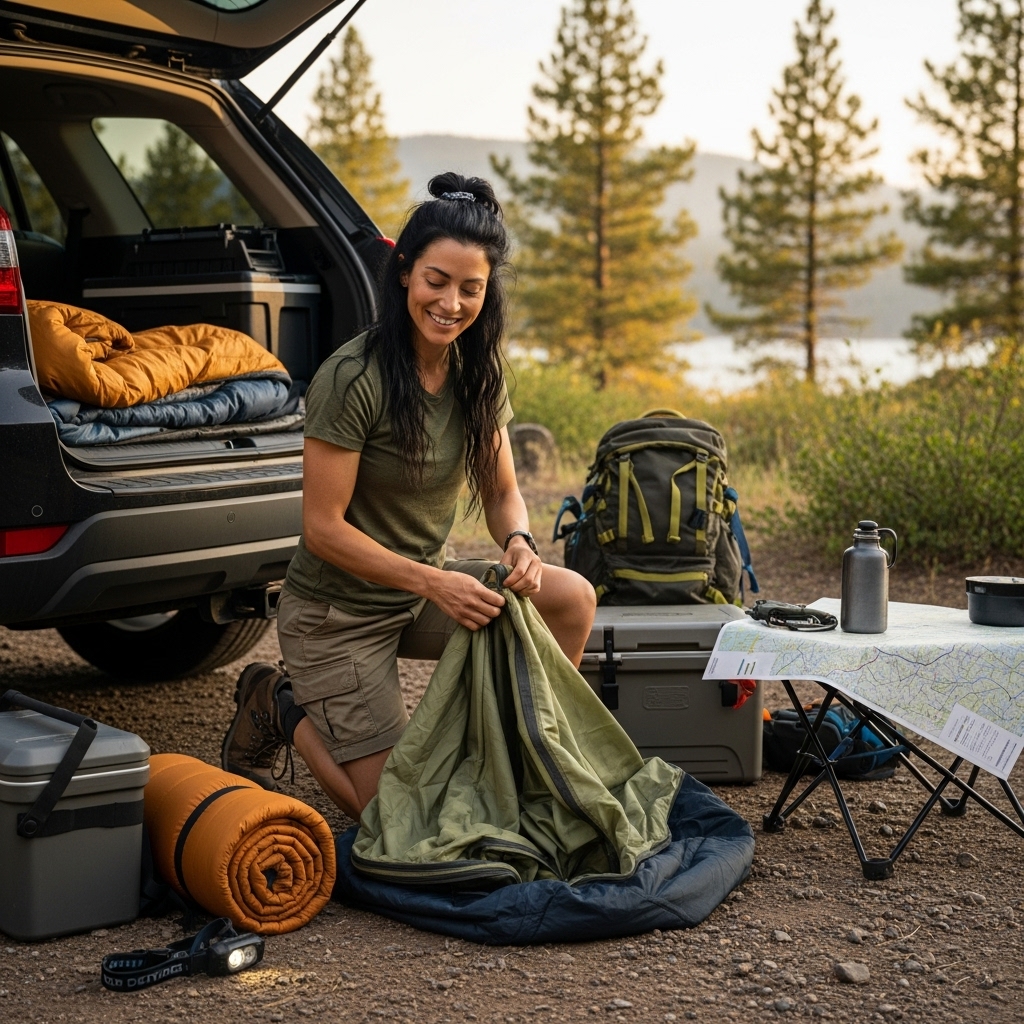

Arriving at a remote campsite after dark without a clear plan quickly turns an exciting weekend into a frustrating mess. Planning your trip begins long before you load the vehicle, which is why understanding what to know before camping saves hours of hassle at the campground. Seasoned outdoor enthusiasts rely on practical preparation, studying campground reservation windows, packing reliable layers, and setting up a dependable shelter like a timber camping tent for car camping before weather rolls in. Simple organizational habits, from checking state park waste disposal rules to carrying printed navigational guides, keep basic mistakes from cutting your trip short. Reviewing product manuals and travel guidebooks ahead of time ensures you arrive with the exact supplies and expectations required for a safe, comfortable outdoor stay.
Comfort at the campsite also depends on group morale, evening camp entertainment, and understanding everyday campground etiquette. Packing a sturdy shade shelter such as a marmot canopy tent creates a clean cooking space, while simple travel trivia games keep everyone engaged once the sun sets. Rookie travelers often overlook vehicle clearances, gray water disposal protocols, and packing breathable campfire apparel suited for variable temperatures. Taking time to study curated road guides, beginner checklists, and campsite activities gives you total confidence whether you pitch a canvas tent or hook up a travel trailer. Setting clear expectations before hitting the trail makes every trip smoother, safer, and far more enjoyable for the entire group.


Essential Camp Insights and FAQs
What should beginners prioritize when researching %what to know before camping%?
Beginners should prioritize shelter selection, thermal regulation, and campground reservation policies before heading outdoors. Pitching your tent in your backyard first confirms all poles, stakes, and rainfly attachments are present and undamaged. Pairing your sleep system with weather-appropriate protection, such as a sturdy winter canopy shelter or wind block, prevents unexpected weather from ruining the night. Studying beginner guidebooks also alerts first-time campers to food storage requirements, quiet hours, and basic Leave No Trace principles.
How do printed guidebooks compare to smartphone navigation apps for trip planning?
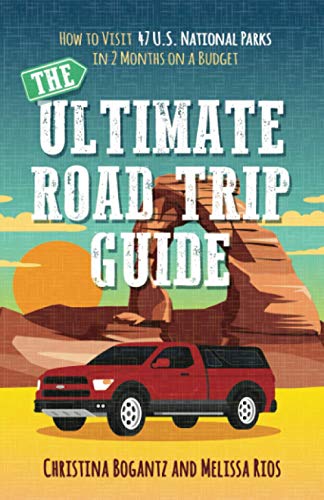
Printed guidebooks provide guaranteed offline access to road regulations, dump station locations, and park maps without relying on cellular signal or battery power. Remote national parks and wilderness areas frequently lack mobile data coverage, making physical travel guides essential backup tools. Travel books compile inspection checklists, rig clearances, and booking schedules in an organized format that does not drain device power. While GPS navigation apps offer live traffic updates, paper guides offer uninterrupted reference material for critical mechanical and campsite decisions.
Why are travel card games worth packing for an outdoor trip?
Travel card games offer lightweight, screen-free evening entertainment that brings campers together around the picnic table or fire ring. Compact games, like bottled truth-and-dare sets or pocket conversation cards, weigh only a few ounces and slip easily into small pack pockets. These activities fill downtime during quiet campground hours, unexpected rainstorms, or relaxed evenings without needing electronic devices or Wi-Fi. Having dedicated group games creates lasting memories and keeps both teens and adults engaged throughout the trip.
What fabric properties matter most for campfire and hiking apparel?
Breathable cotton blends and moisture-wicking synthetic fabrics provide the ideal balance of everyday comfort, airflow, and durability around camp. Lightweight cotton-blend graphic t-shirts deliver soft next-to-skin feel for warm afternoons while layering comfortably under fleece or down jackets when evening temperatures drop. Avoid delicate fabrics that snag easily on branches or degrade under frequent washing after absorbing campfire smoke. Durable double-stitched hems ensure your outdoor shirts withstand repeat wear across active weekends.
What pre-trip inspections should RV campers perform before rolling out?
RV owners must inspect tire pressure, brake connections, roof seals, and fluid levels before departing for any campground. Checking plumbing systems, holding tanks, and electrical hookups at home prevents messy campsite surprises and costly repairs. Beginner RV guides emphasize verifying clearance heights, slide-out mechanisms, and weight distribution prior to entering public campgrounds. Completing a structured pre-departure checklist guarantees a safe transit and straightforward campsite hookup.





Write Your Review
No reviews yet. Be the first to share your experience!