
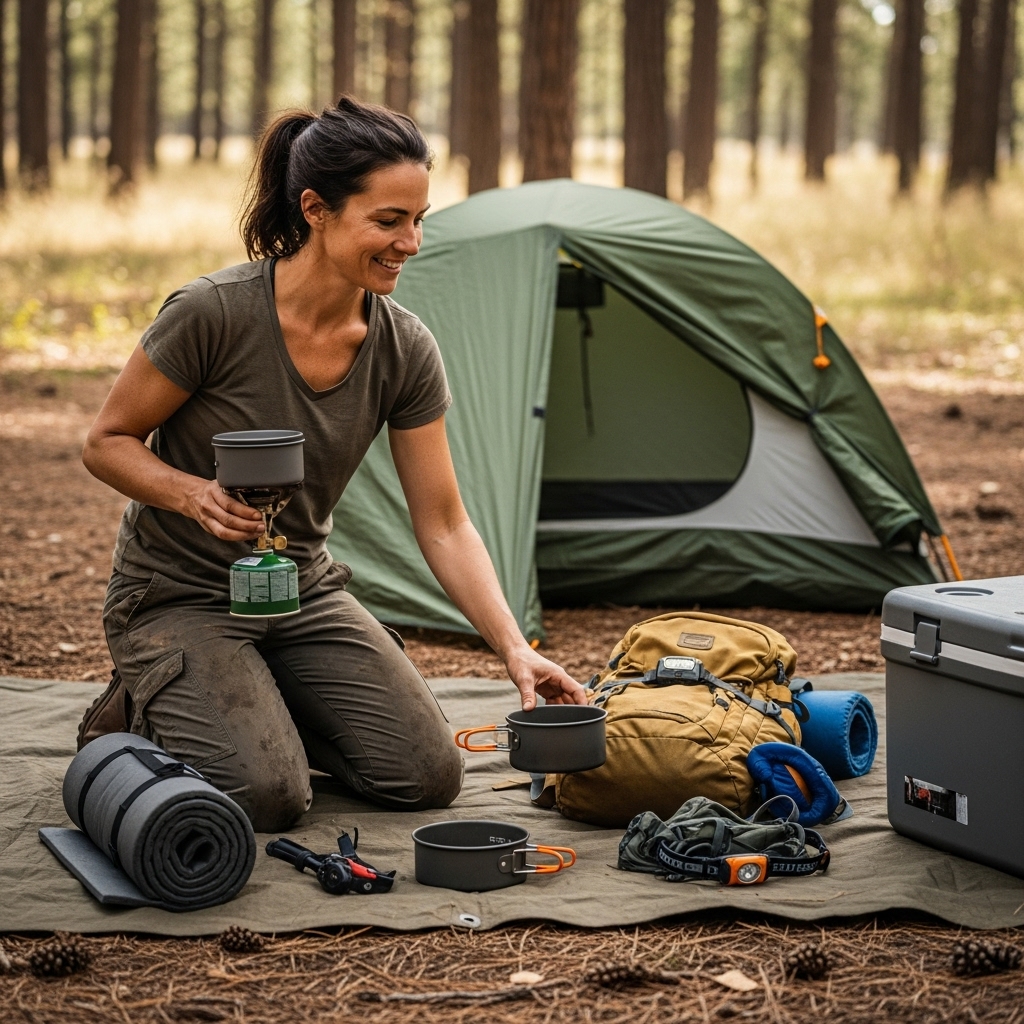

Heading into the backcountry with a four-legged trail partner requires sorting out strict leash regulations, pet-friendly campground policies, and trail terrain well before packing the vehicle. Figuring out where can i take my dog camping often starts with distinguishing between federal land rules and state park boundaries. National forests and Bureau of Land Management lands generally welcome leashed companions on trails and dispersed sites, whereas national parks usually restrict pets to paved areas. Pairing verified trail references like the State Park Pass – America’s Best Idea For Dog guidebook with dependable gear ensures smooth, compliant outdoor travel across various public lands.
Campsite dynamics change quickly once a dog is in tow, making shelter shade, hydration access, and safe containment top priorities. Setting up a reliable campsite shade canopy tent provides a cool retreat during peak daytime heat, while outdoor-themed tees and trail apparel keep camp spirits high. Based on our detailed comparison of campground regulations, guidebook resources, and camper feedback, smooth trips depend on checking local leash rules in advance, packing ample water supplies, and selecting pet-tolerant grounds. Knowing destination policies ahead of time prevents unwanted surprises and keeps tail wags steady from setup to pack-out.





Frequently Asked Questions
Are dogs allowed in all national parks for camping?
No, most U.S. national parks enforce strict pet restrictions that limit dogs to developed campgrounds, paved multi-use paths, and parking areas rather than backcountry hiking trails. Park managers enact these rules to safeguard native wildlife, protect fragile vegetation, and prevent dangerous animal encounters. Campers researching where can i take my dog camping should review individual park regulations, as select locations like Shenandoah National Park allow pets on designated paths. Keeping your dog on a standard six-foot leash remains mandatory in all park campgrounds.
Why are national forests preferred for pet-friendly camping trips?
National forest lands provide substantially broader pet access than national parks, allowing leashed dogs across thousands of trail miles and dispersed camping zones. The U.S. Forest Service manages multi-use acreage where well-behaved dogs can hike alongside their owners without facing trail-wide bans. Dispersed campsites also offer wider natural buffers from other campers, reducing territorial barking and unexpected greetings. Campers must still follow Leave No Trace principles by bagging and packing out canine waste.
Can dogs safely sleep inside standard camping tents?
Yes, dogs can sleep safely inside conventional shelters as long as the tent floor is guarded against sharp claws with an extra ground blanket or foam mat. Pitching a spacious heavy-duty waterproof camping tent provides enough floor space for your dog’s bed next to your sleeping gear without crowding the vestibule. Proper roof ventilation helps manage excess humidity caused by canine respiration on cold nights. Checking paws for thorns before allowing pets inside keeps delicate floor fabrics intact.
What essential items should you pack when planning Where Can I Take My Dog Camping in 2026?
A reliable pet camping kit includes a sturdy six-foot leash, collapsible silicone feeding dishes, a canine first-aid pack, and plenty of nutrient-dense food. Cold ground temperatures require an insulated pet pad to prevent hypothermia during chilly wilderness nights. Regional reference literature, such as Where Can I Take My Dog To The Beach?, helps verify coastal and shoreline access before departure. Carrying supplemental clean water prevents your dog from drinking contaminated ground runoff that harbors giardia.
How do campers maintain canine safety around an active campfire?
Campers should anchor pet tethers outside the immediate fire ring perimeter to avoid flying sparks, embers, and tripping hazards. Popping coals and shifting firewood can burn curious animals or trigger sudden panicked lunges near flames. Establishing a dedicated dog bed several feet away from the cooking grate creates a predictable boundary for your pet to rest. Supervised containment keeps pets calm while you cook meals or socialize around the embers.







Write Your Review
No reviews yet. Be the first to share your experience!