
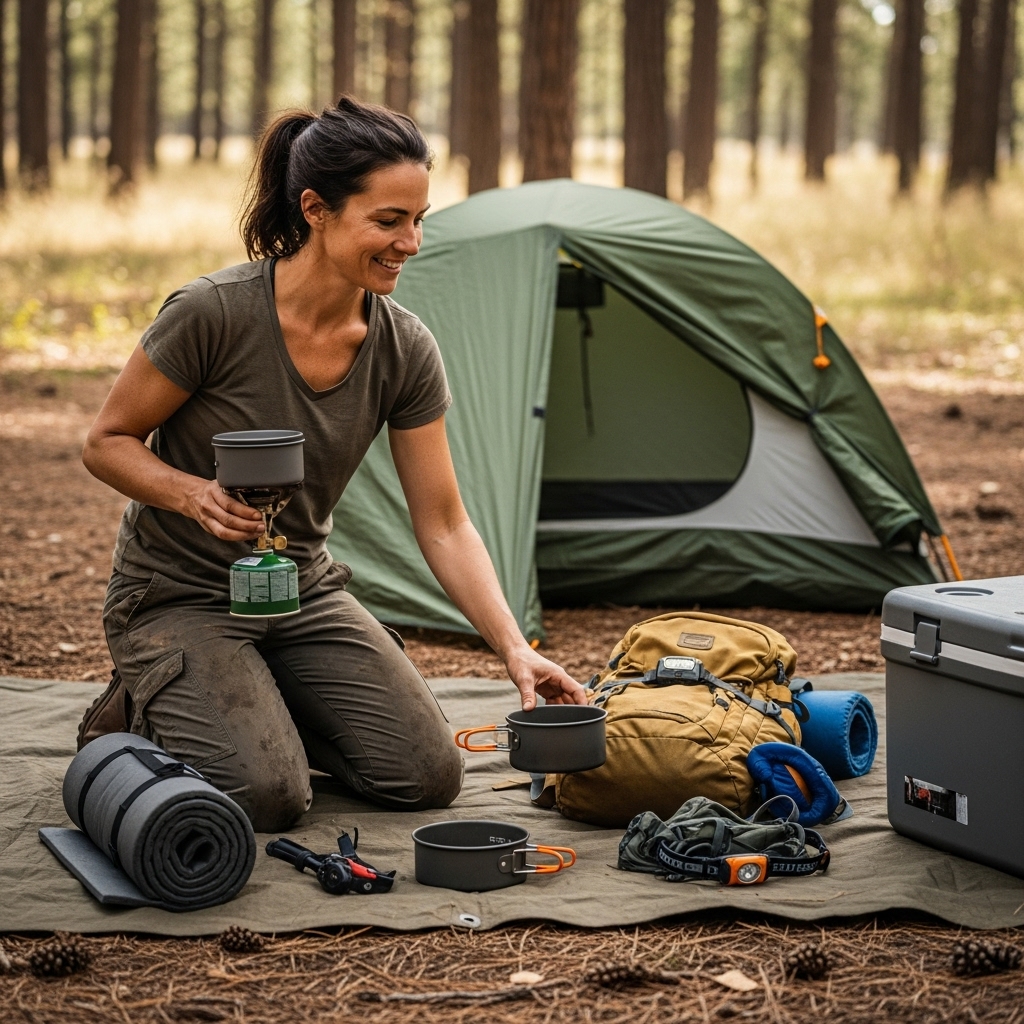

Crowded campgrounds and packed reservation calendars push many outdoor travelers toward remote, self-reliant stays. Setting up on public acreage removes campsite fees, but it requires thorough navigation and self-sufficient gear. Understanding where to find dispersed camping begins with identifying public lands managed by the Bureau of Land Management (BLM) and the United States Forest Service (USFS). These federally managed territories allow primitive vehicle stays along designated motor vehicle use routes without assigned pitch markers. Campers must carry all necessary supplies, including reliable waste systems and durable water filters for off grid camping, because these spots provide zero water hookups, trash cans, or toilets.
Informational resources and detailed audio road-trip guides help travelers map out legal pullouts before losing cell service. Resources like Renegade Car Camping: A Guide to Free Campsites highlight tactical approaches to locating free vehicle pullouts and understanding local forest regulations. Successful trips depend heavily on leave no trace principles, vehicle ground clearance, and accurate offline mapping. Careful planning around jurisdictional boundaries ensures you avoid private land trespass while enjoying primitive campsite solitude across scenic wilderness corridors.

Dispersed Camping Essentials and Location Strategies
Which public agencies allow where to find dispersed camping in 2026?
The Bureau of Land Management and the U.S. Forest Service manage the vast majority of legal dispersed sites across the United States. Most public lands under these federal departments permit free, primitive camping outside designated campgrounds unless specifically posted as closed. State trust lands and wildlife management areas occasionally allow boondocking, though they frequently mandate regional recreation permits. Checking regional field office guidelines prior to arrival clarifies local fire restrictions and boundary lines.
How do motor vehicle use maps assist with where to find dispersed camping?
Motor Vehicle Use Maps (MVUMs) define exactly which forest service roads permit motorized travel and roadside vehicle camping. The U.S. Forest Service publishes these official maps to show designated corridors where campers can legally pull off the road without violating land protection rules. Pulling off an unauthorized trail can lead to environmental citations and resource damage. Downloading digital MVUM files into offline navigation apps ensures you remain on legal dispersed ground even without cellular reception.
What stay limits apply when utilizing where to find dispersed camping areas?
Federal dispersed camping areas typically enforce a 14-day stay limit within any 28-day consecutive period. Campers must move their setup outside a specified radius, usually between 25 and 30 miles, once the stay limit expires to prevent permanent encampments. This policy protects sensitive wildlife habitats and guarantees equal land access for other outdoor travelers. Specific ranger districts may enforce shorter limits during high-use hunting or summer seasons.
What essential gear is required when planning where to find dispersed camping trips?
Dispersed campsites demand total self-sufficiency because they provide no potable water, restrooms, or waste disposal receptacles. Campers need dedicated water storage, emergency communication devices, human waste disposal bags or trowels, and multi purpose camping tools for routine site adjustments. Preparing self-contained power and navigation ensures smooth off grid stays without relying on external campground facilities.
Are campfires permitted at primitive dispersed campsites?
Campfire permissions at dispersed locations depend entirely on regional fire danger stages and district regulations. During hot, dry summer months, federal agencies regularly issue fire bans that prohibit all open wood fires outside developed metal rings. Campers should always verify local fire restrictions and carry portable propane stoves as reliable cooking alternatives when open campfires are banned.







Write Your Review
No reviews yet. Be the first to share your experience!