
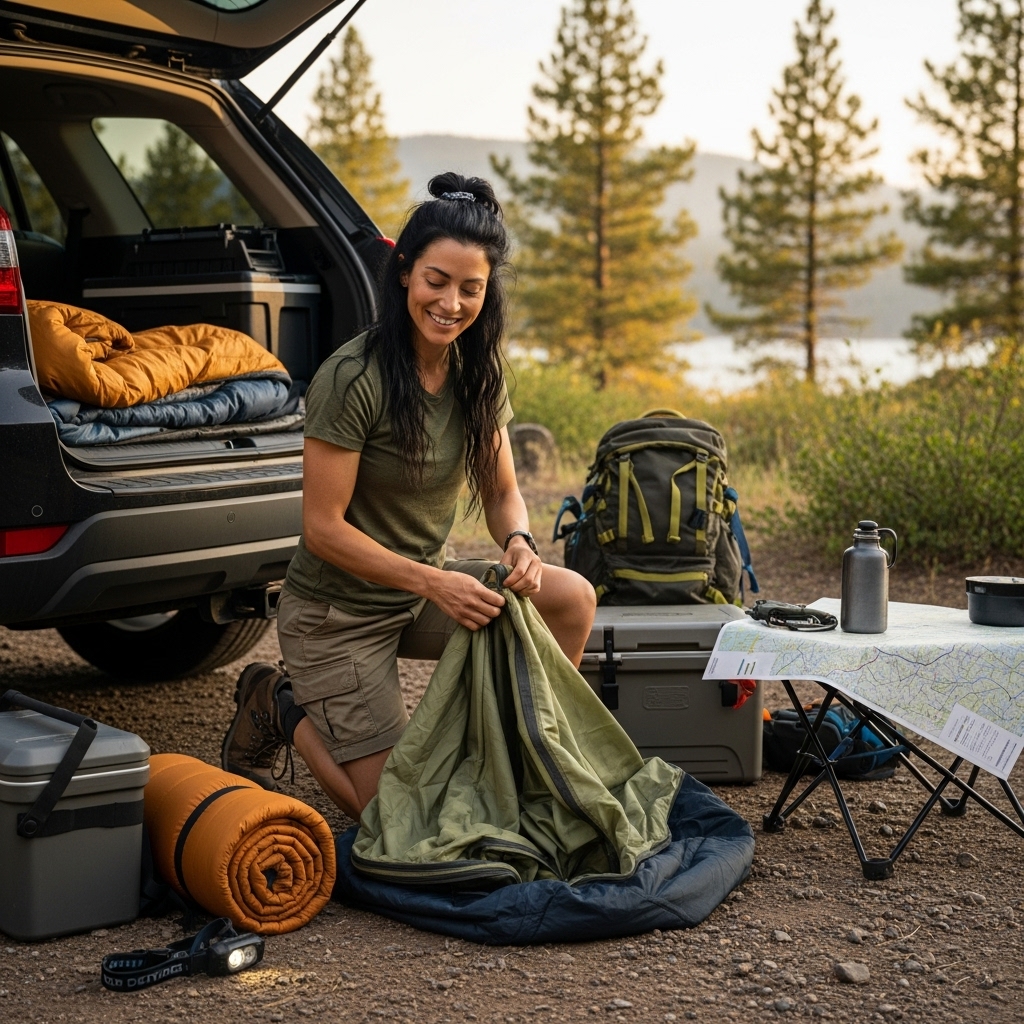

Selecting a Cabin Shelter with Electrical Cord Access
Running extension cords into a family shelter shouldn’t require leaving the main entrance cracked open for damp drafts and insects to enter. Campers frequently bring electrical comforts like air mattress pumps, small coolers, or rechargeable camping fans to make campground stays more convenient. That is why locating the best camping tent with wall plug models makes a notable practical difference on powered campsites, keeping wiring flat and shielded without stressing primary door zippers. Tall peak heights and nearly vertical walls let everyone stand comfortably, turning a basic footprint into an open, functional living space.
Spacious cabin layouts like the CORE 12 Person Tent | Large Multi Room Family and versatile shelters from unp emphasize straight-wall construction, mesh roof ventilation, and durable steel leg frames. Family car camping calls for manageable setup routines after long road trips, which makes intuitive pole connections and freestanding cabin structures valuable for weekend outings. Inspecting factory seam sealing, rainfly overhang, and dependable guyline points also helps ensure your family shelter remains secure and dry when sudden summer rainstorms roll over the campsite.
Pros
- Full 78-inch peak standing height eliminates uncomfortable crouching inside the tent
- Hybrid frame with four steel upright leg poles provides better wind stability than standard flexible fiberglass arches
- Extensive mesh panels on the roof, door, and five windows deliver superior airflow to reduce condensation
- Compact packed size of 24.6 inches fits neatly into standard vehicle trunks and closet shelves
Cons
- Packed weight of nearly 18 pounds makes this shelter strictly suitable for car camping rather than backpacking
- Occupying the tent with the maximum six adults leaves virtually no extra floor space for luggage or camp gear
- Upright cabin walls catch more wind than low-profile dome designs, requiring careful staking in open terrain
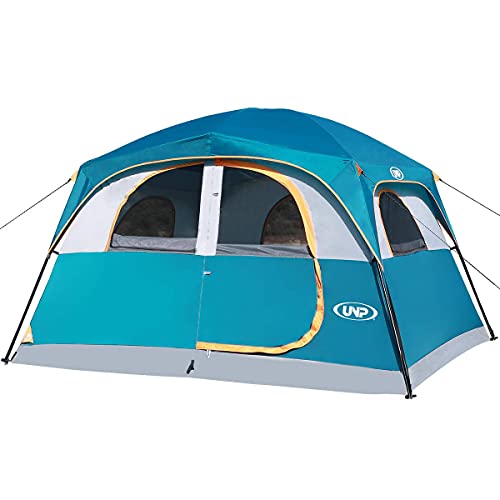
The UNP 6-Person Family Cabin Tent is a freestanding, cabin-style car camping shelter engineered for weekend family outings, car campers, and small groups visiting state parks or organized campsites. Built around a 10-foot by 9-foot floor plan offering 90 square feet of interior area, the tent distinguishes itself through a generous 78-inch center peak height. This elevated ceiling profile permits most campers to stand fully upright to change clothes or organize gear, eliminating the awkward crouching common to standard low-profile dome tents.
Space planning inside the cabin layout accommodates multiple sleeping arrangements depending on group dynamics. The manufacturer notes that the interior fits up to two queen-sized air mattresses or six tightly arranged sleeping pads. For real-world campground livability, fitting three or four campers allows ample peripheral room for duffels, boot trays, and daytime necessities, whereas maximum six-person occupancy leaves little clearance for personal equipment. A large front mesh door and five perimeter mesh windows create sweeping 360-degree sightlines while keeping mosquitoes and biting bugs at bay.
Weather protection relies on a polyurethane-coated rainfly and tent body designed to deflect rain showers, paired with a rectangular roof and four steel leg poles that provide structural rigidity against campsite wind gusts. The substantial mesh roof under the fly promotes continuous vertical convective airflow, which helps mitigate interior condensation when temperatures drop overnight. While the PU coating resists precipitation during standard three-season conditions, the upright vertical walls naturally catch more wind resistance than aerodynamic geodesic shelters, making proper staking and secure guyline tensioning critical during gusty weather.
Portability and setup mechanics remain practical for vehicle-based travel. According to the manufacturer, two campers can complete assembly in roughly five minutes, while a solo pitch takes around ten minutes once familiar with the frame. With a packed weight of approximately 17.8 to 18 pounds and a carry bag measuring 24.6 by 8.26 by 8.26 inches, this tent fits comfortably in vehicle trunks alongside coolers and camp stoves, though the steel poles make it entirely unsuited for backcountry trail packing.
Prospective buyers should recognize that this shelter is optimized for warm-weather, three-season car camping rather than extreme winter or high-alpine expeditions. Backed by a one-year quality assurance commitment from the brand, the UNP 6-Person Cabin Tent stands as a sensible choice for first-time campers, families with children, and casual weekend adventurers who prioritize stand-up headroom and cool ventilation over ultralight trail specs.
The primary advantage of the UNP cabin architecture is its near-vertical wall structure paired with the 78-inch peak center height. Unlike traditional dome tents where usable volume tapers steeply toward the apex, this cabin layout maximizes shoulder-level space across the full 90-square-foot floor plan.
Campers can place two standard queen air beds side by side with a narrow walkway in the middle, or configure cots along the perimeter walls. Ample mesh throughout the walls and roof ensures the interior feels open and bright during daytime use, reducing the dark, enclosed feel typical of compact budget tents.
The structural support system utilizes four rugged steel leg poles joined to a rectangular roof frame, delivering superior upright stability compared to all-fiberglass configurations. The intuitive sleeve-and-clip setup allows two people to pitch the tent in approximately five minutes without requiring specialized tools.
Packed down into its included 24.6 by 8.26-inch zippered storage bag, the entire package weighs under 18 pounds. This profile stores compactly on garage shelves or inside a car trunk, making it an efficient choice for car camping, beach day trips, and outdoor festival weekends.
Pros
- Generous 86-inch peak height and near-vertical walls deliver walk-around headroom throughout the shelter.
- Included room divider quickly converts the large open space into a private two-room suite.
- Equipped with H20 Block Technology, taped rainfly seams, and 1200mm water-resistant fabric to help repel rain.
- Spacious 16x11-foot floor plan easily fits four queen airbeds or a mix of cots and family camping gear.
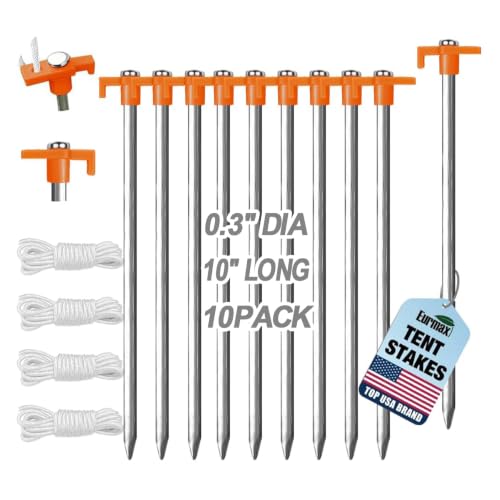
- Supplied steel stakes and guylines provide reliable tie-down support on established campground tent pads.
Cons
- Substantial 16 by 11-foot footprint requires a large, level campsite clearing to pitch correctly.
- The 1200mm water-resistant fabric coating is built for three-season recreation and may require extra seam care during extended severe storms.
- Tall vertical cabin walls and large fabric panels generally require two adults for smooth setup.
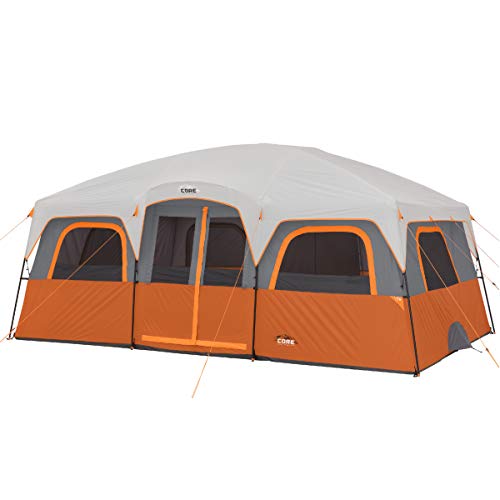
The CORE 12 Person Tent is a large-format multi-room cabin shelter engineered specifically for family car camping, group outings, and extended campground weekends. With an expansive 16 by 11-foot floor plan and a towering 86-inch center peak height, this shelter provides standing-room comfort that appeals directly to family campers, multi-generational groups, and weekend warriors who prioritize liveable interior space over ultralight trail specs. Instead of crouching through low-profile doors, campers can walk upright throughout the center of the structure, making it well-suited for state park campsites, festival camping grounds, and drive-in holiday setups.
Usable interior space represents the defining feature of this cabin tent. The nearly vertical wall profile avoids the sloping sides common to traditional dome designs, allowing the floor to comfortably fit up to four queen-size air mattresses or accommodate six campers alongside duffel bags, storage totes, and personal gear. For groups requiring spatial separation, the included fabric room divider splits the interior into two distinct spaces, functioning effectively as separate sleeping quarters or a combined bedroom and dry staging area. Integrated wall storage pockets keep flashlights, phones, and small camp accessories elevated away from floor clutter.
Weather protection relies on CORE proprietary H20 Block Technology paired with 1200mm water-resistant coated fabric. The tent utilizes a fully taped rainfly to shed incoming precipitation, along with sealed seams and fully zipped window panels that prevent wind-driven moisture from entering during passing rain showers. While 1200mm fabric handles typical three-season rainfall, the high, broad vertical walls naturally catch crosswinds more than aerodynamic backpacking structures. CORE includes sturdy steel stakes and tensioning guylines to anchor the frame into hard-packed campground soil, providing essential stability against gusty conditions.
Managing a cabin tent of this scale requires realistic campsite handling and site selection. Due to the 16 by 11-foot footprint, pitching requires a wide, cleared camping pad free of large roots and sharp rocks. While solo setup is theoretically possible with practice, the upright frame structure and tall center peak make assembly significantly smoother when handled by two adults. An included zippered carry bag simplifies packing the folded tent fabric, poles, and stake bundle into an SUV, crossover, or truck bed, keeping vehicle-based transport organized between camping trips.
For families and outdoor groups seeking a spacious, partitioned camping headquarters, the CORE 12 Person Tent delivers practical floor space and dependable three-season shelter. It is best chosen by car campers, festival crews, and family vacationers who value walk-around standing height, private room separation, and organized gear storage. Backcountry backpackers should opt for compact lightweight shelters, but drive-in campers will appreciate the shelter's residential layout for comfortable outdoor living.
The CORE 12 Person Tent provides a generous 16 by 11-foot footprint that delivers 176 square feet of floor space, comfortably accommodating up to six campers with full gear setups or twelve sleepers using compact sleeping pads. An 86-inch center height combined with straight cabin walls ensures that even tall adults can stand upright and move around freely without stooping.
An included removable room divider allows campers to customize the layout into two separate private suites. This configuration works well for parents wanting privacy from kids, mixed groups sharing camp costs, or campers who prefer a dedicated sleeping area on one side and a dry changing or gear staging room on the other.
Engineered with CORE H20 Block Technology, this tent features 1200mm polyurethane-coated fabric designed to bead and shed moderate rainfall. Factory-taped seams along the rainfly and tent body work in tandem with sealed window seams to prevent leaks at common needle puncture points.
Windows feature full-coverage zippered panels that can be closed tight during blustery rainstorms or unzipped to reveal mesh screens for cross-ventilation during warm summer nights. Steel ground stakes and heavy-duty guylines come standard, giving campers the essential anchor points needed to brace the tall cabin walls against breezy conditions.

Pros
- A full 6-foot (72-inch) center height delivers rare stand-up clearance for a compact four-person footprint.
- Straight cabin wall profile increases shoulder space compared to traditional sloping dome tents.
- Four steel leg poles provide a sturdy base structure on standard campground surfaces.
- Multiple mesh openings and a mesh roof panel promote airflow across the tent interior.
- Covered by a manufacturer 1-year unconditional quality assurance warranty.
Cons
- Product specifications lack fabric type, waterproof ratings, and seam-sealing details.
- The 8-foot by 7-foot floor area will feel tight for four adult campers once personal gear is brought inside.
- Listing does not detail packed dimensions or whether ground stakes and guylines are supplied.
The UNP 4-Person Portable Cabin Tent is an upright shelter designed primarily for drive-up campsites, family weekends, and casual outdoor getaways. Unlike conventional compact dome models that taper sharply toward the apex, this shelter adopts a cabin silhouette with near-vertical walls. Campers who dislike stooping or crawling inside smaller group tents will immediately notice the difference in usable overhead space, making this model especially appealing to couples, small families, or pairs of adult campers prioritizing convenience at established campgrounds.
Inside, the tent measures 8 feet by 7 feet (approximately 94.5 by 82.7 inches) with a peak center height of 72 inches. While the manufacturer labels this as a 2 to 4 person shelter, how comfortably it sleeps depends on your bedding layout. Four adults side by side on narrow pads will occupy nearly the entire 56-square-foot floor, leaving minimal space for bags. Used as a spacious two-person basecamp or for parents camping with one or two small children, the floor plan leaves adequate space for sleep systems and day packs along the edges.
The structural design relies on four steel leg poles connected to a rectangular roof framework. According to the manufacturer, pitching requires no specialized skills and takes roughly three minutes with two people, or about five minutes for a solo camper. The use of steel for the vertical uprights provides solid grounding against moderate campground breezes, though the rectangular profile inherently catches more wind than low-slung, aerodynamic dome structures.
Ventilation is well represented across the tent body. The layout includes one mesh entry door, two mesh side windows, and an open mesh roof panel that invites overhead airflow. Campers can adjust the window flaps from inside the tent using zippered panels, which is a practical convenience when chilly night drafts pick up. The mesh ceiling also allows for pleasant stargazing when outdoor weather permits clear-sky sleeping.
Before purchasing, buyers should note several material uncertainties in the manufacturer data. The listing highlights the tent as firm, stable, and suited for outdoor camping in all weather, yet it provides no documented fabric composition, seam-taping details, or hydrostatic head waterproof ratings. Furthermore, packed storage dimensions and included pitching hardware (such as stakes and guy cords) are not specified. At 13 pounds, the tent is well-proportioned for trunk storage and vehicle camping, but it is not intended for trail carry or backpacking.
Ultimately, the UNP 4-Person Cabin Tent makes a practical option for budget-conscious car campers who value full standing height and straightforward assembly. If you plan to camp in mild to moderate weather and prefer an airy, upright room over a cramped low-profile dome, this shelter fits the bill. Campers anticipating heavy downpours or high-wind environments should verify rainfly coverage and seam protection before heading into exposed terrain.
The UNP Cabin Tent provides an interior footprint of 8 feet by 7 feet, translating to roughly 56 square feet of floor space. The manufacturer advertises this footprint for 2 to 4 campers, but your real-world comfort will depend entirely on how much gear you store inside and your preferred sleep setup.
With a center height reaching a full 72 inches (6 feet) and nearly vertical side walls, the cabin geometry preserves head and shoulder clearance all the way to the edges. A couple using a queen-sized air mattress or two individual cots will enjoy ample room to stand and maneuver. Packing four full-sized adults into the tent will require sleeping pad to pad, leaving personal duffels to be stored in your vehicle or tucked into foot-end corners.
Pitching the UNP 4-Person Tent is engineered for quick campsite deployment. The manufacturer states that assembly takes approximately three minutes with two people, while a single person can complete setup in around five minutes without technical expertise.
The frame relies on four steel leg poles combined with a rectangular roof arrangement. This rigid metal structure anchors the cabin uprights and creates the framework necessary for vertical sidewalls. While the steel poles add steady mass for campground stability, proper staking and tensioning remain essential to secure the broad rectangular profile against gusty conditions.
Air movement is a primary design focus of this cabin shelter. The body features a mesh front door, two large mesh side windows, and an extensive mesh top section that encourages warm air to escape upward while drawing in lower breezes.
Zippered interior access allows occupants to open, close, or partially vent the window coverings without stepping outside into the cold or damp. This configuration helps reduce internal condensation during humid nights while offering clear scenic views when the surrounding weather is warm and dry.
UNP covers this 4-person camping tent with a 1-year unconditional quality assurance guarantee. The manufacturer provides direct customer support channels, stating inquiries receive a response and resolution within 12 hours.
Campers should retain purchase documentation and inspect the poles, zippers, seams, and mesh upon arrival to ensure all structural components meet expectations prior to your first planned trip.
Frequently Asked Questions
Can extension cords run safely into the best camping tent with wall plug in 2026?
Yes, standard outdoor extension cords can feed through designated cord access ports or covered corner zippers without letting rain or bugs inside. Always use exterior-rated cords and keep electrical connections elevated off the tent floor to avoid damp ground. Avoid overloading campground pedestals to maintain dependable power throughout your stay.
How much usable sleeping space do cabin tents provide compared to dome designs?
Cabin tents offer significantly more usable headroom because of their nearly vertical walls. The UNP 6 Person Tents for Camping Waterproof Family delivers a 78-inch center height and 90 square feet of floor space, fitting two queen air mattresses. Straight walls allow occupants to stand upright and change clothes easily without crowding the center.
How do mesh panels prevent condensation inside large family tents?
Mesh roof panels and large zippered side windows promote cross-ventilation by letting warm, exhaled air escape beneath the rainfly. When airflow moves freely, interior moisture is far less likely to condense on the walls during chilly mornings. Campers wanting extra weather protection often compare these airy cabin designs with heavy duty camping tents built for damp climates.
What weather protection features should campers look for in cabin tents?
Factory-sealed seams and durable waterproof coatings provide essential defense against windblown rain. The CORE 12-person model features H20 Block Technology with a 1200mm fabric rating and fully taped seams to shed water effectively. Setting stakes firmly and keeping guylines tensioned prevents the rainfly from resting against the inner tent fabric during heavy downpours.
How easy is it to assemble a cabin tent with steel leg poles?
Assembling a cabin tent with steel legs is simple when two people follow the color-coded pole layout. The UNP 4-Person Tent Portable Cabin Tent weighs 13 pounds and takes roughly three to five minutes to pitch with straightforward roof sleeves. Steel leg poles deliver steady upright support, while flexible roof poles form the overhead arch.



Write Your Review
No reviews yet. Be the first to share your experience!