
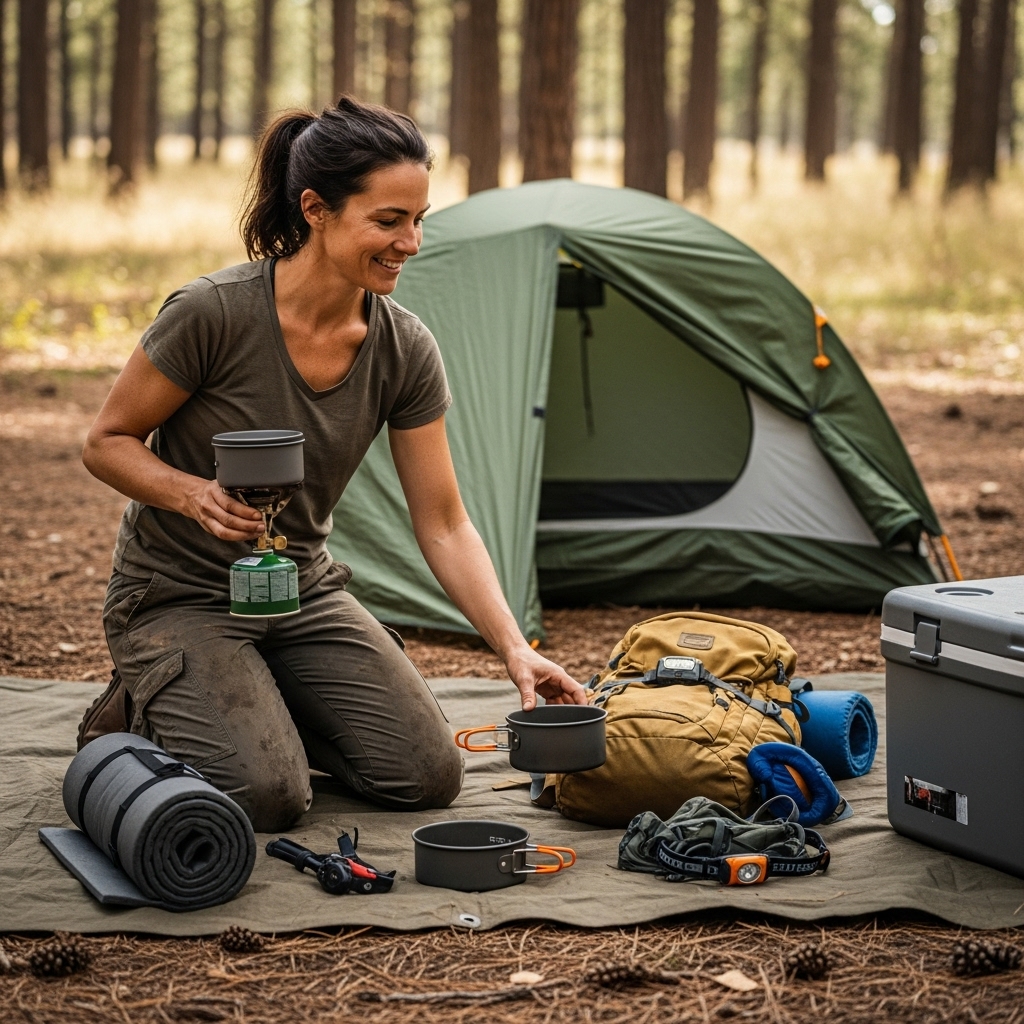

Evaluating Compact Shelter Options for Trail Campsites
Setting up camp after miles on a dusty trail quickly reveals whether a shelter balances pack weight with genuine living space. Many solo hikers struggle with cramped interiors that barely leave room for an insulated pad, let alone dry gear storage. Evaluating the best eureka camping tent involves checking floor dimensions, ventilation features, and weather protection ratings to ensure your shelter handles rough weather without weighing down your backpack. A dependable shelter must protect against sudden downpours while keeping condensation under control through steady airflow.
Solo outdoor trips demand dependable gear that pitches fast before darkness or foul weather rolls in. Shelters such as the Night Cat Backpacking Tent for One 1 to 2 Persons offer straightforward diagonal-pole frames paired with PU 3000mm waterproof coatings. Exploring alternatives alongside popular camping tents helps clarify the tradeoffs between single-layer simplicity, pack volume, and seasonal versatility. Reviewing listed specifications like floor area and fabric coatings ensures you select a shelter matched to your specific campsite conditions.

Pros
- PU 3000mm waterproof coating and factory-taped seams offer dependable rain protection for a single-layer tent.
- Protective pole casing prevents the painful fiberglass splinters common with budget fiberglass poles.
- Simple two-pole cross sleeve design enables rapid, hassle-free solo setup in under two minutes.
- Generous 7-foot interior length provides ample room for taller campers plus interior gear storage.
Cons
- Single-layer design requires adequate airflow to prevent interior condensation during cold or humid nights.
- At 4.34 pounds, it is heavier than dedicated ultralight backcountry shelters.
- The 3.8-foot width realistically accommodates only one adult with gear rather than two full-sized adults.
The Night Cat Backpacking Tent is a compact, single-layer dome shelter engineered for solo adventurers, scouts, weekend hikers, and first-time campers looking for a practical, low-cost outdoor shelter. With interior floor dimensions measuring 7.0 by 3.8 feet and a peak center height of 3.6 feet, this shelter is proportioned to give a single adult sleeper generous elbow room with dedicated space along the perimeter to stash a trail pack, boots, and clothing. While the listing notes capacity for an adult and a small child, practical trail use makes it primarily an efficient one-person backpacking and camp shelter.
For weather management, the tent utilizes polyester fabric treated with a PU 3000mm waterproof coating, complemented by sealed, taped seams along the structural stitching. This level of waterproof protection is designed to withstand passing rainstorms and prevent moisture penetration from the wet ground. Because this is a single-layer tent without a separate full-coverage rainfly, managing air circulation is critical. Night Cat addresses this through a large mesh front entryway and an integrated mesh roof window, which work together to facilitate fresh air exchange and keep flying pests out of the sleeping quarters.
The frame relies on two foldable fiberglass poles equipped with an upgraded protective casing. Traditional single-layer fiberglass poles can develop micro-splinters over time that irritate hands during assembly, but this dual-layer sleeve construction shields campers during handling. Pitching the shelter requires sliding both poles through the diagonal roof sleeves and anchoring the corners, a straightforward routine that takes approximately one to two minutes even when arriving at camp after dusk. Once staked, the freestanding dome structure holds its shape cleanly in moderate winds.
Portability is a strong attribute for youth groups and weekend travelers, with the tent packing down into an included carry bag measuring 16.5 by 4.7 by 4.7 inches. At an overall weight of roughly 4.34 pounds, it sits between heavier car camping options and premium ultralight shelters. While long-distance thru-hikers counting every ounce may prefer a lighter tarp or trekking-pole tent, this weight and compact packed size fit conveniently into scout gear packs, motorcycle saddlebags, and car trunks for spontaneous overnights.
Before planning an extended trip, campers should account for the functional tradeoffs of a single-wall shelter. In damp, chilly environments, warm breath will create condensation along the interior polyester walls if the mesh vents are kept shut. Additionally, because there is no external vestibule, muddy footwear and wet outerwear must be brought inside the main tent floor. For budget-conscious hikers, motorcycle campers, scouts, and festival goers seeking a simple, waterproof, and easy-to-pitch solo shelter, the Night Cat tent provides a balanced, accessible solution.
Setting up the Night Cat tent requires minimal effort thanks to its streamlined two-pole sleeve structure. The fiberglass poles slide directly into diagonal sleeves across the canopy, allowing a single person to erect the freestanding dome in roughly one to two minutes without complex hub mechanisms.
Takedown is equally quick, rolling neatly into an included 16.5 by 4.7-inch carry sack. At approximately 4.34 pounds, the tent packs down compactly enough to strap onto the bottom of a backpack, secure to a bicycle rack, or store in a vehicle trunk for weekend outings.
Constructed with PU 3000mm coated polyester and heat-sealed taped seams, this shelter is built to keep rain from penetrating the interior cabin during unexpected downpours. The aerodynamic dome geometry also assists in deflecting moderate wind gusts when properly staked to the ground.
To mitigate condensation common to single-wall tents, the layout includes a large mesh door and an upper roof mesh vent. Keeping these openings clear allows continuous airflow across the ceiling, helping warm moisture escape while maintaining dependable insect defense.
Frequently Asked Questions About Best Eureka Camping Tent
How much interior space does a single-person backpacking tent provide?
Most solo backpacking tents provide enough floor length for a standard sleeping pad with modest extra room for gear. For instance, the Night Cat model lists an inner floor size of 7.0 by 3.8 feet with a 3.6-foot peak height, accommodating one adult comfortably along with footwear and an overnight pack. While the manufacturer notes that an adult and a small child can fit, two full-grown adults will find the interior dimensions tight for regular camping.
What waterproof rating is needed for wet-weather camping in 2026?
A waterproof polyurethane rating between 2000mm and 3000mm PU is generally adequate for moderate to heavy rain on three-season trips. The Night Cat tent features polyester fabric rated at PU 3000mm with factory-taped seams along the stitching lines. Campers heading into prolonged high-altitude downpours or comparing mountain canopy shelter designs should always verify seam sealing and stake out guylines securely.
How does single-layer tent construction manage interior condensation?
Single-layer tents rely on active airflow through mesh openings to prevent interior moisture buildup. Because single-wall shelters lack a separate breathable fabric canopy, humid breath can condense directly onto the coated exterior walls during cold nights. Keeping the large mesh door and roof ventilation window unblocked encourages airflow, and pairing your setup with rechargeable camping fans can improve circulation in humid conditions.
How fast can a fiberglass pole dome tent be set up?
A standard two-pole dome design typically takes between two and five minutes to assemble on flat ground. With this shelter, two diagonal fiberglass poles slide manually through external sleeves to pitch the dome structure quickly. The poles also feature a protective outer casing designed to shield hands from tiny fiberglass splinters during assembly and takedown.
Is a 4.4-pound packed weight suitable for hiking trips?
Yes, a 4.4-pound (2 kg) packed weight suits entry-level backpacking, scout outings, and weekend trail trips. While ultralight trekking-pole shelters weigh less, a self-standing dome tent with dedicated poles provides a self-contained structure for budget-conscious hikers. Its compact packed size of 16.5 by 4.7 inches fits conveniently inside or strapped to the outside of an overnight backpack.
What safety precautions should campers take inside compact shelters?
Campers should never operate combustion appliances or fuel-burning heaters inside an enclosed tent. Using open flames, stoves, or gas heaters creates severe fire hazards and deadly carbon monoxide risks in small enclosed spaces. Always follow manufacturer guidelines, keep cooking gear outdoors, and pitch your shelter clear of dead overhead branches.


Write Your Review
No reviews yet. Be the first to share your experience!