
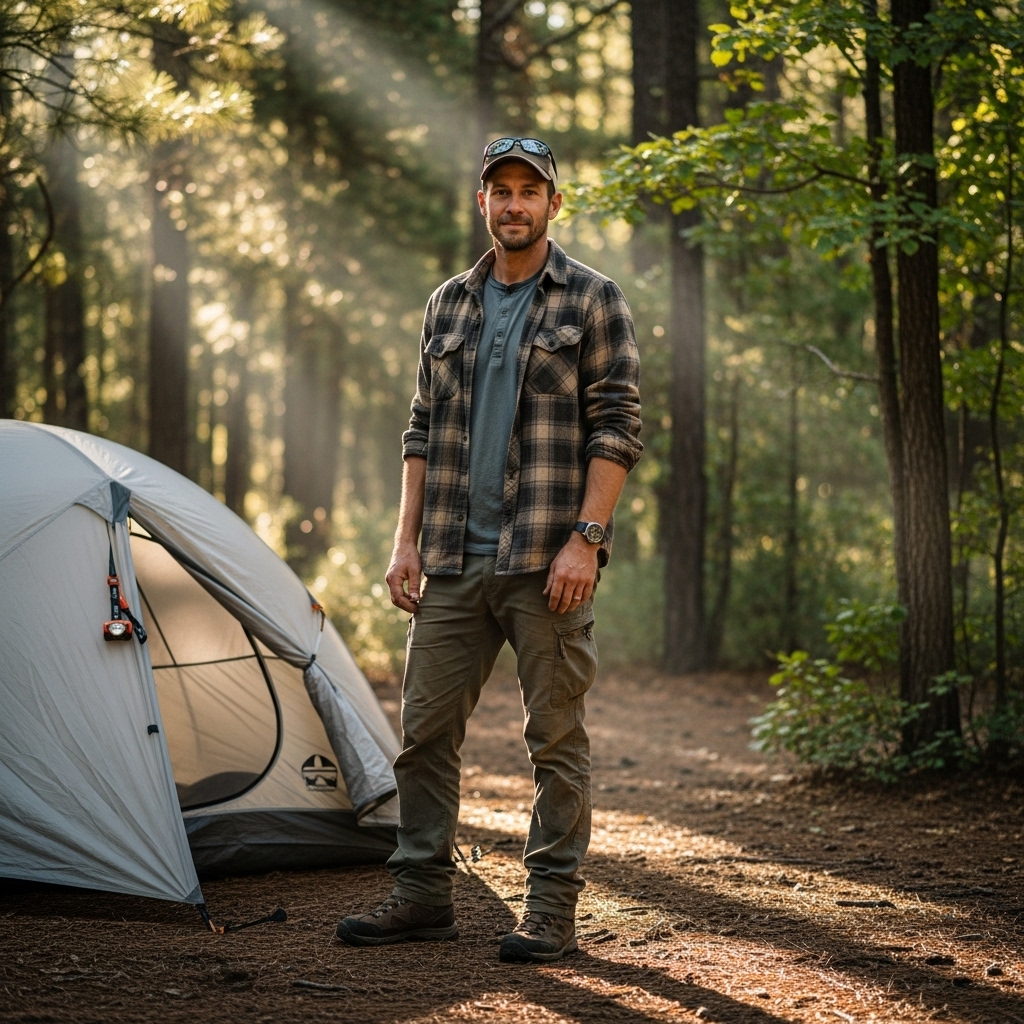

Playhouse Shelters and Kids Tents
Setting up a dedicated play zone in a living room or backyard often comes down to balancing floor dimensions with fast assembly. Small indoor shelters need enough headroom for active toddlers, yet they must fold down compactly when playtime ends. If you want a playful retreat that balances quick pitch times with durable fabric, picking the best kids tent creator recommended home networking pick can make a noticeable difference in daily play. Many family spaces benefit from designs that prioritize airflow through mesh windows, especially during energetic games. Youth shelters emphasize pop-up frames and safety-coated poles that handle daily wear without constant readjustment.
Ventilation remains an essential detail when multiple children share an enclosed space for hours. Lightweight polyester paired with mesh ceiling panels keeps air circulating, preventing heat buildup on warm afternoons. Much like preparing an easy shelter setup for an afternoon gathering, selecting the right children’s playhouse involves checking door fasteners, clearance heights, and reinforced seams. Investing in well-constructed play spaces gives kids a secure environment to read, rest, or play make-believe.


Frequently Asked Questions
How much interior space does a typical playhouse tent provide for children?
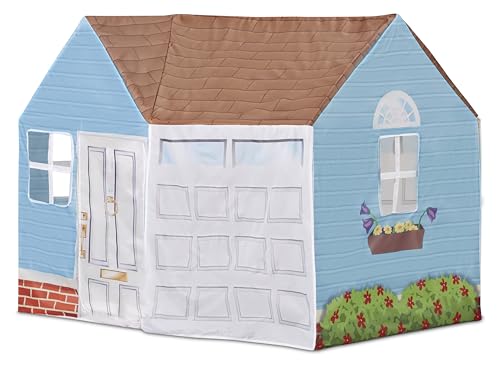
Most models offer between 40 to 63 inches of floor length, accommodating one to three toddlers comfortably. For instance, larger options like the Kid Trax playhouse provide 63 by 43 inches of floor space with a 51-inch peak height, creating ample room for pretend play. When evaluating the best kids tent creator recommended home networking pick for your living room, consider measuring floor dimensions first to ensure comfortable clearance around furniture.
Can indoor play tents be used outdoors in the backyard?
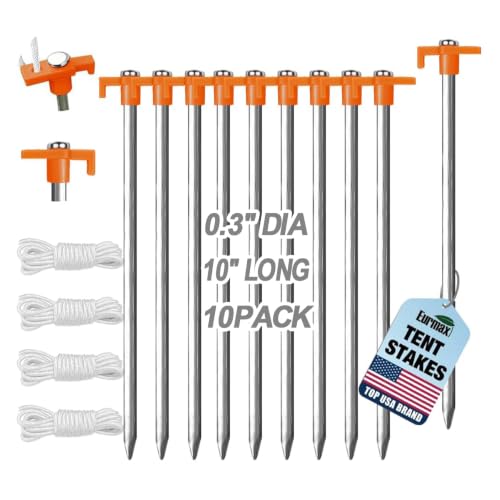
Yes, models made with durable polyester shells can function outside on clear, dry days. However, play tents lack standard waterproof rainflies and rugged ground stakes, meaning they are not built for overnight rain or high winds. For outdoor summer sessions, pairing a pop-up shelter with rechargeable camping fans helps maintain a cool interior breeze under direct sun. Always pack the shelter away indoors after outdoor playtime to prevent fabric degradation.
What safety features should buyers look for in tent poles and fabric seams?
Safety-coated fiberglass poles and reinforced stitching provide the highest level of stability and protection. Brands like Pacific Play Tents utilize Super Poles that are safety-coated to prevent splintering during rough play. Radius-cut hook-and-loop fasteners also eliminate sharp edges that could scrape bare skin. Checking for double-stitched stress points ensures the shelter withstands energetic children without premature tearing, much like what you would expect on durable shelters built for extended wear.
Are pop-up play tents easier to store than pole-assembled models?
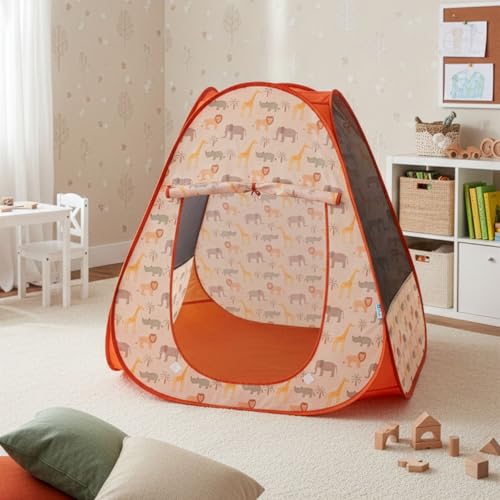
Yes, pop-up play tents collapse within seconds without requiring pole disassembly. Products like the Jungle Friends pop-up fold down flat into an included circular carry bag for compact closet storage. In contrast, pole-supported models take a few extra minutes to slide rods through fabric sleeves but often provide a more rigid, house-style frame.
What is the best way to clean and maintain a children’s play tent in 2026?
Spot cleaning with a damp cloth, warm water, and mild soap is the recommended maintenance method. Polyester fabrics naturally resist light stains and wipe clean quickly without needing machine washing. Always allow the fabric to air dry completely before storing the shelter in its carry bag to prevent moisture or mildew buildup. Selecting sturdy, easily maintained designs from our 2026 shelter guide ensures long-lasting enjoyment for your family.




Write Your Review
No reviews yet. Be the first to share your experience!