
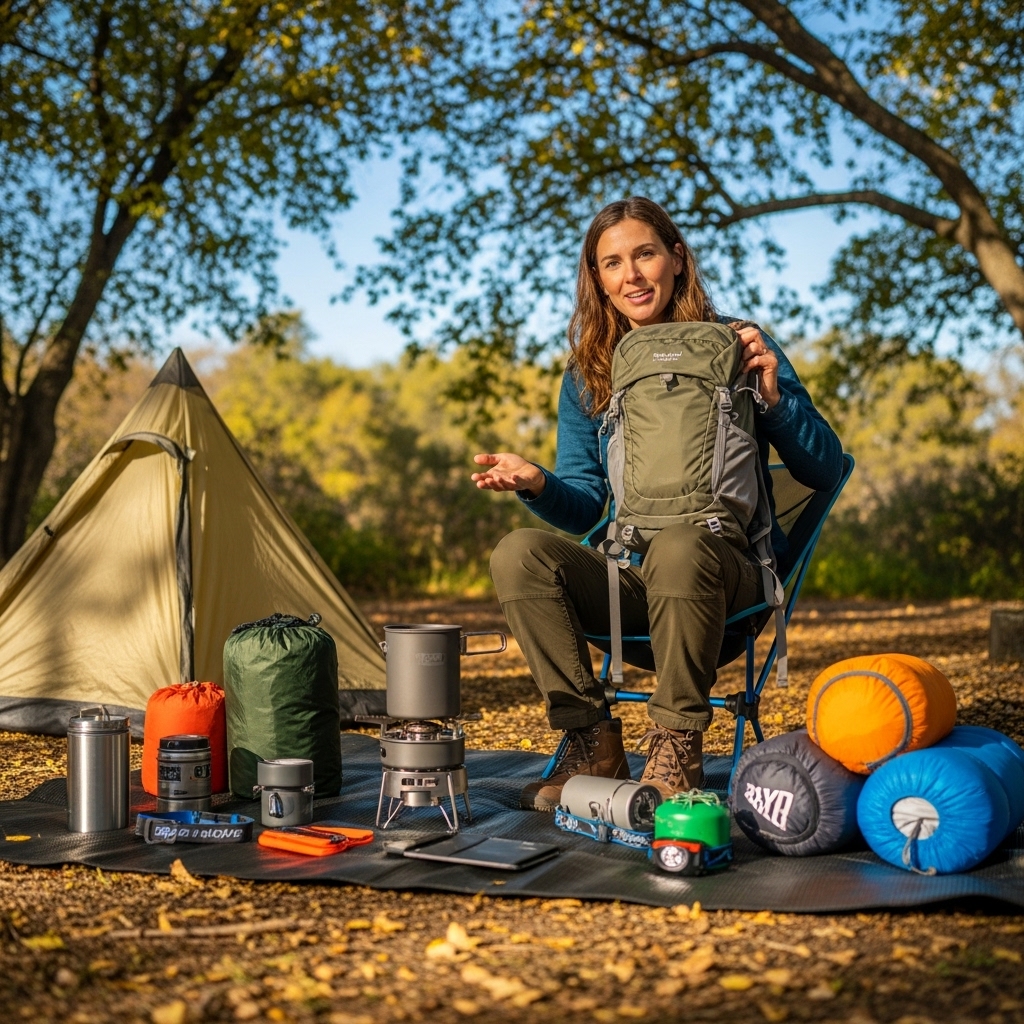

Evaluating Solo Shelter Options on the Trail
Carrying heavy gear across miles of steep terrain quickly drains your energy, making compact shelters a priority for solo hikers. Many traditional shelters provide plenty of interior volume but add unnecessary bulk to your pack, while minimalist bivies often sacrifice headroom and airflow. Selecting a balanced solo shelter requires dependable weather resistance, efficient condensation control, and a quick pitch after a tiring trek. Evaluating the best onewind camping tent lineup helps you see how lightweight materials like silnylon and targeted venting solve these common trail dilemmas. You can compare these ultralight builds against larger shelters like compact camping tent alternatives to decide what level of interior living room doesn’t slow you down.
Solo trekkers often worry about waking up to damp sleeping bags caused by internal condensation in single-wall or hybrid shelters. The onewind One Person Backpacking Tent 2.0 addresses this issue with a dual-door mesh structure, incorporating no-see-um mesh and lower rear vents to maintain steady cross-ventilation. Its A-frame layout delivers 39.4 inches of peak height, giving you enough clearance to sit upright while changing clothes or organizing gear. With a trail-ready packed weight of 35.3 ounces and waterproof silnylon fabric, it offers a functional shelter without overloading your backpack.

Pros
- High waterproof ratings with a 3000mm canopy and 5000mm floor for its ultralight weight class
- Total weight under 2.5 pounds makes it easy to carry inside or outside a backpack
- Generous 39.4-inch peak height allows a solo camper to sit upright without brushing against the fabric
- Comprehensive ventilation design helps manage interior condensation on humid nights
- Added rainfly canopy and end panels provide full-length weather resistance
Cons
- Streamlined bivy layout offers limited floor room for stowing large backpacks alongside a sleeping pad
- Non-freestanding A-frame structure requires secure stake anchoring and tensioning for optimal stability
- Product listing does not explicitly detail pole specifications or whether trekking poles are required for setup
The onewind One Person Backpacking Tent 2.0 is an ultralight shelter tailored specifically for solo backpackers, long-distance hikers, and minimalist campers who need to keep pack weight to an absolute minimum. Built around an A-frame bivy layout, this shelter combines compact proportions with modern technical fabrics. Its design caters to single travelers heading out on multi-day treks where pack volume is strictly limited and smaller campsite footprints are standard.
In terms of interior dimensions, the shelter provides a manufacturer-stated one-person capacity measuring 82.7 inches long, 39.4 inches wide, and 39.4 inches high (210 by 100 by 100 cm). This floor length gives an individual camper ample room to lie flat, while the 39.4-inch peak height allows most adults to sit upright without brushing the side panels. The canopy design provides covered clearance for personal items, though campers carrying bulky winter packs or oversized expedition gear should recognize that interior floor space is optimized strictly for one sleeper.
Material selection focuses on lightweight weather protection. The tent canopy is crafted from 1.1oz silnylon with a stated 3000mm waterproof rating, paired with a durable 40D nylon floor boasting a 5000mm waterproof rating. To prevent water entry during wind-driven storms, onewind updated this version with protective waterproof panels at both the head and foot ends. Condensation control is supported by a comprehensive airflow system, including an insect-resistant no-see-um mesh front door (1600 holes per square inch), a lower rear mesh door, and an upper vent window that promotes continuous air circulation.
Transport is a major strength of this shelter. The full package weighs 2.3 pounds (35.3 ounces or 1 kg) with all accessories included, packing down to a cylindrical size of 13.8 inches long by 5.1 inches in diameter (35 by 13 cm). Setup is designed to be completed in minutes using the provided installation accessories. Because this is an ultralight A-frame tension design, achieving proper structural stability depends on securing your stakes and guylines firmly into the ground, making proper campsite selection critical on rocky or loose soil.
Shoppers should consider the trade-offs inherent to minimalist bivy-style shelters. While the tent delivers solid waterproof ratings on paper, single-wall silnylon tents require proper ventilation management to avoid internal condensation during chilly, damp nights. Additionally, while the listing confirms that complete installation accessories are included, it does not detail specific pole materials or clarify whether standard trekking poles are utilized to support the pitch, which is an important operational detail to confirm prior to hitting the trail.
For solo hikers, bikepackers, and minimalist campers wanting an affordable, lightweight shelter that provides dependable bug netting and technical silnylon fabrics, the onewind 2.0 offers significant utility. If your priority is keeping your pack weight low without resorting to an open tarp, this tent delivers a balanced blend of weather shielding and packability. Campers who prefer freestanding double-wall construction or massive vestibules for indoor gear staging may want to compare this against traditional freestanding solo tents.
The canopy of the onewind 2.0 uses an ultralight 1.1oz silnylon fabric rated to 3000mm hydrostatic head, offering a lightweight barrier against rain. The shelter floor is constructed from a heavier 40D nylon fabric with a 5000mm waterproof rating to prevent ground moisture penetration when resting on wet terrain.
Bug netting is composed of fine no-see-um mesh featuring 1600 holes per square inch, designed to stop tiny midges and gnats while sustaining airflow. Integrated waterproof panels at both the head and foot ends reinforce zones that are traditionally susceptible to moisture transfer in driving winds.
Ultralight solo shelters require steady air movement to prevent condensation buildup, and the onewind 2.0 addresses this with a three-point ventilation layout. The main entrance features a broad no-see-um mesh door to invite breezes while blocking insects.
Airflow is reinforced by a lower rear mesh door and an upper vent window. This low-to-high cross-ventilation path allows interior air to escape naturally, which helps keep the living space fresh during warmer and more humid camping trips.
With a documented weight of approximately 2.3 pounds (35.3 ounces / 1 kg) including accessories, this shelter is designed specifically for backpackers and hikers counting base weight. It fits comfortably within ultralight and lightweight gear setups.
The shelter compresses down to a compact 13.8 inches in length by 5.1 inches in diameter (35 cm by 13 cm). This narrow packed profile makes it easy to slip vertically into a main backpack compartment or attach to exterior compression straps.
Frequently Asked Questions
How much usable sleeping space does the Best Onewind Camping Tent provide?
The onewind One Person Backpacking Tent 2.0 provides a floor area measuring 82.7 inches long by 39.4 inches wide, along with a peak height of 39.4 inches. This footprint gives a solo camper ample room to place a standard sleeping pad and store essential gear bags inside the shelter. The vertical clearance also allows most campers to sit up comfortably without brushing their head against the canopy.
What waterproof rating does the Best Onewind Camping Tent fabric offer?
This tent utilizes a 1.1oz silnylon canopy with a 3000mm waterproof rating and a 40D nylon floor rated at 5000mm. These specifications are engineered to block heavy rainfall and prevent ground moisture from seeping through the base. Upgraded waterproof panels at the head and foot ends provide extra coverage during wind-driven storms.
How does the shelter manage airflow and condensation?
Airflow is managed through a comprehensive ventilation layout featuring a 1600-holes-per-square-inch no-see-um mesh front door, a lower rear mesh door, and a dedicated vent window. This cross-ventilation setup encourages constant air movement to reduce internal humidity and condensation buildup. Campers exploring unique rigging options might also look into suspended tree tent designs for elevated airflow, but this ground bivy provides dependable ground-level breezeway circulation.
What is the total packed weight and packed size of this solo tent?
The total packed weight is 35.3 ounces (1 kilogram), which includes all supplied setup accessories. When packed down into its carry sack, the shelter measures 13.8 inches long by 5.1 inches in diameter. This compact profile fits neatly inside or strapped to the bottom of most standard multi-day backpacking packs.
Can the Best Onewind Camping Tent be used as a 4-season shelter in 2026?
No, this model is built primarily for 3-season backpacking where lightweight breathability and rain resistance take priority. While the silnylon canopy handles rain and moderate winds, the extensive mesh body isn’t designed to retain heat in freezing winter weather or support heavy snow loads. Solo campers heading out in deep winter should select dedicated four-season mountaineering shelters instead.


Write Your Review
No reviews yet. Be the first to share your experience!