

Reliable Frame Stability for Campsite Shelter
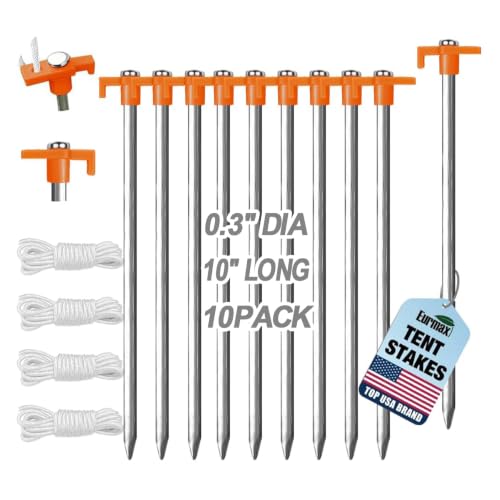
High winds at an open campsite can quickly turn a flimsy frame into a collapsing headache. Strong joint hubs, rigid steel leg poles, and secure interlocking mechanisms make all the difference when gusts pick up overnight. Searching for a best selling stable connection outdoor tent means prioritizing reliable structural joints and durable pole materials that stay planted on uneven ground. Whether you plan a family weekend trip or a quick solo overnight, a shelter with a reinforced frame prevents sagging walls and keeps the interior livable. Pairing your setup with sturdy ground stakes provides extra tension when bad weather rolls through.
Modern camping shelters balance structural strength with convenient assembly methods. Pre-attached instant frames allow solo campers to pitch their gear in minutes, while multi-room tunnel and cabin designs offer generous standing heights for larger groups. You also want to look closely at waterproof ratings, seam sealing, and cross-ventilation windows to prevent condensation from building up inside. From compact two-person dome designs to sprawling ten-person family tents, these shelters provide dependable connections that keep your campsite comfortable and secure.

Pros
- Generous 80-inch interior height allows tall campers to walk upright comfortably.
- Dedicated 6-foot screened porch keeps camping gear organized and insects away from the living area.
- Eight steel leg poles add substantial structural rigidity for drive-in campground setups.
- Color-coded poles streamline assembly for two adults down to roughly 15 minutes.
Cons
- Packed weight of 30 to 32 pounds limits transport strictly to car camping and vehicle-accessible sites.
- The expansive 20x9-foot total footprint requires reserving larger, level tent pads at established campgrounds.
- The 1500mm hydrostatic coating handles typical seasonal rain well but is not intended for extreme mountain downpours.
The UNP 8-Person Tunnel Tent is an extended-footprint family camping shelter designed specifically for drive-in campgrounds, weekend retreats, and extended outdoor vacations. Built with a distinctive tunnel profile, this tent combines a private 14-foot primary sleeping cabin with an attached 6-foot screened front porch. For family campers, car camping groups, and festival attendees who want shelter space that feels less like a crawl-in dome and more like a functional outdoor cabin, this layout provides a practical division between sleeping quarters and daytime lounging space.
Living space and interior headroom represent the standout strengths of this shelter. Measuring 20 feet in total length by 9 feet in width, the floor plan provides ample room to arrange up to two full-sized air mattresses with extra space along the edges for duffel bags and tote boxes, or up to eight sleeping pads laid side by side. The 80-inch peak height is a major convenience for taller campers, eliminating the neck strain of hunching over when changing clothes or checking on kids. Out front, the 6-foot screened porch acts as an insect-free transition zone where you can sit on camp chairs, pull off muddy hiking boots, or sip morning coffee away from mosquitoes.
Weather protection relies on a polyurethane-coated fabric with a 1500mm hydrostatic head rating, which is engineered to shed routine summer rain and passing storm fronts. Stability comes from a hybrid frame structure incorporating eight steel leg poles. These rigid uprights resist crosswinds far better than thin fiberglass-only alternatives, maintaining the structural tunnel form even when winds pick up across open campsites. Condensation management is handled through four oversized mesh wall windows, two large access doors, and a broad mesh roof ceiling that encourages natural cross-ventilation while the rainfly is deployed.
Transportation and site assembly are tailored to vehicle-based outings. The packed tent measures 11.5 by 11.5 by 25.5 inches in its included zippered carry bag and weighs roughly 30 to 32 pounds. While completely out of the question for backpacking or remote trail camping, it drops cleanly into a standard vehicle trunk alongside coolers and camp stoves. Pitching the tent is straightforward thanks to color-coded pole channels and step-by-step documentation, allowing two campers to raise the entire frame and secure the guylines in about 15 minutes once the layout is understood.
Campers should keep a few realistic limitations in mind before heading out. Because the shelter stretches 20 feet from front to back, pitching it requires scouting a spacious, flat campsite pad without protruding roots or rocks. Additionally, while the 1500mm waterproof rating and sturdy steel frame offer dependable performance across spring, summer, and early autumn, it is not built for winter snow loads or torrential multi-day deluges without supplemental tarping. For family car campers and weekend warriors who want an accessible, standing-height basecamp with built-in bug protection, the UNP 8-Person Tunnel Tent delivers outstanding interior room and practical outdoor value.
The UNP 8-Person Tent maximizes livable space through its 20x9-foot footprint and generous 80-inch center height. The floor plan is divided into a 14x9-foot sleeping area and a 6x9-foot screened porch, giving families distinct zones for resting and relaxing. Adult campers can walk throughout the interior without ducking, making daily camp tasks like making cots and changing gear remarkably comfortable.
Sleeping arrangements are versatile enough to handle varied group dynamics. Two full-size queen camping mattresses fit neatly inside the main room with center aisle clearance, while youth groups can line up up to eight standard sleeping pads. The separate screen room keeps dirty gear, packs, and shoes out of the sleeping quarters, preserving a cleaner, more relaxing sleeping environment during multi-day trips.
Rain protection is anchored by a 1500mm polyurethane waterproof coating that repels seasonal rain showers. Combined with a properly guyed rainfly and factory seam sealing, the tent keeps internal living areas dry under regular three-season camping conditions. The eight steel upright leg poles provide firm anchoring against campsite gusts, offering superior resistance against bending compared to all-fiberglass pole frames.
Ventilation is a critical design focus for large-capacity family tents. The UNP design incorporates four large mesh windows, two wide doors, and open mesh ceiling panels. This arrangement promotes continuous chimney-effect airflow, exhausting warm, humid exhaled air through the roof while drawing cooler air in from the side panels to significantly reduce morning condensation on interior walls.

Pros
- Generous 86-inch peak height provides exceptional standing room for adults across the interior.
- Dual D-shaped doors and an internal room divider allow two camping groups to enter and exit privately.
- Spacious 14 by 10 foot floor plan easily fits family luggage alongside multi-person sleeping setups.
- Practical built-in storage pockets and an electrical access port keep interior gear organized.
Cons
- Packed weight of 31.3 pounds limits transport strictly to car camping and vehicle-supported sites.
- The 800mm rainfly rating is designed for fair weather and light showers rather than severe storm conditions.
- Broad, vertical cabin walls catch wind gusts easily, requiring diligent staking in open campsites.
The Wakeman Outdoors 10-Person Camping Tent is a large-format cabin shelter designed specifically for family campers, group car campers, and festival goers who prioritize interior livability over lightweight backpacking portability. With an expansive floor layout measuring 168 inches long by 120 inches wide (14 feet by 10 feet), this tent provides enough flat floor area to fit up to four queen-size air mattresses or ten sleeping bags arranged side by side. The standout architectural feature is the cabin silhouette, which reaches an impressive 86 inches tall at its center point. This substantial height allows adults to stand fully upright, change clothing with ease, and move about the shelter without awkward crouching.
Wakeman constructs the outer tent body and removable rainfly using 800mm polyurethane-coated polyester taffeta, reinforced beneath by a rugged 235-gram polyethylene (PE) sheet floor. For structural rigidity, the framing system blends vertical steel poles that support the straight cabin walls with flexible fiberglass poles forming the upper roof dome. While the 800mm water-resistant coating and rainfly offer reliable protection during mild summer showers and passing drizzles, campers should be aware that this lower waterproof rating is engineered primarily for fair-weather seasonal outings rather than driving multi-day torrential rain or severe alpine downpours.
Proper airflow is critical in large multi-person shelters, and this model handles condensation control through four screened windows and dual D-style entry doors backed by 68D poly mesh. The broad mesh ceiling lets rising heat escape during warm summer days, while the screened doors and windows allow steady cross-breezes when the rainfly is attached. When multiple campers share the space, an integrated zippered fabric room divider can be deployed down the middle. This creates two distinct private chambers, each benefiting from its own separate exterior door so campers can step outside for late-night camp errands without disturbing sleeping companions on the other side.
Campground practicality is rounded out with thoughtful organization and utility details. The tent body features two interior mesh pockets for keeping flashlights, glasses, and phones off the floor, alongside an integrated zippered E-port that lets you run an extension cord safely inside from a campsite electrical box or portable battery station. Packing the shelter away requires attention to weight, as the steel and fiberglass poles bring the total package to 31.3 pounds. Packed dimensions measure 25 by 12 by 12 inches inside the included zippered carry bag, making it a natural fit for vehicle trunks and SUV cargo beds, though strictly out of bounds for foot travel.
Setup typically requires two people due to the sheer size of the cabin frame and the 7-foot-tall roofline, but the included pole sections and clear assembly guidelines make the process straightforward at the campsite. The vertical wall profile that creates so much internal room also presents a large surface area in windy conditions, so campers should always stake all corner points and anchor the guylines securely. For budget-conscious families and casual weekend warriors looking for an airy, multi-room summer camping base with standing headroom, this Wakeman cabin tent delivers substantial practical comfort.
Interior livability is where the Wakeman 10-Person Tent excels compared to standard dome models. Spanning 168 inches in length and 120 inches in width, the tent provides 140 square feet of usable floor area. While ten adult sleeping pads can fit shoulder to shoulder in an emergency group layout, a family of four to six will find an ideal balance of sleeping space and open walking aisles, even when using two to three standard air beds.
The cabin design ensures that the high ceiling does not taper aggressively, maintaining comfortable headroom across a wide swath of the interior. The zippered center divider allows parents and kids, or two couples, to establish separate private rooms. In addition, having dual D-style doors eliminates the annoyance of climbing over sleeping gear to exit the tent at night.
Weighing 31.3 pounds, this tent is designed strictly for drive-up campsites, state park campgrounds, and backyard getaways. The package stores inside a heavy-duty carry bag measuring 25 inches long by 12 inches wide and 12 inches high, which packs easily alongside coolers and camp bins in standard car trunks or truck beds.
Assembly relies on a hybrid framework of rigid steel upright poles that anchor the corners and flexible fiberglass poles that crisscross the ceiling. Two adults can comfortably assemble the structure in 15 to 20 minutes by laying out the 235GR PE floor, assembling the pole framework, and securing the removable rainfly over the tall 86-inch peak. Setting all guyline points is strongly recommended to stabilize the broad cabin profile against light campground winds.

Pros
- Lightweight packed weight under 5 pounds makes it easy to transport and pack.
- Compact 18-inch packed length easily fits inside small vehicle trunks or duffel bags.
- Sewn-in pitching instructions prevent lost paper manuals at the campsite.
- Skylight netting and large mesh window promote cross-ventilation to help manage condensation.
- Internal storage pocket keeps small essentials like phones and headlamps readily accessible.
Cons
- The listing does not specify pole material or a hydrostatic head waterproof rating.
- Filling the tent with a full air mattress leaves virtually no interior room for gear storage.
- Lacks a documented vestibule for protected gear storage outside the main sleeping area.
The UNP 2-Person Dome Tent is an entry-level, lightweight shelter designed for casual overnight camping, car camping, and recreational outdoor activities. According to the manufacturer, its multi-use design spans casual hiking, fishing, backyard camping, and light beach shelter use. With a straightforward dome structure and a very manageable listed carry weight of roughly 4.85 pounds, it primarily appeals to solo campers looking for extra elbow room, budget-conscious couples traveling light, or families seeking a secondary tent for older kids.
In terms of interior space, the tent features a 7-foot by 5-foot rectangular base with a peak ceiling height of 45 inches. While the manufacturer rates the shelter for two adults and notes it can accommodate a standard full-size air mattress, campers should evaluate their personal gear needs carefully. Placing a full mattress inside the 60-inch-wide footprint will occupy virtually the entire floor, leaving little to no open space for backpacks or duffels. Solo campers will find ample room to spread out alongside their equipment, but two adult occupants will likely need to store bulky packs in their vehicle or outside.
Setup is built around a classic dome configuration that the manufacturer states can be assembled in around three minutes by a single camper. Pitching steps and procedures are sewn directly into the storage bag, eliminating the frustration of misplaced paper manuals in the field. The tent body includes dual zippers on the entry door and incorporates an overhead skylight net paired with a larger mesh window to facilitate passive airflow. Inside, a wall-mounted storage pocket helps keep small items like flashlights, keys, and phones elevated and easy to locate.
Transporting the tent is straightforward thanks to its compact packed size of 18 by 4.2 by 4.2 inches and sub-5-pound weight. For weather management, the body is constructed from tear-resistant polyester fabric and includes a removable rainfly designed to direct precipitation away from the mesh roof. The product listing also confirms that securing ropes and ground stakes are included to help stabilize the frame. However, the manufacturer does not list a specific hydrostatic head millimeter rating or seam-tape verification, meaning performance in heavy downpours or high sustained winds remains undocumented.
Shoppers should note several key technical omissions in the provided specifications. The exact composition of the frame poles is not disclosed, so buyers cannot verify whether they are fiberglass or aluminum without contacting the manufacturer. Additionally, the tent does not feature an extended vestibule, meaning shoes and muddy gear cannot be sheltered outside the sleeping quarters. For those planning trips in unpredictable mountain environments or extended rain, checking campsite drainage and bringing along an extra tarp or groundsheet is a sensible precaution.
Overall, the UNP 2-Person Dome Tent serves as a functional, cost-effective shelter best matched for fair-weather car camping, weekend getaways, and light recreational outings. Solo campers prioritizing easy handling will appreciate the lightweight carry and simple one-person setup. When comparing options in this category, buyers expecting foul weather or needing dedicated vestibule gear storage may want to look at technical backpacking tents with verified waterproof ratings, while casual campers will find this a straightforward option for warm-season trips.
The UNP 2-Person Dome Tent features a single-room layout measuring 7 feet long by 5 feet wide, capped by a 45-inch center ceiling. The dome profile enables sitting upright in the center, though the sloping walls reduce headroom near the edges. A built-in interior pocket provides organized storage for smaller items, while two zipper pulls manage the entrance door.
Pitching is designed to be completed by one person, with assembly procedures conveniently printed and sewn directly into the storage carry bag. The package includes ground stakes and guyline ropes to anchor the corners and rainfly against outdoor breezes, making the initial setup intuitive even for novice campers.
Constructed from tear-resistant polyester, the tent body is paired with a removable rainfly designed to shield the upper mesh roof during precipitation. Ventilation is maintained through a combination of an overhead skylight mesh section and a larger mesh window, allowing natural light and airflow during milder conditions.
While the manufacturer highlights windproof and rainproof polyester materials, formal waterproof ratings such as hydrostatic head measurements or seam-sealing treatments are not specified. Campers expecting inclement weather should consider site selection carefully and ensure all included stakes and guylines are firmly anchored before settling in.

Pros
- Instant frame system eliminates pole threading and speeds up pitching
- Documented 4000mm water-resistant rating and taped seams provide solid wet-weather specifications
- Darkened interior fabric reduces early morning daylight for more restful sleep
- Multiple mesh window panels provide bug protection and customizable airflow
- Includes useful interior convenience features like a cord port, gear bags, and lantern loop
Cons
- The 36-inch packed length and steel frame make this suitable for vehicle camping rather than backpacking
- Peak height of 59 inches requires adult campers to duck or sit rather than stand upright
- Product specifications do not provide the total packed weight or fabric denier
The EVER ADVANCED 4-Person Blackout Camping Tent is an instant-pitch cabin shelter designed primarily for car camping, weekend getaways, and festival trips. Built around a pre-attached alloy steel frame, it targets campers who prefer to avoid complicated pole assemblies and spend less time working on their shelter upon arrival at the campground. With its light-blocking fabric and compact cabin footprint, it serves couples, small families, or solo campers who prioritize convenient setup and dark sleeping quarters.
In terms of interior dimensions, the tent offers an 8-foot by 7-foot floor (96 by 84 inches) and a peak height of 59 inches. While the manufacturer lists a capacity of four people, practical usable space will depend heavily on your sleeping arrangements and gear requirements. Fitting four adult sleeping pads across the floor will use virtually all available space, leaving little room for bags or walking paths. For a more comfortable experience, this footprint works best for two or three campers using standard pads, or a couple using a queen-sized air mattress with room remaining along the walls for duffels and camping supplies.
The frame utilizes a pre-assembled instant mechanism intended to pitch or collapse in approximately 60 seconds. The telescoping alloy steel poles extend and lock into place, holding the cabin structure upright without the need for manual pole threading. To facilitate airflow, the shelter is equipped with three large zippered mesh windows alongside an overhead mesh ceiling window. Inside the living area, campers have access to interior storage pockets for small electronics, an overhead hook suited for a hanging lantern or battery fan, and a zippered E-port near the floor to route electrical power into the tent.
For wet weather preparation, the tent features a rainfly and fabric treated with a listed 4000mm water-resistant coating, alongside factory-taped seams. The alloy steel frame adds structural rigidity against moderate wind when the tent is properly staked down and tensioned with guylines. While a 4000mm rating indicates capable moisture protection against heavy rain on paper, real-world shelter performance always relies on careful site selection, proper staking, and managing interior condensation by keeping vents and windows cracked during damp conditions.
Transport and packing requirements reflect the tent's instant-frame design. The tent folds down into a dedicated carry bag measuring 7.48 by 7.48 by 36.22 inches. Because the rigid frame segments cannot be disassembled into ultra-short pieces, the 36-inch packed length is best suited for transport in a car trunk, SUV cargo area, or truck bed. Campers should also note that the manufacturer documentation does not specify the total packed weight or fabric denier. As with all coated camping tents, the fabric and rainfly should be completely air-dried before long-term storage to prevent mildew formation and seam tape degradation.
Overall, this EVER ADVANCED model is a practical option for vehicle campers, couples, and parents with young children who want rapid setup combined with light-filtering interior fabric. Shoppers looking to hike into remote campsites should look toward dedicated lightweight backpacking shelters, while those wanting full standing headroom may prefer a larger six-person cabin tent. For straightforward campground use where quick pitch-time and blackout sleeping comfort are high priorities, this tent presents a well-rounded set of car-camping features.
The pre-attached instant frame allows campers to deploy the shelter in about 60 seconds by extending the telescoping legs until they click into position. This eliminates the need to thread poles through fabric sleeves, making pitching manageable even for solo campers or late-night campsite arrivals.
Inside, the 8-foot by 7-foot floor plan provides 56 square feet of floor space. Campers can arrange sleeping bags across the floor or place a queen-sized air mattress with room left over along the perimeter for duffels and gear bins. The 59-inch center peak height provides sufficient clearance for kneeling, sitting on cots, and moving around comfortably.
Internal organization is supported by built-in wall pockets for personal items like phones, eyeglasses, and headlamps. An overhead ceiling hook accommodates a battery-powered lantern or small hanging fan, while a dedicated zippered E-port at ground level allows campers to run electrical power from a campground hookup or portable power station directly inside.
The tent is equipped with a specialized blackout fabric designed to block external light and help regulate internal temperatures under direct sunlight. This light-blocking design helps late sleepers and young children rest during daylight hours, while also offering enhanced interior privacy.
Rain protection is supported by a 4000mm water-resistant coating on the fabric and fully taped seams across the tent body and rainfly. The included rainfly shields the overhead mesh roof during rain showers, while the alloy steel frame adds rigid support against changing wind conditions when anchored properly.
To promote continuous airflow, the tent includes three large zippered mesh windows and an overhead net window. Campers can unzip the window covers to encourage a cross-breeze or close them partially during cooler evenings, balancing airflow and warmth as campsite conditions change.

Pros
- Fast one-person pitch with a pull-up and lock mechanism that bypasses traditional pole threading
- Documented 3000mm waterproof rating and taped seams help protect against rain entry
- Double-layer configuration provides a barrier between the outer fabric and interior space
- Carry bag features an extra-wide opening and buckle compression straps to ease packing up
Cons
- A weight of approximately 10.25 pounds makes it too heavy for typical self-supported backpacking
- Low peak height of roughly 43.3 inches restricts movement to sitting or crouching
- Specific pole material, fabric denier, and ventilation window details are not documented in the listing
The Reactive Outdoor 3-Second Tent is an instant-pitch camping shelter designed for people who prefer a quick, painless camp setup. Built for two to three occupants, this model replaces traditional multi-piece pole systems with an integrated hub mechanism. It suits weekend car campers, festival attendees, and first-time tent buyers who want to establish a functional campsite without wrestling with pole sleeves or needing a second person to assist.
In terms of practical space, the manufacturer lists this large model for two to three people, with floor dimensions measuring approximately 78.7 inches long by 82.68 inches wide. While two adults can generally sleep comfortably alongside minimal essentials, accommodating three adults will leave little to no floor space for packs or bulkier gear. The peak interior height sits at roughly 43.3 inches (about 3.6 feet), meaning occupants will need to sit or crouch rather than stand upright inside the tent.
The central feature of this tent is its setup method. The structure uses a pull-up self-locking mechanism that snaps into place, allowing a single person to erect the shelter in seconds. For weather protection, the listing states a double-layer design with fully taped seams and a 3000mm hydrostatic head waterproof rating. While that rating indicates solid resistance against rain, real-world performance will always depend on proper campsite selection, taut pitching, and adequate staking.
Packing down instant shelters can sometimes prove challenging, but this model includes a carry bag with an extra-wide opening and buckle compression straps, reducing the struggle often associated with undersized storage bags. At a listed weight of approximately 10.25 pounds, the tent is well matched for vehicle trunks and campsite walk-ins, though it is too heavy for long-distance backpacking. For routine care, the tent should be thoroughly air-dried before storage to keep the sealed seams and fabric in good condition.
Shoppers should weigh several documented limitations and unknown details before purchasing. The product listing does not state the fabric type, fabric denier, or pole composition, nor does it specify the number or placement of doors, windows, and mesh vents. Furthermore, the listing does not verify whether stakes or guy lines come included in the box, meaning campers may need to source their own anchoring accessories to keep the shelter stable in breezy weather.
For drive-up campsites, casual outdoor getaways, and backyard sleepouts where fast pitching is the primary priority, the Reactive Outdoor 3-Second Tent offers clear convenience backed by a documented 3000mm water rating. Buyers seeking standing clearance, ultralight trail portability, or verified four-season durability should look to dedicated cabin or technical backpacking alternatives instead.
The Reactive Outdoor tent is engineered around an integrated self-locking frame that deploys without threading separate poles through sleeves. To pitch the shelter, a single camper pulls the mechanism upward until the joints lock into their rigid structure, setting the tent up in seconds.
Takedown involves releasing the central hub mechanism and folding the fabric and frame inward toward the center. The included storage bag is designed with an extra-wide opening and sturdy buckle cinch straps, making it significantly easier to pack away compared to tight, zippered carry bags.
The tent features a manufacturer-stated waterproof hydrostatic head rating of 3000mm, which indicates protection against heavy rainfall when pitched correctly. The seams are fully taped to help prevent water from seeping through needle holes along the stitch lines.
The double-layer design provides a protective barrier against external moisture. However, because specific wind ratings, guy-out points, and ventilation vent details are not provided by the manufacturer, campers should choose sheltered pitch locations and bring suitable stakes to ensure stability during inclement weather.
The tent floor measures roughly 78.7 inches by 82.7 inches, providing a rectangular footprint suitable for two sleeping pads with room for personal items, or three standard pads placed tightly together. The listed 2-3 person capacity does not leave substantial extra room for luggage when three people occupy the floor.
With a peak height of 43.3 inches, the shelter is built for sitting, sleeping, and changing while seated. Campers planning extended multi-day stays who prefer standing headroom may find cabin-style tents better suited to their space requirements.
Frequently Asked Questions
What makes a tent frame connection stable in windy conditions?
Steel leg poles and interlocking self-locking hubs provide dependable structural stability. When poles connect firmly without excessive play, the frame resists lateral bending during heavy gusts. Guyline anchor points attached directly to pole joints also distribute wind force across the entire structure. Inspecting joint sleeves and pole materials before pitching ensures the shelter holds its shape throughout your trip.
How do instant pop-up mechanisms compare to traditional pole assembly?
Pre-attached instant frames cut pitch times down to a minute or less by using integrated locking joints. Traditional pole designs take longer to thread through fabric sleeves but often pack down into smaller carrying bags. Instant setups suit solo campers and weekend trips where quick assembly matters most. If trunk space is limited, traditional collapsible poles remain easier to pack.
Does a high waterproof hydrostatic rating affect interior condensation?
A higher waterproof rating keeps external rain out but can trap interior humidity if the tent lacks proper airflow. Heavy fabric coatings between 1500mm and 4000mm resist rain penetration, yet breathing occupants naturally generate moisture overnight. To stay dry, select models with large mesh windows, ground vents, and breathable ceiling panels. Campers who need extra airflow in muggy weather often pack rechargeable camping fans to circulate fresh air.
How much floor space do you realistically need per camper?
Stated manufacturer capacities assume sleeping pads placed directly side by side without personal gear. For comfortable living space, subtracting two people from a large tent rating provides room for cots or air mattresses. An eight-person or ten-person cabin tent easily accommodates queen air beds while leaving central pathways open. Solo campers or couples generally find two-person or three-person dome shelters ideal for lightweight travel.
Can you leave a camping tent set up in heavy rain for multiple days?
Yes, provided the tent features factory-taped seams, a fitted rainfly, and securely tensioned guylines. Water pooling against flat roof sections or slack rainfly fabric can eventually stress seams and cause minor weeping. Always stake down every guyline securely to keep the rainfly taut and positioned away from the inner tent body. For extended trips on damp terrain, adding a compatible ground tarp underneath protects the floor fabric from ground moisture.
How does pole material impact overall tent weight and stability?
Alloy steel poles deliver superior rigid strength for large cabin tents but add significant carrying weight. Fiberglass and lightweight alloy poles flex naturally under moderate wind pressure and keep packed weights low for easy transport. Car campers often favor heavier steel frames because stability and peak ceiling height take priority over portability. Backpackers and lightweight hikers generally opt for lighter composite frames that do not weigh down their gear.




Write Your Review
No reviews yet. Be the first to share your experience!