
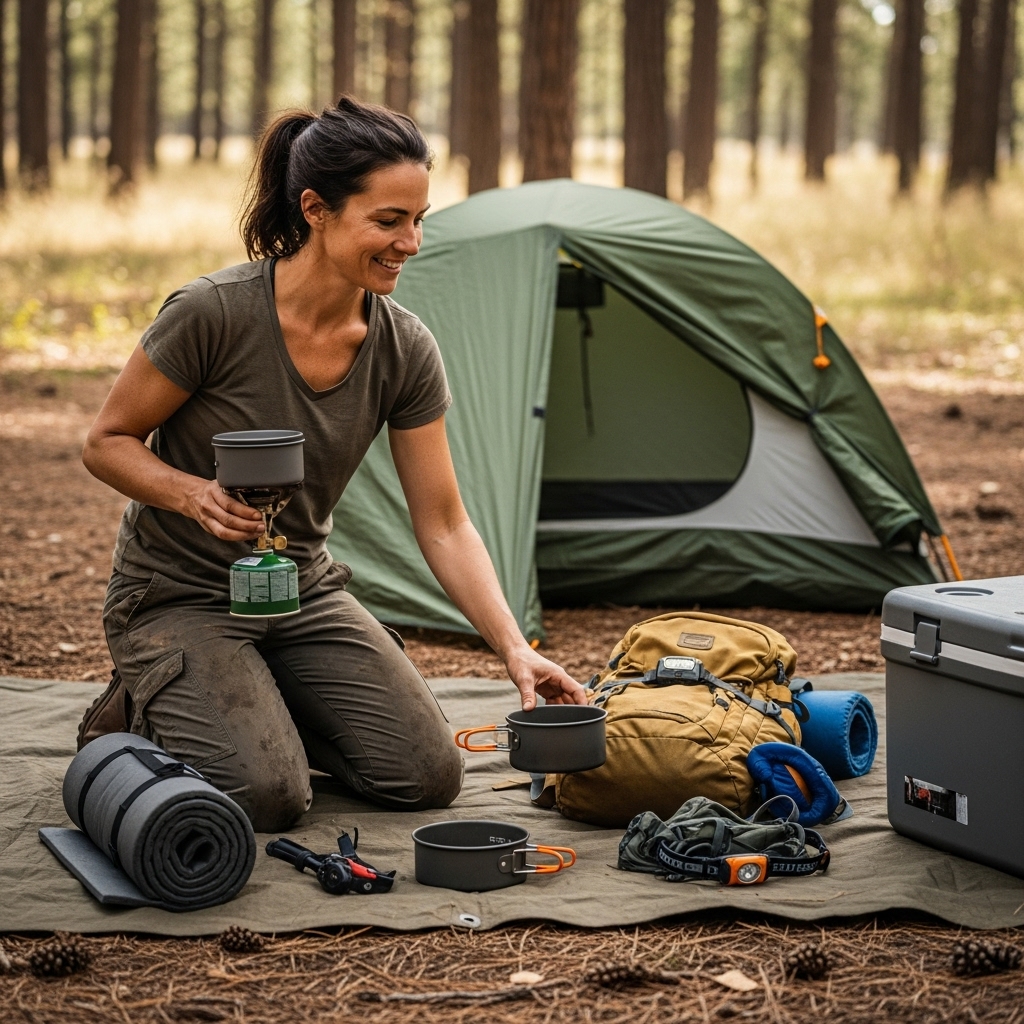

Setting up a campsite requires securing your shelter against wind and sudden weather changes, which naturally brings up a fundamental pitching question. Many campers wonder, can you hit a tent stake into the soil with a mallet or nearby rock without damaging their equipment? While driving pegs into the ground is standard practice, doing it aggressively or using the wrong tools can snap plastic, bend lightweight aluminum, or destroy guyline loops. Pitching properly ensures that weather-resistant camping tent models stay firmly anchored even when sudden gusts test the integrity of your perimeter guylines.
Understanding soil composition and stake design prevents frustrating bent metal and wasted camp setup time. Softer forest turf often lets you press stakes down with your boot heel or a padded palm pusher, while hard-packed dirt or gravel demands controlled strikes with a proper camp mallet. Using blunt force with heavy stones often warps structural flanges and reduces holding power in the dirt. Knowing how to angle the peg, select the right striking surface, and stop before striking subterranean rock will keep your tent secure and your gear intact.
Driving Tent Stakes Safely: Techniques, Tools, and Ground Conditions
Securing a tent requires understanding the balance between driving force and mechanical resistance. While driving stakes into the dirt is a normal part of pitching camp, applying excessive force without assessing ground density often ruins gear. The key to securing your shelter lies in matching your staking technique to the specific ground beneath your tent.
Direct Answer on Driving Tent Stakes into Dirt
You can hit a tent stake into the soil, but the method you use depends heavily on the stake material and soil density. Tapping a sturdy steel or forged iron stake into firm ground with a rubber mallet works well, but smashing an ultralight aluminum peg with a granite boulder can destroy it instantly. Campers should view staking as a controlled placement rather than a test of blunt force. A steady, measured approach keeps the stake straight and preserves its anchoring integrity.
Most camping shelters rely on ground pegs to pull the floor flat and provide rigid tension for vestibules and rainflies. When ground conditions are soft or loamy, striking is rarely necessary because hand pressure or gentle foot pressure gets the job done. Forcing a stake down with high-impact blows in hard ground often indicates that you have encountered an obstacle like a tree root or buried bedrock. Knowing when to hit, push, or reposition the stake is the secret to a fast, damage-free pitch.
How Ground Density and Soil Types Dictate Staking Technique
Campsite soils vary dramatically depending on the region, elevation, and surrounding forest environment. Loamy topsoil and forest floor litter offer very low resistance, allowing pegs to slide down with minimal effort. In these soft conditions, hitting a stake with a hammer can actually loosen the surrounding dirt and reduce friction. Firmly pressing the peg by hand or boot packs the soil around the shaft, giving the guyline a firmer hold.
Hard-packed dirt, dried clay, and gravel pads present the opposite challenge for campers. These dense substrates create tremendous friction along the surface of the peg, requiring deliberate mechanical assistance to penetrate. Using a rubber mallet with controlled taps allows the tip to cut through compact dirt without mushrooming the top of the stake. If you try to force a peg into sunbaked clay using heavy downward strikes, the shaft will often buckle along its weakest structural point.
Rocky soil and glacial till contain hidden stones that can halt a stake after penetrating just two or three inches. Striking harder in this situation will almost certainly bend the peg or shear off guyline notches. When you feel metal strike solid rock beneath the surface, backing the stake out and shifting the angle slightly is far smarter than continuing to swing. Adapting your technique to the ground beneath your feet prevents bent gear before the trip even begins.
Structural Behavior of Aluminum, Steel, Titanium, and Plastic Stakes
Tent stakes come in several distinct materials, and each material reacts differently to impact. Traditional steel pegs, often found with family cabin tents, offer superior sheer strength and can tolerate repeated blows from metal hammers. Steel is heavy, making it less popular for lightweight trips, but it resists deformation in hard dirt. However, even steel pegs can bend if driven directly against immovable granite.
Aluminum is the most common material used in modern backpacking and lightweight camping shelters. Alloys like 7075 aluminum provide exceptional strength-to-weight ratios, but they are brittle when subjected to off-center shear forces. Hitting an aluminum Y-beam stake with a sharp stone can dent the fin, twist the head, or dull the penetrating tip. Using a dedicated protective cap or a soft mallet disperses the striking force evenly across the aluminum head.
Titanium and plastic represent opposite ends of the specialty stake spectrum. Titanium wire pegs are resilient and spring back under slight deflection, but hard hammer blows can deform their slender shafts in rocky ground. Heavy-duty ABS plastic pegs, often used for sand or loose snow, should never be struck with steel hammers because plastic can fracture or shatter under sudden shock. For plastic stakes, steady downward foot pressure or light taps with a wide rubber mallet are the safest options.
Striking Tools Versus Pushing Caps: Protecting Gear from Impact
Many campers reach for whatever heavy object is nearby, but using a jagged river rock is the fastest way to ruin a set of pegs. Rocks concentrate energy onto tiny points, chipping protective anodization and gouging notch points where guylines attach. A dedicated camping mallet with a rubber or polyurethane face provides a broad surface that cushions the impact. This protective contact prevents mushrooming at the top of the peg and keeps cord loops from fraying.
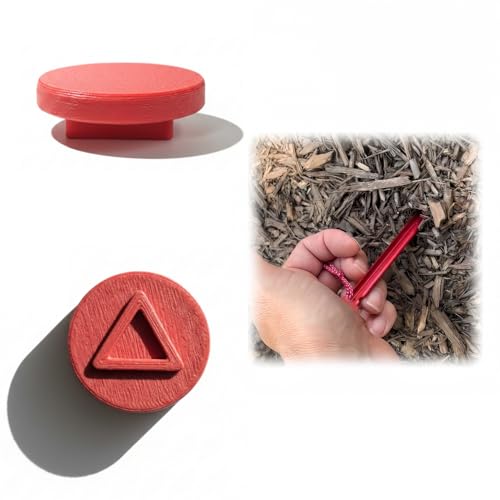
Campers who prioritize minimal pack weight often avoid carrying dedicated mallets. In those situations, palm pushers and stake caps offer a lightweight compromise. A small plastic pusher cap sits directly over the head of the peg, creating a wide, ergonomic platform that protects your palm or sole from sharp metal edges. This tool lets you apply full body weight to press the stake into dirt without bruising your hand or bending the peg under rock strikes.
If you must use natural campsite materials to tap a stubborn stake, choose a thick piece of seasoned firewood rather than a sharp rock. Wood provides natural shock absorption that spreads the blow across the stake head. Keep your swings light and rhythmic rather than heavy and forceful. Listening to the pitch of the impact will tell you whether the peg is moving smoothly through soil or grinding against stone.
Optimal Angle and Depth for Driving Pegs into Soil
Driving a stake straight down at a ninety-degree angle is a frequent pitching error that severely weakens anchoring strength. A stake should be driven into the ground at an angle of roughly forty-five to sixty degrees, slanting away from the tent body. This orientation creates an opposing angle to the pull of the guyline, using the surrounding soil as a physical wedge. Staking perpendicular to the ground allows tension to lever the peg loose during moderate wind gusts.
Depth is just as critical as the entry angle when establishing a solid hold. A tent stake should be driven into the dirt until only the top hook, eyelet, or notch remains exposed above the surface. Leaving several inches of shaft sticking out multiplies the leverage exerted by the guyline, making it easy for wind to bend the peg or pull it free. Burying the peg deep maximizes contact with dense subsoil where friction is highest.
Securing easy setup camping tents requires consistent staking at every structural corner to ensure the rainfly maintains proper tension. When you drive the peg down to ground level, the guyline loop stays close to the dirt, which minimizes rotational torque. If rocky ground prevents full penetration, wrapping the guyline around the base of the stake at ground level helps reduce bending force.
Overcoming Subsurface Obstacles Like Rocks and Thick Roots
Hidden roots and buried rocks are inevitable challenges at natural campsites. When a stake suddenly stops progressing under normal taps, stop hitting it immediately. Forcing a stake through an obstruction rarely works and almost always results in a bent shaft or a blunted point. The sound of a hollow metallic ring or a solid dull thud is a clear signal that the tip has contacted an impenetrable barrier.
When you hit an obstacle, pull the stake straight out along its entry axis and evaluate the surrounding area. Shifting the peg two or three inches to the left, right, forward, or backward will often bypass the root or stone entirely. Because guylines can be adjusted in length, you do not need to hit the exact same patch of ground. Modifying the anchor position takes only a few seconds and saves your gear from permanent damage.
In situations where an entire campsite sits atop shallow bedrock, conventional staking techniques may not work at all. When soil is only an inch deep, you can secure your shelter using the big rock, little rock method. Tie the guyline around the middle of a stake, place a small rock over it, and anchor everything down with a heavy boulder. This technique keeps your shelter upright without needing to drive metal into solid stone.
Guyline Physics and Anchor Load Distribution
A tent stake does not work in isolation; it functions as part of an integrated tensioning system with guylines and tent poles. The guyline transfers wind loads from the tent fabric directly into the ground through the anchor point. When anchoring larger structures like spacious outdoor tents, wind resistance depends entirely on whether those stakes hold firm under variable shear loads. Loose stakes lead to flapping fabric, which can bend poles or stress stitched seams.
Maintaining the proper line angle between the tent canopy and the stake optimizes holding power. Guylines should extend straight out from the seam line, usually forming a forty-five-degree angle from the ground up to the tent attachment point. If a guyline pulls upward at too steep an angle, it acts like a stake puller, lifting the peg vertically out of the dirt. A lower, longer guyline pull directs the force horizontally across the soil where resistance is strongest.
Tension adjusters or cord sliders allow you to fine-tune holding force without disturbing the driven stake. Over the course of a night, shifting wind, falling rain, or damp soil can soften ground friction. Checking guyline tension before going to sleep ensures that stakes remain properly seated. Snug lines distribute loads across all perimeter anchors rather than concentrating force on a single corner peg.
Safe Extraction, Cleaning, and Storage Practices
Removing stakes at the end of a trip requires just as much care as driving them into the ground. Yanking on the tent fabric or kicking stakes sideways to loosen them will warp aluminum and tear webbing loops. Kicking a peg bends the shaft right at the soil line, rendering it useless for future camping trips. Always pull the stake out in the exact opposite direction of how it went into the soil.
If a stake is firmly wedged in hardened clay, use another stake or a piece of paracord as an extraction tool. Hook the head of a spare stake under the notch of the buried peg and pull firmly upward along the entry angle. This method gives you superior leverage and protects your fingers from sharp metal edges. You can also wiggle the peg slightly forward and backward along its narrow profile to break the soil seal before pulling.
Storing dirty, damp stakes inside your tent bag can damage delicate rainfly fabrics and pole coatings. Dried mud harbors moisture and acidic organic compounds that can corrode metal finishes or degrade cord loops over time. Wipe each stake clean with a dry camp rag before slipping it back into its storage pouch. Removing caked soil also prevents abrasive grit from wearing holes in your tent stuff sack during transport.
Inspecting stakes after every trip keeps your shelter reliable for your next outdoor excursion. Check for bent shafts, chipped notch points, or frayed extraction loops so you can replace compromised components before heading into the backcountry. Striking a stake into dirt is safe when you use balanced force and suitable tools, keeping your tent stable and protected in any environment.



Write Your Review
No reviews yet. Be the first to share your experience!