
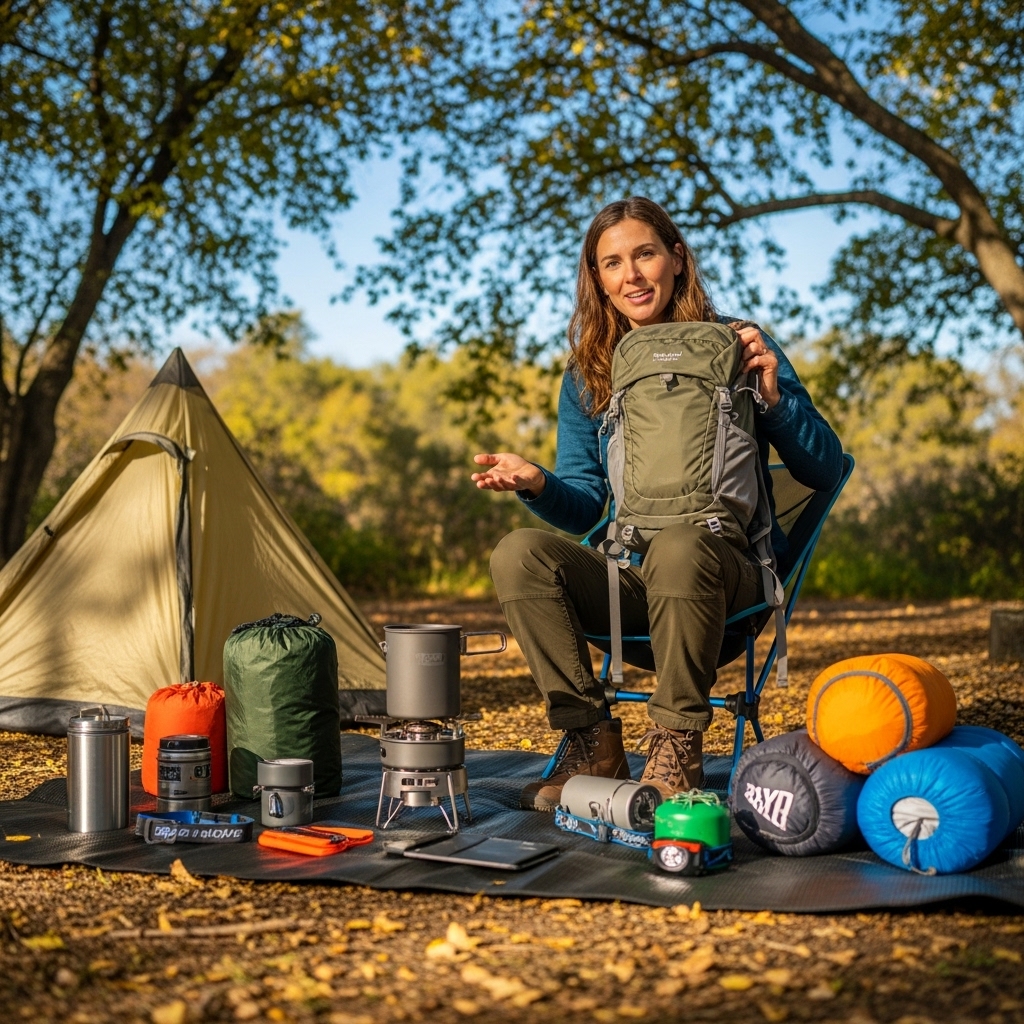

Unpacking a new shelter before a weekend trip often leaves outdoor enthusiasts wondering about essential accessories. When preparing for damp ground or rough terrain, many beginners ask do tents come with tarps straight out of the box. Most packaged camping shelters supply the tent body, an outer rainfly, poles, and basic stakes, but they rarely bundle an extra ground sheet or protective barrier. Campers investing in heavy-duty water-resistant camping tents frequently discover that ground tarps and fitted footprints require a separate purchase. Understanding what comes in the original gear sack prevents surprise campsite dampness and helps maintain your shelter over many seasons.
A dedicated ground barrier shields your tent floor against sharp stones, coarse gravel, tree sap, and damp soil. While tent floors feature factory waterproof coatings, consistent contact with abrasive surfaces can degrade thin fabric coatings over time. Adding a matched footprint or an external tarp preserves the underside of your shelter and adds an extra layer of weather protection during stormy forecasts. Learning how ground sheets function and how to size them properly ensures you stay comfortable regardless of campsite conditions.

Pros
- Weighs only 9.8 oz and packs down to the footprint of a smartphone
- 210T ripstop polyester resists tears while blocking damp soil moisture
- Multipurpose utility works as a ground sheet, emergency lean-to, or sun canopy
- Sized accurately for standard two-person backpacking tents
Cons
- Too small for standard three-person, four-person, or family cabin tents
- Does not include extra stakes or guylines for overhead tarp rigging
- Thin ultralight fabric still requires clearing sharp roots or rocks before pitching
The Clostnature 87x59 Heavy Duty Tent Footprint is an ultralight ground cloth and multi-purpose camping tarp engineered to protect tent flooring from premature wear. Designed primarily for standard two-person backpacking shelters, this accessory acts as the frontline barrier between thin tent floors and abrasive campsites. It serves a broad range of outdoorsmen, including ultralight backpackers, weekend car campers, solo adventurers, festival goers, and budget-conscious hikers who want to safeguard their outdoor investments without lugging heavy gear.
Campers often face unpredictable weather, and pitching a tent over damp soil or rocky terrain can quickly degrade expensive gear. This ground sheet uses 210T ripstop polyester enhanced with a waterproof barrier designed to stop ground dampness from soaking through your tent bottom. When hiking into a remote campsite after sunset or weathering a sudden summer downpour, having a dedicated moisture barrier helps keep your sleeping pad and sleeping bag completely dry throughout the night.
Portability stands out as a clear advantage for trail enthusiasts. Tipping the scales at a mere 9.8 ounces, the footprint packs into an included drawstring storage pouch that compresses down to roughly the size of an everyday smartphone. Fitting easily into a crammed daypack side pocket or car trunk, it offers dependable utility without imposing a weight penalty on multi-day treks. The reinforced corners provide secure anchoring points whether you are pegging it directly under a tent or stringing it up as an overhead rain fly.
Versatility extends well beyond standard tent floor protection. Thanks to its rectangular profile and durable ripstop weave, this tarp functions effectively as a picnic blanket for beach camping, an impromptu hammock shelter, a clean staging ground for packing gear, or a sunshade during midday trail breaks. Setting it up takes seconds, whether you spread it flat on forest soil before setting poles or secure it against wind gusts during an unexpected squall.
Camper feedback suggests keeping a few practical factors in mind when choosing this footprint. At 87 inches by 59 inches, its dimensions match compact two-person tents like the Clostnature 2P, meaning it will not provide enough coverage for larger family tents or wide three-person designs. Because the material is optimized for ultralight trail performance, clearing sharp sticks and jagged rocks from your pitch site remains good practice. For hikers, festival travelers, and weekend warriors seeking an affordable, packable ground protector, this footprint represents a practical addition to any camping checklist.
Constructed with 210T ripstop polyester fabric, this ground sheet provides reliable tensile strength to protect your tent against friction and rough forest floors. The ripstop grid pattern helps arrest minor punctures before they turn into full tears.
The integrated waterproof coating functions as a moisture barrier that keeps ground water, damp soil, and dew from permeating upward. When pitched correctly beneath your tent footprint margins, it prevents rainwater runoff from collecting underneath your living space.
Backpackers watching trail weight will appreciate the minimal 9.8-ounce burden of this tarp. It folds down quickly into its dedicated drawstring stuff sack, achieving a packed volume similar to an ordinary mobile phone.
This ultra-compact form factor makes it effortless to tuck into an exterior backpack pocket, bike pannier, or glove compartment, ensuring you always have a clean, dry surface ready for camp setup, roadside repairs, or trail lunches.

Ground Tarps, Footprints, and Camping Tent Protection
Ground protection remains one of the most misunderstood aspects of setting up a reliable campsite. Campers often assume their new shelter arrives ready for every ground condition, only to find bare soil directly beneath their sleeping pads. Knowing whether a tarp comes included, why manufacturers package gear the way they do, and how to protect your tent base helps ensure dry, hassle-free nights in the backcountry.
Standard Tent Packaging and Included Components
When you purchase a standard consumer tent, the package contains only the components necessary for basic structural assembly. Inside the storage duffel, you will typically locate the primary tent body, an outer rainfly, a segmented pole set, basic ground stakes, and pre-attached or loose guylines. Some brands also pack a small emergency repair sleeve or fabric swatches for minor field tears. However, an auxiliary ground tarp or fitted footprint is almost never included in standard production packaging.
Budget camping packages occasionally advertise bundled extras, but these promotional combinations remain rare among mainstream outdoor brands. Specialty four-season expedition models or premium boutique backpacking setups sometimes feature bundled footprints during specific promotions, yet standard retail models keep ground protection separate. Campers should inspect the printed contents list on the packaging or manufacturer product page before assuming a ground cloth is present. Arriving at a rocky campsite without verifying your gear inventory can leave your tent floor vulnerable to sudden abrasion.
Why Manufacturers Rarely Include Tarps
Manufacturers omit ground tarps primarily to keep base product weight and retail package size as low as possible. In both backpacking and car camping categories, advertised trail weight and packed dimensions serve as major purchasing criteria for consumers. Including a heavy-duty poly tarp or even a lightweight polyester ground cloth automatically adds several ounces or pounds to the printed specification sheet. By excluding the ground cloth, brands can market a leaner, more compact package to weight-conscious outdoor travelers.
Cost management and diverse camping environments also play a major role in packaging decisions. A camper pitching on soft grassy lawns at an established park campground might never feel the need for an extra ground barrier. Conversely, someone camping on jagged granite slabs in alpine terrain requires robust puncture resistance under their floor. Leaving the ground sheet optional allows consumers to select the exact material, thickness, and size that matches their typical terrain without paying for gear they might not want.
Ground Tarps Versus Dedicated Tent Footprints
Many beginners use the terms tarp and footprint interchangeably, but these two items serve different functions and feature distinct designs. A traditional tarp is typically a rectangular sheet made of woven polyethylene, reinforced with thick rope borders and metal grommets. These utility tarps offer heavy-duty puncture resistance and budget-friendly utility, but they are bulky, noisy when walked on, and heavy to carry. They also come in standard hardware sizes that rarely match the unique footprint geometry of modern camping tents.
A dedicated tent footprint is a custom-cut or model-specific ground cloth made from technical tent fabrics like polyester or nylon. These accessories match the exact floor plan of a shelter or sit just an inch or two inside the floor perimeter. Quality footprints use lightweight ripstop fabrics with polyurethane waterproof coatings, folding down into tiny storage bags. They often feature corner webbing loops or grommets designed to integrate directly with your tent poles, providing a neat, secure foundation that stays firmly under the tent.
Selecting between an all-purpose utility tarp and a dedicated footprint comes down to your camping style and transportation capacity. Vehicle campers with ample trunk space can easily manage the bulk and weight of a standard poly tarp cut down to size. Backpackers and minimalists, on the other hand, almost always prefer tailored footprints made from thin technical fabrics that fit neatly inside a backpack side pocket. Both options protect the shelter floor, but the footprint offers superior packability and cleaner campsite integration.
The Critical Role of Proper Sizing and the Bathtub Floor
Modern camping tents utilize a design known as a bathtub floor, where the waterproof floor fabric wraps several inches up the lower sidewalls before meeting the breathable mesh or upper canopy. This raised seamless boundary keeps splashing rain and ground moisture from entering the tent through perimeter stitching. However, placing an improperly sized ground tarp underneath this system can completely compromise the bathtub floor design. If a ground tarp extends beyond the edges of the tent body, it acts as a catchment tray for falling rain.
When raindrops roll off your rainfly and strike an exposed tarp edge, water channels directly inward underneath your tent floor. The pooled water gets trapped between the non-porous ground sheet and the tent floor, creating upward hydrostatic pressure. Over several hours of continuous rainfall, this trapped pool can force moisture through seams or tiny microscopic pinholes in the tent coating. In severe downpours, campers wake up to find their sleeping bags resting on an unintended waterbed inside their living space.
To prevent water pooling, your ground sheet must always measure two to three inches smaller than your tent floor along every edge. If you are using a standard hardware tarp that exceeds your tent dimensions, you must fold the excess material completely underneath the tent base. Never fold excess tarp upward against the tent walls, as water running down the fly will slip between the fold and the tent. Keeping every edge tucked safely inside the rainfly drip line ensures that shed rainwater drains harmlessly into the surrounding dirt.
When Ground Protection Is Strictly Necessary
While modern tent floors use durable synthetic fabrics, certain environmental conditions make a ground barrier an absolute necessity. Pitches covered in sharp gravel, pine needles, thorny desert scrub, or exposed tree roots present constant puncture hazards. When campers walk, kneel, or shift their sleeping pads inside the shelter, their body weight concentrates pressure on these sharp points. A tough ground layer absorbs that mechanical friction, ensuring that small abrasions affect an easily replaceable ground cloth rather than your expensive tent floor.
Ground sheets also prove invaluable when pitching on damp soil, organic forest mulch, or sticky clay. Packing away a tent whose primary floor is caked with mud, wet leaves, and decomposing debris creates unpleasant cleanup chores at home. A ground sheet takes the brunt of the campsite grime, keeping the actual tent floor relatively clean and dry. When it is time to break camp, you can quickly rinse or wipe down the separate ground sheet without having to air out the entire main shelter.
Using Overhead Tarps for Storm and Sun Protection
Tarps do not have to live solely beneath your tent to provide substantial benefits on a trip. Rigging a large utility tarp suspended above your shelter provides a primary defensive shield against relentless rainfall, falling pine pitch, and bird droppings. When setting up spacious outdoor tents for family outings, an overhead tarp creates an expanded dry porch area beyond the front door. This covered exterior zone allows campers to remove wet boots and store damp gear without dragging mud inside the sleeping quarters.
Overhead tarps also protect delicate tent fabrics from prolonged ultraviolet radiation during extended summer camping trips. Sunlight degrades polyurethane coatings and weakens synthetic nylon and polyester fibers over weeks of continuous exposure. Hanging a cheap overhead tarp absorbs the harshest solar rays, keeping the interior of the shelter noticeably cooler during hot afternoons. Just ensure that overhead guylines remain anchored firmly against wind gusts and avoid cooking with open flames or fuel stoves beneath low-hanging tarps.
Ground Sheet Materials, Coatings, and Weight Profiles
When shopping for separate ground protection, evaluating fabric denier, weave type, and waterproof ratings helps you match gear to your camping style. Woven polyethylene utility tarps offer exceptional puncture defense against rough terrain, but their bulk makes them unsuitable for foot travel. In contrast, technical ground cloths made from ripstop 210T polyester provide an optimal balance of tear resistance, water protection, and minimal pack volume. These lightweight fabrics withstand abrasive soils while rolling into pouches barely larger than a smartphone.
For example, ground cloths such as the Clostnature 87x59in Heavy Duty Tent Footprint weigh a mere 9.8 ounces while delivering ripstop 210T polyester construction with a waterproof coating. Designed to fit two-person shelters, this compact footprint shields the floor against mechanical wear without burdening a weekend backpack. Larger family setups benefit from options like the Clostnature 118x118in Heavy Duty Tent Footprint, which provides 118 by 118 inches of coverage for six-person tents while weighing only 22 ounces. Both designs pack into compact drawstring storage bags, proving that substantial ground protection does not require cumbersome hardware tarps.
In addition to serving as tent floor savers, versatile technical footprints offer multifunctional utility around the campsite. Campers can deploy these reinforced sheets as emergency sunshades, quick beach picnic blankets, or makeshift hammock rainflies when sudden weather shifts occur. The corner webbing loops and reinforced brass grommets allow secure staking or guyline attachment in varied configurations. Choosing a durable ripstop ground sheet gives you multiple shelter solutions wrapped into a single lightweight package.
Proper Setup Sequence for Tent Footprints and Tarps
Achieving maximum weather resistance and floor longevity begins with careful campsite preparation before you unfurl any fabric. Start by clearing your designated pitch of protruding rocks, dead branches, loose pinecones, and sharp debris without damaging natural vegetation. Look for high ground with natural drainage, avoiding shallow depressions where rainwater might collect during a storm. Laying your ground sheet across a properly prepared flat surface provides the smoothest and safest foundation for your shelter.
Once the ground is clear, spread your footprint or tarp flat with the coated side facing upward according to manufacturer instructions. If your footprint features corner grommets or clips, position them to align with the pole tips of your shelter. When assembling easy-setup outdoor tents, pinning the footprint down with basic corner stakes keeps the fabric smooth while you raise the canopy. Ensuring the ground cloth lies flat prevents frustrating wrinkles and bunches beneath your sleeping pad once the tent is erected.
After pitching the tent body and attaching the rainfly, perform a final 360-degree walk around the shelter perimeter. Inspect every side and corner to confirm that no portion of the ground cloth extends past the rainfly drip line. If you notice any exposed tarp material, tuck it neatly underneath the floor until it sits completely shielded from overhead rain. Securing your guylines with proper tension completes the pitch, ensuring that shed rain runs off the fly directly into the surrounding soil.
Moisture Management, Condensation, and Ground Vapor
Many campers do not realize that moisture does not merely fall from the sky; it continuously evaporates from the soil below. Warm ground releases invisible water vapor into the air overnight as ambient temperatures drop. When you pitch a tent directly over damp earth without a ground cloth, that evaporating vapor rises straight into your tent floor and unsealed perimeter mesh. This rising moisture drastically accelerates internal condensation, leading to damp tent walls and wet sleeping bags by sunrise.
A non-porous ground tarp acts as a continuous vapor barrier, blocking subterranean moisture from evaporating into your living area. By trapping ground humidity beneath the footprint, you keep the microclimate directly around your shelter substantially drier. Combined with well-ventilated rainfly vents and cracked mesh windows, a ground sheet plays a critical role in managing interior condensation. Keeping moisture trapped in the soil ensures a far more comfortable, dry sleeping environment during chilly backcountry nights.
Cleaning, Drying, and Long-Term Maintenance
Proper post-trip maintenance guarantees that your ground cloth and tent floor survive many seasons of demanding use. After returning home from a rainy or muddy outing, never leave your damp ground tarp rolled up inside its stuff sack. Mildew and mold can form on damp synthetic fabrics within forty-eight hours, causing sour odors and breaking down waterproof polyurethane coatings. Spread the ground cloth flat on a clean driveway, deck, or clothesline to dry completely in the open air.
If the ground sheet collected heavy mud or sticky tree sap, wash it gently using a soft sponge, lukewarm water, and mild non-detergent soap. Avoid using harsh household detergents, bleach, or washing machines, as aggressive agitation can strip the protective waterproof film. Inspect the fabric during cleaning for small punctures, thorns, or frayed corner webbing that might require attention. Sealing tiny pinholes with a flexible polyurethane gear adhesive restores full water barrier protection before your next outdoor adventure.
Investing a small amount of preparation into ground protection makes an immense difference in your overall camping comfort and gear longevity. While most camping tents arrive without tarps in the box, adding a properly sized footprint or carefully folded utility tarp shields your investment against unnecessary wear and harsh weather. Measure your shelter floor dimensions carefully, keep those edges tucked safely beneath the rainfly drip line, and enjoy dry, reliable campsite comfort wherever your adventures lead.


Write Your Review
No reviews yet. Be the first to share your experience!