
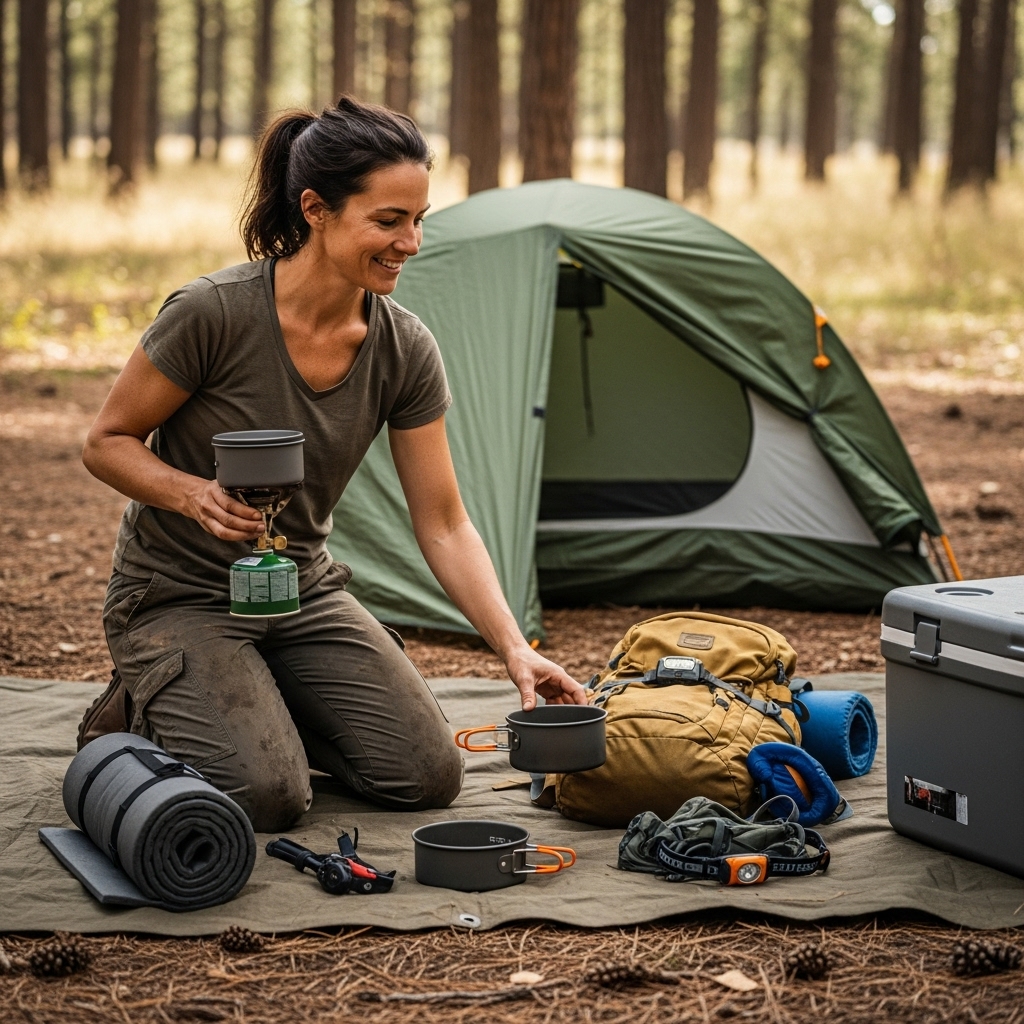

Every camping shelter requires an effective barrier against overhead precipitation, falling leaves, harsh sun, and wind. While traditional ground setups feature flexible fabric canopies supported by tensioned pole architecture rather than residential shingles, modern outdoor gear provides overhead coverage in distinct ways. Campers frequently ask do tents have roofs when planning their first wilderness trip or transitioning toward specialized overlanding setups. Ground models rely on a combination of breathable inner mesh ceilings and exterior waterproof rainflies to deflect storm runoff while facilitating ventilation. In contrast, modern vehicle-mounted shelters incorporate actual rigid hard shells made of aircraft-grade aluminum alloy that function as an authentic exterior roof.
Selecting an appropriate shelter depends on whether your camping style prioritizes lightweight packability or durable overhead defense for vehicle travel. Ground shelters, such as heavy-duty water-resistant camping tents, keep occupants dry by utilizing tensioned polyester fabrics and factory-taped seams. Vehicle-mounted hard shell tents provide a solid protective lid that pops open with gas struts while resisting heavy wind and snow loads. Understanding how overhead coverage functions across different shelter designs ensures that you stay comfortable, dry, and protected during outdoor adventures.

Pros
- Durable aircraft-grade aluminum alloy shell offers rigid protection compared to plastic or soft-sided designs
- Hydraulic stainless steel air pressure rods streamline opening and closing at the campsite
- Layered sleeping setup features a 5cm non-deforming mattress, condensation pad, and recessed marine pad
- Comes equipped with a 7.5-foot telescoping ladder, integrated LED strip, and multiple gear storage bags
- Heavy blackout polyester fabric provides enhanced privacy and light blocking
Cons
- Substantial weight of roughly 198 pounds requires careful verification of vehicle roof load ratings and multi-person installation
- Crossbars are not included and must be verified for fit and dynamic capacity prior to mounting
- Listing does not state interior open peak height, leaving upright sitting room unconfirmed
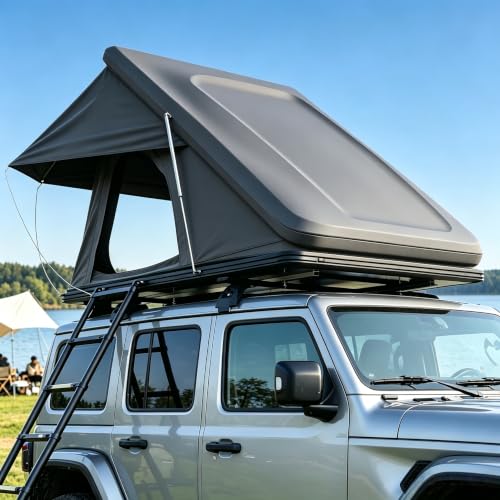
The WildFinder Hard Shell Rooftop Tent is an all-metal vehicle-top shelter engineered for truck, SUV, Jeep, and van camping. Designed for overland travelers and car campers seeking an elevated sleeping platform away from uneven ground, damp soil, and crawling insects, this model uses a rigid outer shell made of aircraft-grade aluminum alloy. By moving away from plastic composites, the aluminum housing is designed to minimize thermal expansion and contraction across changing seasonal conditions.
Regarding dimensions and interior room, the hard shell measures 83 inches long, 52 inches wide, and 9 inches tall in its closed state. While the manufacturer does not specify an exact occupant number, a 52-inch width approximates a standard full-size mattress footprint, making it best matched for solo campers or couples who prioritize a compact roof profile. The sleeping platform is layered with a 5cm non-deforming mattress, backed by both a condensation pad and a recessed marine pad intended to reduce moisture accumulation beneath the sleeping pad.
Setup relies on stainless steel air pressure levers that assist in raising the top shell automatically once the latches are released, removing the need for manual pole assembly. For airflow and privacy, the tent body utilizes a waterproof blackout polyester fabric paired with three mesh windows that allow cross-ventilation while keeping bugs out. The manufacturer lists weather specifications including a 5000 mm rainproof rating, Level 6 wind resistance, 99.99 percent sun blocking, and Level 4 heavy snow protection, though stability in severe weather still requires an anchored and level vehicle setup.
Transport and installation represent significant practical factors. With a listed weight of roughly 198 pounds, this tent requires a vehicle roof rack system with an adequate dynamic load capacity to handle highway transit and sufficient static capacity for parked occupancy. Luggage crossbars are not included, meaning buyers must supply their own compatible rack crossbars. Mounting and dismounting will require at least two people due to the overall weight and 83-inch length.
Primary limitations to weigh include the unlisted open interior height and the missing capacity rating. Because the manufacturer does not publish the peak ceiling height when raised, shoppers cannot verify exact upright headroom before purchase. Additionally, the hefty 198-pound weight may exceed the dynamic roof ratings of smaller crossover vehicles or factory-installed crossbars.
For vehicle owners with capable trucks, full-size SUVs, or vans equipped with sturdy aftermarket rack systems, the WildFinder Rooftop Tent presents a durable aluminum option packed with accessories like a 7.5-foot telescoping ladder, internal LED lighting, and shoe organizers. Shoppers should carefully verify their vehicle dynamic roof ratings and crossbar spacing before committing to this heavy hard-shell platform.
The exterior housing is constructed entirely from aircraft-grade aluminum alloy. According to the manufacturer, this metal structure resists aging, sun degradation, and seasonal thermal expansion far better than plastic shells, reducing the likelihood of joint leaks over multiple seasons of outdoor exposure.
The tent body fabric uses a heavy-duty polyester material designed for privacy and light control. It offers 99.99 percent sun protection and blackout characteristics, alongside a listed 5000 mm waterproof rating. The lifting mechanism is powered by stainless steel air pressure rods designed to resist rust and maintain hydraulic assist over long-term use.
The WildFinder rooftop tent comes packaged with a comprehensive selection of camping accessories. Access is handled via an included 7.5-foot telescoping ladder that adjusts to various vehicle heights, complete with a dedicated ladder organizer.
The interior bedding arrangement includes a 5cm non-deforming comfort mattress, a moisture-reducing condensation pad, and a recessed marine pad. Organization and utility are supported by ten organizer bags, two exterior shoe organizers, and an integrated LED strip light. Note that vehicle mounting crossbars are explicitly excluded and must be purchased separately.


Understanding Overhead Shelter: How Tent Roofs Work Across Ground and Rooftop Designs
Tents do have roofs, but the physical structure of that overhead barrier varies across different camping shelter designs. In traditional ground camping models, the roof consists of a tensioned fabric canopy engineered to deflect precipitation through geometry and specialized coatings. In vehicle-mounted rooftop models, the roof is an actual structural lid crafted from aircraft-grade aluminum alloy or composite materials. Understanding how these overhead shelter systems function helps campers select the right equipment for their specific camping style, vehicle setup, and expected weather conditions.
The Structural Anatomy of a Ground Tent Ceiling
Traditional ground tents rely on a multi-layer framework rather than a single rigid ceiling. Most modern ground shelters utilize a double-wall construction that separates interior living space from exterior weather barriers. The inner tent roof typically incorporates breathable micro-mesh fabric or lightweight nylon hung from flexible aluminum or fiberglass poles. This inner ceiling allows warm, humid air generated by breathing occupants to rise and escape freely. Without this breathable upper zone, moisture would quickly collect along the ceiling and dampen sleeping bags overnight.
Overhead water resistance comes from the rainfly, which functions as the true exterior roof of a ground shelter. The rainfly drapes securely over the structural poles, creating a tensioned canopy that redirects rain downward well away from the tent floor. Pitching the rainfly with proper tension ensures that water runs off smoothly without pooling in low fabric pockets. Guylines secure the edges of this exterior roof, maintaining an essential air gap between the mesh inner canopy and the waterproof fly. Single-wall designs eliminate this separate fly by using technical waterproof membranes, though they demand attentive venting to prevent interior dampness.
The Design of Hard Shell Rooftop Tents with Rigid Roofs
Overland travel has popularized a distinct category of shelter where the tent actually possesses a solid, rigid roof. Vehicle-mounted hard shell models, such as the WildFinder Rooftop Tent and the AvaaHazerl Hardshell Rooftop Tent, use high-strength aircraft-grade aluminum alloy shells as their primary upper barrier. Unlike flexible fabric roofs that can flutter or sag under heavy rain, these aluminum shells present a completely impermeable physical surface overhead. The rigid lid protects against falling branches, deflects wind, and provides durable structural strength across years of rugged outdoor exposure.
Deploying these structural shelters requires minimal physical effort due to internal mechanical assist systems. Most aluminum hard shell models feature heavy-duty stainless steel gas struts or hydraulic support rods that lift the upper shell smoothly within seconds. Once elevated, the rigid top remains suspended securely overhead while durable fabric sidewalls expand to enclose the sleeping quarters. Models like the JOYINRUTE Rooftop Tent utilize four hydraulic support rods to maintain roof tension across the entire platform. This rapid mechanical deployment eliminates the tedious pole assembly and guyline staking required by traditional ground shelters.
Overhead Weather Resistance and Water Management
Waterproof capabilities for tent ceilings are quantified through hydrostatic head ratings, which indicate the water pressure a fabric can endure before leaking. Ground tent rainflies often feature ratings between 1200 mm and 3000 mm, which deliver adequate protection for moderate rainfall. Premium overland tents, including the HEYFUN Adventurer Pro Rooftop Tent, employ heavy 320g polyester fabrics boasting water resistance up to 5000 mm. These dense polyester sidewalls attach to the overhead shell with waterproof rubber seals that lock out wind-driven precipitation. The steep pitch of pop-up sidewalls ensures that driving rain cascades downward before moisture can seep through seams.
Snow accumulation and violent winds present distinct structural challenges for tent roofs depending on their underlying design. Flexible ground tent poles can bow or collapse if heavy, wet snow accumulates across a broad fabric rainfly. In contrast, a rigid aluminum rooftop tent can support substantial snow accumulation across its hard lid without deforming the interior sleeping envelope. Models built to handle four-season weather are engineered to deflect significant snow loads while shielding sleeping occupants from overhead chill. The solid shell deflects direct wind gusts upward, reducing turbulence against the fabric walls beneath.
Seam construction remains an essential factor for preventing overhead leaks across every style of shelter. In ground tents, factory-applied polyurethane tape seals needle holes along structural seams where rainfly panels meet. In hard shell rooftop shelters, perimeter rubber gaskets compress tightly when the roof is closed, keeping water away from the stored mattress and bedding during highway transit. When deployed at camp, reinforced stitching along roof-to-wall attachment points blocks driving moisture. Maintaining these gaskets and seam seals ensures that overhead protection remains reliable through prolonged storms.
Managing Ceiling Condensation and Interior Humidity
Condensation is a common challenge that affects tent roofs regardless of their construction materials. Warm exhaled breath contains moisture that rises naturally toward the ceiling of any enclosed outdoor shelter. When this humid air encounters a cold exterior surface, such as a cold rainfly or an aluminum hard shell, the vapor condenses into liquid water droplets. If left unmanaged, accumulated condensation will drip onto sleeping bags and make bedding feel uncomfortably damp. Managing airflow through roof vents and strategic wall openings is the first line of defense against interior moisture buildup.
Hard shell rooftop shelters implement specialized internal linings to control condensation along their metal ceilings. Aluminum is an efficient thermal conductor, which makes bare metal ceilings prone to rapid moisture accumulation during chilly nights. To counter this effect, premium tents incorporate moisture-proof flocked lining across their interior roof panels and flooring. This flocked texture creates a thermal barrier that slows condensation formation and prevents water droplets from dripping downward. Models like the JOYINRUTE and HEYFUN designs pair flocked interiors with thick condensation mats beneath the sleeping mattress to keep moisture isolated.
Ground tents manage ceiling condensation by maintaining a generous air gap between the inner canopy and the exterior rainfly. As moist air exits through the inner mesh ceiling, it moves into the airspace beneath the fly and gets swept away by external breezes. Pitching a tent tautly prevents the rainfly from sagging onto the inner canopy, which would otherwise allow condensed moisture to soak through. Campers should leave upper vents open even during cold or rainy conditions to preserve continuous vertical air circulation. Allowing moisture to vent continuously keeps the sleeping environment dry and pleasant throughout the night.
Ventilation, Blackout Fabrics, and Overhead Temperature Control
Temperature control inside a tent depends heavily on how the roof handles solar radiation and cross-ventilation. When sunlight beats down on an unshaded shelter, solar heat quickly builds up beneath the ceiling and turns the interior into an oven. Modern shelter manufacturers counteract solar gain by applying specialized blackout coatings to their upper fabrics and rainflies. Campers interested in maintaining cooler morning interiors often explore dark-room tent fabric technology to block intense sunlight. Heavy blackout coatings can reflect up to 99 percent of ultraviolet rays, keeping the sleeping chamber noticeably darker and cooler after sunrise.
Rooftop models optimize airflow by placing multi-layer windows along all four sides directly beneath the protective roofline. The WildFinder Rooftop Tent features three mesh windows, while the JOYINRUTE model includes four large windows with independent mesh and windproof layers. These elevated openings catch passing breezes that skim just beneath the overhang of the hard shell roof. Because the rigid lid extends slightly beyond the sidewalls, campers can crack the upper window zippers for ventilation even during mild rain showers without letting water inside. This awning-style overhead protection ensures uninterrupted airflow during humid summer outings.
Winter camping requires an opposite strategy focused on capturing rising body heat beneath the ceiling. Advanced overland shelters address extreme cold by offering removable winter thermal insulation liners that zip directly beneath the roof structure. The JOYINRUTE Rooftop Tent includes a disassembled winter thermal liner engineered to trap rising heat and block biting drafts. This multi-layered ceiling insulation transforms an open three-season pop-up into a true all-weather four-season shelter. Campers can detach and store the thermal liner during warm summer months to maximize natural ventilation and reduce overall vehicle weight.
Structural Load Ratings and Vehicle Roof Rack Requirements
Installing a tent with an actual structural roof on top of a vehicle introduces important mechanical and structural considerations. Unlike ground tents that pack into compact duffel bags weighing under fifteen pounds, hard shell rooftop tents represent a substantial rooftop investment. A hard shell tent system generally weighs between one hundred and two hundred pounds, requiring a properly rated vehicle roof rack. Before purchasing or mounting a rooftop shelter, vehicle owners must distinguish between dynamic and static weight limits. Dynamic weight ratings refer to the maximum weight a rack can carry safely while the vehicle is in motion on the highway.
Crossbars and factory roof rails must be verified to handle the dynamic mass of the collapsed tent during transit. For instance, manufacturer guidelines for the HEYFUN Adventurer Pro explicitly specify mounting crossbars that support at least 165 pounds of dynamic load. Failing to verify crossbar capacity can cause damage to vehicle roof gutters, factory mounting points, or crossbar brackets during off-road travel. Once the vehicle is parked at camp, static weight limits take over. Static ratings are significantly higher, easily supporting the combined weight of the tent, two or three adult occupants, and interior camping gear.
Aerodynamics and vehicle handling also change when a hard shell roof is mounted atop your vehicle. Quality rooftop models feature low-profile aerodynamic designs, often folding down to seven inches in total height when closed. This streamlined profile minimizes wind resistance on the highway, helping preserve vehicle fuel economy and reducing wind noise. Heavy-duty latches and tension buckles lock the aluminum upper shell to the lower base, preventing accidental opening at highway speeds. Inspecting mounting hardware and locking brackets before every overland trip ensures that the shelter remains firmly attached across rough terrain.
Choosing Between Traditional Canopies and Vehicle-Mounted Hard Shells
Deciding between a flexible fabric canopy and a rigid hard shell roof comes down to your personal travel style and logistical priorities. Traditional ground shelters are unbeatable when it comes to flexibility, portability, and expansive living room. Group travelers often favor spacious camping tents because they offer generous peak heights, vestibules, and space for multiple cots or tables. Ground tents can be pitched at walk-in campsites, state park tent pads, or remote wilderness clearings where motor vehicles cannot travel. Furthermore, leaving a ground tent pitched at your site keeps your base camp reserved while you take your vehicle out exploring.
Hard shell rooftop tents offer unmatched setup speed, elevated comfort, and protection against damp, uneven terrain. Elevating the sleeping platform above the ground keeps campers away from crawling insects, ground moisture, mud, and uneven rocks. The convenience of popping open a gas-strut roof in seconds makes roadside camping effortless during long overland expeditions. Inside, integrated high-density foam mattresses and pre-installed LED lighting eliminate the need to inflate sleeping pads or assemble cots after a long drive. If your camping trips involve frequent moves between dispersed campsites, an elevated hard shell roof saves valuable time and energy.
Storage logistics and vehicle versatility also differentiate these two overhead shelter designs. Ground tents require minimal storage space in a home closet or garage between outdoor excursions. Rooftop tents occupy substantial space and often require a dedicated pulley system or two people to mount and remove from a vehicle. Ground tents also leave vehicle roof racks open for carrying kayaks, paddleboards, cargo boxes, or mountain bikes. Balancing these practical trade-offs against your preferred camping destinations ensures that your overhead shelter aligns with your outdoor lifestyle.



Write Your Review
No reviews yet. Be the first to share your experience!