
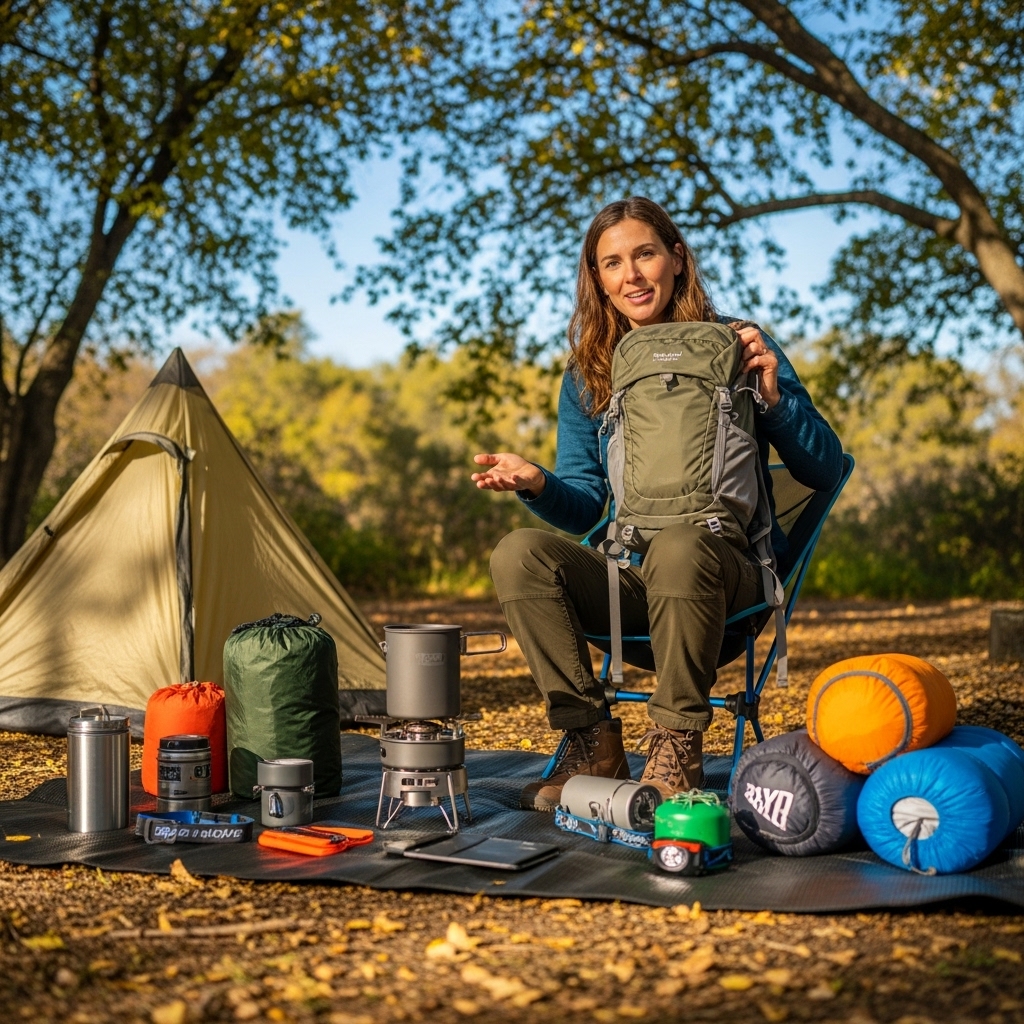

Planning an outdoor excursion often begins with establishing a realistic gear budget, and shelter usually represents the cornerstone of that investment. Knowing exactly how much is a camping tent requires looking beyond a single price tag, because available models span vastly different categories, materials, and intended camping environments. A casual weekend trip to an established campsite has completely different gear demands than an extended backcountry hike through inclement weather. Exploring various spacious outdoor tent options helps clarify how floor area, construction materials, and weather protection interact to determine the overall value of a shelter.
Shelter categories fluctuate widely depending on fabric denier, pole construction, integrated rainfly coverage, and specialized architectural designs such as instant pop-up frames or sprawling yurt teepees. Buyers must balance the desire for interior volume and simplified pitching against weight restrictions, packability, and durability over multiple seasons. Investing in a shelter that matches your specific regional climate prevents both overspending on unnecessary technical features and underinvesting in critical rain protection. Understanding these fundamental design trade-offs ensures that your shelter provides reliable comfort and dependable performance at your chosen campsite.

Pros
- Huge interior footprint gives family campers plenty of space for gear, pets, and bedding
- Ground cooling port combined with ceiling mesh creates effective cross-ventilation on hot summer nights
- Snag-free sleeve design makes setup quick and easy even when pitching camp near dusk
- Budget-friendly price point makes large-group car camping accessible without a heavy investment
Cons
- Weighing nearly 19 pounds, it is intended strictly for car camping rather than backpacking treks
- Included thin steel ground stakes should be upgraded for high-wind conditions or rocky soil
- Like most eight-person tents, it fits four to five adults comfortably once luggage and cots are inside
The Amazon Basics 8-Person Camping Tent is an expansive three-season dome shelter engineered specifically for car campers, family road trips, scout groups, and festival weekends. Boasting a massive 15-foot by 9-foot footprint and a 70-inch center height, this tent provides substantial living area for groups who want to avoid the cramped quarters of technical backpacking shelters. It caters nicely to budget-conscious campers, first-time outdoor adventurers, and weekend warriors seeking a dependable home base at state parks and organized campgrounds.
Weather protection relies on a water-resistant polyester canopy coupled with factory-welded seams designed to keep ground moisture and sudden showers at bay. The removable rainfly covers the upper mesh roof while leaving side clearance for air circulation. To manage interior condensation during humid summer nights, the shelter features a ground-level cool-air port paired with a large zippered back window. This setup draws fresh air from down low and pushes warm air out through the mesh ceiling, keeping the interior feeling fresh even with multiple campers inside.
Structural support comes from durable, shock-corded fiberglass poles that slide easily through continuous, snag-free fabric sleeves. Campers will appreciate the well-placed interior mesh organizer pockets that keep small essentials like car keys, pocket knives, smartphones, and headlamps within arm's reach. While the floor fabric is designed to resist campground wear, pairing the tent with an aftermarket groundsheet or heavy-duty tarp helps extend the lifespan of the base against sharp twigs and gravel.
Pitching this family-sized tent is straightforward thanks to the simple crossover pole design. Two people can complete the assembly process in under eight minutes, which is especially helpful when pulling into a campsite after dark. Takedown is equally quick, packing down into a dedicated carry bag that holds the folded canopy, rainfly, poles, and stakes. At roughly 18.7 pounds, the packed shelter stows neatly into vehicle trunks or SUV cargo areas alongside coolers and camp stoves.
While rated to sleep up to eight people closely side by side in sleeping bags, practical campground use is ideal for four to six campers with luggage, or parents with children and two queen air mattresses. The factory wire stakes work fine in soft campground soil, though campers heading to windy shorelines or desert bluffs should consider sturdier stakes. For casual weekend camping, summer vacations, and backyard sleepovers, this shelter offers dependable comfort, great headroom, and outstanding practical value.
With 135 square feet of usable floor area, this shelter provides an airy interior that easily handles standard camping furniture. Campers can arrange two queen air mattresses side by side with plenty of walking room down the center, or set up multiple camping cots and gear totes along the perimeter.
The generous 70-inch center peak allows most adults to stand upright without crouching, making changing clothes and organizing camp gear significantly easier. Integrated wall pockets keep personal items off the floor, maximizing available sleeping space across the entire layout.
The intuitive shock-corded frame eliminates pole confusion, while the snag-free sleeve channels prevent the poles from catching during threading. Even solo campers with a bit of practice can erect the shelter smoothly by staking down the corners first.
When it is time to break camp, the entire kit packs cleanly into the included carry bag. The package fits conveniently across the back row of an SUV or inside a car trunk, making it a reliable grab-and-go option for impromptu weekend getaways.

Pros
- Rapid one-minute pitch saves time during late campsite arrivals or sudden weather shifts
- Six-foot peak center height offers comfortable headroom for standing and changing
- Heavy-duty Polyguard 2X fabric provides dependable resistance against regular outdoor wear
- WeatherTec welded corner seams help protect your sleeping gear from ground dampness
- Spacious 10 by 9 foot footprint easily accommodates family-sized air mattresses
Cons
- Packed weight of roughly 24.6 pounds makes it strictly suited for car camping rather than backpacking
- Long packed length of nearly 48 inches requires ample trunk space or backseat storage
- Integrated rainfly provides moderate rain coverage, but severe storms with sideways wind may require an extra tarp
The Coleman 6-Person Instant Camping Tent is an instant-pitch cabin shelter designed to eliminate the frustration of threading poles through fabric sleeves. Built with a heavy-duty steel and fiberglass pole structure that comes pre-attached directly to the tent body, this shelter unfolds and extends into position in about sixty seconds. It represents a classic solution for campground enthusiasts who prefer spending less time assembling gear and more time relaxing around the campfire.
This cabin tent is ideally suited for family campers, weekend warriors, casual car campers, festival attendees, and first-time outdoorsmen who value interior volume and quick deployment. Because it tips the scales at nearly 25 pounds, it is intentionally built for drive-up campsites, state parks, and backyard campouts rather than backcountry trekking. Parents managing young children or couples arriving at camp after dark will especially appreciate how effortlessly the frame telescopes and locks into place.
In terms of weather protection, the tent integrates Coleman's WeatherTec system, which utilizes inverted seams and patented welded corners to keep ground moisture from penetrating sleeping areas. The shell is crafted from double-thick Polyguard 2X fabric, providing dependable resistance against abrasive branches, fabric snags, and prolonged sun exposure. The integrated rainfly design allows for continuous airflow through the upper mesh panels while guarding against overhead showers, helping manage interior condensation on humid summer evenings.
Spacious living comfort is one of the standout features of this shelter. With floor dimensions measuring 10 by 9 feet and a generous center height of 6 feet, most adults can stand upright comfortably to change clothes. The open interior layout readily accommodates two queen-size air mattresses or up to six sleeping pads arranged side by side. Large mesh windows supply ample cross-ventilation, keeping the living quarters breezy during warm midday heat while preventing pesky bugs from invading your sleeping space.
While the heavy frame delivers sturdy freestanding stability, buyers should account for its bulk during transport. Packed down inside its expandable zippered carry case, the unit measures over 47 inches in length, requiring adequate trunk width or backseat room in your vehicle. In extreme conditions involving relentless torrential downpours with driving horizontal winds, supplemental seam sealer or an overhead auxiliary tarp can provide added peace of mind given the minimal overhang of the integrated fly.
For outdoorsmen seeking a durable, family-friendly shelter that skips complex pole maps and tedious setup routines, this instant cabin model hits the sweet spot. It offers reliable construction, generous vertical clearance, and dependable seasonal weather protection, making it an excellent investment for hassle-free weekend road trips and summer campground holidays.
Pitching this instant tent requires minimal physical effort compared to traditional pole-and-sleeve designs. Campers simply lay the shelter flat on clear ground, unfold the pre-attached leg joints, and telescope the upright poles outward until the locking ball pins engage with an audible click.
Takedown mirrors the process in reverse by depressing the release buttons, collapsing the telescoping arms, and folding the fabric neatly around the central hub. While fitting any large tent back into its storage bag can require rolling tight folds, the expandable carry duffel provides enough extra clearance to pack the folded shelter without undue wrestling.
Engineered for three-season outdoor use, the shelter utilizes inverted needle seams that conceal needle punctures inside the fabric to limit moisture entry. The welded floor corners eliminate conventional needle stitching around the ground rim, preventing water intrusion from damp groundcover and saturated camp surfaces.
The Polyguard 2X polyester material is roughly twice as thick as standard recreational tent fabrics, offering enhanced resistance to puncture tears and moderate gusty winds. To ensure dependable shelter in prolonged rains, staking out all included guylines is recommended to maintain exterior tension and assist rainwater runoff.

Pros
- PU 3000mm waterproof coating and factory-taped seams offer dependable rain protection for a single-layer tent.
- Protective pole casing prevents the painful fiberglass splinters common with budget fiberglass poles.
- Simple two-pole cross sleeve design enables rapid, hassle-free solo setup in under two minutes.
- Generous 7-foot interior length provides ample room for taller campers plus interior gear storage.
Cons
- Single-layer design requires adequate airflow to prevent interior condensation during cold or humid nights.
- At 4.34 pounds, it is heavier than dedicated ultralight backcountry shelters.
- The 3.8-foot width realistically accommodates only one adult with gear rather than two full-sized adults.
The Night Cat Backpacking Tent is a compact, single-layer dome shelter engineered for solo adventurers, scouts, weekend hikers, and first-time campers looking for a practical, low-cost outdoor shelter. With interior floor dimensions measuring 7.0 by 3.8 feet and a peak center height of 3.6 feet, this shelter is proportioned to give a single adult sleeper generous elbow room with dedicated space along the perimeter to stash a trail pack, boots, and clothing. While the listing notes capacity for an adult and a small child, practical trail use makes it primarily an efficient one-person backpacking and camp shelter.
For weather management, the tent utilizes polyester fabric treated with a PU 3000mm waterproof coating, complemented by sealed, taped seams along the structural stitching. This level of waterproof protection is designed to withstand passing rainstorms and prevent moisture penetration from the wet ground. Because this is a single-layer tent without a separate full-coverage rainfly, managing air circulation is critical. Night Cat addresses this through a large mesh front entryway and an integrated mesh roof window, which work together to facilitate fresh air exchange and keep flying pests out of the sleeping quarters.
The frame relies on two foldable fiberglass poles equipped with an upgraded protective casing. Traditional single-layer fiberglass poles can develop micro-splinters over time that irritate hands during assembly, but this dual-layer sleeve construction shields campers during handling. Pitching the shelter requires sliding both poles through the diagonal roof sleeves and anchoring the corners, a straightforward routine that takes approximately one to two minutes even when arriving at camp after dusk. Once staked, the freestanding dome structure holds its shape cleanly in moderate winds.
Portability is a strong attribute for youth groups and weekend travelers, with the tent packing down into an included carry bag measuring 16.5 by 4.7 by 4.7 inches. At an overall weight of roughly 4.34 pounds, it sits between heavier car camping options and premium ultralight shelters. While long-distance thru-hikers counting every ounce may prefer a lighter tarp or trekking-pole tent, this weight and compact packed size fit conveniently into scout gear packs, motorcycle saddlebags, and car trunks for spontaneous overnights.
Before planning an extended trip, campers should account for the functional tradeoffs of a single-wall shelter. In damp, chilly environments, warm breath will create condensation along the interior polyester walls if the mesh vents are kept shut. Additionally, because there is no external vestibule, muddy footwear and wet outerwear must be brought inside the main tent floor. For budget-conscious hikers, motorcycle campers, scouts, and festival goers seeking a simple, waterproof, and easy-to-pitch solo shelter, the Night Cat tent provides a balanced, accessible solution.
Setting up the Night Cat tent requires minimal effort thanks to its streamlined two-pole sleeve structure. The fiberglass poles slide directly into diagonal sleeves across the canopy, allowing a single person to erect the freestanding dome in roughly one to two minutes without complex hub mechanisms.
Takedown is equally quick, rolling neatly into an included 16.5 by 4.7-inch carry sack. At approximately 4.34 pounds, the tent packs down compactly enough to strap onto the bottom of a backpack, secure to a bicycle rack, or store in a vehicle trunk for weekend outings.
Constructed with PU 3000mm coated polyester and heat-sealed taped seams, this shelter is built to keep rain from penetrating the interior cabin during unexpected downpours. The aerodynamic dome geometry also assists in deflecting moderate wind gusts when properly staked to the ground.
To mitigate condensation common to single-wall tents, the layout includes a large mesh door and an upper roof mesh vent. Keeping these openings clear allows continuous airflow across the ceiling, helping warm moisture escape while maintaining dependable insect defense.

Pros
- Straightforward pole-clip attachment eliminates fabric snagging during assembly
- True PU 3000mm waterproof coating on both the tent body and the rugged 150D Oxford floor
- Compact 16.5-inch packed length makes transport effortless for solo journeys and bike packing
- Roomy interior height of 45 inches allows comfortable seated movement inside
Cons
- At 4.4 pounds, it is heavier than dedicated ultralight solo shelters
- Fiberglass poles do not provide the weight savings or long-term rigidity of high-end aluminum
- Usable interior space is designed strictly for one adult and trail gear, offering minimal room for anyone else
The Night Cat 1-Person Backpacking Tent is a lightweight, freestanding solo dome shelter built for budget-minded backpackers, scout troops, motorcycle campers, and weekend hikers. Designed to eliminate the frustration of threading slender poles through long, snagging fabric sleeves, this shelter relies on quick-attach pole clips. Solo campers can establish a secure camp quickly, even when arriving at a remote campsite after dusk or pitching during sudden weather changes.
Inside the tent, the floor measures 83 by 45 inches with a center peak height of 45 inches. This generous footprint provides ample space for a full-length camping sleeping pad alongside a multi-day backpack, while the 45-inch peak height allows most adults to sit fully upright without rubbing their head against the canopy. The exterior door configuration forms a compact shoe vestibule, providing a dedicated space to keep muddy boots out of the main sleeping compartment.
Weather protection relies on a 210T polyester taffeta canopy paired with a heavy-duty 150D Oxford bathtub-style floor. Both fabrics are backed by a PU 3000mm waterproof coating, and every structural seam features factory waterproof tape to prevent moisture seepage during prolonged rainstorms. To combat interior condensation, the tent incorporates a wide micro-mesh front door and an elevated roof mesh window, allowing natural airflow to vent warm air while keeping insects out.
The structural frame is constructed from foldable fiberglass sections anchored by included metal stakes and adjustable guylines. While fiberglass poles add a bit more trail weight compared to premium aluminum sets, they keep the shelter accessible and allow the entire kit to pack down to a travel-friendly 16.5 by 4.7 by 4.7 inches. At an overall weight of 4.4 pounds (2 kg), the shelter easily packs inside a hiking pack or straps across motorcycle panniers.
Campers planning multi-week treks should note the inherent balance between cost and weight. While 4.4 pounds is manageable for overnight and weekend hikes, it exceeds the weight threshold preferred by strict ultralight thru-hikers. Additionally, while the product listing notes that an adult could squeeze in with a small child in an emergency, the interior is realistically sized for one camper and their gear.
For solo adventurers, scouts, car campers, and weekend hikers seeking a dependable, budget-friendly three-season shelter, the Night Cat solo tent offers solid value. Its proven PU 3000mm waterproofing, rapid clip assembly, and comfortable interior headroom make it a dependable shelter for exploring state parks, trailheads, and outdoor festivals.
The Night Cat solo tent is engineered with genuine PU 3000mm waterproof coatings applied across both the 210T polyester taffeta upper fabric and the rugged 150D Oxford ground sheet. Factory-applied waterproof seam tape covers all structural stitching to block driving rain and prevent damp ground moisture from soaking through the floor.
In blustery weather, the classic dome profile sheds wind effectively when staked down with the included metal ground stakes and tensioned guylines. The permanently tethered rainfly cap covers the roof mesh vent against straight-down downpours without blowing loose in shifting gusts.
Setting up the Night Cat tent takes only a couple of minutes thanks to its clip-attachment system. Instead of fighting with full-length fabric pole sleeves, you simply assemble the two foldable fiberglass poles, cross them into the corner grommets, and snap the external tent clips directly over the frame.
Packed portability is a standout highlight, collapsing down to 16.5 by 4.7 by 4.7 inches in its included storage sack. At 4.4 pounds, it stows easily inside standard 40-liter to 65-liter backpacking packs, fits across motorcycle racks, and tucks neatly into compact vehicle trunks for spontaneous weekend escapes.

Pros
- Generous 16 by 16 foot footprint with a 9.8-foot peak height allows adults to walk upright and set up full-height cots
- Ventilation system with three perimeter mesh windows and four roof vents encourages steady airflow during warm weather
- Full pitching kit includes 25 steel stakes, 14 adjustable guy lines, and heavy-duty steel center poles for straightforward assembly
- Four integrated interior storage organizer pockets help keep essential campsite accessories off the tent floor
Cons
- Polyurethane-coated 68D fabric is specified to shed light rain rather than withstand severe, continuous storm downpours
- The 16-foot radial footprint plus guy line perimeter requires a large, flat campsite clearing that may not fit compact tent pads
- Total packed weight of 23 pounds makes this shelter strictly suitable for car camping and vehicle transport rather than hiking
The Wakeman Outdoors 10-Person Teepee Camping Tent is a yurt-inspired bell shelter designed for car campers, large families, glamping enthusiasts, and festival attendees who prioritize open living volume over lightweight trail packability. Spanning 16 by 16 feet across its base with a tall 9.8-foot center peak height, this tent delivers sufficient floor space to sleep up to ten people on sleeping pads or accommodate multiple cots with room to spare. A high 79-inch entrance allows adult campers to walk inside upright without crouching, making camp life and daily gear organization remarkably easy compared to low-profile dome shelters.
Airflow and temperature management are built directly into the teepee layout through three base-level mesh windows, four integrated roof vents, and a large screened entrance door. This configuration promotes natural convection, pulling cooler air from the ground perimeter and venting warm, stale air through the upper peak to help manage overnight condensation. Regarding weather resistance, the 68D polyester taffeta fabric features a polyurethane coating designed to shed light rain. Campers planning trips around unpredictable shoulder-season forecasts should note that the materials are engineered for light precipitation rather than heavy, wind-driven downpours, making it best matched for summer weekend getaways, fair-weather festivals, and family campground outings.
Construction centers on medium-weight 68D polyester taffeta fabric treated with a fire-retardant finish, anchored to a rugged polyethylene floor that resists damp ground moisture. Structural support is supplied by two sturdy central steel poles, balanced by 14 adjustable guy lines and 25 included steel ground stakes. The tension lines can be adjusted to fit varying campsite footprints while keeping the conical fabric canopy taut in moderate breezes. Inside the living space, two small and two large organizer pockets give campers convenient dedicated storage for flashlights, phones, headlamps, and other essentials.
Pitching this large-format shelter requires two people to efficiently position the center pole and secure the multi-point guy lines for proper tension. Because of the broad 16-foot diameter, outdoor enthusiasts will need a wide, cleared campsite footprint that leaves ample room for perimeter staking. When it is time to break camp, the entire assembly packs down into a zippered carry bag measuring 29 inches long by 11 inches wide by 13 inches high. At an overall weight of 23 pounds, it fits easily into an SUV trunk or pickup bed for drive-up camping, though it is clearly not intended for backcountry carrying.
For family campers, festival groups, and backyard hosts seeking an open, yurt-style glamping shelter at an accessible price point, the Wakeman Outdoors 10-Person Teepee Tent provides outstanding interior headroom and generous floor space. Campers expecting severe storms or prolonged mountain rain may prefer a heavy-duty waterproof cabin tent or should plan on setting up a secondary rain tarp overhead. For relaxed drive-up camping, hunting basecamps, and sunny weekend festivals, this shelter offers a fun, roomy, and comfortable outdoor headquarters.
The standout feature of this Wakeman Outdoors tent is its vertical clearance, driven by a 9.8-foot center peak height and a 79-inch walk-in door. These generous proportions mean adult campers can comfortably stand upright, change clothes, and move freely around camp cots without feeling cramped. Measuring 16 by 16 feet, the footprint provides flexible floor arrangements, easily accommodating multiple sleeping pads, cots, or festival lounge cushions.
To maintain fresh airflow across such a wide living area, the shelter incorporates three mesh windows along the bottom wall and four peak vents at the apex. This multi-level venting pattern uses passive convection to vent rising warm air while drawing in cooler low-level air. The screened front door also provides broad cross-ventilation during warm summer afternoons while keeping biting insects outside.
Erecting this large teepee shelter is most efficient with two adults coordinating the tension. The process involves staking out the perimeter of the polyethylene floor, joining the central steel poles, raising the center peak from inside the shelter, and securing the 14 adjustable guy lines into the ground using the 25 supplied stakes. Proper guyline tensioning is critical to creating the taut conical shape needed to shed light precipitation and resist wind.
To protect the 68D polyester fabric and polyurethane coating over multiple camping seasons, ensure the tent is completely dry before repacking it into its 29 by 11 by 13 inch storage bag. Storing a damp tent can cause mildew growth and degrade fabric treatments. Routine cleaning should be handled with mild soap, cool water, and a soft sponge, avoiding harsh chemical detergents or machine washing.

Pros
- Dual-layer door design allows campers to choose between bug-screen airflow and zippered fabric privacy
- Compact packed dimensions of 23 by 4 inches fit easily into vehicle trunks or gear storage closets
- Interior wall pocket keeps small accessories such as flashlights or keys off the tent floor
- Includes a removable rain fly to provide adjustable overhead airflow and shade
Cons
- Conflicting weight figures (2.75 pounds in feature bullet versus 3.15 kilograms in technical specifications) create uncertainty for backpackers
- Modest 40-inch peak height and 77-inch length limit interior movement and provide tight quarters for taller campers
- Product listing does not provide a hydrostatic head rating, seam-sealing information, or vestibule storage for inclement weather
The Wakeman Outdoors 2-Person Camping Tent is an entry-level shelter tailored for casual, fair-weather outdoor excursions. Marketed for camping, hiking, fishing, weekend music festivals, and beach days, it provides a simple shelter solution for campers seeking budget-friendly ground accommodation. Its lightweight polyester construction and low-profile structure make it particularly appealing to solo campers, couples, and casual festivalgoers who prioritize straightforward setup over specialized expedition features.
In terms of interior dimensions, the tent body measures 77 inches in length by 57 inches in width, accompanied by a 40-inch center peak height. While the manufacturer lists this model for two people, campers should distinguish stated capacity from comfortable living space. At 77 inches long (under six and a half feet), taller sleepers may find their feet or head touching the sloping walls. Furthermore, placing two regular sleeping pads across the 57-inch floor width leaves minimal space for packs or boots, making the interior substantially more practical for a single camper with gear or two occupants traveling with minimal supplies.
The structural layout relies on flexible 3mm fiberglass poles to pitch the freestanding dome frame. Entry is gained through a single dual-layer door featuring an inner insect screen and an outer zippered polyester panel. Sewn-in fabric ties allow campers to secure the layers open for breeze or closed for privacy and wind shielding. Ventilation is assisted by a dedicated ventilation window, while an internal pocket offers convenient off-the-floor organization for small personal items like phones or flashlights.
For transport and campsite logistics, the tent breaks down into an included cylindrical carry bag measuring 23 inches long by 4 inches wide. However, potential buyers should note a clear discrepancy in the manufacturer's weight data: one bullet lists the tent at 2.75 pounds, while the specification table lists 3.15 kilograms (roughly 6.9 pounds). For vehicle-based trips, this variation is negligible, but it represents an important consideration for anyone planning to carry the tent in a backpack. After trips, standard care involves wiping the fabric clean and ensuring the tent and rain fly are completely dry before long-term storage in the carry bag.
This shelter has realistic limitations consistent with basic recreational tents. The listing does not specify a waterproof hydrostatic head millimeter rating, seam taping, or reinforced storm guylines, and the rain fly provides partial roof coverage rather than full ground-reaching protection. There are also no external vestibules for sheltered footwear storage. While the description refers to both an easy-up and pop-up design alongside 3mm fiberglass poles, the assembly follows a traditional pole-supported dome structure rather than an integrated automatic pop-out spring frame.
The Wakeman Outdoors 2-Person Tent serves as an accessible option for warm-weather car campers, beachgoers, and budget-minded festival attendees who need simple overhead shade and insect protection. Those planning trips in heavy rain, strong winds, or extended backcountry trails should evaluate alternatives featuring full-coverage rain flies, verified waterproof ratings, and confirmed trail weights.
The tent offers a floor footprint of 77 inches by 57 inches with a center ceiling height of 40 inches. This size can accommodate two standard sleeping pads laid side by side, but leaves virtually no room along the perimeter for extra gear bags or bulky backpacks.
For solo campers, the footprint offers a practical blend of sleeping area and interior gear storage. The 40-inch peak height requires sitting or kneeling, so campers planning extended tent time or seeking standing room will prefer a taller cabin-style shelter.
Constructed with 190T polyester and 3mm fiberglass poles, this shelter utilizes a conventional dome design. It includes a removable rain fly that fastens over the roof to provide overhead protection while leaving lower sections open for airflow.
The dual-layer door gives users flexibility in balancing airflow and privacy. An integrated ventilation window aids circulation, and a single interior pocket provides quick access to small campsite necessities.
When disassembled, the tent components pack into a 23-inch by 4-inch carrying bag, providing a slim profile suitable for vehicle trunks, camper vans, or garage gear bins.
Shoppers should verify their transport plans against the conflicting weight listings. The feature summary states 2.75 pounds, whereas the technical specification table indicates 3.15 kilograms (around 6.9 pounds). Because of this unresolved difference, campers carrying gear on foot should exercise caution before choosing this shelter for backpacking.
Understanding Camping Tent Costs, Value Tiers, and Selection Trade-Offs
Answering the cost question directly requires understanding that camping shelters are divided into distinct value tiers rather than carrying a single uniform price. Entry-level dome shelters designed for casual backyard use or fair-weather festivals occupy the most accessible end of the spectrum, while expedition-grade backpacking shelters and sprawling group glamping yurts demand a significantly higher investment. The overall cost reflects a direct balance between interior volume, material resilience, structural engineering, and specialized weatherproofing treatments. Evaluating your typical trip conditions and frequency of use will help clarify which price category delivers the right level of dependable protection without unnecessary expenditure.
Many first-time campers assume that physical size is the primary factor dictating how a shelter is priced, but material sophistication often plays an even larger role. A compact solo backpacking tent engineered with lightweight fabrics and high-strength poles can easily cost more than an eight-person family dome built from standard synthetic weaves. Understanding what goes into the manufacturing of these shelters allows you to see where your money actually goes. By looking closely at construction materials, weather resistance, and convenience features, you can make an informed choice that suits both your budget and your outdoor goals.
Key Construction Factors That Determine Tent Cost
Fabric selection represents one of the primary drivers of manufacturing expenses in modern outdoor shelters. Basic models typically utilize standard polyester taffeta, such as 68D or 190T fabrics, which offer dependable light-weather coverage at an accessible production cost. In contrast, higher-tier models incorporate reinforced oxford flooring with elevated polyurethane coatings, often rated up to 3000mm of hydrostatic head resistance to prevent ground moisture seepage. Double-thick fabric formulations, such as proprietary Polyguard weaves, add substantial tear resistance and prolonged resistance against ultraviolet degradation. These advanced textiles increase the upfront cost but directly extend the working life of the shelter under demanding outdoor conditions.
Frame materials and pole architecture create another major divide in pricing across camping tents. Traditional fiberglass poles remain the standard choice for budget-conscious and mid-range camping shelters due to their low production cost and flexible properties. However, higher-grade designs implement wrapped protective casings around fiberglass cores to prevent splintering, or upgrade entirely to rigid steel uprights for massive group shelters. Complex structural hubs, including pre-attached telescoping frames found on instant setup shelters, require dedicated mechanical components that raise production overhead. When manufacturers invest in precision shock-cording and snag-free pole sleeves, pitching becomes faster and pole longevity increases correspondingly.
Weatherproofing details and finishing touches also account for significant price disparities across different models. A tent with factory-applied heat-taped seams on every diagonal stitch requires specialized manufacturing steps that simple single-needle stitched shelters bypass. Welded floor corners and inverted seam systems help prevent water ingress along the vulnerable bottom perimeter where ground runoff collects. Removable, full-coverage rainflies, roof ventilation portals, and dual-layer zippered mesh doors also require additional raw yardage and assembly labor. These engineering investments ensure superior interior moisture management, reducing internal condensation and keeping campers dry through sustained rainstorms.
Entry-Level and Budget Shelters: Capabilities and Realistic Limitations
Entry-level camping shelters are designed to provide accessible outdoor accommodations for casual weekend outings, mild summer conditions, and beginner campers. Compact two-person dome models and solo trail shelters, such as the lightweight dome options offered by Wakeman and Night Cat, fit comfortably within this accessible category. These designs usually feature straightforward cross-pole dome architecture, lightweight polyester canopies, and basic fiberglass support poles. They serve admirably for scout outings, backyard sleepovers, dry fishing weekends, and warm-weather music festivals where harsh weather is unlikely. For campers seeking an affordable introduction to sleeping outdoors, these models deliver practical basic shelter without requiring a heavy financial commitment.
Budget-friendly tents, however, come with distinct operational boundaries that users must understand before heading into unpredictable terrain. Many low-cost models utilize single-layer canopies or minimal rainfly caps that leave large portions of the tent fabric directly exposed to persistent rainfall. Fiberglass poles in this tier are typically narrower in diameter, making them more vulnerable to bending stress or cracking in sustained wind gusts. The floor materials are often thinner, requiring careful clearing of the campsite to avoid punctures from sharp sticks, gravel, or pinecones. While they offer adequate protection against light morning dew and mild breezes, they are generally not intended for heavy, driving storms or multiday mountain downpours.
Ventilation can also present a practical hurdle in entry-level designs when humid conditions arise. Simpler structures frequently feature limited mesh windows, which can restrict cross-ventilation when the door flaps remain zippered shut against night bugs. As warm breath builds up inside a restricted space overnight, condensation naturally collects on the uninsulated interior walls and floor edges. Campers using economical shelters can manage this by pitching under natural tree cover, staking out the rainfly tautly, and leaving door vents slightly cracked whenever possible. With realistic expectations and considerate handling, an entry-level shelter can deliver reliable recreational value over numerous fair-weather trips.
Mid-Tier Family and Group Tents: Balancing Space and Functionality
Moving into the mid-tier category introduces a dramatic increase in floor space, interior peak height, and weather-ready engineering. Shelters in this range, including the Amazon Basics eight-person dome and Coleman instant cabin designs, are built specifically to accommodate growing families or groups of friends. Floor dimensions routinely expand to ten by nine feet or fifteen by nine feet, offering sufficient space to fit multiple queen-size air mattresses alongside duffel bags and camping bins. Center heights often reach six feet or more, allowing adults to stand upright while dressing and moving around inside. This functional livability makes mid-range models the most popular choice for car camping at state parks and established campgrounds.
The additional financial investment in mid-tier shelters brings tangible improvements in frame resilience and weather-shedding systems. Brands integrate proprietary sealing systems, such as welded tub floors and inverted seam stitching, to keep ground moisture outside during prolonged downpours. Telescoping steel and fiberglass frames allow instantaneous setup mechanisms that can be fully pitched in just a few minutes, significantly reducing campsite frustration after a long drive. Integrated ventilation ports near the ground work together with rooftop mesh panels to draw cool air upward, substantially lowering condensation buildup. Exploring specialized designs such as dark-room camping tents further demonstrates how mid-tier shelters use targeted light-blocking fabric technology to improve sleep quality in bright morning sunlight.
Durability in the mid-range tier is notably higher than in budget models, thanks to heavier synthetic fabrics like double-thick Polyguard polyester. Seams are routinely reinforced at major stress points, and zipper tracks are broader to withstand the constant pulling of enthusiastic children and frequent campsite traffic. Internal storage pockets, electrical cord access ports, and integrated door ties provide daily convenience that enhances group camping comfort. While these tents are substantially heavier and bulkier when packed into a vehicle trunk, their robust weather protection and interior livability justify the moderate cost increase for dedicated family campers.
Premium, Heavy-Duty, and Large Glamping Shelters: High-End Engineering
At the higher end of the camping tent price spectrum, buyers encounter oversized basecamp shelters, heavy-duty glamping teepees, and luxury yurts. Structures like the Wakeman sixteen-foot teepee tent represent a substantial departure from compact dome shelters, offering nearly ten feet of interior peak height and expansive living quarters for up to ten people. These shelters are engineered with heavy-gauge steel center poles, durable 68D polyester taffeta treated with polyurethane coatings, and rugged polyethylene flooring. Designed for extended basecamp stays, hunting camps, and festival glamping, these spacious models prioritize standing headroom, expansive entry doors, and long-term comfort.
Constructing a massive shelter requires complex anchoring architecture that naturally drives up manufacturing costs and material volume. Premium teepee and yurt styles often include dozens of steel ground stakes and reinforced guyline assemblies to secure broad fabric panels against mountain winds. Multiple base mesh windows, adjustable top ventilation caps, and flame-retardant fabric treatments ensure proper airflow while maintaining safety around shared gear. Readers assessing rugged, expedition-style designs can consult our analysis of heavy-duty water-resistant camping tents to see how structural rigidity and seam integrity protect occupants across extended multiday trips. The sheer amount of heavy fabric, robust hardware, and reinforced webbing in these tents explains their higher tier positioning.
The trade-off for this expansive luxury lies primarily in total carry weight and setup requirements. A massive teepee or luxury cabin shelter can weigh well over twenty pounds, making it strictly suitable for vehicular transport and stationary camping trips. Pitching generally requires two coordinated people to secure the perimeter stakes, position the center pole, and balance guyline tension evenly around the footprint. However, for campers hosting large family reunions or looking for an immersive glamping retreat, the superior interior room and impressive durability provide value that smaller shelters cannot match.
Weight Versus Volume: The Cost Dynamic of Backpacking Shelters
A common puzzle for prospective tent buyers is why a tiny solo or two-person backpacking tent can carry a similar cost to a giant multi-person family shelter. In the outdoor industry, weight reduction represents an engineering challenge that requires premium lightweight raw materials and specialized manufacturing techniques. While car camping tents utilize heavier, lower-cost polyesters and steel poles, backcountry shelters demand compact components that fit easily into a hiking pack. Models like the Night Cat upgraded backpacking shelter keep packed weight near four pounds by utilizing high-density 210T polyester taffeta and foldable fiberglass frames. Squeezing maximum structural integrity into a compact four-pound package demands tighter tolerances and more refined construction.
Backpacking shelters also rely on innovative setup systems, such as quick-clip attachments rather than full-length pole sleeves, to save ounces and accelerate pitching in bad weather. Every gram of fabric eliminated without sacrificing rain resistance requires stronger thread, superior weave density, and uniform silicone or polyurethane coatings. Floor materials must remain thoroughly waterproof, often rated at 3000mm hydrostatic head, despite being thin enough to roll into a compact bundle under seventeen inches long. The smaller footprint also demands intelligent architectural geometry, utilizing steep sidewalls to maximize usable elbow room across a narrow floor plan.
When budgeting for a backpacking shelter, campers are essentially paying for portability, pack volume, and trail efficiency rather than pure floor area. A tent that packs down into a tight cylinder strapped to a motorcycle rack or tucked inside a multi-day pack saves physical stamina over long trekking days. Conversely, paying for large family tents buys square footage and standing height where total poundage is not a limiting factor. Deciding between these categories requires honest evaluation of whether your shelter will travel on your back or in the trunk of your car.
Hidden Equipment and Maintenance Expenses in Tent Ownership
Determining the true cost of owning a camping tent involves factoring in necessary peripheral accessories that protect your initial investment over time. Most mass-market shelters ship with basic wire stakes that bend easily in compacted soil, rocky terrain, or dry clay campsites. Upgrading to sturdy aluminum Y-stakes or heavy-duty steel pegs represents a modest supplemental expense that dramatically improves stability during unexpected windstorms. Similarly, purchasing or fashioning a custom-sized ground footprint protects the tent floor from sharp stones, ground friction, and persistent groundwater seepage. Adding these protective accessories upfront prevents premature punctures and saves significant money on fabric repairs.
Routine care supplies represent another minor ongoing ownership consideration that directly influences tent longevity. Seam sealer fluids and outdoor gear patches should be kept on hand to address minor leaks or accidental fabric snags before they expand into major tears. Specialized non-detergent technical fabric washes help clean dried mud and tree sap from tent flys without degrading water-repellent chemical coatings. Storing a tent completely dry is the single most critical factor in preventing the hydrolysis of polyurethane coatings, which causes sticky fabric and sour odors. Investing a small amount of time and care into proper drying and cleaning preserves the tent fabric for many years of dependable outdoor service.
Replacement components, such as elastic shock cord for pole sections or replacement rainfly guylines, provide an economical way to keep aging tents fully functional. Instead of discarding an entire shelter when an internal pole cord loses its tension, replacing the internal elastic string restores original pitching performance. Quality zippers can be maintained with silicone zipper lubricant to prevent teeth separation and jamming caused by blowing sand or trail dirt. These straightforward maintenance habits ensure that your tent continues to deliver reliable shelter season after season, keeping your long-term cost per camping trip remarkably low.
Matching Your Budget to Real Trip Conditions and Long-Term Value
Selecting the best camping shelter within your financial parameters ultimately depends on aligning product specifications with your realistic trip requirements. If your camping calendar consists of one or two dry summer weekends at an established park each year, an accessible budget-tier dome provides all the comfort and protection you genuinely need. Overspending on heavy commercial canvas or high-end technical fabrics for light recreational use creates unnecessary gear expense without delivering noticeable benefits. On the other hand, attempting to endure continuous mountain rainstorms in an entry-level beach shelter risks water leaks and ruined gear. Assessing the actual weather conditions you expect to encounter ensures that your investment matches your practical safety and comfort needs.
Group size and interior layout requirements should also heavily guide your spending strategy across available tent models. Manufacturers rate tent capacity based on shoulder-to-shoulder sleeping bag footprints, leaving virtually no buffer space for duffel bags, boots, or dog beds. For comfortable family camping, opting for a shelter rated for two people beyond your actual party count provides the necessary elbow room and gear storage. Choosing models with integrated vestibules or large gear lofts adds functional storage without requiring a larger overall footprint at crowded campsites. Spending a modest amount more for higher peak height and convenient dual-door access dramatically improves group morale throughout a multi-day trip.
Balancing initial purchase cost against durability, ease of setup, and expected lifespan allows every camper to find an ideal shelter solution. By focusing on essential attributes such as reliable seam construction, durable frame materials, and adequate ventilation, you can secure dependable outdoor protection across any price tier. The ideal camping tent is not necessarily the most expensive shelter available, but rather the one that keeps you dry, comfortable, and confident under the open sky.


Write Your Review
No reviews yet. Be the first to share your experience!