
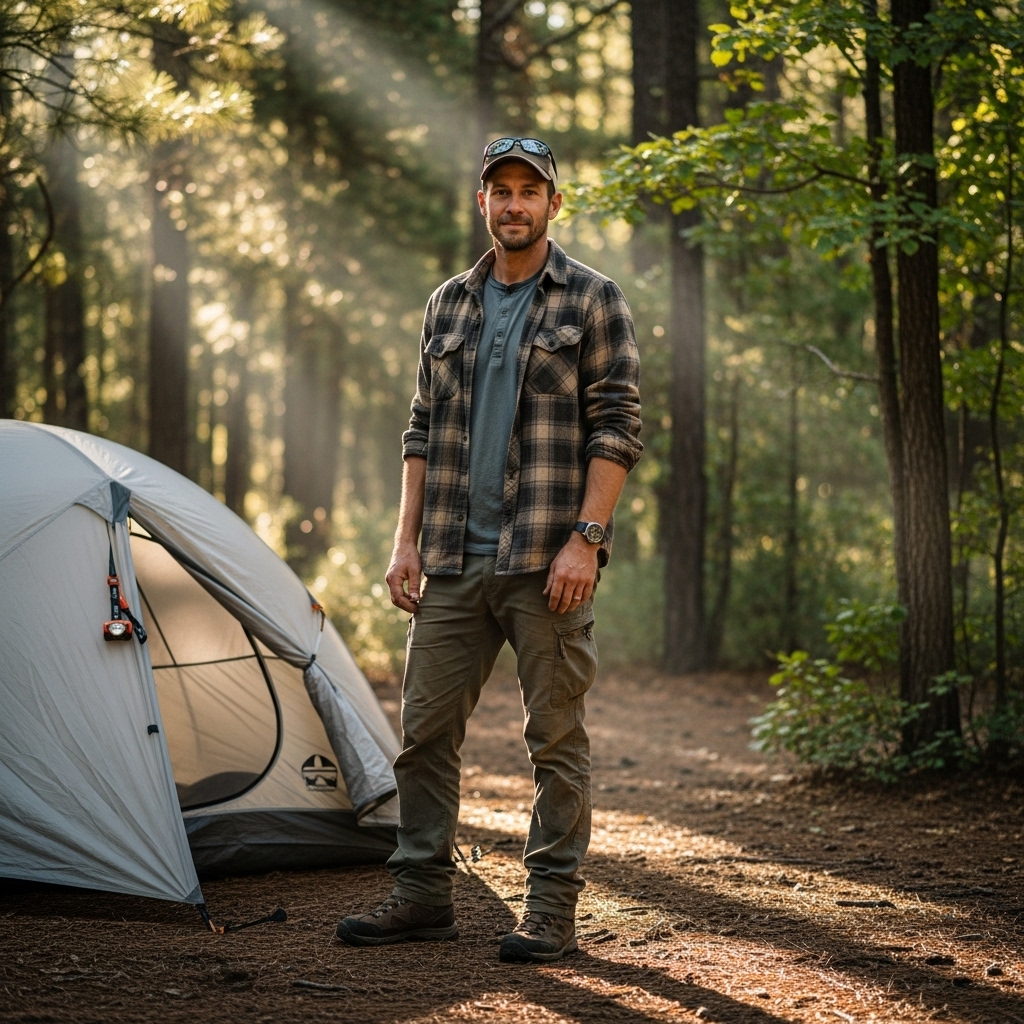

Pitching a shelter on solid bedrock, loose beach sand, frozen ground, or wooden campground platforms presents a common challenge for outdoor enthusiasts. Standard metal pegs either bend against hard stone or pull loose from shifting soil, leaving your living quarters unstable in shifting winds. Learning how to set up a tent without stakes gives you the flexibility to camp comfortably almost anywhere without compromising structural security. Freestanding tent architectures make this process far simpler because their pole frames maintain tension and interior volume independently.
Even with freestanding frames, an unanchored tent remains vulnerable to gusts that can shift its position or collapse structural corners. Applying appropriate anchoring strategies using local rocks, sandbags, heavy gear, or existing platform hardware keeps the shelter properly tensioned throughout your trip. Exploring modern tents designed for easy setup can also help you understand how different pole configurations behave across varied terrain. By matching your anchoring methods to the specific ground surface, you can protect your investment and maintain reliable weather protection during every excursion.


Pros
- Forged steel stake construction provides strong resistance against bending in hard, rocky, or compacted soil
- Hammer includes a non-slip rubber grip, safety wrist strap, and rear hook for extracting stubborn stakes
- Reflective strands in the 13-foot nylon guylines make guy-out lines easier to spot with a headlamp at night
- Supplied storage bag keeps dirty ground stakes and metal tools separate from tent fabrics inside a pack or vehicle
Cons
- Steel construction brings total package weight to roughly 1.32 pounds, which may be heavy for distance backpackers
- Smooth stake shaft design may offer reduced holding security in deep, loose beach sand compared to specialized sand anchors
- Clamp grip strength and exact storage bag fabric specifications are not detailed by the manufacturer
The Cyauatt 10-Piece Heavy Duty Tent Stakes and Camping Hammer Set is an anchoring accessory kit rather than a standalone shelter. Designed to replace or upgrade the basic wire pegs included with many entry-level camping tents, this bundle supplies the physical hardware needed to secure canopies, tarps, and tents against wind and ground movement. It is tailored primarily for car campers, family campers, and outdoor travelers who need durable ground hardware for structured campsites, lawns, and firmer terrain.
The core of the set features ten 10-inch forged steel stakes. Unlike lightweight aluminum or thin wire pegs that easily warp when driven into packed dirt, forged steel provides substantial resistance against deformation. Each stake is fitted with a fluorescent rubber circle near the head, intended to increase visual contrast and minimize tripping hazards around guyline perimeters after dusk. The stakes are paired with a 12.6-inch by 4.5-inch cast steel hammer. The hammer features a textured rubber handle for a non-slip grip, an attached safety wrist cord to prevent accidental drops during swings, and a dedicated rear extraction hook that slips through stake loops for leverage during strike-down.
For rigging and stability, the package contains four 13-foot nylon guyline ropes. These cords incorporate reflective threading that catches headlamp beams in the dark, paired with aluminum slider adjusters that allow campers to quickly tighten or slacken lines without knot-tying. Additionally, four plastic tent clamps are included. These clamps give users the ability to fasten tarps, create impromptu guy points on rainflies without grommets, or anchor canopy sidewalls against shifting breezes.
Transport and organization are handled by an included storage bag. The full package measures roughly 11.8 by 2 by 2 inches and weighs approximately 1.32 pounds. While the product listing mentions backpacking and hiking, carrying over a pound of steel hardware may conflict with ultralight backpacking priorities where gram-counting is critical. However, for vehicle-based campers, festival-goers, and walk-in campground visitors, the bundled bag neatly prevents sharp stake points and soil residue from damaging tent fabrics during transit.
A practical limitation involves ground compatibility. While the manufacturer lists suitability for beach and general soil use, long smooth-shafted metal stakes typically rely on soil friction; very loose, powdery beach sand generally requires wide-flange snow or sand deadman anchors to resist strong pullout forces. Furthermore, the listing does not document manufacturer warranty coverage or specific tensile ratings for the guyline cord and clamps.
For campers frustrated by bent factory stakes or looking for an all-in-one pitch kit, the Cyauatt set provides functional utility. It eliminates the need to source a hammer, guyline, adjusters, and stakes piecemeal. Campers heading to rocky campgrounds or windy lakefront sites will find the forged steel components a noticeable step up in rigidity compared to standard stock accessories.
The kit comes with one cast steel camping hammer featuring an integrated stake-pulling hook, rubber grip handle, and wrist safety loop.
It includes ten 10-inch forged steel tent stakes, each pre-fitted with a removable fluorescent rubber ring for nighttime visibility.
Four 13-foot reflective nylon guyline ropes are supplied, each equipped with an aluminum tensioning adjuster for straightforward line tightening.
Four fabric-gripping tent clamps and one dedicated tool storage bag are included to keep the entire collection organized and transportable.
The 10-inch stakes are manufactured from forged steel with an anti-rust treatment, giving them the structural density needed for driving into tough or rocky ground without bending.
Each guyline is crafted from nylon webbing woven with reflective strands, providing 13 feet of length to achieve broad anchoring angles that enhance tent stability.
The included metal tension adjusters hold line tension securely under steady tension, simplifying adjustments when nylon lines stretch in changing weather.
High-grade cast steel is utilized for the hammer head and extraction hook, while the shaft is wrapped in molded rubber for vibration dampening and slip resistance.
The tent stakes use forged steel construction designed for impact durability when struck repeatedly with heavy mallets or the included steel hammer.
Aluminum hardware is selected for the guyline adjusters to maintain structural strength at stress points without adding unnecessary weight to the cordage.
Practical Techniques for Securing Tents Without Ground Stakes
Securing a camping shelter without driving metal spikes into the ground requires an understanding of structural tension, surface friction, and alternative ballast. Whether you encounter granite slabs in alpine zones, powdery sand along coastlines, or engineered timber platforms at developed campgrounds, standard staking procedures often prove impossible. By shifting your approach from subterranean penetration to surface-level counterweights and natural tie-offs, you can create a rigid and reliable setup. The key lies in distributing tension evenly across your shelter frame and rainfly so that wind gusts do not distort the poles or dislodge protective fabrics.
Freestanding Versus Non-Freestanding Tents on Hard Surfaces
Tent architecture plays a decisive role in determining how easily you can pitch without stakes. Freestanding tents utilize dedicated pole systems that intersect and support the canopy completely on their own, allowing the tent body to hold its intended shape without external tension. These models remain popular for rocky and hardpack terrain because you can assemble the entire skeleton and move it around before finalizing your anchor points. In contrast, non-freestanding shelters, such as trekking-pole tents and traditional ridge designs, depend entirely on perimeter stakes to pull the fabric taut and keep the vertical supports upright.
If you must erect a non-freestanding shelter without ground penetration, you will need to replace every required stake placement with an equally rigid external anchor. This demanding requirement makes freestanding designs the practical standard for campers who anticipate pitching on solid stone, asphalt, or loose sand. Understanding these structural boundaries helps you evaluate whether your current gear can safely adapt to rocky terrain or if you should consider shelters with self-supporting pole hubs. Campers managing variable weather conditions often rely on heavy-duty water-resistant camping tents that integrate rigid geometric frames to resist deformation when traditional staking is unavailable.
Even with a self-supporting freestanding tent, leaving the corners and guylines unweighted creates significant risk during your stay. A sudden gust of wind can easily lift an empty tent, tumble it across abrasive terrain, and snap delicate aluminum or fiberglass pole segments. Even mild daytime breezes can cause the floor to slide across rough granite, creating microscopic abrasions that eventually compromise floor waterproofing. Therefore, while a freestanding shelter does not need stakes to stand up, it absolutely requires anchoring ballast to keep its position and weather protection intact.
The Big Rock, Little Rock Rigging Method on Solid Stone
Pitching on solid bedrock or slickrock prevents any type of ground penetration, making the traditional rock-weight technique an essential field skill. This time-tested rigging method creates an immovable surface anchor by using friction and counterweight rather than soil resistance. To begin, locate two stones for each corner loop and guyline: one small rock roughly the size of a fist, and one large boulder weighing at least twenty to thirty pounds. Ensure that the stones you select do not feature razor-sharp edges that could sever your synthetic cords under dynamic wind tension.
Tie your tent guyline or corner webbing securely around the smaller rock using a reliable knot such as a clove hitch or bowline. Next, set the small rock down at the intended staking distance, extending the cord so that proper tension pulls outward from the tent base. Once the small rock is positioned, place the much heavier boulder directly over the guyline cord just inside the smaller rock. The heavy boulder acts as a physical barrier that prevents the smaller rock from sliding inward when wind loads increase.
If individual boulders of sufficient mass are unavailable, you can substitute a collection of medium-sized stones stacked in a stable pyramid over the anchor line. Make sure to adjust the line tension using friction hitches or sliding cord adjusters after the weight is fully settled in place. Placing smooth fabric or a spare footprint scrap between abrasive rock surfaces and your cords can prevent friction wear during breezy nights. This counterweight method provides dependable holding power on granite slabs where driving a stake is structurally impossible.
Deadman Anchors for Loose Sand and Deep Snow
Loose substrates like coastal sand and winter snow present the opposite problem of bedrock, as stakes easily slide into the ground but immediately pull out under minimal line tension. The deadman anchor solves this by burying a wide horizontal object deep below the surface to utilize the sheer weight of the overlying material. Instead of relying on ground friction against a slender peg, you bury items such as thick branches, flat driftstones, specialized fabric snow pouches, or sturdy stuff sacks filled with substrate. The buried object distributes pulling force against a massive volume of compacted sand or snow.
To rig a deadman anchor, dig a trench at least twelve to eighteen inches deep positioned perpendicular to the direction the guyline pulls. Tie your cord securely around the center of your deadman object, using a girth hitch or clove hitch to balance the load evenly across both sides. Place the object horizontally into the bottom of the trench, and route the cord out through a narrow trough angled directly toward the tent. This angled trench ensures that the line pulls the deadman into the compacted subterranean wall rather than upward toward the surface.
Backfill the excavation completely, stomping down the sand or snow with your boots to compact the material firmly over the buried anchor. In coastal environments, dry surface sand behaves like fluid, so digging down to moist, packed layers significantly increases the holding capability of the system. For winter snow, allowing the compacted snow to settle and freeze for thirty minutes creates an exceptionally rigid anchor that rivals standard metal stakes. When it is time to break camp, simply dig out the buried items and fill the depressions to leave no trace.
Securing Guy Lines on Wooden Campground Platforms
State parks, alpine reserves, and established backcountry campsites frequently feature elevated wooden tent platforms to protect fragile root systems and minimize erosion. Driving standard metal pegs into these wooden planks is strictly prohibited because it permanently damages campground infrastructure and violates leave-no-trace ethics. Fortunately, the narrow gaps between platform floorboards offer an ideal structural framework for specialized anchoring hardware and improvised cords. Campers can secure corners and guylines cleanly without causing any harm to the timber decking.
Specialized fishbone anchors and spiral spring pegs represent the most efficient commercial tools for platform camping. These slender metal anchors slip vertically through the space between adjoining boards and rotate ninety degrees to lock horizontally against the underside of the lumber. Built-in spring mechanisms provide constant downward tension, keeping the anchor firmly engaged even when wind gusts slacken the guyline momentarily. If the platform boards are placed too tightly together for hardware insertion, you can drop thin loops of paracord between the cracks and thread a pencil, twig, or smooth wooden dowel horizontally beneath the platform as a toggle.
Platform perimeters also provide excellent natural tie-down points when board spacing makes interior anchoring difficult. You can extend your corner guy lines outward and wrap them securely around outer framing beams, platform joists, or supporting posts beneath the deck. Utilizing adjustable hitches allows you to fine-tune cord tension around these large structural elements without needing complex hardware. When coordinating shelters for multiple campers, exploring spacious outdoor tents for groups helps you understand how wider floor footprints interact with standard wooden platform dimensions.
Rainfly Separation and Vestibule Tension Without Ground Pegs
The most technical challenge of setting up a tent without ground stakes involves keeping the rainfly properly tensioned away from the breathable inner canopy. Tent rainflies require continuous outward tension to prevent waterproof coatings from resting directly against interior mesh or breathable fabric walls. When moisture from heavy rainfall or occupant breathing condenses on the underside of a sagging rainfly, contact between the fabrics causes moisture to seep directly into your living quarters. Achieving proper separation without standard perimeter pegs requires creative anchoring of vestibules and lower rainfly guy-out loops.
Vestibule doors and sidewall pullouts can be extended outward by anchoring their cords to natural terrain features rather than subterranean pegs. Tying vestibule lines to heavy stones, log branches, or nearby tree trunks pulls the fabric taut, creating the necessary air gap between the layers. If natural anchors are positioned too low to provide an optimal pulling angle, you can route the guyline over a sturdy forked stick propped upright like an artificial shear leg. This elevated redirect creates upward and outward tension simultaneously, maximizing interior vestibule space and keeping ventilation channels clear.
Ventilation ports built into the peak or sides of the rainfly must remain propped open with their integrated kickstands to maintain healthy airflow. Consistent air movement carries warm, moist breath vapor outside the shelter before it has the opportunity to condense on cold rainfly panels. When guy-outs cannot be stretched to full factory dimensions, adjust your rainfly vents and inner door mesh panels to compensate for reduced airflow. Diligent tension management keeps the weather-resistant envelope functioning properly, ensuring you stay dry and comfortable regardless of your anchor style.
Guy Line Hardware, Ballast, and Cordage Management
In situations where external anchors cannot be immediately established, internal ballast provides an immediate first line of defense against unexpected tent movement. Placing heavy personal gear directly inside the tent creates downward gravitational force that helps counteract aerodynamic lift. As soon as you assemble the pole skeleton and attach the inner canopy, transfer your loaded backpacks, duffels, and gear totes into the interior corners. Distributing this weight into the four perimeter corners stabilizes the floor fabric and prevents sudden drafts from flipping the structure.
Upgrading your external rigging kit with extra cordage, metal tension adjusters, and auxiliary clamps significantly expands your anchoring versatility. Standard factory guylines included with basic tents often lack sufficient length to reach distant boulders, platform rails, or shoreline driftwood logs. High-visibility reflective nylon lines prevent accidental tripping hazards at night while providing the tensile strength needed to secure shelters against heavy loads. Sliding cord adjusters allow you to tighten or loosen perimeter lines quickly without fumbling with complex knots in wet or freezing weather.
When pitching on hard asphalt, packed gravel, or paved recreational vehicle pads, commercial canopy weights and filled water bladders offer reliable stability. These modular weight systems attach directly to pole corners and guylines, duplicating the holding power of traditional ground stakes on impermeable surfaces. Periodically inspect your lines and counterweights throughout your stay to confirm that tension remains balanced across all structural corners. Adopting these thoughtful ballast and rigging practices ensures your tent remains secure, stable, and weather-ready wherever you choose to make camp.


Write Your Review
No reviews yet. Be the first to share your experience!