

Packing up camp at the end of a trip often feels like a race against time, especially when rain threatens or checkout hour approaches. Campers frequently shove collapsed poles into whatever bag is closest without wiping them clean or checking the internal tension cords. Knowing how to store tent poles correctly prevents unexpected fractures, snapped elastic cords, and damaged rainflies on your next outdoor adventure. Taking just a few extra minutes during takedown preserves the structural integrity of your entire shelter system.
Whether your setup uses lightweight aluminum arches for backpacking or burly steel uprights for spacious family camping tents, proper care keeps your gear field-ready. Dirt, residual moisture, and uneven tension quietly degrade materials while equipment sits inside a dark closet between outings. Storing your poles carefully also protects delicate tent fabrics from accidental punctures during transit. A consistent storage routine saves you from frustrating campsite surprises and costly gear repairs down the road.


Complete Guide to Storing and Protecting Tent Poles
Understanding the right way to care for your frame components ensures your tent pitches smoothly season after season. Tent poles endure substantial structural load, environmental exposure, and mechanical stress every time you pitch your campsite shelter. Neglecting them during the off-season leads to slack shock cords, stuck ferrules, and corrosion that can ruin an upcoming camping trip. Adopting a methodical routine protects your investment and keeps your tent standing strong against unpredictable wilderness weather.
Why Tent Pole Storage Directly Affects Shelter Durability
Tent poles function as the rigid skeleton of your outdoor home, holding fabric taut against wind and rain. When poles warp, crack, or corrode during storage, your entire tent loses its structural stability. Fabric can sag under moderate rain, allowing pooling water to stress seams and create interior leaks. Maintaining straight, resilient poles guarantees that the tent fly sheds moisture and wind as the manufacturer intended.
Internal shock cords also suffer quietly when owners store poles under improper tension or damp conditions. Most modern flexible pole sets rely on internal elastic cords to keep individual segments organized in sequence. If moisture seeps inside the hollow tubes, the elastic fibers degrade, loosen, or snap entirely. Replacing internal elastic in the field is a tedious chore that nobody wants to tackle after dark.
Metal surfaces can develop oxidation when stored in humid closets or non-breathable plastic wrappers. Aluminum poles can develop white powdery oxidation that freezes joint connections, while steel components can rust. When ferrules corrode, sliding segments together becomes nearly impossible without forceful twisting that risks bending the metal. Taking storage seriously prevents these silent mechanical failures from catching you off guard.
Cleaning and Drying Poles Before Off-Season Storage
Campers frequently pack up over damp grass, sticky loam, or gritty sand that clings to pole tips and joints. Leaving this grit inside the female joints scratches the protective anodized finish of aluminum tubes over time. Sand and dirt act like abrasive sandpaper every time you assemble or break down the pole structure. A simple wipe-down with a clean microfiber rag removes grit before it settles into tight crevices.
Warm water and a gentle cloth solve most surface grime without stripping metal finishes or protective coatings. Avoid using harsh chemical solvents, degreasers, or abrasive scouring pads that can eat away at rust inhibitors. If pole sections encountered saltwater near coastal campsites, rinse them thoroughly with fresh tap water to prevent pitting corrosion. Clean hardware guarantees that ferrules slide together smoothly without binding or scraping.
Complete drying represents the single most crucial step before sliding poles into long-term storage sacks. Trapped moisture inside hollow poles creates an ideal breeding ground for mildew, foul odors, and metal oxidation. Lay your pole segments across a clean towel in a ventilated room for several hours before final packing. Never pack damp poles away in airtight bags, especially if they share storage bags with coated synthetic fabrics.
The Proper Method for Collapsing Shock-Corded Poles
Most campers instinctively break down tent poles by working from one end straight to the other. This common habit stretches the internal shock cord unevenly across the length of the pole set. The elastic cord near the far end absorbs excess stretching tension, which gradually destroys its elasticity. Over time, the cord goes limp, making assembly sloppy and difficult when pitching dark-room camping tents in breezy conditions.
The correct technique begins by separating the pole right in the exact middle of the assembly. Fold the two halves together, and then break each section down from the middle of those halves outward. This center-out folding method distributes elastic tension equally across the entire cord length. It prevents extreme stress on the outer sections and prolongs the operational lifespan of internal elastic cords.
Never allow pole segments to snap or whip violently against each other during the collapsing process. Snapping hollow metal tubes creates small stress fractures and burrs along the delicate male ferrules. These small burrs can snag against tent pole sleeves, ripping expensive fabrics during setup. Gentle, deliberate folding keeps the tube rims smooth, round, and perfectly fitted for your next trip.
Handling Telescoping and Adjustable Upright Poles
Shelter systems often utilize adjustable uprights to pitch tarps, awnings, and porch extensions. Telescoping poles, such as heavy-duty aviation aluminum or steel designs, rely on internal friction locks or spring-loaded push pins. Grit and water easily enter the overlapping nested tubes during wind or heavy downpours. Storing telescoping poles without separating the nested segments invites internal jamming and galvanic corrosion.
Extend adjustable poles completely and wipe down every telescoping segment before putting them away. Check the push buttons, spring clips, and twist locks to make sure they operate smoothly without sticky resistance. If your poles use internal twist mechanisms, loosen the cams slightly so rubber expanders do not remain compressed during winter storage. Relieving internal friction lock pressure preserves the mechanism for dependable tension adjustments next summer.
Protecting rubber end caps and lightning caps prevents damage to your shelter fabric during future trips. Removable tips should be cleaned and inspected for cracks, splits, or lodged dirt pebbles. Storing adjustable poles in dry conditions preserves the integrity of both the metal tubes and rubber components. Storing them fully collapsed saves shelf space while keeping internal mechanisms shielded from dust.
Choosing Storage Bags and Protective Sleeves
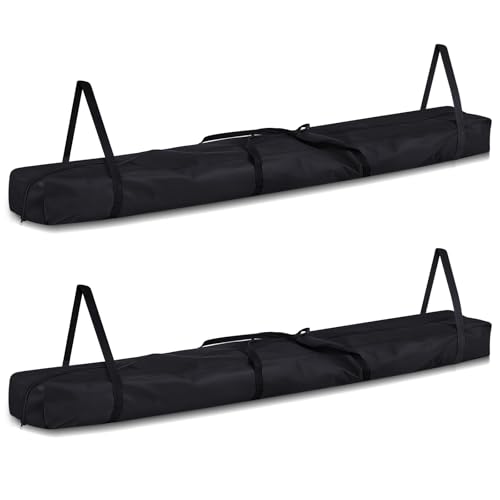
Standard tent bags often bunch poles, stakes, and fabric together in a tight, unpadded bundle. Upgrading to a dedicated pole sack made from durable Oxford cloth provides superior protection against physical damage. Heavy fabrics like 600D Oxford cloth with reinforced stitching resist tears caused by sharp metal tips and ferrule edges. Separate bags also prevent heavy metal components from abrading delicate tent fly coatings inside your pack.
Extra-long storage duffels and zippered pole bags offer practical benefits for large group tents and family shelters. Oversized bags allow you to organize main ridge poles, side uprights, and awning accessories without forcing zippers shut. Many campers find that dedicated bags with padded carry handles make transporting heavy pole bundles significantly easier. Look for dual zipper systems that open wide so you can slide long sections inside without awkward wrestling.
Breathability matters just as much as external durability when selecting a storage container. Avoid sealing metal poles inside airtight plastic tubes or waterproof PVC sacks that trap residual humidity. Water-resistant fabrics with breathable seams or subtle venting allow small amounts of ambient moisture to escape. Maintaining subtle air exchange around metal gear prevents mold and protects internal cord fibers from rotting.
Environmental Storage Conditions to Prevent Degradation
Temperature swings and excessive humidity in storage areas can quietly ruin reliable camping equipment. Attics frequently become stiflingly hot during summer months, which cooks and degrades internal rubber shock cords. Damp basements present the opposite problem, exposing metal components and storage sacks to persistent mildew risks. A climate-controlled indoor closet or spare bedroom provides the most stable environment for tent storage.
Keep your pole sacks elevated off cold concrete floors, which can transfer moisture through porous canvas or Oxford cloth. Concrete floors in unheated garages often collect condensation during sudden temperature shifts in autumn and spring. Placing gear on wooden shelves or inside plastic storage bins with loose-fitting lids provides effective barrier protection. Elevating your equipment also keeps it safe from curious pests looking for nesting materials.
Direct sunlight should never strike stored poles or their protective fabric carrying cases. Ultraviolet radiation weakens nylon cords, degrades synthetic storage fabrics, and fades colored coatings over time. Storing your gear away from sunny windows preserves the tensile strength of carrying straps and elastic cords. Consistent dark, dry, and cool conditions keep your entire gear assortment in prime condition.
Inspecting Ferrules, Shock Cords, and Tips Before Storage
Pre-storage inspection saves you from discovering bent metal or snapped parts at a remote campsite next year. Slide each ferrule joint together by hand to check for straight alignment and smooth entry. Look closely at the ends of female tubes to ensure they have not developed hairline splits from wind stress. Pitching reliable weather-resistant camping tents requires sturdy joints that lock flush without wobbling or slipping.
Test the elasticity of internal shock cords by pulling segments apart and releasing them gently. If the segments fail to snap back into position promptly, the cord has reached the end of its useful lifespan. Re-cording a tent pole takes only about twenty minutes with an inexpensive spool of marine-grade elastic cord. Completing this maintenance at home during the off-season ensures your tent functions effortlessly on opening day.
Inspect the pole end tips, grommet pins, and hub connectors for signs of excessive wear or deformation. Hub assemblies on dome tents experience heavy torque in high winds and can crack near connection sockets. If you notice cracked plastic hubs or bent aluminum locking pins, order replacement components from the manufacturer immediately. Addressing small mechanical flaws during storage downtime prevents minor issues from ruining future wilderness adventures.
Vehicle Packing and Transport Considerations
How you store poles during vehicle transit between trips plays a major role in overall gear longevity. Heavy coolers, storage bins, and camp stoves can crush thin-walled aluminum poles if tossed haphazardly into a vehicle trunk. Always place pole bags along the flat floor of your vehicle or nestled safely beside soft duffel bags. Never allow heavy luggage to rest directly on top of unsupported pole segments.
Consider whether rolling poles inside your tent body makes sense for your specific vehicle setup. While rolling poles inside the tent body provides a rigid core, sharp metal ends can pierce thin tent nylon if bumped roughly. Using a dedicated pole sleeve and placing the bundle next to your folded tent minimizes fabric abrasion risks. Dedicated sleeves also keep muddy tips isolated from clean rainflies and mesh tent canopies.
Securing poles on roof racks or truck beds requires specialized attention to weather exposure and vibration. Constant road vibration against metal roof basket rails can dent aluminum tubes and loosen friction locks on adjustable poles. Wrap pole bags in protective blankets or store them inside rigid rooftop cargo boxes when traveling on washboard dirt roads. Careful transport habits keep your tent framing straight, secure, and ready for rapid pitching.
Establishing a dependable storage routine protects your tent poles from bent ferrules, frayed elastic cords, and damaging corrosion. By cleaning grit, drying tubes completely, and folding segments from the center outward, you ensure reliable structural performance. Storing your gear in cool, dry indoor spaces guarantees your shelter remains ready whenever the outdoor season calls. Thoughtful equipment care preserves your investment and guarantees peace of mind under the stars.


Write Your Review
No reviews yet. Be the first to share your experience!