


Arriving at a campsite with shifting wind or rocky soil can quickly complicate your shelter setup if your ground anchors fail to hold. Learning how to use tent pegs correctly ensures your shelter remains taut, stable, and protected against sudden gusts throughout the night. A solid staking technique stabilizes the tent frame, maintains fabric tension, and stops rainflies from sagging against the inner canopy. When pitching in adverse conditions, using proper ground anchors is essential for a reliable weather-resistant camping tent setup that keeps moisture out.
Different ground conditions demand distinct stake designs and specific driving angles to achieve maximum holding power. Choosing between ultralight aluminum stakes, Y-beam anchors, or galvanized steel pegs depends heavily on soil density and wind exposure. By mastering the fundamentals of positioning, driving depth, and guyline tensioning, campers can prevent bent hardware and loose guylines. Understanding these staking principles will keep your campsite secure whether you pitch on soft forest loam or hard-packed gravel.


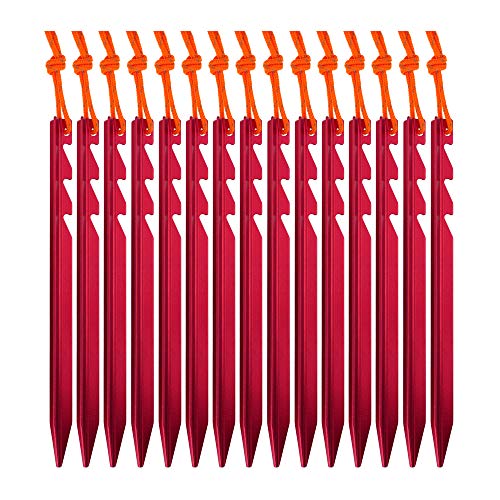

Pros
- Noticeably lighter than standard iron stakes at approximately 0.07 pounds each
- High-visibility orange color makes stakes easy to spot in tall grass, dirt, and dim lighting
- Included storage bag keeps dirty or pointed stakes safely contained away from tent fabric
- Crafted from rust-resistant metal for extended outdoor service in damp conditions
- Generous 12-pack quantity provides enough anchors for a complete family tent or multiple tarps
Cons
- The product listing does not state the exact metal alloy or grade used in construction
- At 7.1 inches with a straight profile, these pegs may offer limited hold in loose sand or deep snow compared to specialized anchors
The AVOFOREST 12-pack of 7.1-inch metal tent stakes serves as an anchoring accessory for outdoor camping shelters. It is suited for campers, hikers, festival attendees, and canopy owners looking to replace lost or flimsy stock wire pegs with more visible and durable metal alternatives. Because these are standalone ground stakes, they function as a universal accessory rather than a complete shelter system.
In terms of practical dimensions and weight, each stake measures approximately 7.09 inches in length by roughly 0.39 inches square and weighs 0.07 pounds. The manufacturer emphasizes this low weight compared to heavier iron utility stakes, which often weigh around 0.3 pounds each. This compact profile allows a camper to carry all twelve stakes in a backpack or duffel without adding unnecessary bulk to their gear kit.
Constructed from rust-resistant metal, these pegs are designed to resist bending in typical outdoor ground conditions better than thin plastic or low-grade wire stakes. A key design element is the bright orange coating, which provides strong visual contrast against grass, dirt, and sand. This visibility helps campers avoid tripping over guyout points around camp and makes finding stakes during morning pack-down much easier.
Using these stakes involves driving the 7.1-inch shaft into the ground at an angle to anchor tent base loops, guyline cordage, or tarp corners. The set includes a dedicated storage bag, which keeps pointed tips and residual campsite dirt from puncturing tent fabrics or dirtying other gear in transit. For routine care, wiping away excess dirt and allowing the stakes to dry before packing them into the storage bag is good practice.
While the manufacturer highlights high-strength and anti-rust metal properties, the specific metal alloy (such as an aluminum or steel variant) is not detailed in the product data. Additionally, straight 7.1-inch stakes are best suited for medium-density campground soils. Campers pitching shelters in loose beach sand, powdery snow, or rocky riverbeds will likely require specialized wide snow/sand anchors or heavy-duty steel rock pins instead.
For campers, backpackers, and outdoor enthusiasts seeking an affordable, lightweight backup or upgrade set of high-visibility stakes, this 12-pack provides straightforward utility. Shoppers should assess the typical soil conditions of their planned destinations to verify whether standard 7.1-inch straight metal pegs will provide sufficient anchoring hold for their setup.
The AVOFOREST stake set includes twelve 7.1-inch metal pegs designed to anchor tent corners, vestibule pull-outs, rainfly guylines, tarps, and shade canopies.
With a profile measuring approximately 0.39 by 0.39 inches across and 7.09 inches in length, these stakes are built for standard penetration in common lawn, forest floor, and packed dirt campsite soils. The vibrant orange exterior coating provides clear contrast against soil and turf to aid in campsite safety.
Each package contains twelve individual 7.1-inch orange metal tent pegs.
The set also comes with a dedicated storage bag designed to keep the stakes organized in one place, preventing metal edges from rubbing against delicate shelter fabrics during transport.
Mastering Tent Peg Placement, Angles, and Anchoring Techniques
Securing a tent firmly to the ground requires more than just pushing metal spikes into the dirt. A well-driven tent peg acts as a mechanical anchor, countering tension from wind gusts, taut fabric, and guyline pull. When ground anchors are positioned with proper geometry, the shelter maintains structural integrity even when sudden gusts push against broad vestibules or rainfly panels. Understanding how soil conditions interact with specific stake shapes allows campers to construct a dependable anchor system at any campsite.
The Mechanics of Staking Angles and Ground Resistance
The angle at which you drive a stake directly dictates its resistance against pulling forces. Staking a peg vertically at a ninety-degree angle often leads to rapid failure because horizontal tension from the tent fabric can easily lever the spike forward through soft surface soil. Instead, tent pegs should be driven into the ground at an angle of roughly forty-five to sixty degrees leaning directly away from the tent or guyline. This backward tilt forces the pull of the cord to pull against the entire column of soil behind the peg rather than merely displacing the topsoil.
Ground resistance relies on both the surface area of the anchor and the shear strength of the compacted earth surrounding it. When tension increases during strong winds, a correctly angled peg converts the lateral pulling force into downward friction along the shaft. If a stake is tilted toward the tent, the guyline simply pulls the peg along its insertion path, allowing it to slide free with minimal resistance. Maintaining a consistent sixty-degree angle away from the shelter ensures that wind forces compact the soil around the anchor rather than loosening it.
Step-by-Step Procedure for Driving Tent Pegs into the Ground
Begin by laying out your tent footprint or body and identifying the primary corner webbing loops. Clear away surface debris such as loose pine needles, decaying leaves, and loose stones from each staking location to expose solid mineral soil. Pull the tent floor outward diagonally until the fabric is taut and square across all corners before placing your first stake. Setting opposing corners in pairs helps maintain an even rectangular or dome geometry without creating uneven wrinkles across the floor basin.
Position the tip of the tent peg through the webbing loop or grommet cord at the recommended backward angle. Push the stake into the ground using steady hand pressure or the heel of a sturdy boot if the soil is relatively soft. If the terrain is compacted, use a dedicated camping mallet or a flat, smooth rock to tap the head gently. Strike the center of the stake head squarely with moderate force rather than swinging violently, as excessive impact can easily deform aluminum or steel shafts.
Drive the peg deep enough so that only the hook, notch, or attachment head remains exposed above ground level. Leaving several inches of the shaft protruding creates unnecessary leverage that can cause the stake to bend or pry out under tension. Once the stake is fully seated, hook the webbing loop or guyline securely under the retention lip to prevent it from slipping upward. Verify that the line remains captive and that the stake feels completely solid when tugged gently along the direction of tension.
Matching Peg Profiles and Materials to Soil Types
Standard ground stakes come in various shapes and alloys, each engineered to perform under specific soil densities. Ultralight options like the Sea to Summit Ground Control Ultralight Tent Pegs utilize a TriPoint shape crafted from 7075-T6 aircraft alloy to offer an impressive strength-to-weight ratio in mixed backcountry terrain. The wide front face maximizes holding surface in looser dirt, while the rigid spine prevents flexing when entering dense ground. Backpackers benefit from this geometry because it provides dependable anchoring without adding excessive trail weight.
In hard-packed clay, gravel, or rocky earth, slender rod designs and heavy-duty steel spikes offer superior penetration compared to wide stakes. Hexagonal rod stakes, such as the Tent Pegs – 12Pcs Aluminium Tent Stakes Pegs from FANBX F, feature a six-millimeter diameter that slips between subterranean stones more easily than broad flanged anchors. For heavily compacted vehicle campsites, galvanized steel stakes like the TEOYNGU 12-Pack Heavy Duty Camping Tent Stakes provide the necessary structural rigidity to resist impact forces. The manufacturer instructions for those steel stakes recommend inserting them at a sixty-degree angle and gently tapping the large flat head into place.
Loose loam and standard forest turf often call for multi-flanged profiles that grip softer earth effectively. Three-sided Y-beam anchors, such as the AnyGear 15 Pack Lightweight Aluminum Tent Stakes, distribute tension across three distinct contact blades for enhanced holding power. Similarly, long deep-anchor spikes like the 12 Pack Tent Stakes Heavy Duty Camping from AVOFOREST feature a seven-point-one-inch shaft that reaches deeper, firmer ground beneath soft topsoil. Brightly colored coatings, such as high-visibility orange, also help prevent lost gear and reduce tripping hazards around the perimeter of the shelter.
Managing Guylines, Guyout Angles, and Multi-Notch Attachments
Proper guyline configuration stabilizes the upper tent poles and prevents the rainfly from pressing against the breathable canopy during rainstorms. Extend each guyline directly outward in line with the seam it supports, positioning the peg several feet away from the tent base to maintain an optimal low-angle pull. Lower pull angles distribute lateral wind shear more effectively into the ground compared to steep lines anchored close to the tent wall. When pitching spacious outdoor tents for group trips, securing every perimeter guyout point becomes critical due to the large wind profile presented by tall tent walls.
Some technical stakes provide integrated attachment points at varying heights along the spine. Pegs featuring multiple notches, such as the Sea to Summit Ground Control design, allow campers to hook guy cords lower down the shaft closer to ground level. Anchoring the cord near the surface significantly reduces rotational torque on the peg, keeping it firmly seated even when wind gusts shake the shelter. Adjust the tension using line sliders or trucker hitch knots so the rainfly remains taut without distorting the underlying pole structure.
Common Staking Mistakes and How to Prevent Failures
One of the most frequent errors at the campsite is pounding stakes straight down at a ninety-degree angle into the earth. When wind pulls horizontally on a vertical peg, the shaft easily levers loose, enlarging the hole until the anchor pulls completely free. Another common issue involves angling the stake forward toward the tent body instead of backward. This backward orientation error allows guylines to simply slide the peg upward out of the ground when tension peaks during windy weather.
Applying excessive force with heavy hammers or jagged boulders frequently ruins lightweight aluminum hardware. If a peg stops advancing after a few inches, it has likely struck an underground rock or thick tree root rather than stubborn dirt. Forcing the stake deeper in this scenario will either mushroom the head or permanently bend the shaft. Pull the peg out, shift the insertion point a few inches laterally, and attempt to drive it again at the correct angle.
Campers also frequently struggle when pitching modern easy setup tents by forgetting to tension the corners before staking the rainfly. Leaving the inner floor loose results in an uneven pitch that compromises both ventilation and floor waterproofing. Furthermore, leaving several inches of stake shaft exposed above the dirt creates a trip hazard and increases rotational leverage on the anchor. Drive each peg flush or near flush with the ground, and use reflective pull cords to enhance nighttime visibility around high-traffic paths.
Safe Extraction, Cleaning, and Field Maintenance
Extracting tent pegs improperly can cause as much hardware damage as driving them into rocky terrain. Never yank on tent corner webbing or fragile guyline cords to pull a stubborn stake out of hard ground, as this can tear stitching or fray lines. Instead, use the hook of another stake, a dedicated peg puller, or an attached reflective pull loop to apply straight upward force along the angle of insertion. If the peg remains trapped in dry clay, tapping the sides gently can break soil suction before lifting.
Field maintenance prolongs the functional life of metal camping hardware and prevents corrosion over time. Wipe away damp soil, mud, and organic debris from the shafts before packing stakes into their storage pouch. Galvanized steel and anodized aluminum resist moisture well, but storing wet stakes inside a damp tent bag can promote oxidization or damage delicate tent fabrics. Inspect each peg for bends or hairline fractures, and retire damaged stakes that can no longer withstand tension safely.
Field Modifications for Difficult Ground and Harsh Weather
When pitching on sandy beaches, deep snow, or loose river scree, traditional pegs may fail to find sufficient soil resistance. In loose ground, placing a large, flat rock directly over the head of a driven stake adds substantial downward mass that helps hold the anchor in place. Alternatively, campers can employ the deadman anchoring technique by tying the guyline around the center of a buried peg, branch, or stone and burying it horizontally beneath packed earth. This approach utilizes the collective weight of the buried ground to resist pulling forces.
In extremely hard or rocky terrain where stakes penetrate only an inch or two, double-pegging provides temporary stabilization. Drive two stakes side-by-side in a crisscross or tandem arrangement, or wrap the guyline around a heavy boulder after securing the loop around the peg head. Always inspect your anchors before going to sleep and after heavy wind events to verify that pegs have not loosened or shifted in saturated soil. Adjusting tensioners periodically ensures that your shelter remains taut, quiet, and fully weatherproof throughout your stay.
Mastering proper staking geometry and matching your pegs to the campsite terrain keeps your shelter secure under demanding outdoor conditions. Verifying that every stake is angled away from the shelter, fully seated, and cleanly cleared of tripping hazards protects both your equipment and your camping companions. By pairing reliable driving habits with appropriate care and inspection, campers can trust their tent anchors to withstand changing winds and shifting ground season after season.


Write Your Review
No reviews yet. Be the first to share your experience!