
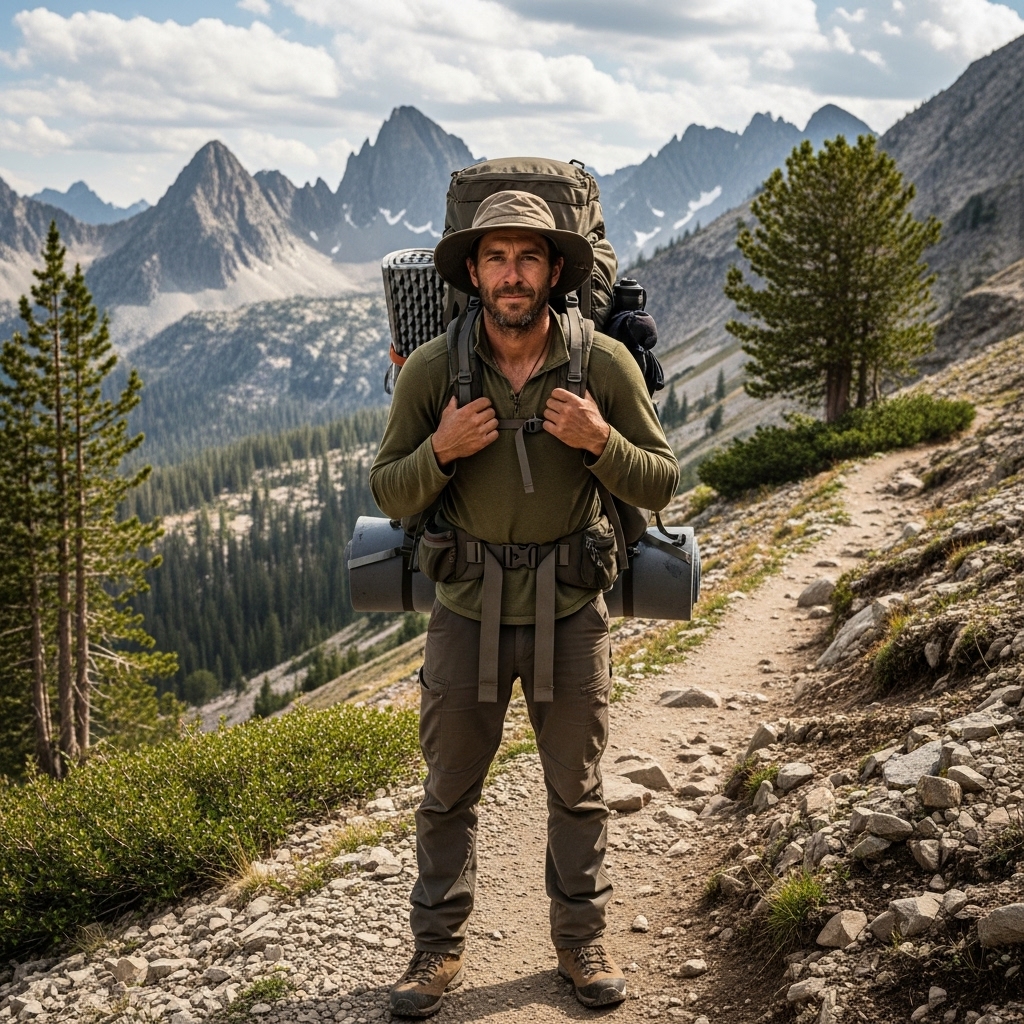

Planning a warm-weather weekend outdoors often brings up questions about seasonal shelter ratings and reliable weather protection. Campers evaluating gear for mild summer forecasts frequently ask what is a 2 season tent and how it differs from traditional multi-season models. In outdoor terminology, a two-season shelter is engineered specifically for late spring and summer use under mild conditions. These shelters prioritize exceptional ventilation and compact pack sizes over structural reinforcement against heavy storms.
A warm-weather shelter focuses heavily on wide mesh canopies and breathable wall fabrics to keep sleepers comfortable during hot summer nights. While these lightweight designs serve festival campers and calm weekend outings well, trips requiring extra living room or durability in unpredictable forecasts may call for spacious outdoor tent options built for varied terrain. Understanding the exact strengths and structural boundaries of a two-season build ensures you select the right shelter for your upcoming outdoor itinerary. Proper shelter choice prevents unexpected condensation buildup and protects your gear when conditions shift.

Pros
- Roll-up snow skirt offers genuine multi-season flexibility for both winter conditions and warm-weather trips
- Heavy-duty PU5000mm waterproof rating provides peace of mind during sustained rainfall
- Stout aluminum pole architecture is much more reliable in strong winds than cheap fiberglass frames
- Roomy interior footprint comfortably accommodates two regular sleeping pads with room to spare
Cons
- Total weight of 5.73 pounds is somewhat heavy for ultralight solo thru-hikers
- Vestibule storage is modest, requiring organized gear staging when shared by two adults
- Included ground stakes may need an upgrade for frozen ground or deep powdery snow
The Underwood Aggregator 2-Person 4-Season Tent is an adaptable all-weather shelter engineered for campers who refuse to let dropping temperatures end their outdoor adventures. Designed specifically for backpackers, cold-weather hikers, weekend warriors, and budget-conscious outdoor enthusiasts, this shelter aims to provide reliable four-season shelter without the steep investment typically associated with mountaineering gear. Whether you are trekking into crisp autumn woods, pitching near an alpine lake, or car camping during an early winter cold front, this tent provides practical protection across changing seasons.
Weather protection stands out as the primary advantage of this shelter. Featuring an impressive PU5000mm waterproof coating on its full-coverage rainfly, it easily sheds sustained rainstorms and wet snow flurries. The integrated perimeter snow skirt is a standout feature for sub-freezing outings, effectively blocking drafty gusts and drifting snow when extended. When camping in warmer spring and summer conditions, the snow skirt rolls up neatly to expose mesh panels that encourage airflow, helping manage condensation and maintain interior comfort through muggy nights.
Structural strength comes from aircraft-grade aluminum poles coupled with Duraflex hardware and double-layered corner reinforcements. This rigid framework holds firm against shifting winds on exposed ridges where standard fiberglass poles often bend or split. Inside, the tent offers a generous 59.1 by 86.6-inch floor plan and a 45.3-inch peak height, allowing two campers to sit up comfortably without brushing against the ceiling fabric. Practical touches like a centered lantern loop, internal storage pockets for phones and headlamps, and snag-resistant two-way zippers enhance overall camp livability.
Setting up camp after a long hike or in fading evening light is straightforward thanks to the freestanding pole structure and clip-on canopy design. Once packed into its included carry sack, the tent measures a compact 16.54 by 5.9 inches. At 5.73 pounds, it is manageable for short backcountry trips, split between two hikers, or stashed effortlessly into an overland rig or car trunk for weekend escapes. Cleaning and maintenance are simple, requiring only a gentle wipe-down with fresh water and complete air drying before long-term storage to preserve the polyurethane waterproof coating.
While the tent handles varied weather remarkably well, prospective buyers should recognize realistic trade-offs. Ultralight thru-hikers covering massive daily mileage might find the total trail weight slightly hefty for solo trekking. Additionally, the standard ground stakes work adequately in typical soil but may require sturdier snow stakes for deep winter drifts. For budget-minded adventurers, couples tackling three-to-four-season trips, and car campers seeking dependable storm protection, this shelter delivers a balanced mix of durability, wet-weather defense, and affordable multi-season value.
An aggressive PU5000mm waterproof coating shields the full-coverage fly against driving rain, sleet, and wet snow, keeping the living quarters dry through prolonged storms.
The adaptable snow skirt seals the base against biting cold drafts and blowing powder in sub-freezing temperatures, yet fastens upward when mild weather calls for maximum cross-ventilation.
The freestanding aluminum pole structure allows for fast, intuitive assembly, making it easy to pitch shelter quickly even if you arrive at your campsite after dark.
Duraflex buckles and swift-clipping hooks streamline both setup and breakdown, allowing the entire system to pack neatly back into its compact 16.5-inch carry sack.

Pros
- Freestanding dome construction allows easy repositioning on a campsite before staking
- Snag-free pole sleeves and shock-corded poles help streamline the pitching process
- Rainfly features both a back window and a dedicated cool-air vent to assist with airflow
- Coated polyester fabric and welded floor seams provide foundational moisture resistance
- Included carry bag keeps poles, stakes, and tent fabric neatly contained in one package
Cons
- Total weight of roughly 6.1 pounds is relatively heavy for dedicated long-distance backpacking
- The 60-inch interior width leaves minimal space for packs and gear when shared by two adults
- Listing does not state specific fabric denier, pole material composition, or hydrostatic head ratings
The Amazon Basics 2-Person Dome Camping Tent is a freestanding, three-season shelter engineered for straightforward outdoor camping, car camping, and short walk-in site use. Built around a classic two-pole dome architecture with an orange and grey polyester canopy, this model targets first-time campers, weekend travelers, solo adventurers desiring extra room, and couples looking for a budget-friendly shelter for mild weather excursions.
Regarding interior dimensions and practical layout, the manufacturer lists a floor plan measuring 84 inches long by 60 inches wide (7 feet by 5 feet) alongside a 45-inch center peak height. While the tent is designated to accommodate two adults, realistic usable space depends on the sleeping gear chosen. Two standard sleeping pads will take up nearly the entire 5-foot width, leaving little to no open floor area for bulky duffels or backpacks inside. At a documented weight of approximately 6.1 pounds, the tent is compact enough to throw into a car trunk or carry short distances, though weight-conscious backpackers will find it bulkier than specialized ultralight trail shelters.
The physical design relies on shock-corded poles that feed through continuous, snag-free sleeves over the tent body, with the manufacturer noting assembly can be finished in under four minutes. Because it is completely freestanding, you can pitch the primary frame on a level surface and rotate or reposition it before driving stakes. Weather-oriented features include water-resistant coated polyester fabric and welded seams along the floor to help block ground moisture. For airflow, the removable rainfly includes a back window opening and a dedicated ground-level cool-air port, while an interior mesh storage pocket provides off-the-floor organization for small gear like headlamps and keys.
For transport and long-term care, the shelter packs down into an included compact carry bag alongside the poles and stakes. As with any synthetic camping shelter, keeping the tent in good operating condition requires allowing the polyester body and rainfly to dry thoroughly before long-term storage to prevent mildew formation and fabric degradation. Routine maintenance involves cleaning dirt away from zippers, gently wiping the coated floor, and checking the condition of seams and shock cord after each outing.
Buyers should also be aware of several limitations and unstated technical details. The listing does not specify the pole material, such as whether they are fiberglass or aluminum, nor does it provide a measured waterproof hydrostatic head rating or fabric denier specification. While the coated polyester and welded seams offer basic resistance against light moisture, the manufacturer does not document performance in heavy downpours, strong winds, or cold winter conditions. Furthermore, the tent lacks an external covered vestibule, meaning damp boots and exterior packs must either be brought inside or kept in a vehicle.
Ultimately, this Amazon Basics 2-person dome tent serves well as an accessible, entry-level shelter for warm-weather car camping, festivals, and relaxed campground trips. Solo campers will appreciate having ample floor space for a wide sleeping pad and full duffel bag, whereas two adults should carefully weigh the compact 60-inch width against their gear storage needs. Shoppers planning alpine hikes, four-season trips, or exposed backcountry camps should look toward specialized tents with documented high-wind frames and certified waterproof ratings.
Pitching this dome tent is centered around two shock-corded poles that run through continuous, snag-free fabric sleeves across the upper canopy. The freestanding structure holds its shape without immediate anchoring, giving campers the flexibility to test different orientations on the campsite before staking down the corners.
The interior layout measures 7 feet by 5 feet, offering an 84-inch length that accommodates standard adult sleeping bags. The 45-inch center height provides enough vertical clearance for most campers to sit up comfortably while changing. A built-in interior mesh wall pocket keeps small necessities like phones, glasses, or pocket lights easily accessible and off the sleeping surface.
Designed for three-season conditions, the tent shell is constructed from water-resistant coated polyester with welded seams engineered to help prevent moisture from seeping through the floor junctions. The removable rainfly installs over the roof to provide overhead protection during damp weather while remaining easy to detach when campers prefer clearer night views and open ventilation.
Airflow management is built directly into the rainfly design through an integrated rear window and a low-profile cool-air port. This arrangement encourages convective ventilation by drawing cooler air in near the ground and letting warmer air escape, which helps reduce condensation buildup on the interior tent walls during humid nights.

Pros
- Durable 7001 aluminum poles provide significantly better wind flex and longevity than entry-level fiberglass frames.
- Dual doors and dual vestibules streamline gear organization and midnight exits for two campers.
- Compact packed dimensions of 16.9 x 5.9 x 5.9 inches fit neatly inside standard hiking backpacks or motorcycle panniers.
- Complete accessory bundle includes 10 aluminum stakes, 2 wind ropes, rainfly, tent body, and a dedicated carry bag.
Cons
- Total weight of 4.72 pounds is slightly hefty for dedicated ultralight thru-hikers tackling long-distance trails.
- Interior floor width of 55 inches fits two standard 20-inch or 25-inch sleeping pads snugly with little leftover floor room.
- PU2000mm coating is designed for standard three-season rain but is not rated for heavy winter snow loads.
The BISINNA 2-Person Camping Tent is an accessible three-season, freestanding shelter designed to balance trail packability with dependable outdoor protection. Tailored for hiking pairs, solo backpackers who appreciate extra room for gear, weekend car campers, and scout troops, this tent delivers a fully featured setup without the premium price tag. Built with a packed weight of 4.72 pounds and a packed footprint of 16.9 by 5.9 by 5.9 inches, the entire kit fits comfortably inside an internal frame backpack, a kayak dry hatch, or a crowded vehicle trunk.
Inside the shelter, the sleeping floor measures 82.7 inches long by 55 inches wide, accompanied by a comfortable peak height of 47.2 inches. This footprint provides ample length for taller campers and accommodates two standard sleeping pads side by side. What elevates its liveability are the two integrated vestibules, extending 23.6 inches out on either side to bring the total footprint width to 102.2 inches. These exterior covered zones keep damp boots, trekking packs, and muddy camp gear protected from the elements while preserving valuable interior floor space.
Weather resistance is anchored by a full-coverage rainfly constructed from 190T polyester taffeta treated to a PU2000mm water-resistant rating. Paired with factory-sealed seams, the fly effectively repels three-season rainstorms and shields against brisk morning winds. The inner canopy combines matching 190T polyester taffeta with generous sections of B3 no-see-um mesh. This dual-layer construction facilitates steady airflow between the mesh canopy and the flysheet, actively venting warm, humid breath to reduce condensation buildup while preventing bugs and midges from entering.
Structural integrity is maintained by two lightweight 7001 space-grade aluminum poles. Unlike brittle fiberglass poles that can splinter under pressure, aluminum offers resilient flex memory and superior wind resistance during sudden gusty conditions. Pitching the tent is straightforward thanks to its intuitive freestanding dome geometry. A single camper can insert the shock-corded aluminum poles into corner grommets, clip the inner tent to the frame, and secure the rainfly in less than ten minutes. The included ten aluminum stakes and two wind ropes provide secure anchor points in soft dirt and gravel.
While the BISINNA 2-Person Tent provides solid utility for general outdoor use, buyers should evaluate a few practical trade-offs. The 4.72-pound weight is reasonable for weekend outings, but ultralight backpackers may find it heavy unless split between two hikers. Furthermore, the 55-inch interior width leaves minimal margin when two wide sleeping pads are placed together. For weekend warriors, festival goers, kayak tourers, and budget-conscious backpackers looking for a dependable, aluminum-poled three-season shelter, this tent represents an exceptionally practical purchase.
Pitching the BISINNA 2-Person Tent is an intuitive process made simple by its freestanding two-pole architecture. Because the inner tent connects to the 7001 aluminum poles using quick-attach clips rather than cumbersome fabric sleeves, one camper can assemble the inner canopy in roughly five minutes. Once the frame is assembled, the rainfly snaps into place over the structure, where adjustable buckles allow you to tension the flysheet quickly against shifting weather.
Takedown is equally streamlined, requiring only the release of the pole clips and corner grommets before rolling the fabric around the folded poles. The compact 16.9 by 5.9 by 5.9-inch carry bag offers sufficient clearance, meaning you do not have to struggle with millimeter-precise folding to pack the tent away after a weekend of camping.
The BISINNA tent is engineered for dependable three-season performance, utilizing a 190T polyester taffeta rainfly with a PU2000mm hydrostatic head rating. This level of water resistance is well-suited for typical spring showers, summer downpours, and fall breezes, keeping interior living areas dry when properly staked out.
Wind resistance is bolstered by the 7001 aluminum frame, which bends to absorb wind pressure rather than snapping. By securing the two included wind guylines and anchoring the ten alloy stakes at the base, the structure remains stable during blustery lakeside or mountain campsite conditions. The combination of high-density B3 no-see-um mesh and double vestibule openings ensures consistent airflow, mitigating condensation accumulation along the inner walls on damp nights.

Pros
- Manageable 4.8-pound total weight fits backpacking, canoe camping, and trunk storage
- Documented 3000mm waterproof rating on silicone-finished nylon provides reliable rain protection
- Dual-pole crossing dome layout offers an intuitive, uncomplicated pitch for solo setup
- Inner mesh walls facilitate air circulation to help reduce internal condensation in humid weather
- Comes with essential pitching accessories including 10 stakes, 4 guy-lines, and a carry sack
Cons
- Floor width of 49.2 inches creates tight sleeping quarters for two adults using wide sleeping pads
- Listing does not document exterior vestibule dimensions or covered outdoor gear storage
- Inner mesh design provides good ventilation but may offer limited thermal retention in severe winter freezes despite the 4-season label
The OneTigris Stella is a freestanding dome-style shelter built for two occupants, designed specifically for backpackers, bushcrafters, and campers seeking a balance between packability and weather coverage. Structured around a traditional two-pole dome frame, the system combines an inner mesh-accented tent body with a full-coverage, removable blackout rainfly. With a listed total package weight of 4.8 pounds (2.2 kg), it appeals to hikers planning multi-day trail excursions as well as car campers looking for a streamlined, low-bulk sleep system.
Regarding interior dimensions, the Stella provides a floor footprint measuring 82.7 inches long by 49.2 inches wide (approximately 6.9 by 4.1 feet), with an interior peak ceiling height of 45.2 inches (3.7 feet). While officially designated as a two-person shelter, a floor width just over four feet means two standard 20- to 25-inch sleeping pads will occupy virtually the entire floor width edge to edge. Solo adventurers will find plenty of room to spread out alongside their pack and apparel, whereas pairs should anticipate snug sleeping quarters with limited interior staging room for bulky bags.
The tent uses a straightforward pitch design relying on flexible poles that cross diagonally over the top of the canopy and anchor securely into corner floor points. The inner tent body incorporates 20D nylon combined with ventilated mesh panels to promote consistent airflow and reduce interior humidity. Over the frame, the removable 20D nylon fly features a single-layer silicone coating designed to deliver a 3000mm waterproof barrier against driving rain, while the floor uses a more durable 40D nylon construction to resist ground moisture and rough campsite debris.
Portability is a central focus of the Stella, with the complete kit collapsing into an included storage bag measuring 21.7 inches long by 6.3 inches in diameter. Alongside the tent body, outer fly, and poles, the manufacturer bundles ten ground stakes and four 8.2-foot (2.5-meter) guylines to tension the shelter against winds. At under five pounds, the packed package can easily lash to an external backpack strap or stow inside most trekking packs, making it practical for weekend hike-ins, bike touring, or keeping in a vehicle for spontaneous overnight trips.
Campers evaluating the Stella should consider a few functional trade-offs inherent to its compact footprint. Although labeled by the manufacturer as a 4-season tent, the extensive mesh inner construction is primarily geared toward ventilation and moisture control rather than insulating against freezing winds or supporting heavy snow loads. Furthermore, the product documentation does not detail vestibule floor space or exterior covered porches, meaning muddy boots and oversized trekking packs may need to sit inside the sleeping compartment or under separate outdoor cover.
Ultimately, the OneTigris Stella is best suited for solo hikers wanting extra personal space or weight-conscious camping duos who prioritize straightforward assembly and moderate pack weight. When comparing this model to alternative two-person shelters, buyers should weigh the reliable 3000mm silicone-coated waterproof rating and bundled rigging hardware against the narrow floor width. For three-season backpacking, light bushcraft outings, and minimalist weekend trips, it stands as a capable and compact shelter option.
The OneTigris Stella features a setup floor measuring 82.7 inches in length and 49.2 inches in width, accompanied by an interior peak height of 45.2 inches. These dimensions yield roughly 28 square feet of sleeping area, which comfortably accommodates two standard 20-inch sleeping pads side by side.
While rated for two occupants, campers using wider 25-inch pads will find that the gear covers the entire floor width without leftover margins. For solo travelers, the tent functions as a very spacious single-person shelter with ample dry floor area to organize packs, electronics, and clothing away from the elements.
Moisture protection on the Stella centers around a 20D nylon outer fly treated with a single-layer silicone coating that delivers a manufacturer-stated 3000mm waterproof rating. This level of hydrostatic head is designed to shed moderate-to-heavy rainfall when properly pitched and guyed out.
Underneath, the floor is fabricated from a heavier 40D nylon to guard against damp ground conditions. The fly also incorporates blackout properties to minimize morning glare, while the inner mesh walls assist in circulating air and mitigating interior condensation buildup during humid nights.
Weighing in at 4.8 pounds (2.2 kg) complete with its poles, stakes, and storage sack, the Stella sits in an accessible weight class for short backpacking trips, kayak camping, and light trail use. The total packed package measures 21.7 inches long by 6.3 inches in diameter.
The package includes ten aluminum-style ground stakes and four pre-cut 8.2-foot guylines, ensuring campers have the necessary hardware out of the box to pitch the tent securely on turf, soil, or maintained campground tent pads.


Pros
- Blackout fabric provides effective light reduction for campers sensitive to early morning sunrise
- High manufacturer waterproof ratings of PU3000 for the outer shell and PU5000 for the floor
- Full perimeter snow skirt aids in blocking wind, drafts, and blowing snow in winter conditions
- Two doors and dual 24-inch vestibules offer convenient access and separate exterior storage for two occupants
- Two-pole aluminum freestanding setup keeps assembly simple and structural parts lightweight
Cons
- Listed weight between 7.5 and 7.7 pounds is relatively heavy for extended solo backpacking trips
- Specific fabric type and fabric denier are not detailed in the manufacturer specifications
- Minor discrepancy in listed product weight between the feature bullets and specifications table
The GEERTOP 2-Person Blackout Camping Tent is a freestanding, double-wall shelter designed for multi-season outdoor use, distinguished by its light-blocking shell and cold-weather design elements. Built with aluminum poles and an integrated snow skirt, this tent may suit solo campers wanting generous personal space, couples comfortable sharing compact quarters, or campers who prioritize daytime sleeping and darkness in their shelter. Because it combines heavier protective coatings with a four-season profile, it functions well for vehicle-supported camping, walk-in campgrounds, and cold-weather outings.
Regarding interior volume, the manufacturer lists dimensions of 82.6 inches in length, 55 inches in width, and a peak interior height of 45 inches. While rated for two people, practical space will depend on the width of your sleeping gear. Two standard sleeping pads will occupy most of the floor width, leaving minimal extra space inside the tent body. To help offset this, the tent provides two entry doors and two small vestibules that extend 24 inches outward, offering dedicated, covered space to stow footwear and packs outside the sleeping area.
The structural layout relies on a freestanding two-pole configuration using lightweight aluminum poles. The manufacturer notes a simple pitch process that can be completed in roughly 5 to 8 minutes. The outer fly includes a full-coverage snow skirt around the perimeter, engineered to keep cold winds and drifting snow from blowing underneath the rainfly. Dual doors equipped with two-way zippers allow for individual entry and enable adjustable ventilation during warmer conditions.
For transport and packing, the tent folds down to 17.3 by 6.7 by 6.7 inches. The documentation lists the weight between 7.5 and 7.7 pounds. While the manufacturer markets this model for backpacking, that weight is on the heavier side for long-distance trail hiking compared to standard ultralight shelters. However, it remains very manageable for shorter pack-in distances, car camping, canoe camping, or winter trips where cold-weather features take priority over pack weight.
Buyers should keep realistic expectations regarding specifications and conditions. The outer fabric is listed at a PU3000 waterproof rating and the floor at PU5000, which indicate strong water-resistance levels on paper, but practical protection also depends on proper staking, taut guylines, and terrain selection. The exact fabric materials and denier ratings are not explicitly stated in the listing. Furthermore, tents utilizing heavy blackout coatings and snow skirts require mindful door and zipper venting to manage natural condensation buildup in cold or humid air.
Overall, this GEERTOP shelter offers a specialized mix of light reduction and cold-weather versatility. Campers who need darkness to sleep soundly or who want draft protection in late autumn and winter will find genuine utility in the blackout fabric and snow skirt. Ultralight summer backpackers will likely prefer a lighter, more mesh-heavy alternative, but for campers wanting an affordable, dark, four-season shelter for diverse weather, it provides a solid set of documented capabilities.
The GEERTOP 2-Person Blackout Tent is designed for cold, wet, and windy environments. The outer shell features a manufacturer-stated PU3000 waterproof rating, while the floor is specified at PU5000 to defend against moisture seepage from wet ground.
A key design component is the full-coverage snow skirt running along the lower edge of the fly. This skirt helps seal out drafts, wind-driven rain, and blowing snow. As with any four-season shelter, overall performance in storm conditions depends on secure anchoring, correct guyline placement, and adequate ventilation to mitigate internal moisture.
This shelter includes two separate doors, allowing both occupants to exit and enter without disturbing each other. Dual zippers on each door offer flexible entry options and assist with air movement when temperatures rise.
Both entryways are protected by small vestibules that extend 24 inches wide. These covered exterior areas provide an essential place to store dirty boots, packs, and wet equipment, preserving usable sleeping space inside the 55-inch-wide interior.
Comprehensive Breakdown of 2-Season Tents and Warm-Weather Camping
A two-season tent is a specialized camping shelter designed strictly for warm, dry, and mild outdoor environments during late spring and summer. Outdoor gear manufacturers build these models to deliver maximum ventilation, simple assembly, and minimal packed weight. Because they feature expansive mesh panels and compact rainflies, they keep interior airflow active on humid nights. Understanding the mechanical differences behind this category helps you determine whether a warm-weather shelter matches your destination or leaves you exposed to rough elements.
Defining the Core Architecture of a 2-Season Shelter
The defining structural trait of a two-season tent is its generous use of breathable no-see-um mesh across the upper canopy and sidewalls. Rather than utilizing dense, solid fabric walls that trap body heat, the inner tent body consists largely of open netting. This open architecture promotes cross-ventilation, which lets gentle nighttime breezes flow directly through the sleeping quarters. As a result, warm air generated by occupants escapes quickly into the atmosphere instead of lingering near the floor.
Rainfly design also sets this category apart from heavier outdoor gear. Most two-season shelters feature a partial or cap-style rainfly that covers only the ceiling mesh rather than shielding the tent all the way to the ground. This cropped coverage leaves lower wall sections exposed to fresh air, maintaining high breathability even when the rainfly is installed. However, the reduced coverage leaves fewer sheltered areas outside the sleeping quarters, often eliminating external gear vestibules entirely.
Framework design in two-season models emphasizes simplicity, quick pitching, and modest weight over extreme structural rigidity. Most designs rely on a standard two-pole fiberglass or thin aluminum cross-dome setup that flexes under moderate handling. These simple pole geometries support the fabric canopy effectively in calm weather and light wind. They do not, however, incorporate the interlocking hub assemblies or reinforced tensioning systems found on heavy-duty outdoor shelters.
2-Season vs 3-Season and 4-Season Tents: Structural Comparison
Comparing seasonal ratings helps clarify why tent categories vary so dramatically in performance and construction. A standard three-season shelter balances open mesh with solid taffeta fabric panels, creating a buffer against chillier spring and autumn gusts. Also, three-season models incorporate full-coverage rainflies that secure close to the turf, forming protective vestibules for boots and backpacks. In contrast, a two-season build eliminates those extra protective fabric layers to save weight and maximize summer airflow.
Moving up to four-season expedition models reveals an even sharper contrast in materials and structural goals. Winter designs, such as the Underwood Aggregator backpacking tent or the GEERTOP blackout shelter, feature dedicated snow skirts and burly pole matrices designed to support heavy snow loads. Four-season tents intentionally minimize mesh vents to seal in body warmth during sub-freezing temperatures. Attempting to use a two-season tent in cold winds or snowfall risks structural failure and severe heat loss.
Fabric coatings also reflect these functional differences across seasonal classifications. Two-season shelters generally use lighter polyester taffeta with modest waterproof ratings suitable for brief showers. Multi-season and alpine shelters frequently use thicker fabrics with hydrostatic head ratings ranging from PU2000mm up to PU5000mm to resist driving precipitation. The lighter coatings on warm-weather gear dry out rapidly in the sun, which suits dry climates and casual weekend itineraries.
Weather Limitations: Rain, Wind, and Condensation Realities
Moisture protection on two-season shelters is built for intermittent, gentle rain rather than sustained mountain deluges. When light summer drizzle strikes, the top cap fly directs water droplets away from the roof mesh. In sideways rain or extended downpours, wind-driven moisture can easily splash beneath a partial fly and penetrate exposed wall fabric. Campers heading into regions known for prolonged storms should consider heavy duty water resistant camping shelters that feature full-length flysheets and factory-welded seams.
Wind management represents another practical limitation for minimalist two-season frame geometries. Because these tents feature basic pole configurations and fewer reinforced guyout points, strong wind gusts can distort the frame or flatten broad sidewalls. Without structural guylines anchoring the mid-sections of the poles, the canopy may flap loudly and stress corner seams. Pitching a two-season tent behind natural barriers like boulder outcrops or dense brush helps mitigate exposure to moderate breezes.
Condensation behavior in two-season tents is unique compared to fully enclosed outdoor shelters. Thanks to continuous ventilation through open ceiling mesh, internal moisture from human breath rarely accumulates on interior walls on warm nights. When nighttime temperatures drop sharply near dawn, condensation can still settle on the underside of a small rainfly. Fortunately, the separation between the mesh inner canopy and the fly prevents sleeping bags from brushing against damp fly fabric.
Ideal Camping Scenarios for a 2-Season Setup
Summer music festivals represent one of the best environments for deploying a two-season camping tent. Festival campgrounds often turn into hot, stagnant fields where traditional tents trap sweltering midday heat. The open mesh construction of a two-season shelter keeps air circulating through the tent, providing cooler rest between performances. The straightforward setup also lets attendees establish camp in minutes without wrestling with complex guyline networks.
Family backyard campouts and casual beach trips also align nicely with the design strengths of warm-weather shelters. In a backyard setting, severe storms pose little threat because permanent indoor shelter remains only a few steps away. Along warm ocean coastlines, campers benefit from ocean breezes flowing directly through the mesh canopy while sand can be swept easily out the door. The simple components make these tents great learning tools for younger campers practicing their first pitches.
Warm-climate backpackers and bikepackers also appreciate the compact dimensions and lighter trail weight of a two-season model. When exploring desert canyons or sunny lowland trails with confirmed clear forecasts, carrying heavy multi-season flysheets adds unnecessary pack bulk. Stripping down to a breathable shelter reduces pack volume and allows for faster trail travel. As long as hikers monitor changing weather forecasts, a two-season shelter delivers practical comfort for balmy wilderness nights.
Managing Sleeping Comfort and Temperature Regulation
Managing heat and sunlight is a primary consideration when spending warm summer mornings inside a light shelter. Standard light-colored polyester canopies let early morning sunlight flood the tent interior, driving up temperatures quickly after sunrise. Campers sensitive to early light or intense summer heat sometimes prefer dark room camping tents that incorporate specialized blackout fabrics to block morning glare and keep the interior cooler. Positioning your tent beneath natural tree shade can also help delay morning warming.
Sleep system selection requires extra attention because two-season tent fabrics provide minimal thermal insulation. While the tent protects you from mosquitoes and night insects, it does not trap radiant warmth. A sudden drop in nighttime temperature can leave campers chilled if they rely solely on thin summer blankets. Pairing your sleeping bag with an insulated sleeping pad provides a thermal barrier against cold ground moisture, ensuring restful sleep throughout the night.
Ventilation management also involves adjusting door panels and rainfly tie-backs throughout the evening. Many two-season models include dual D-shaped doors with separate fabric and mesh zippered layers. Leaving the fabric door rolled back allows gentle evening breezes to enter while the fine mesh keeps biting pests outside. If early morning breezes turn chilly, zipping the solid door panel closed adds a modest layer of wind protection.
Pitching and Anchoring Strategies for Light Shelters
Selecting an appropriate campsite is critical when pitching a lightweight shelter with limited weather resistance. Look for flat terrain tucked away from exposed ridgelines, dry washes, or natural wind corridors. Pitching beneath living tree canopies provides natural shade, but always inspect the overhead branches for loose or dead wood before staking your corners. A well-sheltered campsite minimizes wind stress on flexible tent poles and reduces direct sun exposure.
Protecting the tent floor with a properly sized footprint preserves thin floor coatings from abrasive gravel and twigs. Clear the chosen pitch site of sharp stones, pinecones, and sticks before laying down your ground cloth. Ensure the footprint dimensions match or sit slightly smaller than the tent base so rain runoff does not pool beneath your floor. This simple layer helps maintain floor water resistance and prevents unexpected punctures during use.
Anchoring your tent properly ensures it stays firmly in place even if unexpected breezes pick up during the afternoon. Drive stakes into the soil at roughly a 45-degree angle pointing away from the tent body to maximize holding strength. In loose summer dirt or sandy soil, standard lightweight stakes may pull free easily. Upgrading to wider stakes or weighting corner pegs with smooth rocks provides extra peace of mind when breezes blow across camp.
Maintenance, Cleaning, and Longevity Considerations
Because two-season shelters see heavy use during sunny months, ultraviolet radiation presents a significant risk to fabric longevity. Prolonged exposure to intense sunlight gradually weakens synthetic polyester fibers and degrades thin waterproof coatings. Whenever possible, take down your shelter during extended daytime camp sessions if you do not need it for shade. Storing the tent away from direct sunlight when not in use helps extend the lifespan of your gear.
Cleaning fine no-see-um mesh requires a gentle touch to avoid snagging or distorting the delicate weave. Dust and trail grime can clog tiny mesh openings over time, hindering airflow. Wipe dusty panels down using a soft sponge, lukewarm water, and mild non-detergent soap. Never scrub delicate mesh with stiff brushes or run tent bodies through home washing machines, as spinning cycles can shred seams and bend zippers.
Thorough drying before seasonal storage prevents mold, mildew, and foul odors from ruining your gear. Even in hot summer conditions, morning dew can dampen the tent floor and rainfly underside. Pitch your tent in a shaded, well-ventilated garage or backyard spot until every panel and seam is completely dry to the touch. Once dry, store the shelter loosely in a breathable storage sack in a cool, dry closet rather than a hot attic.
Key Decision Factors Before Purchasing a Warm-Weather Shelter
Choosing the right shelter begins with a realistic assessment of your typical camping destinations and climate patterns. If your trips primarily occur between June and August in dry valleys or developed campgrounds, a two-season tent offers unbeatable ventilation and portability. If you frequently encounter mountain rain, windy coastal fronts, or chilly autumn shoulder seasons, a versatile three-season model is far safer. Matching your shelter to realistic environmental conditions prevents uncomfortable surprises on the trail.
Usable interior floor space and ceiling height also influence overall camping comfort. A two-person capacity label means two standard sleeping pads fit side-by-side with little room to spare. Campers who like keeping clothes and backpacks inside the shelter may prefer stepping up to a three-person floor plan for added elbow room. Checking peak ceiling height also ensures you can sit upright comfortably to change clothing or read during down time.
Carefully evaluating ventilation, ease of pitching, and weight trade-offs ensures your gear supports your travel style without adding unnecessary bulk. A two-season tent excels at keeping warm-weather outings breezy, uncomplicated, and enjoyable under sunny skies. By respecting its design limits and planning around mild forecasts, you can enjoy breezy comfort on all your favorite warm-season adventures.


Write Your Review
No reviews yet. Be the first to share your experience!