
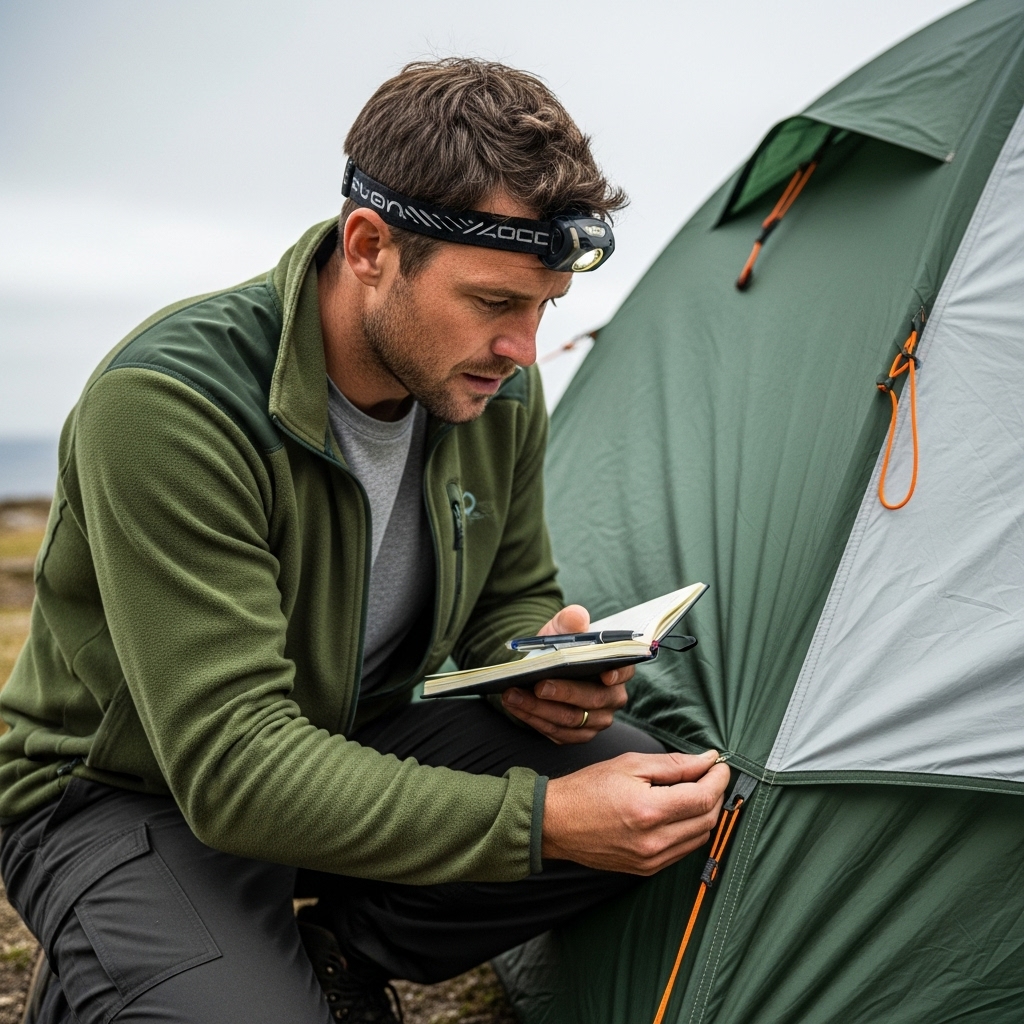

Heading out into the backcountry alone brings complete freedom, but it also means carrying every piece of gear on your own back. Deciding what is the best 1 person backpacking tent comes down to balancing packed weight against livable interior space and weather protection. A shelter that cuts ounces by sacrificing floor length or peak height can turn a rainy evening into a cramped ordeal. On the other hand, carrying an excessively heavy shelter quickly wears down your legs over long trail miles. Solo hikers need a reliable balance of structural durability, simple pitching, and proper ventilation.
Backcountry shelters range from minimalist single-wall bivy styles to freestanding double-wall domes that handle shifting winds and heavy downpours. Understanding how rainfly coverage and floor coatings compare to water-resistant camping tents helps solo travelers choose the right protection for their destination. Stated manufacturer specs give useful baseline figures for dimensions, trail weight, and fabric waterproof ratings. Evaluating these details honestly alongside your typical camping conditions ensures you pack a shelter that keeps you dry without overloading your pack.

Pros
- Generous 8.2-foot interior floor length comfortably fits tall campers without feet rubbing against tent walls.
- Robust 3500mm to 4000mm waterproof rating with comprehensive factory seam taping across high-stress zones.
- Durable aluminum ridge pole provides greater stability in wind than flexible fiberglass poles.
- Simple single-pole configuration enables quick pitching even in fading daylight or rain.
Cons
- Peak interior height under three feet restricts vertical mobility primarily to sitting or lying down.
- Snug solo footprint provides minimal elbow room for changing clothes inside the shelter.
- Single side door requires careful exit during rainy weather to avoid letting moisture inside.
The camppal 1 Person Tent is a low-profile solo shelter engineered for minimalist backpackers, solo hunters, long-distance hikers, and backcountry adventurers seeking dependable weather protection without hauling unnecessary weight. Featuring an elongated footprint measuring 8.2 feet in length, this tent directly resolves a common issue for tall solo campers by ensuring sleeping bags do not press against damp walls. Designed around a single-pole architecture and weighing under four pounds, it serves as a roomy, weather-resistant alternative to a traditional bivy sack while retaining the compact packability required for fast-moving wilderness trips.
Weather protection is anchored by an outer rainfly providing an impressive 3500mm to 4000mm hydrostatic head rating, which is substantially higher than standard entry-level solo tents. To keep groundwater and driving storms at bay, the design incorporates fully taped seams across the floor corners, zipper tracks, and PVC-reinforced velcro closures. The ripstop outer fabric prevents wind-driven tears, while the contoured, low-slung profile supported by an aluminum ridge pole deflects mountain gales rather than catching them. Product specifications indicate this shelter delivers multi-season resilience against heavy downpours, windstorms, and light snow.
Usable living space inside focuses on practical storage and sleeping comfort. The inner tent provides a floor area of 8.2 feet long by roughly 2.95 feet wide, offering ample room at the head or foot for backpacks, boots, and dry layers alongside a standard sleeping pad. Maximum headroom measures approximately 2.95 feet, meaning campers can sit upright to read or change shirts, though vertical clearance remains snug. Outside the sleeping chamber, the extended rainfly forms a 1.31-foot side vestibule that shields trail footwear and cooking gear from overnight dew and driving rain.
Pitching this tent takes minimal effort thanks to the simple single aluminum ridge pole configuration. Backpackers reaching camp after dark or under threatening skies can complete assembly in approximately three minutes using the straightforward pole grommets and reinforced ground stakes. The aluminum frame delivers reliable structural strength compared to fiberglass poles, which helps prevent buckling during sudden mountain gusts. In addition, the fabric adheres to CPAI-84 fire retardant standards, providing extra reassurance around active camp kitchens.
While this shelter excels in weatherproofing and streamlined packability, buyers should consider the natural limitations of a low-profile solo design. The compact interior requires thoughtful gear organization and adequate venting to manage internal condensation during humid nights. For solo weekend backpacking trips, backcountry hunting scouting, and emergency preparedness kits where weather resistance, weight savings, and sleeping length matter most, this camppal shelter delivers reliable performance and great outdoor value.
Equipped with an outer fly rated at 3500mm to 4000mm water resistance, this tent is built to handle heavy rain, continuous drizzle, and damp mountain fog. Factory seam taping seals critical stress areas along the zippers, floor corners, and velcro anchor points to prevent seam leakage. The aerodynamic single-pole profile sheds crosswinds efficiently, reducing buffeting noise and frame fatigue in stormy conditions.
The inner sleeping quarters measure 8.2 feet long by 2.95 feet wide with a peak center height of 2.95 feet, making it exceptionally friendly for tall outdoor enthusiasts. The outer rainfly extends outward by 1.31 feet along the side to create an exterior gear vestibule. Pitching takes about three minutes by threading the single aluminum ridge pole and staking out the corners, ensuring minimal setup hassle after a demanding hike.

Pros
- Durable aluminum two-pole freestanding structure allows setup on various ground surfaces without immediate staking
- Rainfly features factory-sealed seams and a 1500 mm coating paired with a 2000 mm coated floor for weather protection
- Integrated vestibule provides designated outside-the-tent storage for boots and packs
- Includes internal mesh pockets and an overhead gear loft to organize personal essentials
- Half-mesh wall design encourages airflow throughout the interior sleeping area
Cons
- At 4 pounds 1 ounce total weight, it is heavier than many ultralight solo backpacking alternatives
- The 32-inch floor width and 36-inch peak height provide snug interior headroom and limited living space
- The listing does not specify whether ground stakes, guylines, or a protective footprint are included in the package
The ALPS Mountaineering Lynx 1-Person Tent is a compact, freestanding backpacking shelter engineered for solo hikers, bike packers, and minimalist campers. Designed specifically for individual occupancy, it balances durable materials with a manageable pack weight, making it an appealing option for weekend wilderness treks or solo campground trips.
Inside, the tent offers a base footprint measuring 7 feet 6 inches in length by 2 feet 8 inches in width (90 by 32 inches), paired with a center peak height of 36 inches (3 feet). The 90-inch length provides ample lengthwise space for taller campers to stretch out, but the 32-inch width leaves limited room beside a standard sleeping pad. While the manufacturer states a one-person capacity, campers should note that the interior is tailored strictly for sleeping, relying on the outer vestibule to keep larger packs and trail boots covered outside the inner tent.
Pitching the shelter is centered around a freestanding two-pole aluminum frame, which provides structural rigidity and simplifies assembly on rocky or compacted ground. The tent body incorporates half-mesh walls that foster continuous cross-ventilation, helping to reduce interior moisture buildup on humid nights. For organization, the shelter comes equipped with interior mesh storage pockets and a ceiling gear loft to keep headlamps and small essentials off the floor.
Protection from the elements is delivered via a 75D 185T polyester rainfly treated with a 1500 mm waterproof coating and factory-sealed seams to ward off rainfall. Underneath, the floor is constructed from 75D 185T poly taffeta with an elevated 2000 mm coating to resist moisture seepage from wet ground. While these coated fabrics and sealed seams provide solid defense against inclement weather, overall stability in wind and heavy rain still depends on proper staking, site selection, and taut guyline adjustments.
On the trail, the Lynx 1 packs down to a compact 17 inches long by 5 inches in diameter, registering a total weight of 4 pounds 1 ounce and a minimum weight of 3 pounds 5 ounces. Although compact enough for most external or internal backpack compartments, dedicated ultralight hikers may find four pounds slightly heavy for extended thru-hikes. Additionally, the product specifications do not clearly confirm whether stakes, guylines, or a dedicated ground footprint are packaged with the tent, so buyers may need to check the inventory upon arrival or prepare additional anchoring gear.
For solo backpackers and car campers seeking an accessible, sturdy shelter with dependable aluminum poles and a protective rainfly, the ALPS Mountaineering Lynx 1 stands as a dependable entry. When comparing it against rival one-person tents, shoppers should weigh its durable 75D fabrics and budget-friendly freestanding design against lighter, more expensive ultralight models to decide if its four-pound trail footprint matches their packing strategy.
The ALPS Mountaineering Lynx 1 uses a classic freestanding two-pole configuration built from lightweight aluminum. The two poles cross diagonally to support the tent canopy, allowing the inner tent to stand on its own before you attach the rainfly. This freestanding architecture allows campers to easily reposition the pitched tent to find the flattest terrain or optimal orientation before anchoring it.
Because the listing details aluminum poles and a quick-clip system typical of two-pole designs, assembly remains straightforward for solo campers. To maximize structural security and weather resistance in outdoor environments, users should properly stake down the base and secure any external guylines provided with the shelter.
Weather protection for the Lynx 1 centers around its 75D 185T polyester rainfly, which features factory-sealed seams and a 1500 mm polyurethane coating. This coverage helps deflect driving rain while preventing seam leakage across the upper canopy. The tent floor utilizes 75D 185T poly taffeta with a 2000 mm coating to provide enhanced barrier protection against damp campsite soil.
While these documented coatings and sealed seams offer practical protection in typical three-season wet conditions, performance also hinges on campsite selection and proper tensioning. Making sure the rainfly is pulled taut away from the mesh inner body ensures that water sheds efficiently without transferring moisture inside.
For solo hikers evaluating pack volume and trail weight, the ALPS Mountaineering Lynx 1 records a packed size of 17 inches in length by 5 inches in diameter. This compact cylinder slips vertically or horizontally into standard internal-frame backpacks or straps securely to an external pack frame or motorcycle pannier.
The manufacturer lists the total weight at 4 pounds 1 ounce, alongside a stripped-down minimum weight of 3 pounds 5 ounces. While heavier than specialized ultralight non-freestanding shelters, this weight reflects the use of sturdier 75-denier fabrics and resilient aluminum poles that provide balanced durability for recreational backpackers.

Pros
- PU 3000mm waterproof coating and factory-taped seams offer dependable rain protection for a single-layer tent.
- Protective pole casing prevents the painful fiberglass splinters common with budget fiberglass poles.
- Simple two-pole cross sleeve design enables rapid, hassle-free solo setup in under two minutes.
- Generous 7-foot interior length provides ample room for taller campers plus interior gear storage.
Cons
- Single-layer design requires adequate airflow to prevent interior condensation during cold or humid nights.
- At 4.34 pounds, it is heavier than dedicated ultralight backcountry shelters.
- The 3.8-foot width realistically accommodates only one adult with gear rather than two full-sized adults.
The Night Cat Backpacking Tent is a compact, single-layer dome shelter engineered for solo adventurers, scouts, weekend hikers, and first-time campers looking for a practical, low-cost outdoor shelter. With interior floor dimensions measuring 7.0 by 3.8 feet and a peak center height of 3.6 feet, this shelter is proportioned to give a single adult sleeper generous elbow room with dedicated space along the perimeter to stash a trail pack, boots, and clothing. While the listing notes capacity for an adult and a small child, practical trail use makes it primarily an efficient one-person backpacking and camp shelter.
For weather management, the tent utilizes polyester fabric treated with a PU 3000mm waterproof coating, complemented by sealed, taped seams along the structural stitching. This level of waterproof protection is designed to withstand passing rainstorms and prevent moisture penetration from the wet ground. Because this is a single-layer tent without a separate full-coverage rainfly, managing air circulation is critical. Night Cat addresses this through a large mesh front entryway and an integrated mesh roof window, which work together to facilitate fresh air exchange and keep flying pests out of the sleeping quarters.
The frame relies on two foldable fiberglass poles equipped with an upgraded protective casing. Traditional single-layer fiberglass poles can develop micro-splinters over time that irritate hands during assembly, but this dual-layer sleeve construction shields campers during handling. Pitching the shelter requires sliding both poles through the diagonal roof sleeves and anchoring the corners, a straightforward routine that takes approximately one to two minutes even when arriving at camp after dusk. Once staked, the freestanding dome structure holds its shape cleanly in moderate winds.
Portability is a strong attribute for youth groups and weekend travelers, with the tent packing down into an included carry bag measuring 16.5 by 4.7 by 4.7 inches. At an overall weight of roughly 4.34 pounds, it sits between heavier car camping options and premium ultralight shelters. While long-distance thru-hikers counting every ounce may prefer a lighter tarp or trekking-pole tent, this weight and compact packed size fit conveniently into scout gear packs, motorcycle saddlebags, and car trunks for spontaneous overnights.
Before planning an extended trip, campers should account for the functional tradeoffs of a single-wall shelter. In damp, chilly environments, warm breath will create condensation along the interior polyester walls if the mesh vents are kept shut. Additionally, because there is no external vestibule, muddy footwear and wet outerwear must be brought inside the main tent floor. For budget-conscious hikers, motorcycle campers, scouts, and festival goers seeking a simple, waterproof, and easy-to-pitch solo shelter, the Night Cat tent provides a balanced, accessible solution.
Setting up the Night Cat tent requires minimal effort thanks to its streamlined two-pole sleeve structure. The fiberglass poles slide directly into diagonal sleeves across the canopy, allowing a single person to erect the freestanding dome in roughly one to two minutes without complex hub mechanisms.
Takedown is equally quick, rolling neatly into an included 16.5 by 4.7-inch carry sack. At approximately 4.34 pounds, the tent packs down compactly enough to strap onto the bottom of a backpack, secure to a bicycle rack, or store in a vehicle trunk for weekend outings.
Constructed with PU 3000mm coated polyester and heat-sealed taped seams, this shelter is built to keep rain from penetrating the interior cabin during unexpected downpours. The aerodynamic dome geometry also assists in deflecting moderate wind gusts when properly staked to the ground.
To mitigate condensation common to single-wall tents, the layout includes a large mesh door and an upper roof mesh vent. Keeping these openings clear allows continuous airflow across the ceiling, helping warm moisture escape while maintaining dependable insect defense.


Pros
- Extended 8.2-foot floor length comfortably accommodates taller hikers and provides interior gear storage.
- High waterproof coating of 3500mm paired with taped seams delivers reliable wet-weather performance.
- Single-ridge aluminum pole construction ensures quick, hassle-free pitching in deteriorating weather.
- Durable ripstop fabric and wind-shedding design offer dependable stability in exposed outdoor environments.
Cons
- Low peak height of around 3 feet limits seated headroom when changing clothes or sitting upright.
- Listing details show minor weight discrepancies between 2.7 and 3.75 pounds that weight-sensitive hikers should verify.
- Compact solo footprint offers narrow elbow room strictly tailored for one person.
The Camppal 1-Person Tent is a purpose-built solo shelter engineered for hikers, backpackers, hunters, and solo adventurers who prioritize weather defense and rapid deployment in the backcountry. Designed with an extended 8.2-foot sleeping footprint and a streamlined low-profile silhouette, this shelter serves as a roomy alternative to a cramped bivy sack. Whether you are heading out for a weekend backpacking trek in the mountains or establishing a hunting outpost, its compact footprint fits into tight trail clearings where larger multi-person tents cannot go.
Weather resistance stands out as a core design focus, backed by an outer fly rated at 3500mm to 4000mm of water resistance. The construction incorporates comprehensive seam taping across the four bottom corners, zipper lines, and velcro closures with PVC reinforcement to prevent moisture seepage during persistent storms. Its anti-tearing ripstop fabric and sturdy single aluminum ridge pole work together to deflect wind gusts and manage light snow loads, making it a capable companion for three-season and milder shoulder-season conditions.
Interior space balances a compact trail footprint with extra-long usable sleeping room. At 8.2 feet in length and nearly 3 feet in width, the inner tent gives taller campers plenty of stretch-out room without forcing sleeping bags against wet tent walls. The extra floor space easily houses boots, dry bags, and clothes at the foot of your sleeping pad. An additional 1.3-foot vestibule area sheltered by the outer rainfly provides a protected exterior staging zone for damp footwear and packs, keeping dirt and moisture out of your dry sleeping area.
Pitching the tent is straightforward thanks to its single-ridge aluminum pole architecture. Solo campers can secure the frame and stake down the fly in just a few minutes, which proves invaluable when setting up camp after dark or under an approaching rainstorm. With a listed trail weight between 2.7 and 3.75 pounds, the shelter packs down small enough to strap onto a backpack or stow inside a bike pannier, offering dependable portability for fast-moving trekkers.
The low peak height of approximately 3 feet means seated headroom is limited, so changing clothes requires lying down or hunching over. Campers should also monitor ventilation to avoid interior condensation during damp, cool nights. For solo backpackers, scouts, hunters, and minimalist campers seeking dependable storm protection and extra legroom at an accessible price point, the Camppal 1-Person Tent delivers a balanced blend of weatherproofing, durability, and practical backcountry utility.
The Camppal 1-Person Tent utilizes an outer rainfly with a substantial 3500mm to 4000mm waterproof coating, designed to prevent water ingress during prolonged downpours. Factory-taped seams along the floor corners, zipper paths, and PVC-reinforced velcro closures provide critical barrier protection at common leak points.
Its low-slung, aerodynamic profile and durable aluminum ridge pole help the tent shed brisk winds efficiently. Guyline attachment points and reinforced stakes anchor the shelter firmly in exposed backcountry terrain, offering dependable stability against unpredictable mountain weather.
Evaluating What Makes an Ideal Solo Backpacking Shelter
Choosing a solo shelter requires answering what is the best 1 person backpacking tent for your specific trail terrain and weather expectations. Unlike group shelters where gear weight is distributed among multiple hikers, a solo setup puts the entire pack load on your shoulders. The optimal choice is rarely the absolute lightest option or the roomiest shelter on the market. Instead, it is the tent that balances packability, adequate interior dimensions, structural weather resistance, and dependable moisture management.
The Trade-Off Between Trail Weight and Usable Interior Space
Weight is often the first specification solo backpackers inspect, but raw trail weight does not tell the complete story. Ultra-minimalist shelters achieve low scale numbers by aggressively trimming floor width and peak height. While shaving ounces helps on steep mountain climbs, an overly tight interior restricts basic movement during bad weather. If you cannot sit upright to change clothing or stretch your back, extended rain delays quickly become exhausting. A practical solo shelter maintains enough head clearance while keeping packed weight manageable.
Manufacturers often report both minimum weight and total packed weight on product specification sheets. Minimum trail weight typically includes only the tent body, rainfly, and poles, excluding stakes, guy lines, and stuff sacks. For example, the ALPS Mountaineering Lynx 1-Person Tent lists a minimum trail weight of 3 pounds 5 ounces alongside a total packed weight of 4 pounds 1 ounce. Accounting for the full packed footprint ensures your gear calculations reflect real trail conditions. Carrying a few extra ounces can be worthwhile if it delivers durable aluminum framing and a generous floor footprint.
Freestanding Versus Non-Freestanding Pole Architecture
The structural geometry of a solo tent determines where and how easily you can pitch camp. Freestanding designs rely on an interlocking pole structure that holds the tent body erect without requiring stake tension. The ALPS Mountaineering Lynx demonstrates this classic approach with an aluminum two-pole crisscross frame. A freestanding tent allows you to pitch your shelter on granite slabs, wooden platforms, or compacted ground where driving stakes is difficult. You can also pick up the assembled shelter and reposition it if you encounter an exposed rock.
Non-freestanding and ridge-pole shelters take a different mechanical approach to reduce hardware weight. Shelters like the camppal 1 Person Tent utilize a single continuous ridge pole that provides a lightweight overhead spine. These single-pole frames reduce pack weight and assemble quickly with minimal pole joints. However, they rely on secure corner stakes and tensioned guy lines to keep the sidewalls taut. Backpackers who prioritize fast setups on standard forest soil often find easy setup camping tents offer the right balance of speed and structural simplicity.
Single-Wall Versus Double-Wall Moisture Management
Condensation is one of the most persistent challenges in compact solo backpacking shelters. Every night, human respiration and body heat release moisture that naturally collects against cool fabric surfaces. Double-wall tents address this issue by separating the inner sleeping canopy from the waterproof outer rainfly. The inner canopy features breathable fabric and fine mesh panels that allow water vapor to escape freely. Any moisture that condenses on the underside of the outer fly runs down the exterior fabric away from your sleeping bag.
Single-wall shelters combine the canopy and rain barrier into a single fabric layer to minimize weight and setup complexity. The Night Cat Backpacking Tent utilizes a single-layer polyester construction with dedicated roof ventilation and an oversized mesh door to maintain continuous airflow. Single-wall designs excel at fast deployment because you do not have to fuss with attaching a separate rainfly during a storm. However, solo campers must maintain open vents to keep warm breath from collecting on interior walls. Touching damp interior walls during the night can transfer moisture directly to down insulation.
Interpreting Hydrostatic Head and Waterproof Fabric Ratings
Manufacturers measure fabric water resistance using a standardized metric known as the hydrostatic head rating. This number indicates the height of a water column in millimeters that fabric can support before moisture seeps through. A rating between 1,500 and 2,000 millimeters is common for three-season backpacking flys, providing dependable defense against sustained rainfall. Heavy-duty floors often feature higher ratings, such as the 2,000-millimeter poly taffeta floor on the ALPS Mountaineering Lynx, to resist ground moisture pushed upward by body weight.
Certain solo models offer substantially higher water-resistance ratings designed for harsh, saturated environments. The camppal 1 Person Tent specifies an outer rainfly rating between 3,500 and 4,000 millimeters, combined with taped seams along zippers, corners, and velcro points. Similarly, the Night Cat solo shelter features a 3,000-millimeter polyurethane coating across its polyester canopy. These higher ratings provide extra defense during wind-driven storms where horizontal rain exerts direct pressure against exposed fabric. Higher coating densities add slight weight, but they offer substantial security in rain-soaked regions.
Floor Dimensions, Peak Height, and Usable Elbow Room
Reading a floor plan diagram can be misleading because angled tent walls reduce usable floor space. A shelter with a nominal length of seven feet might feel short if the head and foot walls slope inward at steep angles. When your sleeping bag touches slanted walls, the shell fabric can compress insulation and absorb condensation from the fly. For taller campers, extra floor length makes a tremendous difference in nighttime comfort. The camppal 1 Person Tent addresses this directly with an extended inner floor length of 8.2 feet, allowing taller hikers to stretch out comfortably.
Floor width and peak height dictate whether you have room for your sleeping pad and comfortable sitting space. A tent width of 2.8 to 2.95 feet gives you adequate space for a standard pad plus essential personal items. A center height of three feet, found on designs like the ALPS Mountaineering Lynx, allows most adults to sit straight up on an insulated mat. Wider solo options, such as the Night Cat model with an interior width of 3.8 feet, provide room for indoor gear storage. Choosing a shelter with functional head clearance prevents claustrophobia on wet wilderness evenings.
Vestibule Space and Gear Storage Strategies
Solo tents rarely offer enough internal floor space to store a muddy 60-liter backpack and soaking wet hiking boots. This makes the exterior vestibule an essential component of any complete solo backpacking shelter. A vestibule is an enclosed sheltered area created by extending the rainfly beyond the inner tent door. The ALPS Mountaineering Lynx includes a dedicated vestibule area that keeps wet footwear and packs protected from overhead rain. Leaving dirty equipment outside the sleeping canopy keeps your interior floor dry, clean, and uncluttered.
Vestibule orientation also affects how easily you enter and exit your shelter in poor weather. Side-entry vestibules provide a wide door opening that makes slipping in and out straightforward without crawling over your boots. Front-entry vestibules require crawling in headfirst or backing in, but they create a streamlined wind profile that deflects gusts efficiently. The camppal shelter incorporates an extended outer fly that adds 1.31 feet of protected vestibule depth along the entryway. Having dedicated storage space outside the inner mesh keeps damp gear from increasing interior humidity levels.
Pole Materials and Structural Stability in Rough Weather
Tent poles form the structural skeleton that protects your shelter against high winds, driving rain, and light snow loading. Aluminum poles are the standard for solo backpacking shelters because they combine exceptional strength with low weight. Quality aluminum alloys flex under heavy wind loads and spring back into shape without permanently deforming. The camppal and ALPS Mountaineering models both utilize durable aluminum pole systems designed to withstand demanding backcountry conditions. Aluminum poles also resist cold-weather embrittlement far better than traditional composite alternatives.
Fiberglass poles are frequently used on budget-friendly shelters, offering functional flexibility at a lower manufacturing cost. However, standard fiberglass sections are heavier than aluminum and can splinter if subjected to severe bending stresses. The Night Cat Backpacking Tent addresses this vulnerability by enclosing its fiberglass poles in an integrated protective casing. This protective wrap prevents fiberglass splinters from injuring your hands during assembly and reinforces the pole structure. For mild three-season trips and introductory hiking routes, wrapped fiberglass poles deliver dependable, cost-effective performance.
Backcountry Pitching Techniques and Guyline Anchoring
Pitching a solo tent securely requires deliberate campsite selection and proper anchoring mechanics. Look for flat, naturally elevated ground that avoids depressions where groundwater could pool during a sudden storm. Orient the narrowest, lowest profile of your shelter into the prevailing wind to reduce aerodynamic drag on fabric panels. Setting up your shelter facing the wind minimizes buffeting and helps pole frames maintain their geometric shape. Clearing sharp sticks, stones, and pinecones before laying down your tent floor prevents accidental punctures.
Staking angles and guyline tension are vital for maintaining fabric tautness throughout fluctuating weather conditions. Drive stakes into the ground at a 45-degree angle pointing away from the tent body to maximize holding resistance. If camping on loose gravel or deep sand, anchor your guy lines using heavy rocks or deadman logs buried in trenches. Hikers who prefer contrasting designs, such as dark-room tent fabrics that block early morning light, follow these same anchoring rules. Maintaining taut guylines keeps the rainfly separated from the inner canopy during windy nights.
Proper Care, Drying Routines, and Trail Maintenance
The longevity of a backpacking tent depends heavily on post-trip maintenance and proper off-season storage routines. Packing a tent away while it is damp traps residual moisture that promotes mildew growth and degrades polyurethane coatings. Once polyurethane waterproofing begins to hydrolyze, fabric coatings can turn sticky, peel away, and develop a foul odor. Whenever you return from a rainy trip, hang your tent body, rainfly, and stuff sack in a shaded, well-ventilated space until completely dry. Never machine wash or machine dry tent fabrics, as agitating cycles shred seam tape and tear delicate mesh.
Cleaning your shelter requires only lukewarm water, a non-abrasive sponge, and a gentle specialty outdoor gear soap. Avoid household detergents and bleach, as harsh chemicals strip the protective water-repellent coating applied to outer fly fabrics. Pay close attention to zipper tracks by brushing away fine grit, sand, and dirt with an old soft toothbrush. Accumulated debris in zipper teeth forces slider coils apart, leading to jams or split zippers on the trail. A simple field repair kit with seam tape and a pole splint ensures unexpected mishaps never end your journey early.
Ultimately, identifying the best solo shelter comes down to matching your physical height, trail style, and anticipated weather against proven tent specifications. Whether you prioritize the freestanding reliability and generous ventilation of the ALPS Mountaineering Lynx, the extended floor length of the camppal series, or the lightweight simplicity of the Night Cat dome, verify that the dimensions and weight align with your packing goals. A well-chosen solo tent provides an essential haven of comfort and security at the end of every exhausting trek.


Write Your Review
No reviews yet. Be the first to share your experience!