
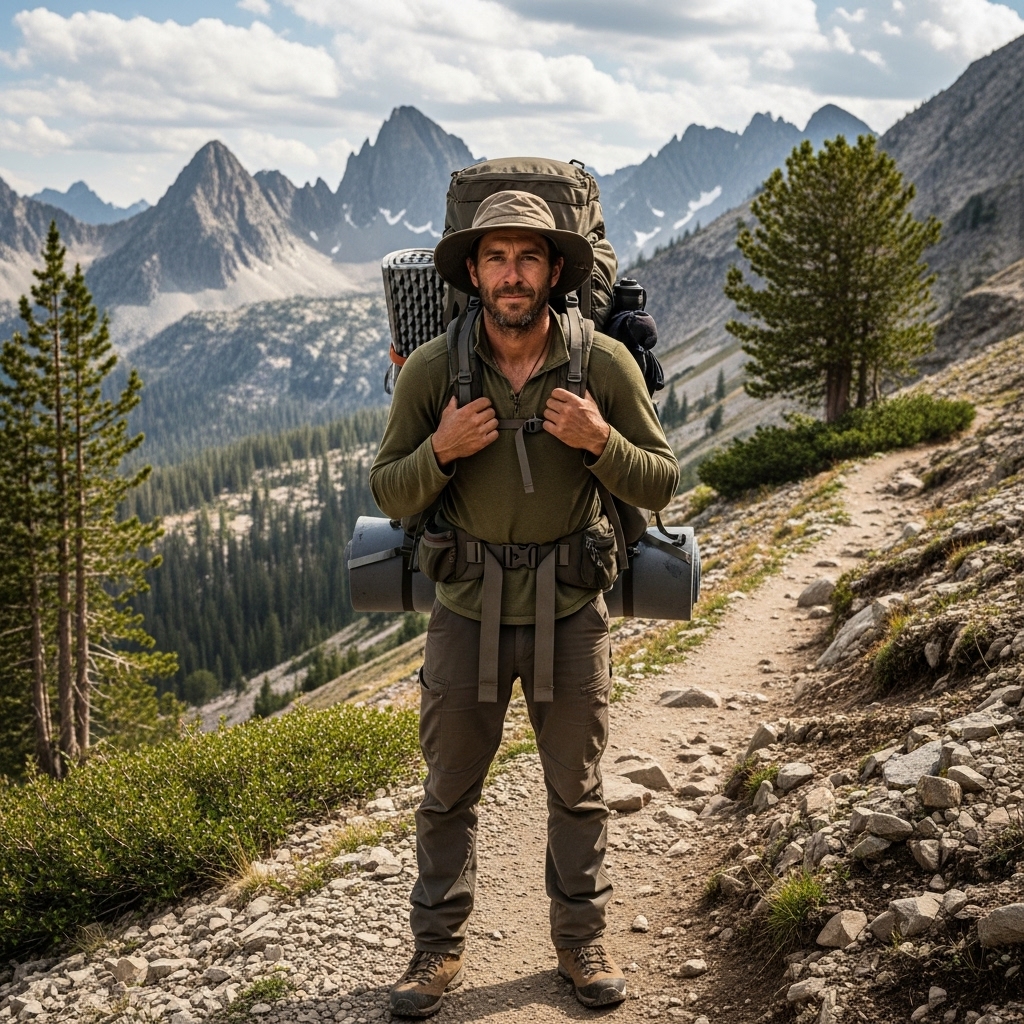

Hitting the backcountry requires carrying your entire living quarters across miles of varied terrain, making shelter selection one of the most critical gear decisions you will make. Hikers frequently struggle to define what is the best backpacking tent because the ideal option always balances carrying comfort with overnight livability. While car campers can prioritize sprawling floor plans, backpackers must weigh every single ounce against trail durability and weather defense. Browsing broader selections of spacious camping tent setups illustrates how drastically backcountry models contrast with larger basecamp shelters in both structure and function.
A dependable shelter must guard against sudden mountain squalls without consuming excessive volume inside your pack. Backcountry travelers quickly learn that water resistance ratings, pole materials, and proper ventilation dictate overall comfort far more than marketing claims alone. Reviewing specialized heavy-duty water-resistant camping tents helps clarify how rainfly coverage and floor construction keep sleepers dry during prolonged downpours. By evaluating how different configurations perform in real wilderness conditions, you can identify the exact balance of weight, space, and weather readiness needed for your upcoming trek.

Pros
- Tailored specifically for tent campers looking to avoid noisy RV generator loops and concrete pads
- Lightweight 0.8-pound build slips effortlessly into a vehicle console or camping gear bin
- Offline usability ensures campsite directions and details remain accessible in remote dead zones
- Covers key scenic regions and car-camping escapes across Wisconsin for efficient trip planning
Cons
- Paperback paper pages require protection from rain, spills, and damp campsite conditions
- Printed guidebook format cannot provide real-time updates on seasonal campsite closures, fees, or reservation availability
- Scope is strictly limited to Wisconsin car camping and will not suit campers planning trips across other states
Best Tent Camping: Wisconsin by Menasha Ridge Press is a regional camping guidebook designed specifically for tent campers, car campers, and weekend road trippers seeking scenic campsites across the Badger State. Unlike generic road atlases or crowded campground directories that cater primarily to heavy recreational vehicles, this volume focuses on tent-friendly environments characterized by quiet surroundings and natural beauty. It serves as a practical navigation and scouting resource for solo adventurers, family campers, weekend warriors, and first-time campers who want reliable campsite recommendations without sorting through hundreds of commercial RV parks.
In real-world camping scenarios, having a dedicated physical directory helps eliminate the frustration of arriving at a crowded campground or searching for a spot after dark. When driving into remote state forests or national forest areas where cellular service often drops out, this paperback guide provides immediate access to essential location details, layout expectations, and nearby outdoor attractions. Campers planning multi-day car camping loops or quick weekend escapes can evaluate sites beforehand, helping avoid noisy generator loops and securing locations with better tree cover, privacy, and outdoor appeal.
Weighing approximately 0.8 pounds and measuring 6 by 0.25 by 9 inches, the book maintains a trim physical footprint that packs cleanly into vehicle door pockets, center consoles, camp kitchen bins, or daypack sleeves. The flexible paperback binding keeps the guide lightweight and manageable during transit, allowing campers to reference it easily while resting on a tailgate, sitting around a campfire, or cooking breakfast at a picnic table. While it is compact enough to slide alongside trail maps, the standard paper pages require sensible care around damp gear, sudden rainstorms, or morning dew.
Despite its useful regional curation, campers should recognize the inherent limitations of any printed outdoor resource. Published physical guides cannot reflect dynamic changes such as seasonal road washouts, campground closures, fluctuating permit fees, or live online reservation schedules. Additionally, the standard paper construction does not offer waterproof protection, meaning campers will want to store the book inside a sealed zip-top bag, dry bag, or glove compartment to prevent water damage during inclement weather.
For Midwest road trippers, car camping families, and tent enthusiasts planning trips through Wisconsin, Best Tent Camping: Wisconsin serves as a dependable scouting companion. It offers curated insights that simplify route planning and campsite selection before pitching a tent. As long as travelers verify current park regulations and campsite reservation requirements online before hitting the road, this book remains a worthwhile planning investment for anyone seeking tranquil, tent-focused outdoor retreats.
Measuring 6 by 0.25 by 9 inches with a total weight of roughly 0.8 pounds, this paperback book easily integrates into existing car camping kits and road trip setups. It fits comfortably inside glove compartments, vehicle seatback pockets, and standard dry bags without taking up valuable gear space.
Car campers and weekend travelers can readily pack this guide alongside camp stoves, coolers, and storage totes. Keeping it stored inside a sealable plastic pouch or dry box ensures the paper pages stay dry and legible through changing camp conditions and unexpected rainstorms.
This guide specifically targets tent campers and car campers who prioritize quiet, scenic sites over crowded RV hookups. It assists outdoor travelers in identifying campgrounds with pleasant natural surroundings, suitable tent pads, and access to hiking trails or waterways throughout Wisconsin.
Using a dedicated book alongside state park reservation websites gives campers a clear picture of campground layout, shade, and seclusion prior to booking. This dual approach helps outdoor enthusiasts pick the most scenic campsites while steering clear of noisy generator loops and asphalt pads.

Pros
- Sturdy aluminum poles offer significantly better wind resistance and longevity than standard fiberglass alternatives.
- Impressive 3000mm waterproof rating, welded floor, and factory-taped seams keep ground moisture and downpours out.
- Two-door, two-vestibule architecture eliminates the hassle of climbing over a tent partner during midnight camp exits.
- Generous mesh canopy panels provide clear stargazing views and cool cross-ventilation during warm summer nights.
- Simple freestanding layout allows effortless pitching even when setting up camp solo after dark.
Cons
- Total weight of 4.4 pounds is slightly heavy for dedicated ultralight long-distance thru-hikers.
- Floor width of 55.1 inches creates a snug shoulder-to-shoulder fit when accommodating two wide sleeping pads.
- Ground footprint is not included, requiring careful campsite site clearing or an optional tarp over rocky terrain.
The Night Cat 2-Person Backpacking Tent is a lightweight, freestanding three-season dome shelter engineered specifically for hiking, trail camping, and outdoor exploration. Designed to balance affordability with trail-ready functionality, this shelter serves budget-conscious backpackers, weekend hikers, festival attendees, and scouts who need a dependable outdoor shelter without the steep investment demanded by high-end mountaineering brands. Solo adventurers will also appreciate its spacious interior footprint, which provides ample space for a single camper alongside bulky packs and outdoor gear.
Weather resistance stands out as one of the strongest attributes of this design. The outer rainfly and welded floor feature a 3000mm waterproof polyurethane coating reinforced by fully taped factory seams, preventing rain penetration during sudden mountain downpours. The full-coverage fly shields the inner mesh body completely from wind-driven moisture, while the welded floor barrier prevents wet ground seepage from soaking through sleeping bags. When gusty ridge winds kick up, the included aluminum poles and reinforced guylines provide a rigid, secure frame that flexes under pressure without snapping.
Ventilation and condensation management are handled effectively by the full mesh canopy of the inner tent body. Dual integrated ceiling vents on the rainfly create a steady chimney effect, pulling cool air up through the mesh walls and exhausting humid breath out the top. This airflow is vital during humid summer nights or wet mornings when interior condensation typically collects on non-breathable fabrics. On clear, bug-heavy summer evenings, leaving the rainfly off allows campers to sleep beneath the stars with total mosquito and insect protection.
Inside the tent, the floor plan measures 82.6 inches in length by 55.1 inches in width, complemented by a peak ceiling height of 43.3 inches. This creates enough headroom for two adults to sit upright comfortably without scraping the ceiling mesh. The inclusion of two independent D-shaped doors prevents campers from having to crawl over each other during midnight exits, while matching dual vestibules create protected exterior storage zones for trekking boots, packs, and camp cookware. Built-in interior storage pockets keep headlamps, pocket knives, and phones off the floor and within quick reach.
Setting up the tent is straightforward and typically takes around three minutes thanks to the simple two-pole crossing design. Lightweight aluminum poles slide smoothly into durable corner grommets, allowing lone hikers to pitch the entire structure effortlessly in failing light. Takedown is equally rapid, and the tent packs down neatly into its included travel sack. As with any lightweight camping tent, using an auxiliary footprint or ground tarp is advisable to prolong floor fabric life against sharp stones, prickly desert scrub, or jagged twigs.
While the 4.4-pound trail weight may exceed the strict criteria of ultralight thru-hikers tackling thousand-mile trails, it represents an outstanding sweet spot for general weekend trail excursions, car camping backups, and casual wilderness outings. The combination of aluminum hardware, dual-vestibule convenience, and robust 3000mm waterproofing makes the Night Cat 2-Person Backpacking Tent a high-value choice for any outdoor enthusiast looking to hit the trail with dependable shelter.
Built to handle sudden mountain storms and unpredictable trail weather, the Night Cat 2-Person Tent utilizes a comprehensive 3000mm waterproof coating across the rainfly and floor. Welded floor seams eliminate needle punctures in high-wear pooling areas, while high-temperature seam tape across the rainfly seams ensures that heavy downpours roll off without leaking into the living quarters.
Wind management is enhanced by the structural rigidity of aluminum alloy poles paired with perimeter guyline points. When properly staked out into firm soil, the aerodynamic dome profile deflects strong lateral gusts, maintaining interior volume and preventing the fly from flapping loudly against the mesh body during stormy backcountry nights.
The intuitive two-pole freestanding frame allows single campers to pitch the Night Cat tent in approximately three minutes. Because the inner body clips directly onto the interlocking aluminum poles, securing the structure is fast and intuitive, even when arriving at a remote campsite after dusk with only a headlamp for illumination.
At an overall weight of 4.4 pounds, this tent packs down compactly into a dedicated carry bag that easily fits inside or lashes to the base of standard backpacking packs. The weight can also be split between two trail partners by dividing the rainfly, inner tent, and pole bundle, making it an efficient option for hiking pairs.

Pros
- Durable 7001 aluminum poles provide significantly better wind flex and longevity than entry-level fiberglass frames.
- Dual doors and dual vestibules streamline gear organization and midnight exits for two campers.
- Compact packed dimensions of 16.9 x 5.9 x 5.9 inches fit neatly inside standard hiking backpacks or motorcycle panniers.
- Complete accessory bundle includes 10 aluminum stakes, 2 wind ropes, rainfly, tent body, and a dedicated carry bag.
Cons
- Total weight of 4.72 pounds is slightly hefty for dedicated ultralight thru-hikers tackling long-distance trails.
- Interior floor width of 55 inches fits two standard 20-inch or 25-inch sleeping pads snugly with little leftover floor room.
- PU2000mm coating is designed for standard three-season rain but is not rated for heavy winter snow loads.
The BISINNA 2-Person Camping Tent is an accessible three-season, freestanding shelter designed to balance trail packability with dependable outdoor protection. Tailored for hiking pairs, solo backpackers who appreciate extra room for gear, weekend car campers, and scout troops, this tent delivers a fully featured setup without the premium price tag. Built with a packed weight of 4.72 pounds and a packed footprint of 16.9 by 5.9 by 5.9 inches, the entire kit fits comfortably inside an internal frame backpack, a kayak dry hatch, or a crowded vehicle trunk.
Inside the shelter, the sleeping floor measures 82.7 inches long by 55 inches wide, accompanied by a comfortable peak height of 47.2 inches. This footprint provides ample length for taller campers and accommodates two standard sleeping pads side by side. What elevates its liveability are the two integrated vestibules, extending 23.6 inches out on either side to bring the total footprint width to 102.2 inches. These exterior covered zones keep damp boots, trekking packs, and muddy camp gear protected from the elements while preserving valuable interior floor space.
Weather resistance is anchored by a full-coverage rainfly constructed from 190T polyester taffeta treated to a PU2000mm water-resistant rating. Paired with factory-sealed seams, the fly effectively repels three-season rainstorms and shields against brisk morning winds. The inner canopy combines matching 190T polyester taffeta with generous sections of B3 no-see-um mesh. This dual-layer construction facilitates steady airflow between the mesh canopy and the flysheet, actively venting warm, humid breath to reduce condensation buildup while preventing bugs and midges from entering.
Structural integrity is maintained by two lightweight 7001 space-grade aluminum poles. Unlike brittle fiberglass poles that can splinter under pressure, aluminum offers resilient flex memory and superior wind resistance during sudden gusty conditions. Pitching the tent is straightforward thanks to its intuitive freestanding dome geometry. A single camper can insert the shock-corded aluminum poles into corner grommets, clip the inner tent to the frame, and secure the rainfly in less than ten minutes. The included ten aluminum stakes and two wind ropes provide secure anchor points in soft dirt and gravel.
While the BISINNA 2-Person Tent provides solid utility for general outdoor use, buyers should evaluate a few practical trade-offs. The 4.72-pound weight is reasonable for weekend outings, but ultralight backpackers may find it heavy unless split between two hikers. Furthermore, the 55-inch interior width leaves minimal margin when two wide sleeping pads are placed together. For weekend warriors, festival goers, kayak tourers, and budget-conscious backpackers looking for a dependable, aluminum-poled three-season shelter, this tent represents an exceptionally practical purchase.
Pitching the BISINNA 2-Person Tent is an intuitive process made simple by its freestanding two-pole architecture. Because the inner tent connects to the 7001 aluminum poles using quick-attach clips rather than cumbersome fabric sleeves, one camper can assemble the inner canopy in roughly five minutes. Once the frame is assembled, the rainfly snaps into place over the structure, where adjustable buckles allow you to tension the flysheet quickly against shifting weather.
Takedown is equally streamlined, requiring only the release of the pole clips and corner grommets before rolling the fabric around the folded poles. The compact 16.9 by 5.9 by 5.9-inch carry bag offers sufficient clearance, meaning you do not have to struggle with millimeter-precise folding to pack the tent away after a weekend of camping.
The BISINNA tent is engineered for dependable three-season performance, utilizing a 190T polyester taffeta rainfly with a PU2000mm hydrostatic head rating. This level of water resistance is well-suited for typical spring showers, summer downpours, and fall breezes, keeping interior living areas dry when properly staked out.
Wind resistance is bolstered by the 7001 aluminum frame, which bends to absorb wind pressure rather than snapping. By securing the two included wind guylines and anchoring the ten alloy stakes at the base, the structure remains stable during blustery lakeside or mountain campsite conditions. The combination of high-density B3 no-see-um mesh and double vestibule openings ensures consistent airflow, mitigating condensation accumulation along the inner walls on damp nights.

Pros
- PU 3000mm waterproof coating and factory-taped seams offer dependable rain protection for a single-layer tent.
- Protective pole casing prevents the painful fiberglass splinters common with budget fiberglass poles.
- Simple two-pole cross sleeve design enables rapid, hassle-free solo setup in under two minutes.
- Generous 7-foot interior length provides ample room for taller campers plus interior gear storage.
Cons
- Single-layer design requires adequate airflow to prevent interior condensation during cold or humid nights.
- At 4.34 pounds, it is heavier than dedicated ultralight backcountry shelters.
- The 3.8-foot width realistically accommodates only one adult with gear rather than two full-sized adults.
The Night Cat Backpacking Tent is a compact, single-layer dome shelter engineered for solo adventurers, scouts, weekend hikers, and first-time campers looking for a practical, low-cost outdoor shelter. With interior floor dimensions measuring 7.0 by 3.8 feet and a peak center height of 3.6 feet, this shelter is proportioned to give a single adult sleeper generous elbow room with dedicated space along the perimeter to stash a trail pack, boots, and clothing. While the listing notes capacity for an adult and a small child, practical trail use makes it primarily an efficient one-person backpacking and camp shelter.
For weather management, the tent utilizes polyester fabric treated with a PU 3000mm waterproof coating, complemented by sealed, taped seams along the structural stitching. This level of waterproof protection is designed to withstand passing rainstorms and prevent moisture penetration from the wet ground. Because this is a single-layer tent without a separate full-coverage rainfly, managing air circulation is critical. Night Cat addresses this through a large mesh front entryway and an integrated mesh roof window, which work together to facilitate fresh air exchange and keep flying pests out of the sleeping quarters.
The frame relies on two foldable fiberglass poles equipped with an upgraded protective casing. Traditional single-layer fiberglass poles can develop micro-splinters over time that irritate hands during assembly, but this dual-layer sleeve construction shields campers during handling. Pitching the shelter requires sliding both poles through the diagonal roof sleeves and anchoring the corners, a straightforward routine that takes approximately one to two minutes even when arriving at camp after dusk. Once staked, the freestanding dome structure holds its shape cleanly in moderate winds.
Portability is a strong attribute for youth groups and weekend travelers, with the tent packing down into an included carry bag measuring 16.5 by 4.7 by 4.7 inches. At an overall weight of roughly 4.34 pounds, it sits between heavier car camping options and premium ultralight shelters. While long-distance thru-hikers counting every ounce may prefer a lighter tarp or trekking-pole tent, this weight and compact packed size fit conveniently into scout gear packs, motorcycle saddlebags, and car trunks for spontaneous overnights.
Before planning an extended trip, campers should account for the functional tradeoffs of a single-wall shelter. In damp, chilly environments, warm breath will create condensation along the interior polyester walls if the mesh vents are kept shut. Additionally, because there is no external vestibule, muddy footwear and wet outerwear must be brought inside the main tent floor. For budget-conscious hikers, motorcycle campers, scouts, and festival goers seeking a simple, waterproof, and easy-to-pitch solo shelter, the Night Cat tent provides a balanced, accessible solution.
Setting up the Night Cat tent requires minimal effort thanks to its streamlined two-pole sleeve structure. The fiberglass poles slide directly into diagonal sleeves across the canopy, allowing a single person to erect the freestanding dome in roughly one to two minutes without complex hub mechanisms.
Takedown is equally quick, rolling neatly into an included 16.5 by 4.7-inch carry sack. At approximately 4.34 pounds, the tent packs down compactly enough to strap onto the bottom of a backpack, secure to a bicycle rack, or store in a vehicle trunk for weekend outings.
Constructed with PU 3000mm coated polyester and heat-sealed taped seams, this shelter is built to keep rain from penetrating the interior cabin during unexpected downpours. The aerodynamic dome geometry also assists in deflecting moderate wind gusts when properly staked to the ground.
To mitigate condensation common to single-wall tents, the layout includes a large mesh door and an upper roof mesh vent. Keeping these openings clear allows continuous airflow across the ceiling, helping warm moisture escape while maintaining dependable insect defense.
Pros
- Freestanding dome framework allows the pitched tent to be shifted without complete take-down.
- Documented PU 2000 coating and taped seams assist with managing rain and surface moisture.
- Double-layer door and roof mesh panels aid in airflow to help limit condensation buildup.
- Complete package includes all necessary poles, stakes, guylines, and a compact carry bag.
- Weighs 5.29 pounds, making it manageable for car camping, festivals, or short walk-in campsites.
Cons
- Interior width of 4 feet 11 inches leaves very little floor area for bulky gear when occupied by two adults.
- The specific material of the tent poles is not detailed in the product specifications.
- Manufacturer notes all-season use, but lightweight PU 2000 dome shelters are typically better aligned with mild to moderate three-season outings.
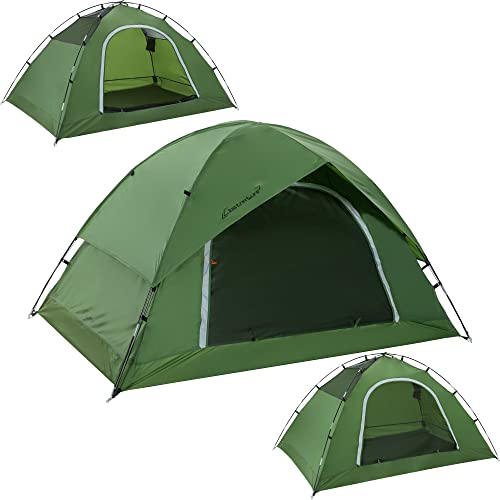
The Clostnature 2-Person Camping Tent is a classic freestanding dome shelter designed for casual campers, weekend festival attendees, and beginners looking for an uncomplicated setup. Built with standard crossing poles and a fitted rainfly, it aims to deliver simple weather protection and convenient portability without unnecessary bulk. While marketed for two people, understanding its specific dimensions and design features is essential for evaluating whether it matches your camping style and campsite expectations.
Regarding interior capacity, the floor measures 7 feet 3 inches in length by 4 feet 11 inches in width, accompanied by a peak height of 3 feet 10 inches (approximately 86.6 by 59.1 by 45.3 inches). For two adults using standard sleeping pads, this width creates close sleeping arrangements with minimal floor space remaining for large packs. Solo campers, however, will enjoy generous interior room to keep clothing, backpacks, and personal items protected indoors. The peak height permits comfortable sitting up for changing or reading, but does not support standing upright.
The structural layout relies on an X-pole dome configuration that makes pitching relatively quick, often completed in under five minutes by one or two people. Because the main tent body is freestanding, you can reposition the shelter around the campsite to avoid rocks or roots before staking it down. Ventilation is addressed through top-side mesh netting and an N-shaped double-layer door that combines solid fabric with breathable mesh, allowing campers to adjust airflow depending on temperature and breeze.
In terms of weather-related design, the tent utilizes polyester with a PU 2000 coating, supported by factory-sealed seams and dual-layer fabric reinforcement at the corners. The included rainfly uses an additional dedicated pole to extend coverage. Transport is straightforward thanks to an included storage sack measuring 16.5 by 6 by 6 inches, with the complete package weighing 5.29 pounds. Routine maintenance requires standard tent care: setting up on cleared ground, securing all eight stakes and four guylines, and ensuring the fabric is completely dry before long-term storage to prevent odor or mildew.
Buyers should account for certain practical trade-offs and missing details. The product data does not list the specific pole material, such as fiberglass or aluminum, which affects long-term resilience. While the manufacturer states all-season and all-weather capability, a compact PU 2000 dome tent is realistic for mild to moderate three-season conditions rather than heavy snow loads or high-wind exposure. Additionally, vestibule square footage is not specified, meaning gear organization mostly depends on available interior space.
For couples embarking on casual weekend car camping trips or solo campers seeking an inexpensive, portable shelter with plenty of elbow room, the Clostnature 2-Person Tent provides solid basic functionality. It balances a light 5.29-pound packed weight with documented seam sealing and dual-layer entry. Those planning extended wilderness trips in unpredictable mountain climates or groups requiring expansive interior living space should evaluate larger multi-person or heavy-duty specialized shelters instead.
The Clostnature tent incorporates a freestanding X-pole dome design, utilizing two main crossing poles to suspend the inner tent body. A third smaller pole is provided to support the rainfly configuration. Because the structure does not rely solely on stake tension to maintain its shape, it can be lifted and moved to adjust orientation before driving stakes into the ground.
The complete package comes with eight stakes and four guylines to anchor the tent against moderate wind. The manufacturer notes that setup can be completed in less than five minutes by one to two people, providing a straightforward pitching process that avoids complex mechanical hubs or automatic spring mechanisms.
Weather-related specifications center on polyester fabric treated with a PU 2000 coating, paired with factory-sealed seams to mitigate water entry along needle holes. The tent base features dual-layer fabric reinforcement at the corners for added durability at high-stress points.
Ventilation is supported by mesh panels located along the upper sides of the tent body, alongside an N-shaped double-layer door. This configuration allows campers to zip open the outer fabric panel while leaving the mesh layer closed, encouraging airflow to help manage condensation during warm or humid evenings.
The interior living area offers floor measurements of 7 feet 3 inches by 4 feet 11 inches, with a center height of 3 feet 10 inches. In metric measurements, this translates to roughly 220 centimeters long, 150 centimeters wide, and 115 centimeters high, providing a functional footprint for up to two sleeping pads.
For packing and transport, the tent compresses into an included storage sack measuring 16.5 by 6 by 6 inches. With an overall listed weight of 5.29 pounds, the shelter is simple to stow in a vehicle trunk or transport on shorter walk-in approaches to a campsite.

Pros
- Extended 8.2-foot floor length comfortably accommodates taller hikers and provides interior gear storage.
- High waterproof coating of 3500mm paired with taped seams delivers reliable wet-weather performance.
- Single-ridge aluminum pole construction ensures quick, hassle-free pitching in deteriorating weather.
- Durable ripstop fabric and wind-shedding design offer dependable stability in exposed outdoor environments.
Cons
- Low peak height of around 3 feet limits seated headroom when changing clothes or sitting upright.
- Listing details show minor weight discrepancies between 2.7 and 3.75 pounds that weight-sensitive hikers should verify.
- Compact solo footprint offers narrow elbow room strictly tailored for one person.
The Camppal 1-Person Tent is a purpose-built solo shelter engineered for hikers, backpackers, hunters, and solo adventurers who prioritize weather defense and rapid deployment in the backcountry. Designed with an extended 8.2-foot sleeping footprint and a streamlined low-profile silhouette, this shelter serves as a roomy alternative to a cramped bivy sack. Whether you are heading out for a weekend backpacking trek in the mountains or establishing a hunting outpost, its compact footprint fits into tight trail clearings where larger multi-person tents cannot go.
Weather resistance stands out as a core design focus, backed by an outer fly rated at 3500mm to 4000mm of water resistance. The construction incorporates comprehensive seam taping across the four bottom corners, zipper lines, and velcro closures with PVC reinforcement to prevent moisture seepage during persistent storms. Its anti-tearing ripstop fabric and sturdy single aluminum ridge pole work together to deflect wind gusts and manage light snow loads, making it a capable companion for three-season and milder shoulder-season conditions.
Interior space balances a compact trail footprint with extra-long usable sleeping room. At 8.2 feet in length and nearly 3 feet in width, the inner tent gives taller campers plenty of stretch-out room without forcing sleeping bags against wet tent walls. The extra floor space easily houses boots, dry bags, and clothes at the foot of your sleeping pad. An additional 1.3-foot vestibule area sheltered by the outer rainfly provides a protected exterior staging zone for damp footwear and packs, keeping dirt and moisture out of your dry sleeping area.
Pitching the tent is straightforward thanks to its single-ridge aluminum pole architecture. Solo campers can secure the frame and stake down the fly in just a few minutes, which proves invaluable when setting up camp after dark or under an approaching rainstorm. With a listed trail weight between 2.7 and 3.75 pounds, the shelter packs down small enough to strap onto a backpack or stow inside a bike pannier, offering dependable portability for fast-moving trekkers.
The low peak height of approximately 3 feet means seated headroom is limited, so changing clothes requires lying down or hunching over. Campers should also monitor ventilation to avoid interior condensation during damp, cool nights. For solo backpackers, scouts, hunters, and minimalist campers seeking dependable storm protection and extra legroom at an accessible price point, the Camppal 1-Person Tent delivers a balanced blend of weatherproofing, durability, and practical backcountry utility.
The Camppal 1-Person Tent utilizes an outer rainfly with a substantial 3500mm to 4000mm waterproof coating, designed to prevent water ingress during prolonged downpours. Factory-taped seams along the floor corners, zipper paths, and PVC-reinforced velcro closures provide critical barrier protection at common leak points.
Its low-slung, aerodynamic profile and durable aluminum ridge pole help the tent shed brisk winds efficiently. Guyline attachment points and reinforced stakes anchor the shelter firmly in exposed backcountry terrain, offering dependable stability against unpredictable mountain weather.
Pros
- Very low listed weight of 2.76 pounds for a double-wall two-person shelter
- Compact packed dimensions of 17.7 by 5.1 inches reduce pack volume
- Full mesh inner body promotes generous cross-ventilation in warm weather
- Listing notes an included footprint sharing the floor's PU3000mm rating
- Inner peak height of 39.3 inches provides adequate clearance for sitting upright
Cons
- Ultralight 10D nylon rainfly fabric demands gentle handling around sharp brush and rocks
- Modest PU1500mm fly rating requires a taut pitch during sustained rainfall
- Interior width of 51.2 inches provides snug shoulder space when occupied by two adults
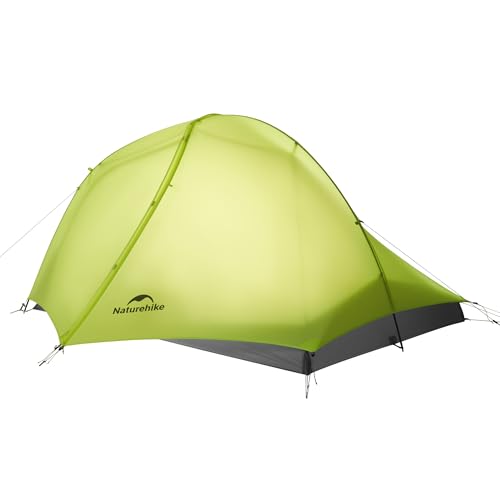
The Naturehike Star Trail is an ultralight double-wall backpacking tent built for outdoor enthusiasts who prioritize minimal pack burden. With a listed weight of 2.76 pounds for the two-person model, it targets long-distance backpackers, bikepackers, mountaineers, cycle tourers, and minimalist campers. By combining thin technical fabrics with a compact structural profile, it caters to hikers who want a portable shelter for multi-day backcountry treks without taking up excessive volume in their pack.
According to the product specifications, the inner sleeping quarters measure 82.7 inches long, 51.2 inches wide, and 39.3 inches high at the center peak, while outer dimensions are listed at 86.6 by 86.6 by 41.3 inches. While designated as a two-person shelter, the 51.2-inch inner width accommodates two standard-width sleeping pads with little margin to spare. Solo hikers will find generous floor room for themselves and internal pack storage, whereas two adult campers should expect an intimate fit with minimal leftover interior space for bulky equipment.
The inner canopy consists of a full-coverage mesh body engineered with elevated clearance to encourage continuous airflow while blocking insects. This open-air structure designates the tent primarily for three-season and warm-weather use, helping mitigate interior condensation on humid nights. Setup is streamlined, with the manufacturer listing an estimated pitching time of roughly three minutes, making it practical for fast camp arrivals after long days on the trail.
For packability, the Star Trail compacts down to 17.7 by 5.1 inches, making it easy to store inside a pack or strap beneath a bike handlebar harness. Weight savings come largely from its lightweight textiles, featuring a 10D nylon outer fly treated with a PU1500mm+ waterproof coating, alongside a 20D nylon floor and footprint with a PU3000mm rating. Campers should keep in mind that ultralight fabrics demand careful clearing of sticks, sharp stones, and rough ground before pitching.
Buyers should balance the tent's low carry weight against practical backcountry realities. The 10D nylon fly and modest PU1500mm waterproof coating require a taut pitch and attentive care in prolonged downpours, and the listing does not detail specific pole materials or internal pocket layouts. For backpackers and bikepackers seeking an ultralight setup that does not break pack limits, the Star Trail serves as a compelling option, provided users treat the ultralight materials with proper care and ensure dry storage between trips.
The Naturehike Star Trail utilizes ultralight technical fabrics to keep total carry weight low. The outer rainfly is constructed from 10D nylon with a listed PU1500mm+ waterproof coating, designed to shed rain while minimizing pack weight.
For ground protection, the inner floor and accompanying footprint use 20D nylon rated at PU3000mm. Because 10D and 20D fabrics are notably lightweight compared to traditional camping materials, campers should pitch on smooth surfaces and avoid sharp debris to preserve fabric longevity.
Weighing a listed 2.76 pounds, the two-person Star Trail ranks among the lighter double-wall shelters in its class. This weight profile makes it a viable option for weight-conscious backpackers, bikepackers, cycle tourers, and minimalist campers.
Its packed dimensions measure 17.7 by 5.1 inches, creating a slim cylindrical shape that slips easily into multi-day packs or lashes securely to bike cages. The reduced bulk helps free up interior volume for essential trail gear and food supplies.
Ventilation is a focal point of the Star Trail design, highlighted by a full-coverage mesh inner tent body. This mesh barrier allows ambient breezes to flow through the cabin freely while keeping insects outside.
The elevated clearance design supports natural airflow between the inner tent and outer fly. This open architecture makes the shelter particularly well-suited for warm-weather and three-season summer outings where moisture dissipation is essential.
Defining the Best Backpacking Tent for Your Trail Style
Determining what is the best backpacking tent begins by recognizing that no single design universally satisfies every backcountry journey. The perfect shelter for a fast-and-light thru-hike across hundreds of miles differs markedly from a comfortable two-person tent built for weekend trips along forested river valleys. Backpacking models are shaped by a complex interplay of packed weight, interior volume, structural rigidity, and precipitation control. Finding your ideal shelter means understanding how manufacturers balance these competing priorities across different trail conditions.
The Fundamental Trade-Off Between Weight and Usable Interior Space
Trail weight remains the initial metric most hikers inspect when evaluating backcountry gear. Ultralight options like the Naturehike Star Trail Ultralight Backpacking Tent minimize trail burden by utilizing gossamer fabrics and streamlined dimensions to stay under three pounds. However, cutting weight frequently requires shaving inches off the floor width, tapering the foot box, or lowering the peak ceiling height. When a tent cuts too much interior clearance, sitting upright to change clothes or waiting out an extended afternoon rainstorm quickly becomes uncomfortable.
Packed weight includes the tent body, rainfly, poles, stakes, guy lines, and carrying sacks, whereas minimum trail weight generally counts only the primary shelter components. Comparing models like the Clostnature Waterproof Camping Tent for 2 Person against lighter alternatives reveals how standard polyester weaves add pack heft while providing robust floor fabrics. Heavier materials often resist abrasion from rocky ground more forgivingly than delicate ultralight nylon. Every hiker must decide whether carrying extra ounces is an acceptable price to pay for greater peace of mind and interior elbow room.
Capacity Ratings Versus Practical Backcountry Livability
Backpacking tent capacity figures refer strictly to the maximum number of standard sleeping pads that can lay side by side on the floor. In a standard two-person tent with a floor width around fifty inches, two regular twenty-inch pads leave virtually zero margin along the sidewalls. Solo backpackers often choose a two-person model precisely because the extra floor area provides dedicated space for a backpack, footwear, and dry clothing. Shelters like the BISINNA 2/4 Person Camping Tent Lightweight demonstrate how a wide interior footprint can transform a cramped bivouac into a genuinely restful sleeping quarter.
True livability also depends heavily on vertical wall geometry and doorway layouts. Tents designed with steep sidewalls and crossing spreader bars allow both occupants to sit upright simultaneously without pressing their heads against condensation-prone mesh. Furthermore, dual-door models such as the Night Cat 2-Persons Backpacking Tent prevent midnight climbing maneuvers when one camper needs to exit into the night. Solo shelters like the camppal 1 Person Tent for Camping Hiking Mountain offer dedicated lengths exceeding eight feet, prioritizing personal sleeping stretch over lateral width.
Vestibules and External Gear Management
Interior floor dimensions tell only half the story regarding how a shelter handles your wilderness gear. Vestibules created by an extended rainfly serve as sheltered outdoor mudrooms, protecting mud-caked hiking boots and damp packs from nocturnal rainfall. Dual vestibules provide independent storage zones for each occupant, keeping wet equipment completely isolated from dry sleeping bags. Models equipped with dual vestibules maximize usable space without forcing campers to sleep shoulder-to-shoulder with their muddy equipment.
Single-door shelters or tents with minimal fly extensions force backpackers to pull gear inside the living quarters or risk leaving it exposed to dew and foraging critters. When assessing a tent design, examine how far the rainfly projects beyond the interior perimeter and whether the zipper placement allows venting during rain. A well-designed vestibule also shields the interior door from dripping water whenever you enter or exit during a steady drizzle. Considering external storage capacity ensures you do not sacrifice interior sleeping comfort just to protect your trail pack.
Freestanding Versus Ridge-Pole and Non-Freestanding Architectures
Shelter architecture influences how quickly and easily you can erect your camp after an exhausting hike. Freestanding tents rely on interconnected pole frames that support the entire structure independently, allowing you to lift and shift the pitched tent to find the smoothest ground. Exploring specialized innovations in easy setup camping shelters reveals how intuitive hub systems streamline pitching for tired hikers. Tents utilizing classic crossing pole designs, such as the Clostnature dome series, set up in minutes without requiring immediate tension from ground stakes.
Non-freestanding and single-ridge pole configurations, by contrast, require taut anchoring at specific stake points to achieve structural integrity. The camppal 1 Person Tent utilizes a streamlined single-ridge pole design that sheds wind efficiently while maintaining an impressively low profile against mountain gusts. While single-pole shelters reduce overall pack weight, pitching them on solid granite slabs, loose sandy riverbeds, or frozen ground requires specialized anchoring skills. Freestanding designs remain the more forgiving option for novice campers navigating unpredictable campsite surfaces.
Weather Protection, Hydrostatic Head Ratings, and Seam Construction
A tent rainfly serves as your primary defensive barrier against relentless precipitation, wind-driven moisture, and ambient cold. Waterproof ratings expressed in millimeters of hydrostatic head measure the water pressure a coated fabric can withstand before moisture penetrates the weave. Models featuring polyurethane coatings from 2000mm on the BISINNA rainfly up to 3500mm or 4000mm on the camppal shelter provide reliable barriers against prolonged soaking. Factory-taped seams and inverted stitching along lower tub corners are equally essential to stop seepage along structural joins.
Backpackers frequently debate the merits of silnylon versus polyurethane-coated polyester in wet wilderness environments. Nylon fabrics, found in ultralight offerings like the Naturehike Star Trail, boast exceptional tensile strength at minimal weights but naturally sag and stretch when saturated with cold water. Polyester taffeta retains its taut pitch throughout damp nights without requiring midnight tension adjustments on your guylines. Regardless of the base fabric, verifying that a rainfly provides full ground coverage rather than a partial cap ensures driving rain will not splash underneath the canopy.
Pole Materials and Structural Stability Under Wind Loads
Tent poles form the structural skeleton that maintains interior volume while resisting heavy wind gusts and occasional light snow accumulation. Aluminum alloy poles, specifically aerospace-grade 7001 series aluminum, provide an optimal strength-to-weight ratio that flexes under wind pressure without permanently deforming. Both the BISINNA and Night Cat 2-person tents rely on aluminum frames to deliver dependable stability along exposed ridges. Aluminum resists cracking under sub-freezing temperatures far better than budget pole materials, making it the preferred standard for backcountry safety.
Fiberglass poles, while economical, add substantial weight to your backpack and carry a higher risk of splintering or snapping under severe wind shear. Some entry-level options, like the Night Cat 1 to 2 Person single-layer tent, utilize protective casings over fiberglass poles to guard hands against stray fibers during assembly. However, hikers venturing into exposed alpine terrain or open plateaus should prioritize aluminum frame systems for structural peace of mind. Securing every guyout point directly to the underlying pole intersections dramatically enhances your shelter’s ability to withstand buffeting gale-force winds.
Managing Condensation and Airflow in Varied Climates
Condensation represents one of the most frustrating challenges backpackers encounter, often masquerading as an apparent rainfly leak. Every sleeping camper releases moisture through respiration and perspiration throughout the night, which collects against cold, unvented fabric walls. Double-wall tents isolate this moisture by pairing a breathable no-see-um mesh inner canopy with a waterproof outer rainfly. Water vapor passes freely through the inner mesh, condensing on the underside of the fly where it trickles down toward the ground without dripping onto your sleeping quilt.
Single-wall shelters eliminate the mesh inner wall to reduce total weight, but they demand aggressive cross-ventilation to prevent internal moisture accumulation. In muggy summer climates, full mesh inner walls paired with high fly vents ensure maximum airflow to keep sleepers cool and insect-free. Campers exploring concepts like specialized dark-room tents appreciate how specialized fabric treatments affect ambient light and temperature management during summer trips. Choosing a shelter with adjustable fly vents ensures you can tailor airflow to match changing evening temperatures and humidity levels.
Packed Bulk, Trail Portability, and Pack Organization
Weight alone does not dictate how easily a shelter travels down the trail; physical packed volume directly affects pack organization and comfort. A bulky tent can easily monopolize half the main compartment of a moderate fifty-liter backpack, forcing you to strap other essential gear onto external loops. Models that compress to dimensions under seventeen inches, such as the Naturehike Star Trail or BISINNA two-person, slide effortlessly into internal pack compartments or horizontal sleeping bag dividers. Shorter pole segments allow convenient vertical packing alongside your hydration reservoir or cook system.
Hiking with a partner provides an excellent opportunity to divide shelter weight and physical bulk equitably across two packs. One hiker can easily transport the folded tent body and rainfly while their partner carries the pole set, stake bag, and optional ground cloth. This division allows hiking pairs to choose slightly roomier two-person shelters without penalizing an individual hiker with excessive trail weight. When packing solo, using separate compression dry sacks for the fabric components can help squeeze every bit of dead space out of your pack interior.
Site Selection, Pitching Technique, and Maintenance for Longevity
Even the highest quality backcountry shelter will fail prematurely if pitched improperly or subjected to neglectful maintenance. Selecting an appropriate campsite requires finding level, naturally drained ground free from sharp roots, granite shards, and overhanging dead tree branches. Always orient the narrowest or most aerodynamic profile of your tent into prevailing winds to reduce broadside strain on the pole intersections. Anchoring guylines at forty-five-degree angles distributes tension evenly across the frame, keeping the fly taut and preventing flapping fabric from loosening stakes overnight.
Protecting the tent floor with a tailored footprint or lightweight ground sheet prevents puncturing from abrasive terrain and blocks damp ground moisture. When breaking camp, thoroughly shake out dirt, pine needles, and sand that could grind against fabric coatings inside the stuff sack. If you are forced to pack away a rainfly soaked with morning dew, pitch the shelter in your backyard or a well-ventilated garage immediately upon returning home. Storing a damp tent in its stuff sack for even a few days can destroy polyurethane waterproof coatings through hydrolysis and foster destructive mildew growth.
Matching Shelter Specifications to Your Personal Trail Objectives
Answering the question of which backpacking shelter is best ultimately requires an honest appraisal of your personal trekking style and geographical destinations. Thru-hikers logging twenty miles daily will naturally gravitate toward ultralight materials where every saved ounce preserves physical stamina over long elevation gains. Casual weekend hikers exploring established state parks or regional trails, such as those detailed in regional guidebooks like Best Tent Camping: Wisconsin, often prioritize roomy floor dimensions and thicker floor fabrics. Balancing your budget against expected weather extremes ensures you invest in features that directly enhance your trail safety and sleep quality.
Take the time to evaluate seasonal conditions, typical overnight humidity, and personal tolerance for tight living quarters before making a final commitment. A durable, well-ventilated shelter equipped with sturdy aluminum poles and dependable seam sealing will serve you reliably across hundreds of backcountry miles. By understanding how design trade-offs affect both daytime packing and nighttime shelter comfort, you can select the tent that best aligns with your wilderness aspirations. Trust your specific trail needs over marketing superlatives, and your backcountry shelter will feel like a welcoming home wherever you pitch camp.




Write Your Review
No reviews yet. Be the first to share your experience!