
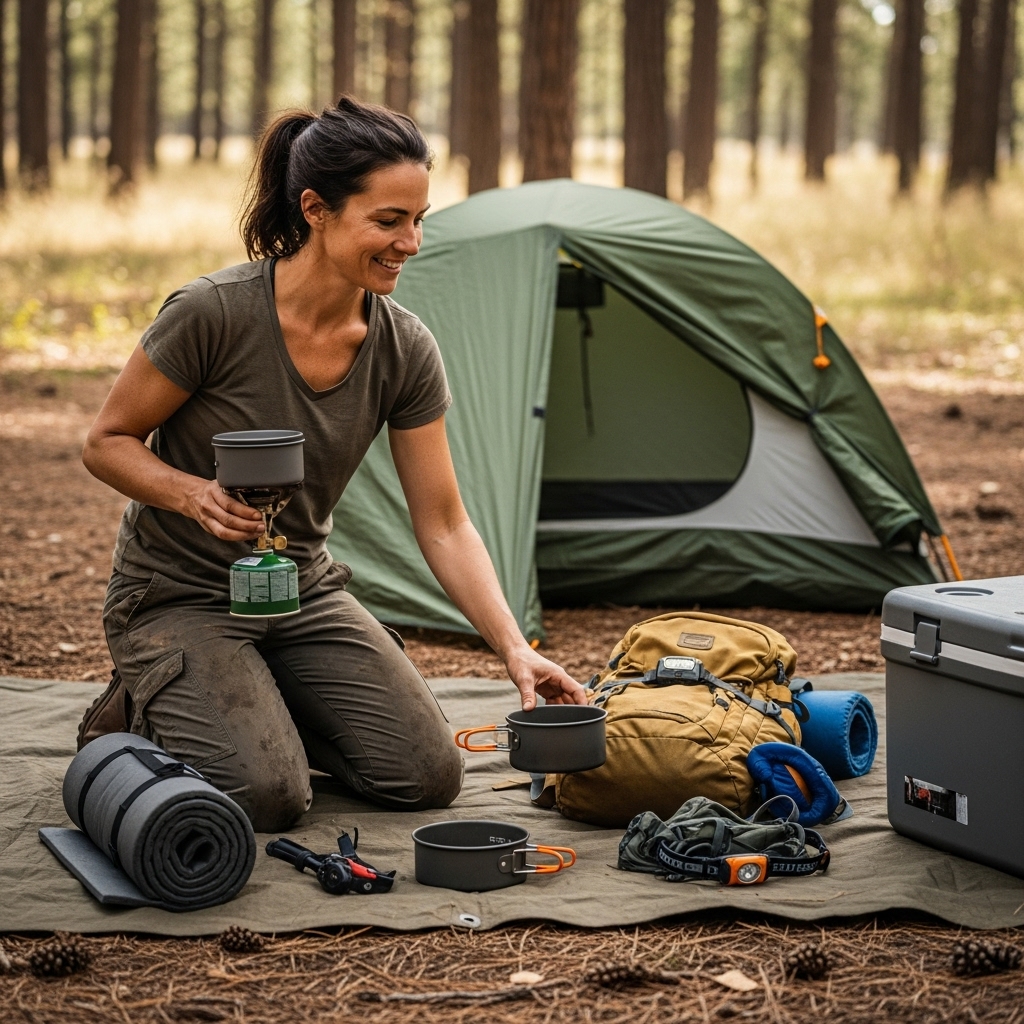

Planning a solo backcountry route or overnight hiking trek usually begins with trimming pack weight wherever possible. A shelter represents one of the largest physical items in any trail kit, leading solo hikers to ask what is the lightest 1 person tent for their camping style. Shaving pack weight sounds simple, yet choosing a solo shelter requires balancing trail weight, usable interior floor area, and structural weather protection. Campers often discover that saving a few ounces can mean sacrificing comfortable head clearance or storm stability.
A dependable solo tent must handle wind gusts and steady rain without feeling like an uncomfortably cramped bivy sack. Evaluating fabrics, pole structures, and waterproof coatings alongside packed weight ensures you do not compromise basic protection in the field. When preparing for unpredictable conditions, reviewing heavy-duty water-resistant camping tents clarifies how rainfly coverage and floor construction impact shelter security. Understanding how manufacturers measure dimensions and packed weights allows solo hikers to choose a shelter that fits their trail demands.

Pros
- Generous 8.2-foot interior floor length comfortably fits tall campers without feet rubbing against tent walls.
- Robust 3500mm to 4000mm waterproof rating with comprehensive factory seam taping across high-stress zones.
- Durable aluminum ridge pole provides greater stability in wind than flexible fiberglass poles.
- Simple single-pole configuration enables quick pitching even in fading daylight or rain.
Cons
- Peak interior height under three feet restricts vertical mobility primarily to sitting or lying down.
- Snug solo footprint provides minimal elbow room for changing clothes inside the shelter.
- Single side door requires careful exit during rainy weather to avoid letting moisture inside.
The camppal 1 Person Tent is a low-profile solo shelter engineered for minimalist backpackers, solo hunters, long-distance hikers, and backcountry adventurers seeking dependable weather protection without hauling unnecessary weight. Featuring an elongated footprint measuring 8.2 feet in length, this tent directly resolves a common issue for tall solo campers by ensuring sleeping bags do not press against damp walls. Designed around a single-pole architecture and weighing under four pounds, it serves as a roomy, weather-resistant alternative to a traditional bivy sack while retaining the compact packability required for fast-moving wilderness trips.
Weather protection is anchored by an outer rainfly providing an impressive 3500mm to 4000mm hydrostatic head rating, which is substantially higher than standard entry-level solo tents. To keep groundwater and driving storms at bay, the design incorporates fully taped seams across the floor corners, zipper tracks, and PVC-reinforced velcro closures. The ripstop outer fabric prevents wind-driven tears, while the contoured, low-slung profile supported by an aluminum ridge pole deflects mountain gales rather than catching them. Product specifications indicate this shelter delivers multi-season resilience against heavy downpours, windstorms, and light snow.
Usable living space inside focuses on practical storage and sleeping comfort. The inner tent provides a floor area of 8.2 feet long by roughly 2.95 feet wide, offering ample room at the head or foot for backpacks, boots, and dry layers alongside a standard sleeping pad. Maximum headroom measures approximately 2.95 feet, meaning campers can sit upright to read or change shirts, though vertical clearance remains snug. Outside the sleeping chamber, the extended rainfly forms a 1.31-foot side vestibule that shields trail footwear and cooking gear from overnight dew and driving rain.
Pitching this tent takes minimal effort thanks to the simple single aluminum ridge pole configuration. Backpackers reaching camp after dark or under threatening skies can complete assembly in approximately three minutes using the straightforward pole grommets and reinforced ground stakes. The aluminum frame delivers reliable structural strength compared to fiberglass poles, which helps prevent buckling during sudden mountain gusts. In addition, the fabric adheres to CPAI-84 fire retardant standards, providing extra reassurance around active camp kitchens.
While this shelter excels in weatherproofing and streamlined packability, buyers should consider the natural limitations of a low-profile solo design. The compact interior requires thoughtful gear organization and adequate venting to manage internal condensation during humid nights. For solo weekend backpacking trips, backcountry hunting scouting, and emergency preparedness kits where weather resistance, weight savings, and sleeping length matter most, this camppal shelter delivers reliable performance and great outdoor value.
Equipped with an outer fly rated at 3500mm to 4000mm water resistance, this tent is built to handle heavy rain, continuous drizzle, and damp mountain fog. Factory seam taping seals critical stress areas along the zippers, floor corners, and velcro anchor points to prevent seam leakage. The aerodynamic single-pole profile sheds crosswinds efficiently, reducing buffeting noise and frame fatigue in stormy conditions.
The inner sleeping quarters measure 8.2 feet long by 2.95 feet wide with a peak center height of 2.95 feet, making it exceptionally friendly for tall outdoor enthusiasts. The outer rainfly extends outward by 1.31 feet along the side to create an exterior gear vestibule. Pitching takes about three minutes by threading the single aluminum ridge pole and staking out the corners, ensuring minimal setup hassle after a demanding hike.

Pros
- PU 3000mm waterproof coating and factory-taped seams offer dependable rain protection for a single-layer tent.
- Protective pole casing prevents the painful fiberglass splinters common with budget fiberglass poles.
- Simple two-pole cross sleeve design enables rapid, hassle-free solo setup in under two minutes.
- Generous 7-foot interior length provides ample room for taller campers plus interior gear storage.
Cons
- Single-layer design requires adequate airflow to prevent interior condensation during cold or humid nights.
- At 4.34 pounds, it is heavier than dedicated ultralight backcountry shelters.
- The 3.8-foot width realistically accommodates only one adult with gear rather than two full-sized adults.
The Night Cat Backpacking Tent is a compact, single-layer dome shelter engineered for solo adventurers, scouts, weekend hikers, and first-time campers looking for a practical, low-cost outdoor shelter. With interior floor dimensions measuring 7.0 by 3.8 feet and a peak center height of 3.6 feet, this shelter is proportioned to give a single adult sleeper generous elbow room with dedicated space along the perimeter to stash a trail pack, boots, and clothing. While the listing notes capacity for an adult and a small child, practical trail use makes it primarily an efficient one-person backpacking and camp shelter.
For weather management, the tent utilizes polyester fabric treated with a PU 3000mm waterproof coating, complemented by sealed, taped seams along the structural stitching. This level of waterproof protection is designed to withstand passing rainstorms and prevent moisture penetration from the wet ground. Because this is a single-layer tent without a separate full-coverage rainfly, managing air circulation is critical. Night Cat addresses this through a large mesh front entryway and an integrated mesh roof window, which work together to facilitate fresh air exchange and keep flying pests out of the sleeping quarters.
The frame relies on two foldable fiberglass poles equipped with an upgraded protective casing. Traditional single-layer fiberglass poles can develop micro-splinters over time that irritate hands during assembly, but this dual-layer sleeve construction shields campers during handling. Pitching the shelter requires sliding both poles through the diagonal roof sleeves and anchoring the corners, a straightforward routine that takes approximately one to two minutes even when arriving at camp after dusk. Once staked, the freestanding dome structure holds its shape cleanly in moderate winds.
Portability is a strong attribute for youth groups and weekend travelers, with the tent packing down into an included carry bag measuring 16.5 by 4.7 by 4.7 inches. At an overall weight of roughly 4.34 pounds, it sits between heavier car camping options and premium ultralight shelters. While long-distance thru-hikers counting every ounce may prefer a lighter tarp or trekking-pole tent, this weight and compact packed size fit conveniently into scout gear packs, motorcycle saddlebags, and car trunks for spontaneous overnights.
Before planning an extended trip, campers should account for the functional tradeoffs of a single-wall shelter. In damp, chilly environments, warm breath will create condensation along the interior polyester walls if the mesh vents are kept shut. Additionally, because there is no external vestibule, muddy footwear and wet outerwear must be brought inside the main tent floor. For budget-conscious hikers, motorcycle campers, scouts, and festival goers seeking a simple, waterproof, and easy-to-pitch solo shelter, the Night Cat tent provides a balanced, accessible solution.
Setting up the Night Cat tent requires minimal effort thanks to its streamlined two-pole sleeve structure. The fiberglass poles slide directly into diagonal sleeves across the canopy, allowing a single person to erect the freestanding dome in roughly one to two minutes without complex hub mechanisms.
Takedown is equally quick, rolling neatly into an included 16.5 by 4.7-inch carry sack. At approximately 4.34 pounds, the tent packs down compactly enough to strap onto the bottom of a backpack, secure to a bicycle rack, or store in a vehicle trunk for weekend outings.
Constructed with PU 3000mm coated polyester and heat-sealed taped seams, this shelter is built to keep rain from penetrating the interior cabin during unexpected downpours. The aerodynamic dome geometry also assists in deflecting moderate wind gusts when properly staked to the ground.
To mitigate condensation common to single-wall tents, the layout includes a large mesh door and an upper roof mesh vent. Keeping these openings clear allows continuous airflow across the ceiling, helping warm moisture escape while maintaining dependable insect defense.

Pros
- Straightforward pole-clip attachment eliminates fabric snagging during assembly
- True PU 3000mm waterproof coating on both the tent body and the rugged 150D Oxford floor
- Compact 16.5-inch packed length makes transport effortless for solo journeys and bike packing
- Roomy interior height of 45 inches allows comfortable seated movement inside
Cons
- At 4.4 pounds, it is heavier than dedicated ultralight solo shelters
- Fiberglass poles do not provide the weight savings or long-term rigidity of high-end aluminum
- Usable interior space is designed strictly for one adult and trail gear, offering minimal room for anyone else
The Night Cat 1-Person Backpacking Tent is a lightweight, freestanding solo dome shelter built for budget-minded backpackers, scout troops, motorcycle campers, and weekend hikers. Designed to eliminate the frustration of threading slender poles through long, snagging fabric sleeves, this shelter relies on quick-attach pole clips. Solo campers can establish a secure camp quickly, even when arriving at a remote campsite after dusk or pitching during sudden weather changes.
Inside the tent, the floor measures 83 by 45 inches with a center peak height of 45 inches. This generous footprint provides ample space for a full-length camping sleeping pad alongside a multi-day backpack, while the 45-inch peak height allows most adults to sit fully upright without rubbing their head against the canopy. The exterior door configuration forms a compact shoe vestibule, providing a dedicated space to keep muddy boots out of the main sleeping compartment.
Weather protection relies on a 210T polyester taffeta canopy paired with a heavy-duty 150D Oxford bathtub-style floor. Both fabrics are backed by a PU 3000mm waterproof coating, and every structural seam features factory waterproof tape to prevent moisture seepage during prolonged rainstorms. To combat interior condensation, the tent incorporates a wide micro-mesh front door and an elevated roof mesh window, allowing natural airflow to vent warm air while keeping insects out.
The structural frame is constructed from foldable fiberglass sections anchored by included metal stakes and adjustable guylines. While fiberglass poles add a bit more trail weight compared to premium aluminum sets, they keep the shelter accessible and allow the entire kit to pack down to a travel-friendly 16.5 by 4.7 by 4.7 inches. At an overall weight of 4.4 pounds (2 kg), the shelter easily packs inside a hiking pack or straps across motorcycle panniers.
Campers planning multi-week treks should note the inherent balance between cost and weight. While 4.4 pounds is manageable for overnight and weekend hikes, it exceeds the weight threshold preferred by strict ultralight thru-hikers. Additionally, while the product listing notes that an adult could squeeze in with a small child in an emergency, the interior is realistically sized for one camper and their gear.
For solo adventurers, scouts, car campers, and weekend hikers seeking a dependable, budget-friendly three-season shelter, the Night Cat solo tent offers solid value. Its proven PU 3000mm waterproofing, rapid clip assembly, and comfortable interior headroom make it a dependable shelter for exploring state parks, trailheads, and outdoor festivals.
The Night Cat solo tent is engineered with genuine PU 3000mm waterproof coatings applied across both the 210T polyester taffeta upper fabric and the rugged 150D Oxford ground sheet. Factory-applied waterproof seam tape covers all structural stitching to block driving rain and prevent damp ground moisture from soaking through the floor.
In blustery weather, the classic dome profile sheds wind effectively when staked down with the included metal ground stakes and tensioned guylines. The permanently tethered rainfly cap covers the roof mesh vent against straight-down downpours without blowing loose in shifting gusts.
Setting up the Night Cat tent takes only a couple of minutes thanks to its clip-attachment system. Instead of fighting with full-length fabric pole sleeves, you simply assemble the two foldable fiberglass poles, cross them into the corner grommets, and snap the external tent clips directly over the frame.
Packed portability is a standout highlight, collapsing down to 16.5 by 4.7 by 4.7 inches in its included storage sack. At 4.4 pounds, it stows easily inside standard 40-liter to 65-liter backpacking packs, fits across motorcycle racks, and tucks neatly into compact vehicle trunks for spontaneous weekend escapes.

Pros
- Dual-layer door design allows campers to choose between bug-screen airflow and zippered fabric privacy
- Compact packed dimensions of 23 by 4 inches fit easily into vehicle trunks or gear storage closets
- Interior wall pocket keeps small accessories such as flashlights or keys off the tent floor
- Includes a removable rain fly to provide adjustable overhead airflow and shade
Cons
- Conflicting weight figures (2.75 pounds in feature bullet versus 3.15 kilograms in technical specifications) create uncertainty for backpackers
- Modest 40-inch peak height and 77-inch length limit interior movement and provide tight quarters for taller campers
- Product listing does not provide a hydrostatic head rating, seam-sealing information, or vestibule storage for inclement weather
The Wakeman Outdoors 2-Person Camping Tent is an entry-level shelter tailored for casual, fair-weather outdoor excursions. Marketed for camping, hiking, fishing, weekend music festivals, and beach days, it provides a simple shelter solution for campers seeking budget-friendly ground accommodation. Its lightweight polyester construction and low-profile structure make it particularly appealing to solo campers, couples, and casual festivalgoers who prioritize straightforward setup over specialized expedition features.
In terms of interior dimensions, the tent body measures 77 inches in length by 57 inches in width, accompanied by a 40-inch center peak height. While the manufacturer lists this model for two people, campers should distinguish stated capacity from comfortable living space. At 77 inches long (under six and a half feet), taller sleepers may find their feet or head touching the sloping walls. Furthermore, placing two regular sleeping pads across the 57-inch floor width leaves minimal space for packs or boots, making the interior substantially more practical for a single camper with gear or two occupants traveling with minimal supplies.
The structural layout relies on flexible 3mm fiberglass poles to pitch the freestanding dome frame. Entry is gained through a single dual-layer door featuring an inner insect screen and an outer zippered polyester panel. Sewn-in fabric ties allow campers to secure the layers open for breeze or closed for privacy and wind shielding. Ventilation is assisted by a dedicated ventilation window, while an internal pocket offers convenient off-the-floor organization for small personal items like phones or flashlights.
For transport and campsite logistics, the tent breaks down into an included cylindrical carry bag measuring 23 inches long by 4 inches wide. However, potential buyers should note a clear discrepancy in the manufacturer's weight data: one bullet lists the tent at 2.75 pounds, while the specification table lists 3.15 kilograms (roughly 6.9 pounds). For vehicle-based trips, this variation is negligible, but it represents an important consideration for anyone planning to carry the tent in a backpack. After trips, standard care involves wiping the fabric clean and ensuring the tent and rain fly are completely dry before long-term storage in the carry bag.
This shelter has realistic limitations consistent with basic recreational tents. The listing does not specify a waterproof hydrostatic head millimeter rating, seam taping, or reinforced storm guylines, and the rain fly provides partial roof coverage rather than full ground-reaching protection. There are also no external vestibules for sheltered footwear storage. While the description refers to both an easy-up and pop-up design alongside 3mm fiberglass poles, the assembly follows a traditional pole-supported dome structure rather than an integrated automatic pop-out spring frame.
The Wakeman Outdoors 2-Person Tent serves as an accessible option for warm-weather car campers, beachgoers, and budget-minded festival attendees who need simple overhead shade and insect protection. Those planning trips in heavy rain, strong winds, or extended backcountry trails should evaluate alternatives featuring full-coverage rain flies, verified waterproof ratings, and confirmed trail weights.
The tent offers a floor footprint of 77 inches by 57 inches with a center ceiling height of 40 inches. This size can accommodate two standard sleeping pads laid side by side, but leaves virtually no room along the perimeter for extra gear bags or bulky backpacks.
For solo campers, the footprint offers a practical blend of sleeping area and interior gear storage. The 40-inch peak height requires sitting or kneeling, so campers planning extended tent time or seeking standing room will prefer a taller cabin-style shelter.
Constructed with 190T polyester and 3mm fiberglass poles, this shelter utilizes a conventional dome design. It includes a removable rain fly that fastens over the roof to provide overhead protection while leaving lower sections open for airflow.
The dual-layer door gives users flexibility in balancing airflow and privacy. An integrated ventilation window aids circulation, and a single interior pocket provides quick access to small campsite necessities.
When disassembled, the tent components pack into a 23-inch by 4-inch carrying bag, providing a slim profile suitable for vehicle trunks, camper vans, or garage gear bins.
Shoppers should verify their transport plans against the conflicting weight listings. The feature summary states 2.75 pounds, whereas the technical specification table indicates 3.15 kilograms (around 6.9 pounds). Because of this unresolved difference, campers carrying gear on foot should exercise caution before choosing this shelter for backpacking.

Pros
- Extended 8.2-foot floor length comfortably accommodates taller hikers and provides interior gear storage.
- High waterproof coating of 3500mm paired with taped seams delivers reliable wet-weather performance.
- Single-ridge aluminum pole construction ensures quick, hassle-free pitching in deteriorating weather.
- Durable ripstop fabric and wind-shedding design offer dependable stability in exposed outdoor environments.
Cons
- Low peak height of around 3 feet limits seated headroom when changing clothes or sitting upright.
- Listing details show minor weight discrepancies between 2.7 and 3.75 pounds that weight-sensitive hikers should verify.
- Compact solo footprint offers narrow elbow room strictly tailored for one person.
The Camppal 1-Person Tent is a purpose-built solo shelter engineered for hikers, backpackers, hunters, and solo adventurers who prioritize weather defense and rapid deployment in the backcountry. Designed with an extended 8.2-foot sleeping footprint and a streamlined low-profile silhouette, this shelter serves as a roomy alternative to a cramped bivy sack. Whether you are heading out for a weekend backpacking trek in the mountains or establishing a hunting outpost, its compact footprint fits into tight trail clearings where larger multi-person tents cannot go.
Weather resistance stands out as a core design focus, backed by an outer fly rated at 3500mm to 4000mm of water resistance. The construction incorporates comprehensive seam taping across the four bottom corners, zipper lines, and velcro closures with PVC reinforcement to prevent moisture seepage during persistent storms. Its anti-tearing ripstop fabric and sturdy single aluminum ridge pole work together to deflect wind gusts and manage light snow loads, making it a capable companion for three-season and milder shoulder-season conditions.
Interior space balances a compact trail footprint with extra-long usable sleeping room. At 8.2 feet in length and nearly 3 feet in width, the inner tent gives taller campers plenty of stretch-out room without forcing sleeping bags against wet tent walls. The extra floor space easily houses boots, dry bags, and clothes at the foot of your sleeping pad. An additional 1.3-foot vestibule area sheltered by the outer rainfly provides a protected exterior staging zone for damp footwear and packs, keeping dirt and moisture out of your dry sleeping area.
Pitching the tent is straightforward thanks to its single-ridge aluminum pole architecture. Solo campers can secure the frame and stake down the fly in just a few minutes, which proves invaluable when setting up camp after dark or under an approaching rainstorm. With a listed trail weight between 2.7 and 3.75 pounds, the shelter packs down small enough to strap onto a backpack or stow inside a bike pannier, offering dependable portability for fast-moving trekkers.
The low peak height of approximately 3 feet means seated headroom is limited, so changing clothes requires lying down or hunching over. Campers should also monitor ventilation to avoid interior condensation during damp, cool nights. For solo backpackers, scouts, hunters, and minimalist campers seeking dependable storm protection and extra legroom at an accessible price point, the Camppal 1-Person Tent delivers a balanced blend of weatherproofing, durability, and practical backcountry utility.
The Camppal 1-Person Tent utilizes an outer rainfly with a substantial 3500mm to 4000mm waterproof coating, designed to prevent water ingress during prolonged downpours. Factory-taped seams along the floor corners, zipper paths, and PVC-reinforced velcro closures provide critical barrier protection at common leak points.
Its low-slung, aerodynamic profile and durable aluminum ridge pole help the tent shed brisk winds efficiently. Guyline attachment points and reinforced stakes anchor the shelter firmly in exposed backcountry terrain, offering dependable stability against unpredictable mountain weather.
Evaluating Solo Tent Weight, Usable Space, and Trail Performance
Identifying the lightest solo shelter involves more than picking the smallest number on a specification sheet. Tent designs range from ultralight ridge shelters to compact freestanding dome tents, each presenting unique trade-offs in durability, headroom, and foul-weather stability. Exploring how materials, frame structures, and interior dimensions interact helps solo campers select a shelter that stays manageable in a pack without failing in the backcountry.
Defining Solo Tent Weight: Trail Weight Versus Packed Weight
Understanding weight specifications begins with recognizing the difference between trail weight and packed weight. Manufacturers often advertise minimum trail weight, which typically accounts for only the tent body, the rainfly, and the pole set. This figure reflects the bare minimum hardware required to pitch the shelter on a calm night.
Packed weight paints a more realistic picture of what you will actually carry on the trail. This measurement includes all ground stakes, guy lines, stuff sacks, repair sleeves, and instruction manuals shipped in the box. The difference between trail weight and packed weight can easily range from several ounces to nearly a full pound depending on hardware quality.
Solo hikers must also consider packed volume alongside pure scale weight. A shelter might register as lightweight, but bulky fabrics or long pole sections can occupy excessive interior room in a backpack. Examining packed dimensions ensures the folded bundle slides easily into your pack or mounts securely to a bicycle frame.
Weight Profiles Across Available Solo and Compact Shelters
Available solo shelters display a distinct spectrum of weights based on their construction and intended camping style. The Wakeman Outdoors compact tent lists a total weight of 2.75 pounds, making it an exceptionally light option for casual outings. While labeled as a compact two-person shelter, its dimensions function smoothly as a roomier solo shelter for campers who prioritize minimal carrying heft.
The camppal 1 Person Tent provides a dedicated solo footprint with a listed weight of 3.75 pounds. This model utilizes an extended length and robust single-pole ridge architecture, striking a practical middle ground between bivy portability and full-shelter comfort. Its package size remains compact while offering substantial weatherproofing features.
Dome options from Night Cat register at approximately 4.4 pounds, or 2 kilograms, for their solo-to-two-person backpacking configurations. While carrying an extra pound compared to minimalist ridge options, these dome designs provide traditional crossing poles and higher peak heights. Deciding whether that additional weight makes sense depends largely on whether you prefer sitting room or bare-minimum pack weight.
Structural Architecture: Single Ridge Poles Versus Freestanding Domes
Shelter architecture dictates how a tent handles wind, rain, and uneven terrain. The camppal solo design utilizes a single longitudinal ridge pole that creates a streamlined, low-profile tunnel profile. This aerodynamic shape sheds strong winds efficiently and drastically reduces the amount of pole hardware required in your pack.
Traditional dome configurations, like those featured on the Night Cat and Wakeman models, employ two crossing poles to form a freestanding structure. Freestanding tents can stand upright and hold their shape before you drive a single stake into the ground. This feature simplifies pitching on hard-packed soil, sand, or wooden camping platforms where driving stakes presents a challenge.
Non-freestanding or semi-freestanding ridge tents require firm tension at the perimeter stakes to achieve their full internal volume. If an end stake pulls loose in soft ground, the tent walls can sag inward toward the sleeper. Campers choosing minimalist ridge tents should practice staking techniques and carry stakes suited to their expected soil conditions.
Pole Materials and Durability: Aluminum Versus Fiberglass Construction
Pole composition plays a significant role in total shelter weight, structural rigidity, and long-term trail durability. The camppal solo tent features durable aluminum pole construction designed to withstand rugged mountain conditions. Aluminum delivers high tensile strength relative to its weight, flexing under heavy wind loads without snapping or splintering.
Fiberglass poles are commonly found in accessible camping options like the Wakeman and Night Cat shelters. Fiberglass offers dependable flexibility for casual use, though it carries slightly more weight than comparable aluminum alloys. Night Cat addresses common handling concerns by wrapping their fiberglass poles in a protective outer casing, preventing tiny fiberglass fragments from irritating hands during assembly.
When selecting a solo shelter, evaluating your typical camping environment helps determine the right pole material. Aluminum poles generally perform better in sub-freezing temperatures and continuous high winds where structural failure must be avoided. Fiberglass poles offer dependable utility for forest camping, summer backpacking, and weekend trips where extreme wind exposure is minimal.
Usable Interior Space: Extended Floor Length and Sitting Headroom
Chasing the lowest possible pack weight frequently results in reduced interior volume, making floor measurements critical for taller hikers. The camppal 1 Person Tent addresses this challenge with an extended floor length of 8.2 feet, paired with a width of 2.95 feet and a height of 2.95 feet. This extended layout allows taller campers to stretch out fully without sleeping bag footboxes rubbing against damp tent walls.
Dome shelters offer a different spatial balance with greater peak height and floor width. The Night Cat backpacking tent measures 7.0 feet long by 3.8 feet wide, providing a peak height of up to 3.8 feet. Hikers who transition from spacious camping tent options to solo shelters often find that the extra width provides welcome room to store a full backpack alongside a sleeping pad.
Vestibule space further expands practical living area without adding significant weight to the shelter package. The upgraded Night Cat model incorporates a small front vestibule for stashing muddy boots before crawling inside. Storing wet gear outside the sleeping compartment keeps internal floor space dry and orderly throughout rainy nights.
Weather Protection: Hydrostatic Head Ratings and Seam Construction
Compact solo tents require dependable waterproof barriers because occupants sleep close to the outer canopy. The camppal shelter utilizes an outer fabric rated between 3500mm and 4000mm of water resistance, combined with waterproof seam taping along zippers, corners, and velcro points. These specifications indicate strong resistance against water penetration during intense mountain downpours.
Night Cat models feature 210T polyester taffeta with a 3000mm polyurethane coating and a rugged 150D oxford floor fabric. The Wakeman tent utilizes 190T polyester paired with an attachable rainfly cap designed for moderate summer weather. A heavy waterproof coating on the tent floor prevents ground moisture from soaking through under body weight.
A high waterproof rating alone does not guarantee a dry night if the shelter is pitched improperly. Wind-driven rain can find its way under rainfly edges if perimeter guy lines lack sufficient tension. Angling guy lines away from the tent corners and staking them securely creates taut rainfly panels that channel runoff smoothly to the ground.
Ventilation Management and Condensation in Compact Shelters
Managing internal condensation represents a persistent challenge inside small solo camping shelters. Human respiration releases substantial moisture into the air each night, which naturally condenses against cool tent fabric when temperatures drop. Without active airflow channels, solo campers can wake up to damp sleeping bags even during clear, dry weather.
Ventilation features such as large mesh roof vents and dual-layer doors promote continuous air exchange. The Wakeman and Night Cat tents feature inner mesh screen doors that allow gentle breezes to circulate while keeping biting insects outside. While specialized materials in dark-room camping tent designs focus on blocking sunlight, solo tents rely on strategic roof mesh to vent warm, humid air before it settles on the walls.
Preserving separation between the inner tent body and the outer rainfly is vital for moisture control. When the rainfly sags against the inner wall, water transfers directly into the living space. Keeping guy lines taut and utilizing integrated rainfly standoffs prevents contact and allows condensation to run harmlessly down the fly fabric.
Pitching and Setup Efficiency: Continuous Sleeves Versus Rapid Clips
Arriving at camp in fading daylight or incoming rain makes pitching speed an important practical consideration. The camppal solo tent utilizes a streamlined single-pole structure designed for quick assembly in roughly three minutes. Having only one ridge pole eliminates confusion over pole orientation and allows solo travelers to establish shelter with minimal fuss.
Setup methods differ significantly among dome designs as well. The upgraded Night Cat backpacking tent utilizes external snap clips to attach the tent body to the frame poles, reducing pitching time to about one minute. In contrast, traditional continuous pole sleeves require carefully feeding pole sections through long fabric channels, which can snag when done quickly.
Clip systems also make takedown faster when packing up camp on chilly mornings. Campers can simply unsnap the clips, collapse the shock-corded poles, and fold the fabric without fighting pole tips stuck inside tight sleeves. Ensuring that corner grommets and clip seams remain reinforced prevents fabric stress over repeated pitching cycles.
Long-Term Care, Fabric Maintenance, and Solo Shelter Storage
Maintaining lightweight solo shelters requires mindful care before, during, and after every camping excursion. Clear the ground of sharp rocks, twigs, and pinecones before unrolling the tent to protect thin floor fabrics from punctures. Using a properly sized groundsheet or footprint adds valuable protection against ground abrasion and extends the working life of the floor coating.
Never pack a solo tent away for long-term storage while it contains residual moisture from rain or morning condensation. Trapped moisture allows mildew to form, which degrades polyurethane waterproof coatings and causes seam tapes to peel away. After returning home, pitch the tent or hang it loosely in a dry, shaded room until every seam and fabric fold is thoroughly dry.
Regularly inspect poles, zippers, and stake points to catch small issues before they turn into trail failures. Wipe dirt from zipper teeth with a damp cloth to prevent jamming, and examine shock cords inside aluminum or fiberglass poles for fraying. Storing the clean, dry tent in a loose, breathable bag protects delicate fabrics and ensures your solo shelter remains dependable for future trips.
Finding the right solo shelter ultimately depends on how you weigh carrying weight against internal comfort and storm defense. A sub-three-pound shelter offers effortless portage for fast-and-light summer hikes, while slightly heavier ridge or dome tents provide extended floor length, aluminum poles, and higher waterproof ratings for demanding weather. Choosing the configuration that aligns with your typical trail conditions ensures a secure, comfortable night under the stars.


Write Your Review
No reviews yet. Be the first to share your experience!