

Planning a cold-weather trip or facing winter conditions requires a shelter that does far more than deflect an occasional shower. Understanding what makes a tent 4 season comes down to structural integrity, fabric density, and specialized features designed to endure heavy snow loads and fierce winds. While standard summer shelters prioritize breezy airflow, winter-ready shelters focus on shielding occupants from blowing spindrift and freezing drafts. Pairing the right shelter with proven heavy duty water resistant tent options helps outdoor enthusiasts remain safe and protected during unpredictable storms.
A true four-season shelter functions as a protective bunker against harsh elements rather than a portable sunshade. The fundamental difference lies in heavier fabrics, rigid pole geometries, and sealed inner walls that block sub-freezing gusts. Many campers mistakenly assume four-season shelters generate heat, but their real objective is preserving internal warmth and maintaining structural stability under snow accumulation. Evaluating these essential engineering factors ensures you select an appropriate shelter for cold backcountry adventures.

Pros
- Roll-up snow skirt offers genuine multi-season flexibility for both winter conditions and warm-weather trips
- Heavy-duty PU5000mm waterproof rating provides peace of mind during sustained rainfall
- Stout aluminum pole architecture is much more reliable in strong winds than cheap fiberglass frames
- Roomy interior footprint comfortably accommodates two regular sleeping pads with room to spare
Cons
- Total weight of 5.73 pounds is somewhat heavy for ultralight solo thru-hikers
- Vestibule storage is modest, requiring organized gear staging when shared by two adults
- Included ground stakes may need an upgrade for frozen ground or deep powdery snow
The Underwood Aggregator 2-Person 4-Season Tent is an adaptable all-weather shelter engineered for campers who refuse to let dropping temperatures end their outdoor adventures. Designed specifically for backpackers, cold-weather hikers, weekend warriors, and budget-conscious outdoor enthusiasts, this shelter aims to provide reliable four-season shelter without the steep investment typically associated with mountaineering gear. Whether you are trekking into crisp autumn woods, pitching near an alpine lake, or car camping during an early winter cold front, this tent provides practical protection across changing seasons.
Weather protection stands out as the primary advantage of this shelter. Featuring an impressive PU5000mm waterproof coating on its full-coverage rainfly, it easily sheds sustained rainstorms and wet snow flurries. The integrated perimeter snow skirt is a standout feature for sub-freezing outings, effectively blocking drafty gusts and drifting snow when extended. When camping in warmer spring and summer conditions, the snow skirt rolls up neatly to expose mesh panels that encourage airflow, helping manage condensation and maintain interior comfort through muggy nights.
Structural strength comes from aircraft-grade aluminum poles coupled with Duraflex hardware and double-layered corner reinforcements. This rigid framework holds firm against shifting winds on exposed ridges where standard fiberglass poles often bend or split. Inside, the tent offers a generous 59.1 by 86.6-inch floor plan and a 45.3-inch peak height, allowing two campers to sit up comfortably without brushing against the ceiling fabric. Practical touches like a centered lantern loop, internal storage pockets for phones and headlamps, and snag-resistant two-way zippers enhance overall camp livability.
Setting up camp after a long hike or in fading evening light is straightforward thanks to the freestanding pole structure and clip-on canopy design. Once packed into its included carry sack, the tent measures a compact 16.54 by 5.9 inches. At 5.73 pounds, it is manageable for short backcountry trips, split between two hikers, or stashed effortlessly into an overland rig or car trunk for weekend escapes. Cleaning and maintenance are simple, requiring only a gentle wipe-down with fresh water and complete air drying before long-term storage to preserve the polyurethane waterproof coating.
While the tent handles varied weather remarkably well, prospective buyers should recognize realistic trade-offs. Ultralight thru-hikers covering massive daily mileage might find the total trail weight slightly hefty for solo trekking. Additionally, the standard ground stakes work adequately in typical soil but may require sturdier snow stakes for deep winter drifts. For budget-minded adventurers, couples tackling three-to-four-season trips, and car campers seeking dependable storm protection, this shelter delivers a balanced mix of durability, wet-weather defense, and affordable multi-season value.
An aggressive PU5000mm waterproof coating shields the full-coverage fly against driving rain, sleet, and wet snow, keeping the living quarters dry through prolonged storms.
The adaptable snow skirt seals the base against biting cold drafts and blowing powder in sub-freezing temperatures, yet fastens upward when mild weather calls for maximum cross-ventilation.
The freestanding aluminum pole structure allows for fast, intuitive assembly, making it easy to pitch shelter quickly even if you arrive at your campsite after dark.
Duraflex buckles and swift-clipping hooks streamline both setup and breakdown, allowing the entire system to pack neatly back into its compact 16.5-inch carry sack.
Pros
- High PU5000mm waterproof rating keeps gear and bedding dry through heavy downpours and melting snow
- Rollable snow skirts provide genuine four-season versatility across winter chills and warm summer nights
- Aircraft-grade aluminum poles provide solid structural rigidity against gusty backcountry winds
- Compact 15-inch packed length fits easily into backpacks, kayak compartments, and motorcycle panniers
Cons
- At around 4.4 pounds, it is heavier than specialized ultralight 3-season solo shelters
- The 35.8-inch peak height provides modest sitting headroom, which may feel tight for taller campers
- Narrow interior width leaves minimal space for bulky backpacks beside a wide sleeping pad
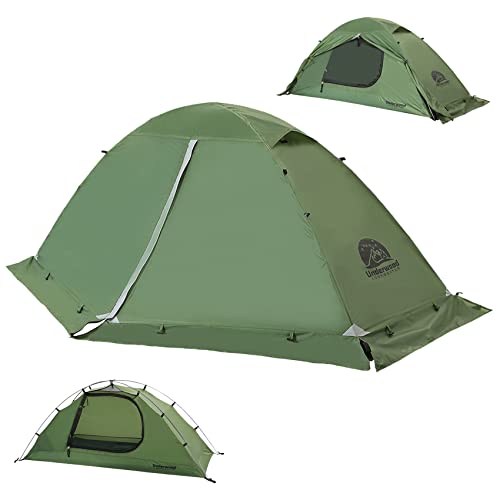
The Underwood Aggregator 1 Person 4 Season Backpacking Tent is an all-weather solo shelter built for outdoor enthusiasts who refuse to pack up their gear when autumn fades into winter. Unlike standard three-season tents that rely primarily on lightweight mesh, this model provides cold-weather fortification with full-coverage protection and integrated snow skirts. It is well-suited for solo backpackers, winter hikers, hunters, bikepackers, survivalists, and budget-conscious adventurers who need an affordable, stormproof refuge on backcountry trails.
Weather protection is the standout attribute of this tent. The fly and floor feature a robust PU5000mm waterproof polyurethane coating designed to shed driving rain, freezing sleet, and wet snow without leaking. During sub-freezing outings, the snow skirts can be staked flat or weighted down with snow and rocks to seal out frigid drafts and drifting spindrift. In warmer weather, the skirts roll up neatly to expose the lower perimeter, allowing the interior mesh panels and double-layer zippered door to circulate fresh air and manage condensation buildup effectively.
Structural integrity relies on aircraft-grade aluminum poles rather than brittle fiberglass, providing significant resilience against howling ridge winds and moderate snow loads. Heavy-duty Duraflex hardware links the inner body to the outer fly, while reinforced double-layer corners prevent stress tears at high-tension stake-out points. Factory-taped seams and reliable two-way entry zippers ensure that moisture stays locked outside even during extended, multiday mountain downpours.
Pitching camp after dusk is simple thanks to the freestanding pole architecture, which allows campers to erect the frame before positioning it on ideal level ground. Inside, the 86.6-inch length offers plenty of stretching room for taller campers, leaving valuable space near the feet to tuck a boot bag or warm layers. Practical internal accents like an overhead lantern loop and a mesh stash pocket keep headlamps, phones, and small essentials organized and within easy reach.
There are practical limitations to keep in mind before heading out. Weighing approximately 4.4 pounds, this shelter is noticeably heavier than fragile ultralight setups, making it better for cold-weather reliability than fast-and-light thru-hikes. Additionally, the 35.8-inch peak height means taller hikers will have to hunch slightly while sitting upright, and large multi-day packs will likely need to live under the vestibule rather than on the tent floor.
For solo adventurers seeking an accessible, four-season shelter that performs across crisp autumn mornings, snow-covered trails, and rainy spring weekend trips, this tent delivers dependable value. With proper care, such as drying the fabric completely before long-term storage and brushing grit from the zippers, it serves as a trustworthy outdoor companion for rugged solo excursions throughout the year.
Engineered for harsh environments, this shelter relies on a heavy PU5000mm waterproof coating that prevents moisture penetration during soaking rainstorms and steady snowfall. Taped seam construction seals needle holes along critical stress lines to stop leaks before they start.
The adaptable snow skirt system is especially valuable in freezing conditions. When fully deployed, it blocks icy wind from entering the sleeping quarters and prevents snowdrifts from blowing under the fly. When conditions warm up, rolling the skirts up restores vital airflow through the lower ventilation channels to prevent condensation.
The tent utilizes a straightforward freestanding frame supported by aircraft-grade aluminum poles. This setup simplifies assembly on hardpack gravel, frozen ground, or rocky clearings where driving stakes securely can be challenging.
Packing down to a tight 5.1 by 15 inches, the tent fits comfortably inside mid-sized hiking packs or straps cleanly to external compression straps. While the 4.4-pound total weight is slightly heavier than minimalist summer tarps, the extra heft translates directly into durable fabrics and dependable winter-grade protection.
Pros
- High 5000mm waterproof rating on both flysheet and bathtub floor resists heavy downpours and wet ground
- Snow flaps effectively block winter drafts and blowing spindrift from entering the sleeping quarters
- Freestanding aluminum pole structure sets up quickly with one person, even in low light
- Dual vestibules and dual doors eliminate the hassle of crawling over a tent mate to exit
Cons
- Total weight of 6.28 pounds is relatively heavy for long-distance ultralight backpacking
- Interior width is snug when accommodating two large adults with wide winter sleeping pads
- Solid fabric inner tent traps warmth well but requires careful vent adjustment to avoid condensation in humid conditions
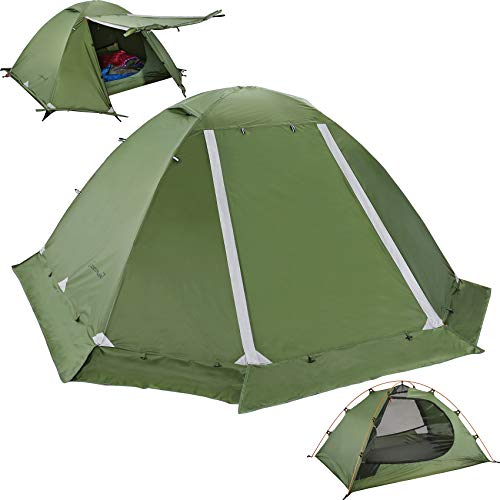
The Clostnature 4-Season 2-Person Backpacking Tent is an all-weather shelter engineered to handle cold weather, rain, and light snow. Designed for budget-conscious backpackers, weekend mountaineers, late-season hunters, and cold-weather car campers, this shelter bridges the gap between typical three-season camping and expensive alpine gear. Having a dependable shelter becomes vital when hiking into elevated backcountry sites or preparing for unpredictable mountain weather where temperatures drop fast after sundown.
Performance in adverse weather is where this shelter shows its true utility. Built with a heavy-duty polyester rainfly and bathtub floor treated with a 5000mm PU waterproof coating, the tent repels persistent downpours and resists moisture seeping up from wet ground. A key highlight for winter outings is the integrated perimeter snow skirt, which blocks freezing spindrift and wind gusts from blowing under the flysheet. Two D-shaped doors with dual-layer solid fabric and mesh panels allow campers to regulate interior airflow, which helps manage internal condensation without letting in freezing drafts.
In terms of build quality, the two-pole freestanding frame uses lightweight aluminum alloy poles rather than brittle fiberglass, providing noticeable structural stability against gusty ridge winds. The floor footprint measures 7 feet 3 inches by 4 feet 11 inches with a peak height of 3 feet 10 inches, giving two average-sized campers adequate space to sleep side by side. Twin vestibules extend beyond the dual entrances, providing sheltered exterior storage for muddy hiking boots, cooking kits, and bulky trekking packs so the living space remains clean and organized.
Pitching this tent is straightforward, even for solo adventurers setting up camp in freezing temperatures or fading light. The freestanding design lets you assemble the inner body quickly with simple pole clips before securing the full-coverage rainfly. Packing down into a compact 16.5 by 5.9-inch carry bag, the system transports easily inside or strapped onto an outdoor backpack. The package also includes 14 aluminum stakes, guylines, and an emergency pole repair sleeve for unexpected trail repairs.
While the tent handles cold winds and moisture well, weight is a notable consideration. At roughly 6.28 pounds for the total package, it is noticeably heavier than dedicated ultralight three-season alternatives, making it better suited for short-mileage winter treks, hunting base camps, or car camping rather than high-mileage thru-hikes. Fitting two broad-shouldered adults alongside bulky winter sleeping pads may also feel snug, making it exceptionally comfortable as a roomy solo winter palace or an efficient two-person setup.
Overall, the Clostnature 4-Season Tent represents solid value for outdoor enthusiasts who want genuine four-season capability on an accessible budget. Whether you are gearing up for late-fall deer hunting, winter car camping, or an early-spring scout trip in the mountains, this tent offers reliable weatherproofing and durable aluminum construction to keep you warm and dry outdoors.
This tent is built to withstand inclement conditions that would push standard three-season models past their limits. The rainfly and bathtub floor both boast a robust 5000mm PU waterproof coating with factory-sealed seams, effectively keeping out torrential rain and ground moisture. The elevated bathtub floor helps ensure that splashing mud or pooling ground runoff does not seep into your sleeping bag.
For cold-weather and winter trips, the flysheet includes built-in snow skirts that can be weighed down with rocks or snow to seal off the tent perimeter. This barrier blocks freezing wind drafts and stops blowing spindrift from drifting into the inner tent. The double-layer doors let you close off mesh panels with solid fabric, retaining internal body heat during chilly mountain nights while still allowing controlled airflow when needed.
Setting up the tent is fast and intuitive thanks to a classic two-pole cross design. The aluminum poles slide smoothly through reinforced grommets and clip directly to the inner tent body, allowing a single camper to pitch the base in just a few minutes. Buckling and pegging out the full rainfly takes only a few minutes more, which is a major advantage when setting up camp in freezing wind or rain.
With a packed size of 16.5 by 5.9 inches, the tent fits neatly inside larger multiday backpacks or straps cleanly onto the bottom of a pack. The trail weight sits at 5.33 pounds when stripping down to the fly, poles, and inner body, while the packed weight with all 14 stakes and lines is 6.28 pounds. Splitting the poles and fabric between two hiking partners makes carrying this cold-weather shelter very manageable on the trail.

Pros
- Manageable 4.8-pound total weight fits backpacking, canoe camping, and trunk storage
- Documented 3000mm waterproof rating on silicone-finished nylon provides reliable rain protection
- Dual-pole crossing dome layout offers an intuitive, uncomplicated pitch for solo setup
- Inner mesh walls facilitate air circulation to help reduce internal condensation in humid weather
- Comes with essential pitching accessories including 10 stakes, 4 guy-lines, and a carry sack
Cons
- Floor width of 49.2 inches creates tight sleeping quarters for two adults using wide sleeping pads
- Listing does not document exterior vestibule dimensions or covered outdoor gear storage
- Inner mesh design provides good ventilation but may offer limited thermal retention in severe winter freezes despite the 4-season label
The OneTigris Stella is a freestanding dome-style shelter built for two occupants, designed specifically for backpackers, bushcrafters, and campers seeking a balance between packability and weather coverage. Structured around a traditional two-pole dome frame, the system combines an inner mesh-accented tent body with a full-coverage, removable blackout rainfly. With a listed total package weight of 4.8 pounds (2.2 kg), it appeals to hikers planning multi-day trail excursions as well as car campers looking for a streamlined, low-bulk sleep system.
Regarding interior dimensions, the Stella provides a floor footprint measuring 82.7 inches long by 49.2 inches wide (approximately 6.9 by 4.1 feet), with an interior peak ceiling height of 45.2 inches (3.7 feet). While officially designated as a two-person shelter, a floor width just over four feet means two standard 20- to 25-inch sleeping pads will occupy virtually the entire floor width edge to edge. Solo adventurers will find plenty of room to spread out alongside their pack and apparel, whereas pairs should anticipate snug sleeping quarters with limited interior staging room for bulky bags.
The tent uses a straightforward pitch design relying on flexible poles that cross diagonally over the top of the canopy and anchor securely into corner floor points. The inner tent body incorporates 20D nylon combined with ventilated mesh panels to promote consistent airflow and reduce interior humidity. Over the frame, the removable 20D nylon fly features a single-layer silicone coating designed to deliver a 3000mm waterproof barrier against driving rain, while the floor uses a more durable 40D nylon construction to resist ground moisture and rough campsite debris.
Portability is a central focus of the Stella, with the complete kit collapsing into an included storage bag measuring 21.7 inches long by 6.3 inches in diameter. Alongside the tent body, outer fly, and poles, the manufacturer bundles ten ground stakes and four 8.2-foot (2.5-meter) guylines to tension the shelter against winds. At under five pounds, the packed package can easily lash to an external backpack strap or stow inside most trekking packs, making it practical for weekend hike-ins, bike touring, or keeping in a vehicle for spontaneous overnight trips.
Campers evaluating the Stella should consider a few functional trade-offs inherent to its compact footprint. Although labeled by the manufacturer as a 4-season tent, the extensive mesh inner construction is primarily geared toward ventilation and moisture control rather than insulating against freezing winds or supporting heavy snow loads. Furthermore, the product documentation does not detail vestibule floor space or exterior covered porches, meaning muddy boots and oversized trekking packs may need to sit inside the sleeping compartment or under separate outdoor cover.
Ultimately, the OneTigris Stella is best suited for solo hikers wanting extra personal space or weight-conscious camping duos who prioritize straightforward assembly and moderate pack weight. When comparing this model to alternative two-person shelters, buyers should weigh the reliable 3000mm silicone-coated waterproof rating and bundled rigging hardware against the narrow floor width. For three-season backpacking, light bushcraft outings, and minimalist weekend trips, it stands as a capable and compact shelter option.
The OneTigris Stella features a setup floor measuring 82.7 inches in length and 49.2 inches in width, accompanied by an interior peak height of 45.2 inches. These dimensions yield roughly 28 square feet of sleeping area, which comfortably accommodates two standard 20-inch sleeping pads side by side.
While rated for two occupants, campers using wider 25-inch pads will find that the gear covers the entire floor width without leftover margins. For solo travelers, the tent functions as a very spacious single-person shelter with ample dry floor area to organize packs, electronics, and clothing away from the elements.
Moisture protection on the Stella centers around a 20D nylon outer fly treated with a single-layer silicone coating that delivers a manufacturer-stated 3000mm waterproof rating. This level of hydrostatic head is designed to shed moderate-to-heavy rainfall when properly pitched and guyed out.
Underneath, the floor is fabricated from a heavier 40D nylon to guard against damp ground conditions. The fly also incorporates blackout properties to minimize morning glare, while the inner mesh walls assist in circulating air and mitigating interior condensation buildup during humid nights.
Weighing in at 4.8 pounds (2.2 kg) complete with its poles, stakes, and storage sack, the Stella sits in an accessible weight class for short backpacking trips, kayak camping, and light trail use. The total packed package measures 21.7 inches long by 6.3 inches in diameter.
The package includes ten aluminum-style ground stakes and four pre-cut 8.2-foot guylines, ensuring campers have the necessary hardware out of the box to pitch the tent securely on turf, soil, or maintained campground tent pads.


Pros
- Automatic frame with pre-attached poles allows fast setup without assembling separate pole sections
- Tall 74.8-inch peak height offers substantially more vertical clearance than traditional dome tents
- High-performance 150D blackout fabric blocks 99.9% of incoming light and harmful UV rays
- Double-wall configuration with snow skirts provides seasonal versatility for year-round campground outings
- Front awning and vestibule expand usable exterior living space for gear storage and shade
Cons
- Packed weight and packed bag dimensions are not stated in the official product specifications
- Specific millimeter waterproof rating (hydrostatic head) is omitted from the listing data
- Floor dimensions will feel tight if four adult campers use large cots or bulky sleeping systems
The Naturehike Village Instant Tent (Size: 4 Person) is a cabin-style camping shelter designed primarily for car campers, couples, and small family groups who prioritize quick camp setup and upright interior clearance. Built around an integrated automatic hub mechanism with pre-attached poles, the shelter eliminates the traditional task of sorting and threading pole segments through fabric sleeves. This mechanism makes the tent accessible for beginners while saving valuable time at the campsite for experienced campers arriving late in the day.
Regarding interior dimensions, the tent features a rectangular footprint measuring 102.3 inches long by 90.55 inches wide, coupled with an interior center height of 74.8 inches (approximately 6 feet 2 inches). While the manufacturer lists the sleeping capacity at four people, comfortable space depends heavily on pad selection and gear volume. Couples using a wide air mattress will have plenty of clearance for luggage, and three campers on standard pads can fit comfortably. Fitting four full-sized adults will leave minimal room for interior equipment, though the vertical cabin walls prevent the claustrophobic feel common to low-slung dome structures.
The structural layout utilizes a double-wall design where the inner tent body can function independently during fair conditions or be paired with the full rainfly when weather strikes. Outdoor living space is expanded by an integrated front vestibule and canopy configuration that creates a covered porch area for camp chairs and muddy footwear. For airflow, the tent incorporates two large mesh windows and a dedicated top screen window, which help facilitate cross-ventilation and manage the condensation typical of multi-person enclosed spaces.
Fabric construction centers on 150D material treated with proprietary blackout technology. With a listed UPF 12500+ rating and 99.9% visible and infrared light reflection, the shell helps keep the interior dark for sleeping past sunrise while moderating interior cabin temperatures. Naturehike also incorporates a perimeter snow skirt to seal against drafts and drifting precipitation, giving the shelter multi-season utility for cooler weather. However, the listing does not publish a specific hydrostatic head waterproof rating in millimeters, nor does it disclose packed weight or transport bag dimensions.
For maintenance, the automatic joint hinges and coated fabrics should be thoroughly air-dried and brushed clean of sand before long-term storage to prevent mildew or mechanical jamming. Backed by a 2-year limited warranty when purchased through the brand store, this shelter is an appealing choice for drive-up campsites, family weekends, and festival camping. Backpackers will need to look elsewhere due to the rigid nature of instant frames, but car campers seeking rapid assembly and true stand-up headroom will find strong functional value here.
The Naturehike Village 4-Person model features a measured floor layout of 102.3 inches in length and 90.55 inches in width, creating a footprint of approximately 64 square feet. The vertical cabin architecture allows campers to sit upright along the perimeter without contacting the walls, maximizing the usable floor space compared to tapered dome designs.
With a center peak height of 74.8 inches, most adult campers can stand comfortably inside the center of the shelter. While technically sized to accommodate four standard sleeping pads shoulder to shoulder, the interior layout is most practical for two or three occupants who wish to keep duffel bags, clothing bins, or camp cots inside the primary sleeping chamber.
Pitching this cabin tent relies on an automatic frame system with pre-attached structural poles that extend into position in approximately 60 seconds. This pre-assembled design eliminates pole-matching confusion, allowing a single person to erect the primary inner cabin structure quickly and securely.
The double-wall setup includes a detachable inner body with extensive mesh panels that can stand alone in clear weather for stargazing. When adverse weather is anticipated, the full-coverage rainfly installs over the frame and includes tie-outs to support the extended front canopy and entry vestibule area.
The shell is manufactured from 150D fabric using specialized blackout technology engineered to block 99.9% of UV rays, visible light, and infrared radiation. This dense weave helps maintain a cooler interior in bright sun while preventing early morning light from disturbing sleep.
For multi-season use, the tent includes integrated snow skirts around the base to deflect cold wind gusts and blowing snow during winter car-camping outings. Two oversized mesh windows and an upper screen panel provide cross-ventilation to help reduce moisture accumulation inside the cabin.

Pros
- Intuitive dome design sets up in roughly 10 minutes without complicated pole configurations
- Ground vent paired with large windows promotes active airflow to minimize stuffiness and moisture
- Convenient E-Port provides exterior electrical cord access without leaving doors unzipped
- Frame integrity is rated to withstand winds exceeding 35 mph when properly guyed out
- Backed by Coleman with a 1-year limited warranty for manufacturer protection
Cons
- Peak center height of 4 feet 11 inches requires stooping and does not allow standing upright
- Floor plan is tight for four full-sized adults, making it better suited for 2 to 3 people with gear
- At 9.1 pounds, the packed weight is too heavy for lightweight backcountry backpacking trips
The Coleman Sundome 4-Person Camping Tent is a classic freestanding dome shelter designed specifically for car campers, weekend warriors, festival attendees, and first-time outdoor enthusiasts. With floor dimensions measuring 9 by 7 feet and a center peak height of 4 feet 11 inches, this shelter provides a practical footprint for state park campgrounds, backyard campouts, and road trip stopovers. While cataloged for four people, practical camping experience indicates it functions best as a roomy retreat for two to three adults, or a couple utilizing a single queen-size air mattress with spare space for duffels.
Setup efficiency is one of the standout advantages highlighted by the manufacturer, allowing campers to pitch the structure in roughly 10 minutes. The simple sleeve-and-clip pole system enables quick assembly even when arriving at camp after sunset. Supported by the included rainfly, the dome profile sheds passing downpours, while the underlying frame is engineered to hold strong in winds exceeding 35 mph when fully staked out with guy ropes.
Airflow management is essential in moderate-weather camping, and the Sundome addresses condensation buildup through a combination of large mesh windows and an integrated ground vent. This ventilation setup draws cooler air in along the base and exhausts warm, humid breath out through the upper mesh, helping keep the interior dry during muggy summer nights. Modern campsite convenience is further enhanced by an integrated E-Port, which lets you feed an electrical cord inside to power phones, fans, or lanterns without keeping the entry zipper cracked open to bugs.
Weighing in at 9.1 pounds and packing down to a manageable 6 by 6 by 23 inches, the shelter travels easily in vehicle trunks without demanding excessive cargo room. The durable fabric shell, factory-taped seams, and classic tub-style floor work in unison to form a protective weather barrier against ground moisture. For additional peace of mind, Coleman covers the tent with a 1-year limited warranty against material and manufacturing defects.
Potential buyers should consider a few natural physical constraints before purchasing. With a maximum ceiling height under 5 feet, taller campers must kneel or sit while changing clothes, as full standing clearance is not possible. Additionally, carrying 9.1 pounds over steep hiking trails makes this model impractical for backcountry backpacking, anchoring its best use squarely in the drive-up car camping and campground category.
For budget-conscious campers, scouting groups, and families seeking a dependable, easy-to-pitch shelter for fair-weather weekend outings, the Coleman Sundome 4-Person Tent remains a reliable outdoor staple. It balances simple assembly, proven wind resistance, and reliable ventilation in an affordable package ready for spontaneous outdoor getaways.
The interior layout of the Coleman Sundome spans 63 square feet across a 9 by 7 foot base, offering ample room for a variety of sleeping arrangements. It easily accommodates one standard queen-size air bed with perimeter clearance remaining for small gear bags, flashlights, and shoes.
When utilized with individual sleeping pads, the tent can house up to four campers shoulder-to-shoulder, though groups desiring dedicated space for larger packs will find two to three occupants optimal. The 4-foot-11-inch center height provides comfortable sitting and lounging headroom for playing cards or escaping rain showers.
The Sundome utilizes Coleman weather-resistant engineering, including an included rainfly that shields the ceiling mesh from seasonal downpours while directing runoff away from seam lines. The frame geometry is specifically designed to remain stable in wind conditions up to 35 mph when securely anchored.
Ventilation is handled via an intelligent dual-zone system featuring a low ground vent and wide side windows. This structure promotes continuous convective airflow, drawing cool air across the tent floor while preventing muggy condensation from settling along interior walls.
Defining the Four-Season Tent: Construction, Physics, and Cold-Weather Protection
The distinction between fair-weather camping shelters and cold-weather shelters often confuses outdoor enthusiasts. At its core, determining what makes a tent 4 season is about understanding how a shelter manages snow weight, wind pressure, and sub-zero air movement. While recreational camping models thrive in warm breezes, four-season models are built to resist mechanical collapse and seal out fine winter precipitation.
Many outdoor adventurers call these shelters mountaineering or winter tents because their primary purpose is surviving harsh winter conditions. A common misconception is that a four-season tent is simply warmer due to insulation, but tents do not have built-in heaters or thick insulated walls. Instead, they protect your sleep system by preventing blowing wind from stealing convective heat and keeping heavy drifts from crushing your living space.
The Fundamental Difference: Breathable Solid Fabric Versus Open Mesh
Standard three-season shelters rely heavily on large mesh canopies to encourage cross-ventilation and prevent stuffiness during balmy summer nights. In contrast, cold-weather shelters replace broad mesh walls with tightly woven, breathable nylon or ripstop polyester fabrics. This solid inner wall construction prevents frozen drafts from penetrating the sleeping compartment and chilling the occupants.
Solid inner canopies also serve as a vital physical barrier against spindrift, which consists of ultra-fine, wind-blown snow crystals. In high winds, spindrift easily passes through open insect mesh and settles directly onto your sleeping bag, where body heat melts it into freezing moisture. Four-season tents feature zippered fabric panels over any small mesh windows, allowing campers to seal the shelter completely during a blizzard.
Because cold air moves rapidly, eliminating uncontrolled interior drafts creates a microclimate that can rest several degrees warmer than the outside ambient air. The solid canopy traps a thin boundary layer of radiant body heat while still permitting vapor to escape through designated ceiling vents. This balance keeps you significantly more comfortable without leaving the interior exposed to freezing gusts.
Structural Engineering and Pole Geometries for Heavy Snow Loads
Weight loading is one of the most critical structural challenges in winter camping. Wet snow accumulating on a flat or flexible tent canopy can quickly add dozens of pounds of downward pressure. Three-season tents typically utilize simple two-pole cross configurations that flatten or snap under sudden snow accumulation.
Four-season shelters solve this hazard through geodesic, semi-geodesic, or steeply pitched dome and tunnel architectures. By incorporating multiple intersecting poles, these designs distribute mechanical stress across numerous crossing points rather than concentrating force along a single arch. The steeper side walls encourage snow to slide off naturally before it can accumulate into a dangerous, heavy layer.
Poles on winter shelters are routinely constructed from thicker, high-grade aircraft aluminum alloys rather than flexible fiberglass. Thicker diameters resist bending fatigue under gale-force winds and maintain structural rigidity when heavy gusts batter the shelter. Multiple exterior guyout points connect directly to pole intersections, locking the framework into an anchored rigid skeleton.
Flysheet Fabrics, Waterproof Coatings, and High-Tension Anchoring
The outer flysheet of a winter tent serves as the first line of defense against driving sleet, freezing rain, and wind abrasion. Manufacturers use robust fabrics such as 40D to 70D ripstop nylon or coated 210T polyester that resist tearing under persistent friction. These heavier materials resist stretching when saturated, maintaining vital flysheet tension throughout long winter nights.
Waterproof coatings on cold-weather flysheets often feature thick polyurethane treatments rated from 3,000mm up to 5,000mm hydrostatic head, or premium silicone coatings. While snow itself is frozen, resting body heat or radiant sunlight can melt accumulating powder on the rainfly, creating pooling water that will seep through weaker fabrics. Sealing all factory seams with heavy-duty waterproof tape ensures driving slush cannot bypass stitching lines.
A winter flysheet extends fully to the ground on all sides, eliminating the elevated gap found on fair-weather shelters. This low-profile coverage prevents icy air from scooping underneath the rainfly and lifting the structure off the frozen ground. Some specialty winter tents also incorporate blackout fabrics or dark thermal layers, similar to specialized dark room camping tents, to insulate against intense high-altitude solar reflection and manage interior light.
The Function of Snow Skirts and Perimeter Weather Sealing
One of the most recognizable components of specialized four-season shelters is the perimeter snow skirt. Snow skirts are extended fabric flaps attached to the bottom hem of the outer rainfly that rest flat against the ground. When camping on snow or frozen turf, you pile loose snow or smooth rocks over these skirts to create an airtight seal around the base of the shelter.
Sealing the perimeter stops howling winds from penetrating beneath the flysheet and inflating the tent like a parachute. It also prevents blowing snow from drifting between the inner wall and outer rainfly, which would otherwise compress the living space. When camping in milder shoulder-season conditions, rollable snow skirts allow users to tie the flaps up and re-establish natural under-fly airflow.
Anchoring a skirted tent requires dedicated winter techniques, as standard smooth stakes slide easily out of powdery snow. Campers utilize wide snow stakes, deadman anchors, or buried gear sacks filled with snow to secure guylines against shifting drifts. Properly tensioned anchoring prevents fabric flutter, which can otherwise weaken seams and disturb sleep during high-wind winter events.
Managing Winter Condensation and Ventilation Airflow
Managing interior condensation is an intense challenge during sub-freezing camping trips. Every breath an occupant exhales releases warm moisture into the interior air. In freezing temperatures, this moisture immediately contacts cold tent walls and freezes into a crystalline layer of frost.
Without effective airflow management, bumping the tent walls causes this internal frost to shower down like an indoor snowstorm over your sleeping gear. Four-season tents incorporate elevated, hooded ventilation ports positioned near the roof peak that can remain cracked open even during heavy storms. These vents allow warm, humid air to escape before it condenses and freezes against the waterproof canopy.
Double-wall construction is essential for reliable cold-weather condensation control. The gap between the breathable inner tent and the waterproof outer rainfly allows vapor to pass through the inner fabric and freeze on the underside of the outer fly. This separation keeps the ice crystals far away from your sleeping bag, preserving critical insulation loft throughout multi-day trips.
Weight, Packability, and Usable Living Space Considerations
The heavy-duty components that make a shelter winter-ready inevitably introduce trade-offs in weight and packed size. Stouter aluminum poles, denser flysheet textiles, solid inner wall fabrics, and extra guyout lines make four-season models noticeably heavier than summer backpacking shelters. A two-person winter tent frequently weighs between five and eight pounds, requiring careful pack organization.
Winter camping also demands substantially more interior volume than warm-weather trips. Occupants wear bulky insulated parkas, sleep on thick winter pads, and carry heavy winter boots that cannot be left exposed to the elements. Exploring spacious outdoor tent options helps campers gauge whether a particular floor plan accommodates bulky winter sleep systems and cold-weather clothing.
Generous vestibule space is equally essential in cold climates for storing snowshoes, ice axes, and wet outerwear outside the sleeping quarters. Vestibules also provide a sheltered area to melt snow for drinking water during severe weather when cooking outdoors is impossible. Having dual entry doors and twin vestibules lets partners organize winter gear independently without climbing over each other in sub-zero temperatures.
Pitching and Securing a Tent in Sub-Freezing Environments
Setting up a shelter in freezing temperatures presents unique mechanical and physical challenges. Cold plastic clips can become brittle, and assembling complex pole sleeves while wearing thick insulated gloves can test anyone’s patience. Quality four-season tents feature oversized zipper pulls, external pole clip systems, and snag-free pole sleeves designed for swift operation in freezing conditions.
Site preparation is vital before staking out a winter shelter on snow-covered ground. You should stomp out a flat, level snow platform using skis or snowshoes and allow the snowpack to set up and harden for twenty to thirty minutes before pitching. This hardening process, known as sintering, prevents your knees and elbows from punching deep depressions into the tent floor during the night.
Once the tent is pitched, all guylines must be deployed and tied off to reliable snow anchors. Check the guyline tension before going to sleep, as cold nylon can stretch and wind pressure will test weak stakes. Placing a durable ground cloth or foam under-layer beneath your sleeping pads adds an extra barrier against sharp ground frost and helps protect the tent floor from jagged ice crystals.
Maintenance, Drying, and Long-Term Fabric Care
Winter camping subjects tent fabrics to extreme temperature swings and high moisture saturation. Melting frost and blowing snow inevitably leave the rainfly and floor damp after a multi-day trip. Packing away a four-season tent while it is still damp can quickly trigger polyurethane coating breakdown, leading to seam tape peeling and persistent mildew odors.
Upon returning home, hang the inner tent and rainfly in a well-ventilated, dry indoor space away from direct heat sources until both components are completely dry. Clean off frozen mud, grit, and pine needles using cool water and a soft non-abrasive sponge, avoiding harsh detergents that strip water-repellent coatings. Inspect aluminum pole sections for hairline cracks or bent ferrules, especially after trips involving severe wind gusts.
Zippers also require careful attention in sub-freezing weather, as ice buildup can cause zipper sliders to jam or jump their tracks. Never force a frozen zipper pull; instead, warm the slider gently with your hands or warm breath to melt ice accumulation before sliding. Storing the tent loosely folded in a breathable cotton storage bag rather than tightly jammed in a compression sack preserves fabric coatings and seam seals over years of storage.
Distinguishing Expedition Mountaineering Tents from All-Season Recreational Shelters
Not every shelter labeled as four-season is built for the same environmental extremes. True expedition mountaineering tents are specialized tools designed for high-altitude alpine ridges, arctic conditions, and prolonged blizzards. These expedition models feature heavy geodesic pole cages, thick high-denier fabrics, and minimal ventilation to survive hurricane-force gusts and massive snowdrifts.
Conversely, all-season recreational tents provide cold-weather features like snow skirts and solid canopy panels on a more versatile, lightweight frame. These shelters work wonderfully for winter car camping, forested snowshoeing trips, and shoulder-season hunting camps where moderate snow and freezing temperatures occur. However, taking a budget recreational winter shelter onto an exposed, treeless alpine peak can exceed its structural design limits.
Matching your shelter to your actual camping environment prevents both catastrophic gear failures and unnecessary weight penalties. If your adventures focus on moderate winter woods and sub-freezing car camping, an all-season dome with rollable snow skirts offers practical comfort without extreme expense. Recognizing the distinction between mountaineering survival bunkers and adaptable cold-weather shelters ensures you stay safe wherever your winter journey leads.
Knowing what makes a tent 4 season allows you to evaluate shelter options based on real engineering rather than marketing labels. By prioritizing sturdy aluminum pole frames, solid breathable inner walls, full-coverage flysheets, and adequate ventilation ports, you can choose a shelter that reliably protects you in freezing conditions. Always verify your campsite conditions, test your setup routine before heading into the snow, and pitch with dependable snow anchors to ensure a safe, warm night under the winter stars.



Write Your Review
No reviews yet. Be the first to share your experience!