

Planning a weekend camping trip often brings up the practical question of balancing essential outdoor protection against a modest gear budget. Campers preparing for warm-weather outings or casual car camping rarely need expedition-grade shelters to enjoy comfortable nights outside. Finding out where can i buy a tent for cheap allows you to acquire reliable basic shelter without overspending on specialized alpine features. Understanding which retail channels provide affordable pricing helps you locate practical options tailored to gentle conditions.
Major online marketplaces, general department stores, and dedicated outdoor discount outlets all stock entry-level models designed for straightforward campground use. While premium models like heavy-duty water-resistant camping tents cater to severe weather, affordable designs emphasize quick pitching, basic rain resistance, and ample interior volume for casual trips. Evaluating specifications such as floor dimensions, peak height, and fabric coatings ensures that a lower price tag still delivers a dependable campsite experience.

Navigating Budget Shelter Shopping and Practical Trade-Offs
Locating an economical camping tent requires understanding where reputable retailers offer low-cost models and recognizing what compromises accompany entry-level prices. Most casual campers can secure dependable, budget-friendly shelters through large digital commerce platforms, seasonal promotions at department stores, or overstock sporting goods retailers. Knowing where to browse is only half the battle, as buyers must also inspect functional specifications to ensure the shelter performs adequately at the campsite. By examining structural frames, fabric treatments, and realistic occupant ratings, you can purchase an affordable tent that delivers comfortable protection during fair-weather outings.
Prime Retail Channels for Affordable Camping Shelters
High-volume online retail marketplaces serve as the most common starting point for finding inexpensive camping shelters. These digital platforms host direct brand storefronts alongside independent outdoor equipment suppliers, fostering competitive pricing across numerous entry-level categories. Shoppers can easily compare footprint measurements, peak heights, and included accessories across dozens of models within minutes. Also, consumer feedback sections on major platforms provide immediate insight into how quickly a shelter pitches and whether components hold up to typical campground use.
Brick-and-mortar department stores and national general merchandise retailers also provide reliable options for cost-conscious campers. These retailers often stock straightforward dome and cabin tents ahead of the summer camping season, discounting inventory heavily as autumn approaches. While their shelf selections remain limited compared to digital platforms, purchasing from a local department store eliminates shipping wait times and simplifies exchanges. Dedicated sporting goods closeout outlets represent another viable route, providing discounted discontinued lines from recognized outdoor labels that still offer solid craftsmanship.
Evaluating Instant Hub Frames Versus Traditional Pole Kits
When browsing affordable tents, buyers generally encounter two main structural designs: instant hub frames and manual pole assemblies. Instant designs, such as pre-assembled X-frame systems with integrated eave poles, allow campers to expand the shelter in roughly sixty seconds without threading poles through narrow fabric sleeves. This rapid deployment proves immensely valuable when arriving at a campsite after sunset or during an unexpected drizzle. The integrated framework reduces pitching confusion, making it an appealing choice for newcomers who want to avoid wrestling with loose shock-corded fiberglass segments.
Manual pole setups typically cost slightly less to manufacture and pack down into tighter cylindrical shapes than pre-assembled hub units. However, assembling a conventional pole tent demands more patience and requires careful alignment of pin rings, grommets, and sleeve channels. Instant hub structures trade a slightly longer packed footprint for immediate setup convenience and structural rigidity in calm conditions. Campers prioritizing quick shelter deployment often find that the slight bulk penalty of an integrated hub frame is well worth the time saved at the campsite.
Floor Dimensions, Peak Height, and Usable Living Space
Manufacturer capacity ratings on budget tents frequently reflect shoulder-to-shoulder sleeping arrangements without personal baggage or walking room. For example, a model marketed as a four-person tent measuring 94 inches by 94 inches provides roughly 61 square feet of total floor area. While four sleeping pads can technically touch edge-to-edge inside those boundaries, two adults and their gear find far more realistic comfort in that footprint. Evaluating total floor dimensions against your intended sleep system, such as a queen-size air mattress, ensures you do not feel cramped during extended campground stays.
Peak height profoundly influences everyday livability, distinguishing low crawl-in domes from comfortable stand-up cabin shelters. A tent featuring an eighty-inch center height allows most adults to stand completely upright inside the main living zone. Comparing these vertical dimensions to spacious outdoor tent options highlights how generous head clearance simplifies changing clothes and moving around comfortably. Upright walk-in access eliminates awkward crawling, providing a more pleasant living environment for families and group campers throughout their outdoor trip.
Seam Construction and Weather Protection in Low-Cost Tents
Water resistance in budget-priced shelters depends on a combination of waterproof-treated canopy fabrics and meticulous seam construction. While the main body fabric of an economical shelter may repel precipitation effectively, stress points and stitching require close inspection. Many affordable tents incorporate factory-taped seams across primary roof panels and perimeter flooring to resist moisture penetration during passing storms. However, unique mechanical designs can create specific weatherproofing limitations that buyers must understand before heading into damp wilderness settings.
In high-speed folding hub structures, certain folding stress joints and articulated corner junctions cannot accommodate standard heat-sealed seam tape during production. Under light to moderate rain showers or overnight dew, these shelters maintain a dry interior environment for occupants. During prolonged heavy downpours, untaped stress joints may eventually permit minor moisture wicking along structural needle holes. Campers expecting persistent rainfall can apply manual seam sealant to untreated exterior stitching to enhance their shelter’s wet-weather resistance.
Rainfly coverage also varies significantly across entry-level models, ranging from partial roof caps to extended vestibule shells. A cap fly shields roof ventilation mesh while relying on coated wall fabrics to shed moisture down toward the perimeter floor. This configuration maintains excellent interior airflow but requires that campers avoid pressing gear or sleeping bags against exterior tent walls during a downpour. Understanding the difference between surface water resistance and complete stormproofing helps campers choose campsites with natural tree cover or windbreaks during wet forecasts.
Ventilation, Mesh Density, and Condensation Control
Effective airflow management prevents overnight condensation from soaking sleeping bags and interior gear in budget shelters. Inexpensive tents often combat moisture buildup by incorporating expansive wall windows and ceiling vents lined with fine B3 mesh. High-density B3 mesh blocks small insects, including biting midges and gnats, while facilitating continuous cross ventilation across the sleeping area. Maintaining open vent panels allows warm, humid air generated by occupant respiration to escape before condensing against cooler interior wall surfaces.
Campers frequently mistake interior condensation for structural roof leakage after waking up in damp conditions. When cool night temperatures drop below the dew point, moisture collects on non-breathable coated fabrics unless cross breezes constantly flush the cabin. Operating lower ground vents alongside upper mesh panels establishes a natural chimney effect that draws fresh air inward and expels damp air upward. Positioning your tent so prevailing campground breezes pass through open mesh windows keeps the interior fresh, dry, and pleasant.
Fabric Safety, Chemical Treatments, and Material Longevity
Material composition determines how well a low-cost shelter resists tears, sunlight degradation, and environmental wear over time. Modern manufacturing has seen an encouraging transition toward PFAS-free fabrics, which eliminate persistent fluorinated chemical treatments without compromising essential water-repellent performance. Tents built with untreated polyester or polyurethane-coated synthetics offer dependable service while keeping living quarters free of unnecessary chemical residues. Checking product descriptions for clear safety specifications ensures that your living space remains clean and comfortable for family camping outings.
Floor durability represents another critical longevity consideration for budget camping equipment. Thin floor fabrics can suffer punctures from sharp twigs, gravel, or pine cones if pitched directly over unprepared forest ground. Placing a durable ground tarp or custom footprint beneath the shelter protects the waterproof coating from abrasive soil friction. Also, sweeping dirt out of the cabin and removing footwear before entering preserves floor seam integrity and extends the practical working life of an economical shelter.
Packing Dimensions, Transport, and Camp Car Compatibility
Portability factors heavily into whether an economical tent fits your specific camping style and vehicle configuration. Instant hub shelters fold into longer carrying cases than conventional backpacking tents because their internal frame sections remain permanently connected to the hub. A compact four-person hub tent folding to a length of roughly 57.8 inches fits comfortably across vehicle trunks or secured atop roof racks. This compact profile makes hub tents practical for car campers and overlanding enthusiasts who value rapid setup without sacrificing trunk utility.
Included storage bags should feature durable reinforced handles and heavy-gauge perimeter stitching to support the shelter’s total packed weight. Cheap duffel bags made from brittle fabrics often rip at zipper seams if campers pack the tent loosely after striking camp. Taking time to fold fabric panels neatly along frame joints prevents stress on internal hubs and ensures a smooth fit inside the carry sack. Proper packing habits protect the structural joints from transit damage while keeping the tent organized for your next trip.
Pre-Trip Pitching, Anchoring, and Storm Preparedness
Pitching an unfamiliar tent in your backyard before embarking on an outdoor journey is an essential safety precaution. A preliminary pitching trial confirms that all frame hubs lock securely, zipper sliders glide without snagging, and stakes and guylines are accounted for. Practicing setup in a controlled environment eliminates frustration when arriving at crowded campgrounds or dealing with fading evening light. It also gives you an opportunity to inspect all stitching seams and familiarize yourself with the release mechanisms of the folding frame.
Securing an instant shelter against sudden gusts of wind requires proper staking and guyline tensioning at every anchor point. While freestanding hub frames maintain their cabin shape without stakes, untethered shelters remain vulnerable to wind displacement during open-field gusts. Deploying reflective guylines at perimeter eave corners distributes wind energy evenly across the internal frame members rather than stressing individual hub joints. Campers looking for reliable advice on pitching can review our guide to easy-setup camping shelters to understand optimal stake placement across varied terrain types.
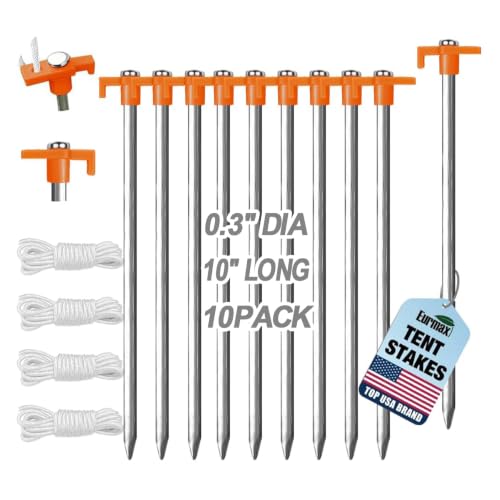
Driving stakes into hard-packed clay or loose sandy soil requires angling the stake roughly forty-five degrees away from the tent body. In loose soil, standard lightweight steel wire stakes may pull free under modest guyline tension. Upgrading to sturdy aluminum Y-beam stakes or heavier steel pegs ensures reliable holding power in unpredictable campground conditions. Taking a few extra minutes to secure every corner and guyline attachment point prevents structural deformation and keeps your budget shelter stable throughout the night.
Cleaning, Drying, and Long-Term Care for Budget Shelters
Proper post-trip maintenance directly influences how many seasons an affordable camping tent will endure. Packing away a tent while it remains damp from morning dew or ground moisture invites mold and mildew growth that ruins waterproof coatings within days. If you must strike camp during rain, pitch the shelter in a garage or shaded yard immediately upon returning home to let it air dry completely. Never store synthetic fabrics in damp basements, as humidity degrades seam tapes and causes polyurethane layers to become tacky.
Cleaning your shelter requires gentle methods that do not strip protective coatings from synthetic fabrics. Use a soft sponge, lukewarm water, and mild fragrance-free soap to wipe away mud, bird droppings, or tree sap from exterior walls. Harsh chemical detergents, bleach, and machine washing will destroy fabric water repellency and warp delicate mesh windows. Once the canopy dries thoroughly, store the tent loosely folded inside a breathable storage sack in a cool, climate-controlled space away from direct sunlight.
Deciding When an Affordable Tent Fits Your Camping Needs
Choosing an affordable tent makes excellent sense for summer family holidays, music festivals, backyard campouts, and casual weekend car camping. In these mild environments, the fast setup, standing peak height, and comfortable interior volume easily outweigh the lack of expedition-grade stormproofing. Spending modest sums on a primary shelter frees up financial resources for quality sleeping bags, insulated sleeping pads, and camp kitchen essentials. Recognizing the practical boundaries of your equipment ensures realistic expectations and helps you plan enjoyable outings within safe weather windows.
Conversely, extreme alpine expeditions, deep winter snow camping, and severe multi-day storm systems call for specialized four-season technical shelters. Budget tents are designed primarily for three-season fair-weather recreation and lack the heavy pole architecture necessary to shed snow loads or withstand gale-force winds. Matching your shelter’s documented specifications and design limitations to your destination’s expected climate ensures comfortable nights under the stars. With sensible campsite selection and attentive care, a budget-friendly shelter provides years of memorable outdoor experiences.




Write Your Review
No reviews yet. Be the first to share your experience!