


Flexible frame poles hold up your shelter against shifting winds, but internal elastic cords inevitably lose elasticity after prolonged use in warm or damp storage conditions. When you find your tent poles hanging loosely without interior tension, discovering where to buy tent pole shock cord becomes the immediate step toward restoring a reliable campsite frame. Many outdoor enthusiasts discover that high-grade replacement bungees offer a practical alternative to buying an entirely new pole set or replacing expensive heavy-duty water-resistant camping tents. Sourcing the proper cord preserves functional fiberglass or aluminum sections while extending the lifespan of your trusted backcountry shelter.
Finding the right elastic replacement requires knowing which cord diameters and sheath materials match your pole ferrule channels. Dedicated outdoor retailers, specialized hardware suppliers, and major online marketplaces stock suitable elastic spools ranging from compact kits to bulk rolls. Understanding the differences between standard rubber cores, natural latex blends, and weather-resistant outer braids ensures your restrung poles maintain solid alignment during assembly. Taking time to select proper repair materials prevents sudden failures during stormy weather and keeps setup routines smooth and predictable.


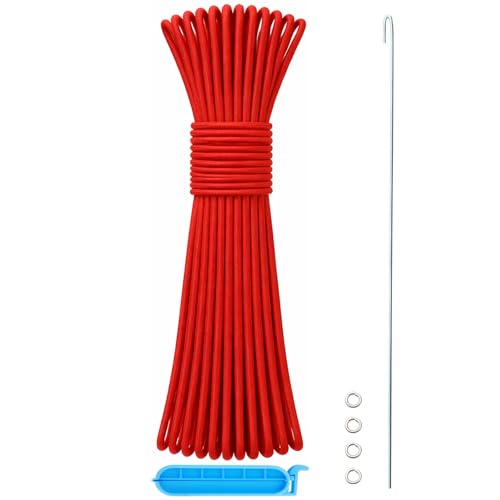


Sourcing and Selecting Tent Pole Shock Cord for Reliable Repairs
Restoring an older tent frame with fresh internal elasticity requires finding compatible materials that balance diameter, core elasticity, and abrasion resistance. Knowing where to buy tent pole shock cord allows you to avoid full pole assembly replacements and breathe new life into an otherwise dependable tent body. Quality replacement cord can be sourced through multiple retail avenues depending on whether you need a quick emergency fix or bulk cordage for maintaining several shelter setups. Exploring these retail channels and matching specific cord profiles to your tent frame guarantees steady support in rough weather.
Primary Sourcing Channels for Replacement Shock Cord
Online retail marketplaces provide the widest immediate selection of tent pole elastic, offering everything from single pre-cut packs to commercial spools. Independent camping specialty stores and outdoor outfitters also carry dedicated repair packages tailored for quick field repairs before a scheduled weekend excursion. Marine supply shops and specialty climbing outlets represent another viable source, stocking industrial shock cord built for marine environments and continuous outdoor tension. Choosing between an all-inclusive repair bundle and a basic bulk spool depends heavily on the tools you already have on hand at your workbench.
Online platforms excel when you need specialized dimensions or specific accessories packaged together in one box. Brands like Chapou and Hibinew often package their elastic cord directly with wire threaders and end washers, which saves you from scouring hardware stores for separate assembly parts. If you only need a straightforward length of cordage without extra fittings, spool specialists like Abma Cord offer continuous reels designed for clean garage storage. Local outdoor supply shops remain helpful when you need immediate physical assistance or want to verify that an elastic sample slips cleanly through an intact pole segment.
Sizing Specifications: 1/8-Inch Versus 3/32-Inch Diameters
Tent pole internal diameters dictate the exact thickness of replacement shock cord you can safely install. The most widespread standard across dome, cabin, and backpacking shelters is one-eighth inch cordage, which provides a balanced combination of pulling tension and channel clearance. For smaller ultralight backpacking poles or narrow aluminum segments, three-thirty-second inch shock cord provides the necessary clearance to avoid binding inside internal ferrules. Installing a cord that is too thick creates severe friction during folding, while an overly thin cord lacks the recovery force required to keep heavy sections aligned.
Products such as the AceCamp 1/8 Inch Shock Cord Pole Repair and the Abma Cord Bungee Cord 1/8in line represent the standard one-eighth inch benchmark for common camping shelters. Conversely, the BRILLIANCE4U Tent Pole Shock Cord 3/32 in 60ft option caters directly to shelters with constricted internal channels or tighter pole joints. When working with large family cabins or spacious outdoor group shelters, the larger one-eighth inch diameter is usually necessary to manage the weight of lengthy fiberglass sections. Measuring the inner diameter of your pole tips or checking the manufacturer documentation before ordering prevents tedious restringing delays.
Core Materials and Elastic Recovery Dynamics
The interior core of a shock cord determines how well the line maintains its elasticity through changing temperatures and repeated folding cycles. High-grade natural latex rubber delivers rapid rebound and superior stretch longevity, making it a reliable option for frequent campers who pack and unpack their shelters often. Synthetic rubber cores also provide solid performance, resisting structural breakdown when exposed to damp storage bags or slight internal condensation. Both core configurations offer dependable recovery force when strung under appropriate initial tension inside the pole sections.
Sheathing material surrounding the elastic core plays an equally vital role in shielding the rubber from abrasive metal burrs and ultraviolet radiation. Polyester sheaths, such as those found on Abma Cord spools, offer solid weather resistance and quick-drying capabilities that resist mildew formation inside dark aluminum tubes. Nylon braided outer jackets, highlighted in the AceCamp replacement cord, offer excellent resistance against surface abrasion as the cord scrapes across metal ferrule edges during setup. High-density polypropylene braiding, utilized on the Hibinew cord rolls, provides smooth feeding and tight resistance against moisture penetration.
Dedicated Repair Kits Versus Bulk Cordage Spools
Purchasing a comprehensive repair kit is often the most practical route for campers undertaking their first pole restringing project. Packages like the Chapou Tent Pole Repair Kit 200ft 1/8” Shock bundle provide generous cordage alongside essential lead wires and steel washers. These supplemental hardware components solve the frustrating mechanical problem of pulling flexible elastic through eight or ten feet of hollow metal tubing. Without a rigid lead wire, pushing limp shock cord through hollow fiberglass segments requires frustrating trial and error or makeshift wire coat hangers.
Bulk spools, such as the Abma Cord Bungee Cord 1/8in x 100ft Elastic Shock option, provide greater total value if you maintain multiple tents or outdoor gear projects. Reusable plastic spools keep excess line organized without developing snarled tangles in your workshop storage bins. Campers who already own stiff threading wire or craft wire can easily pair a bulk spool with inexpensive washers salvaged from the original pole ends. Evaluating your existing tool supply helps determine whether a complete kit or an economical bulk roll best fits your seasonal maintenance plans.
Calculating Accurate Length and Tension Ratios
Determining the correct length of shock cord requires understanding that the relaxed elastic must be noticeably shorter than the assembled pole. A reliable working standard across most tent styles is the seventy to eighty percent rule, which balances positive tension with manageable folding resistance. To calculate this measurement, assemble your pole completely on a flat lawn or long hallway and measure its total tip-to-tip length. Multiplying that total length by zero point seven five yields the ideal relaxed length for your new shock cord.
You must always include extra cord length at each end to account for terminal stop knots and tension adjustment margins. Adding roughly twelve to sixteen inches of surplus cordage ensures you have plenty of working slack to tie secure stopper knots without losing line tension. If you are servicing multiple pole segments on large multi-room tents, buying rolls of sixty feet or more gives you adequate working room for trial and error. Excess cord can simply be trimmed away once the terminal knots are securely seated against the end tips.
Step-by-Step Restringing Sequence for Campers
Restringing a tent pole begins by laying out all disconnected segments in their exact original alignment along the ground. Secure the first end tip by tying an overhand or figure-eight knot in the shock cord and sliding a small metal washer into place to prevent pass-through. Attach the unknotted end of your cord to a stiff lead wire using a tight wrap of electrical tape or a low-profile twist. Push this lead wire steadily through the first pole section, pulling the cord through until the terminal knot seats firmly against the end ferrule.
Continue feeding the lead wire through each successive pole segment while keeping the sections loosely separated to monitor cord travel. Once the cord emerges from the final pole section, pull the elastic line firmly to stretch the internal core to its target working tension. Clamp the cord securely at the exit ferrule using locking pliers, a binder clip, or the specialized clips included in Hibinew repair kits. Thread the final washer, tie a permanent terminal knot close to the ferrule opening, release the temporary clamp, and allow the knot to draw cleanly inside the tip.
Preventing Common Installation and Handling Mistakes
Over-stretching the shock cord during initial installation is a frequent misstep that makes collapsing the tent frame excessively difficult. When the cord is strung with too much tension, the pole sections snap violently together during pitching, increasing the risk of splintering fiberglass or denting aluminum ferrules. Conversely, leaving the cord too slack results in sloppy joint connections that slip out of alignment while you raise the canopy. Aim for steady tension that holds the joints together snugly without requiring two hands to pull sections apart for folding.
Fraying outer sheaths present another common hazard when cutting synthetic cords to custom lengths. Whenever you cut through a nylon or polyester braided cord, immediately melt the raw severed fibers using a standard butane lighter flame. Fusing the outer jacket fibers to the internal rubber strands creates a clean, tapered bullet end that glides easily through narrow ferrules. Neglecting to seal cut ends leads to rapid fraying, which jams the line inside internal pole joints and forces you to restart the threading process.
Off-Season Storage and Preserving Elastic Lifespan
Improper off-season storage remains the primary reason tent pole shock cords lose their elasticity and turn into brittle, lifeless strings. Storing your camping gear in hot attics, uninsulated sheds, or damp basements accelerates the breakdown of natural latex and rubber cores. Extreme heat causes vulcanized rubber to dry out and snap, while lingering moisture inside the pole tubes promotes mildew that weakens outer polyester fibers. Always store folded tent poles in a climate-controlled closet where temperatures and humidity remain relatively stable throughout the winter.
Folding your tent poles properly after each trip also extends the operational lifespan of internal bungees. Rather than snapping poles from one end like a whip, break each segment down starting from the center and working outward toward the ends. This center-out folding method distributes elastic tension evenly across both halves of the internal cord, reducing localized strain on terminal knots. If your frame was exposed to driving rain or coastal saltwater spray, wipe the segments dry before packing them into the storage bag.
DIY Restringing Versus Full Pole Replacement
Replacing worn shock cord is an inexpensive and highly effective repair when your structural pole tubes remain straight and uncracked. However, restringing cannot fix bent aluminum segments, fractured ferrules, or splintered fiberglass rods that compromise shelter safety in heavy winds. If your tent structure has suffered mechanical impacts, inspect each individual tube under bright light before investing time in stringing new elastic cord. While some campers upgrade from complex manual pole assemblies to instant setup outdoor tents with integrated hubs, traditional pole frames remain exceptionally durable when maintained properly.
Contacting your tent manufacturer for replacement sections is advisable if proprietary hub connectors or specialized locking end tips are cracked. For standard straight or curved pole designs, sourcing third-party shock cord and undertaking a DIY restringing job restores factory-level setup ease. Keeping a compact repair kit and spare cordage in your camp storage tote guarantees that unexpected slack never ruins an upcoming outdoor getaway. A properly strung pole assembly sets up quickly, holds structural shape securely, and folds away smoothly for years of reliable outdoor shelter.
Taking the time to source high-grade shock cord and install it with balanced tension ensures your tent frame delivers dependable performance across many camping seasons. Whether you choose a complete kit equipped with threading tools or an economical spool of weather-resistant cordage, matching the line diameter to your pole channels is the key to success. With fresh elasticity restored inside your poles, pitching your shelter remains a quick and predictable task, leaving you free to enjoy the outdoors with confidence.


Write Your Review
No reviews yet. Be the first to share your experience!